BDX Faces Monopoly Allegations in U.S. Hernia Mesh Market, Impacting Patient Choices
Written by Emily J. Thompson, Senior Investment Analyst
Updated: Dec 23 2025
0mins

Source: Benzinga
- Monopoly Allegations: TELA Bio's lawsuit claims that Becton Dickinson controls approximately 65% of the U.S. permanent hernia mesh market and 77% of the resorbable mesh market, leveraging its dominance to raise costs for hospitals and limit patient choices.
- Restrictive Contracts: The complaint alleges that Becton Dickinson used overlapping, multi-year contracts with hospitals and purchasing organizations to restrict access to OviTex, resulting in TELA Bio's marginal market share despite physician preference for its product.
- Patient Impact: The lawsuit highlights a case where a surgeon was denied approval to use OviTex due to Becton Dickinson's contracts, leading to a patient's worsening condition and eventual death during surgery, illustrating the direct harm caused by these practices.
- Legal Consequences: TELA Bio seeks damages and injunctive relief to restore competition and expand choices for patients and providers, while Becton Dickinson faces over 30,000 related lawsuits, indicating escalating legal risks for the company.
Trade with 70% Backtested Accuracy
Stop guessing "Should I Buy BDX?" and start using high-conviction signals backed by rigorous historical data.
Sign up today to access powerful investing tools and make smarter, data-driven decisions.
Analyst Views on BDX
Wall Street analysts forecast BDX stock price to rise
11 Analyst Rating
5 Buy
6 Hold
0 Sell
Moderate Buy
Current: 141.610

Low
157.00
Averages
192.64
High
232.00
Current: 141.610
Low
157.00
Averages
192.64
High
232.00
About BDX
Becton, Dickinson and Company is a global medical technology company. The Company is engaged in the development, manufacture and sale of a broad range of medical supplies, devices, laboratory equipment and diagnostic products used by healthcare institutions, physicians, life science researchers, clinical laboratories, and more. It operates through five segments: BD Medical Essentials, BD Connected Care, BD BioPharma Systems, BD Interventional, and BD Life Sciences. BD Medical Essentials segment includes medication delivery solutions and specimen management. BD Connected Care segment includes medication management solutions and advanced patient monitoring. BD Interventional segment includes urology and critical care, peripheral intervention and surgery. Its Life Sciences segment includes diagnostic solutions and biosciences.
About the author

Emily J. Thompson
Emily J. Thompson, a Chartered Financial Analyst (CFA) with 12 years in investment research, graduated with honors from the Wharton School. Specializing in industrial and technology stocks, she provides in-depth analysis for Intellectia’s earnings and market brief reports.

SpaceX Sets Record with $75 Billion IPO, Aiming for 25-30% Opening Pop


- Historic IPO: SpaceX is conducting a record-breaking IPO today, raising up to $75 billion, with expectations of a 25-30% opening pop, which could attract short-term investors and potentially destabilize the company's shareholder base.
- Market Reaction: Oil prices have dropped over 3% to below $85 per barrel due to optimism surrounding a potential peace deal between the U.S. and Iran, indicating market sentiment ahead of next week's G7 Summit.
- Executive Changes: Adobe announced that CFO Dan Durn is leaving to join Marvell; despite beating earnings expectations, Adobe's stock fell 7%, reflecting market concerns about slowing growth.
- Analyst Rating Changes: Citi upgraded AMD from hold to buy, anticipating that Meta will significantly increase its purchases of AMD chips, indicating AMD's strengthening position in the graphics processing unit market as a legitimate competitor to Nvidia.
See More

Jim Cramer's Insights on Multiple Stocks


- JFrog Stock Advice: Jim Cramer advises investors to take some profits on JFrog shares, noting that while software development is a solid business, the current valuation multiple is too high, potentially impacting future earnings.
- Becton Dickinson Investment Opportunity: Cramer highlights that Becton Dickinson's stock is currently at its lowest market level, recommending investors to buy in to capitalize on potential rebound opportunities.
- Banco Santander Market Performance: Despite Banco Santander's recent stock run-up, Cramer suggests investors hold their positions and consider buying if the stock dips back to $10, optimizing their investment strategy.
- Backblaze and Starfighters Space: Cramer expresses limited knowledge about Backblaze and Starfighters Space, refraining from providing specific investment advice, indicating a cautious stance towards these stocks.
See More

Investment Recommendations for Zoetis and Energy Transfer


- Zoetis Investment Warning: Zoetis's performance has raised concerns, with analysts expressing a preference for Elanco for the first time, indicating potential challenges for Zoetis in the animal health sector that could impact market confidence and stock performance.
- Energy Transfer Investment Opportunity: Energy Transfer is viewed as a highly attractive investment option, with analysts noting its undervalued stock price and good dividend yield, likely appealing to investors seeking stable income.
- Market Sentiment Shift: The contrasting negative outlook for Zoetis and positive sentiment for Energy Transfer reflects differing expectations in the market, which may lead investors to reassess their portfolios.
- Long-term Investment Strategy: Jim Cramer recommends focusing on Energy Transfer's investment potential, emphasizing its undervalued status and stable dividend yield, which could provide investors with long-term wealth growth opportunities.
See More

Analysis of Blue Chip Stock Investment Strategies


- Microsoft's Growth Potential: Microsoft (MSFT) boasts a market cap exceeding $3 trillion, with an average annual growth of 21% over the past 15 years; despite a recent 12% drop, its forward P/E ratio of 22 is attractive compared to the five-year average of 30.
- Healthcare Sector Leader: Becton, Dickinson (BD) leads in medical devices, producing over 34 billion devices annually, with a 2025 report indicating 125 new product launches and a dividend yield of 2.8%, ensuring stable revenue streams.
- Clorox's Dividend Appeal: Clorox (CLX) has seen a 25% stock price decline, resulting in a forward P/E ratio of 13, below the five-year average of 24, and a dividend yield of 5.1%, making it appealing for long-term investors.
- Market Challenges and Responses: Despite facing cost pressures from rising oil prices, Clorox's management reported positive performance in consumer categories, indicating brand resilience and sustained market demand.
See More

Microsoft Shares Undervalued; Blue Chip Investment Opportunities
- Microsoft's Stock Appeal: With a market value exceeding $3 trillion and an average annual growth rate of 21% over the past 15 years, Microsoft's recent 12% drop has lowered its forward P/E ratio to 22, significantly below the five-year average of 30, indicating strong investment potential.
- BD's Steady Growth: Becton, Dickinson produces over 34 billion medical devices annually, and its 2025 report highlights the launch of over 125 new products and an additional $1.3 billion in revenue from more than 20 acquisitions, showcasing its robust innovation in the medical supply sector.
- Clorox's Dividend Appeal: Clorox boasts a dividend yield of 5.1% and has increased its payout for 48 consecutive years; despite a more than 25% drop in stock price over the past year, its forward P/E ratio stands at 13, well below the five-year average of 24, suggesting investment value.
- Market Environment Impact: Facing rising oil prices that could cost over $20 million in quarterly gross profit, Clorox is working on efficiency improvements, with the CEO noting that consumer spending on brands remains strong, indicating resilience in challenging market conditions.
See More
BD Launches New Laser System to Enhance Urology Efficiency
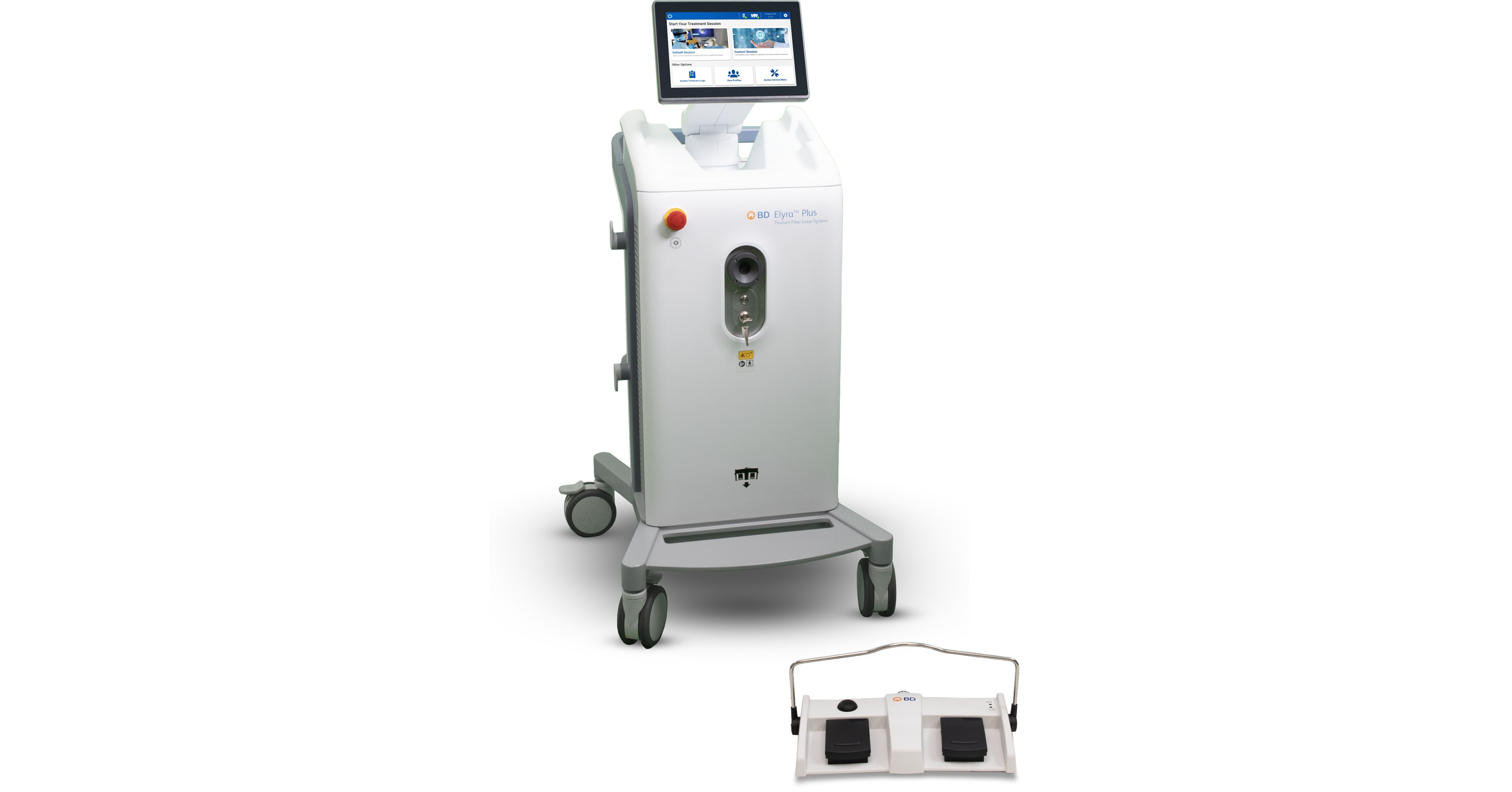
- Technological Innovation: BD has launched the Elyra™ Thulium Fiber Laser System, designed to enhance efficiency and versatility for urology teams in kidney stone management and soft tissue procedures, significantly improving clinical operations by supporting efficient stone dusting and reducing stone migration.
- User Experience Enhancement: The system features an intuitive user interface, customizable presets, quick startup capabilities, and an optional wireless footswitch, which help streamline workflows in stone lithotripsy and soft tissue procedures, thereby boosting clinicians' confidence during operations.
- Positive Clinical Feedback: BD recently completed its first clinical cases using the Elyra™ Plus TFL System at a leading medical center, receiving positive feedback from urologists and laser technicians who appreciated the system's safety features and ease of use.
- Market Expansion: The Elyra™ and Elyra™ Plus TFL Systems are now available in the United States, as BD continues to expand its urologic stone management portfolio by integrating comprehensive solutions that support providers in optimizing performance and preparing for the future of urologic care.
See More
SpaceX Sets Record with $75 Billion IPO, Aiming for 25-30% Opening Pop
- Historic IPO: SpaceX is conducting a record-breaking IPO today, raising up to $75 billion, with expectations of a 25-30% opening pop, which could attract short-term investors and potentially destabilize the company's shareholder base.
- Market Reaction: Oil prices have dropped over 3% to below $85 per barrel due to optimism surrounding a potential peace deal between the U.S. and Iran, indicating market sentiment ahead of next week's G7 Summit.
- Executive Changes: Adobe announced that CFO Dan Durn is leaving to join Marvell; despite beating earnings expectations, Adobe's stock fell 7%, reflecting market concerns about slowing growth.
- Analyst Rating Changes: Citi upgraded AMD from hold to buy, anticipating that Meta will significantly increase its purchases of AMD chips, indicating AMD's strengthening position in the graphics processing unit market as a legitimate competitor to Nvidia.
See More
Jim Cramer's Insights on Multiple Stocks
- JFrog Stock Advice: Jim Cramer advises investors to take some profits on JFrog shares, noting that while software development is a solid business, the current valuation multiple is too high, potentially impacting future earnings.
- Becton Dickinson Investment Opportunity: Cramer highlights that Becton Dickinson's stock is currently at its lowest market level, recommending investors to buy in to capitalize on potential rebound opportunities.
- Banco Santander Market Performance: Despite Banco Santander's recent stock run-up, Cramer suggests investors hold their positions and consider buying if the stock dips back to $10, optimizing their investment strategy.
- Backblaze and Starfighters Space: Cramer expresses limited knowledge about Backblaze and Starfighters Space, refraining from providing specific investment advice, indicating a cautious stance towards these stocks.
See More
Investment Recommendations for Zoetis and Energy Transfer
- Zoetis Investment Warning: Zoetis's performance has raised concerns, with analysts expressing a preference for Elanco for the first time, indicating potential challenges for Zoetis in the animal health sector that could impact market confidence and stock performance.
- Energy Transfer Investment Opportunity: Energy Transfer is viewed as a highly attractive investment option, with analysts noting its undervalued stock price and good dividend yield, likely appealing to investors seeking stable income.
- Market Sentiment Shift: The contrasting negative outlook for Zoetis and positive sentiment for Energy Transfer reflects differing expectations in the market, which may lead investors to reassess their portfolios.
- Long-term Investment Strategy: Jim Cramer recommends focusing on Energy Transfer's investment potential, emphasizing its undervalued status and stable dividend yield, which could provide investors with long-term wealth growth opportunities.
See More
Analysis of Blue Chip Stock Investment Strategies
- Microsoft's Growth Potential: Microsoft (MSFT) boasts a market cap exceeding $3 trillion, with an average annual growth of 21% over the past 15 years; despite a recent 12% drop, its forward P/E ratio of 22 is attractive compared to the five-year average of 30.
- Healthcare Sector Leader: Becton, Dickinson (BD) leads in medical devices, producing over 34 billion devices annually, with a 2025 report indicating 125 new product launches and a dividend yield of 2.8%, ensuring stable revenue streams.
- Clorox's Dividend Appeal: Clorox (CLX) has seen a 25% stock price decline, resulting in a forward P/E ratio of 13, below the five-year average of 24, and a dividend yield of 5.1%, making it appealing for long-term investors.
- Market Challenges and Responses: Despite facing cost pressures from rising oil prices, Clorox's management reported positive performance in consumer categories, indicating brand resilience and sustained market demand.
See More
Microsoft Shares Undervalued; Blue Chip Investment Opportunities
- Microsoft's Stock Appeal: With a market value exceeding $3 trillion and an average annual growth rate of 21% over the past 15 years, Microsoft's recent 12% drop has lowered its forward P/E ratio to 22, significantly below the five-year average of 30, indicating strong investment potential.
- BD's Steady Growth: Becton, Dickinson produces over 34 billion medical devices annually, and its 2025 report highlights the launch of over 125 new products and an additional $1.3 billion in revenue from more than 20 acquisitions, showcasing its robust innovation in the medical supply sector.
- Clorox's Dividend Appeal: Clorox boasts a dividend yield of 5.1% and has increased its payout for 48 consecutive years; despite a more than 25% drop in stock price over the past year, its forward P/E ratio stands at 13, well below the five-year average of 24, suggesting investment value.
- Market Environment Impact: Facing rising oil prices that could cost over $20 million in quarterly gross profit, Clorox is working on efficiency improvements, with the CEO noting that consumer spending on brands remains strong, indicating resilience in challenging market conditions.
See More
BD Launches New Laser System to Enhance Urology Efficiency
- Technological Innovation: BD has launched the Elyra™ Thulium Fiber Laser System, designed to enhance efficiency and versatility for urology teams in kidney stone management and soft tissue procedures, significantly improving clinical operations by supporting efficient stone dusting and reducing stone migration.
- User Experience Enhancement: The system features an intuitive user interface, customizable presets, quick startup capabilities, and an optional wireless footswitch, which help streamline workflows in stone lithotripsy and soft tissue procedures, thereby boosting clinicians' confidence during operations.
- Positive Clinical Feedback: BD recently completed its first clinical cases using the Elyra™ Plus TFL System at a leading medical center, receiving positive feedback from urologists and laser technicians who appreciated the system's safety features and ease of use.
- Market Expansion: The Elyra™ and Elyra™ Plus TFL Systems are now available in the United States, as BD continues to expand its urologic stone management portfolio by integrating comprehensive solutions that support providers in optimizing performance and preparing for the future of urologic care.
See More