Argosy Investors Q4 Moves: New Positions and Exits
Written by Emily J. Thompson, Senior Investment Analyst
Updated: Mar 09 2026
0mins
Should l Buy NVO?
Source: seekingalpha
- New Investment Position: Argosy Investors acquired shares in Floor & Décor (FND) during Q4, noting that the company's current EBIT margins are approximately 30% below pre-COVID long-term levels, and anticipates margins will scale towards the low-to-mid-teens as the store base expands, enhancing profitability and market competitiveness.
- Exit from Unfavorable Investment: The fund sold its position in Novo Nordisk (NVO) after a brief holding period due to findings from further due diligence indicating a disadvantageous competitive situation, demonstrating caution and flexibility in investment decisions.
- Increased Confidence in Holdings: Argosy also strengthened its position in Endava (DAVA) during Q4, believing that its share price performance is largely company-specific and that there is a significant chance of mean reversion if DAVA can demonstrate inflecting organic revenue growth, indicating confidence in its future growth potential.
- Market Dynamics Insight: In analyzing market dynamics, Argosy is attentive to Novo Nordisk's competitive landscape and market pressures, particularly in light of positive mid-stage trial results for its obesity drug in China, showcasing keen insights into industry trends.
Trade with 70% Backtested Accuracy
Stop guessing "Should I Buy NVO?" and start using high-conviction signals backed by rigorous historical data.
Sign up today to access powerful investing tools and make smarter, data-driven decisions.
Analyst Views on NVO
Wall Street analysts forecast NVO stock price to rise
8 Analyst Rating
4 Buy
3 Hold
1 Sell
Moderate Buy
Current: 45.800

Low
42.00
Averages
54.67
High
70.00
Current: 45.800
Low
42.00
Averages
54.67
High
70.00
About NVO
Novo Nordisk A/S is a global healthcare company engaged in diabetes care. The Company is also engaged in the discovery, development, manufacturing and marketing of pharmaceutical products. The Company operates through two business segments: diabetes and obesity care, and biopharmaceuticals. The Company's diabetes and obesity care segment covers insulin, GLP-1, other protein-related products, such as glucagon, protein-related delivery systems and needles, and oral anti-diabetic drugs. The Company's biopharmaceuticals segment covers the therapy areas of hemophilia care, growth hormone therapy and hormone replacement therapy. The Company also offers Saxenda product to treat obesity. It offers a range of products, including NovoLog/NovoRapid; NovoLog Mix/NovoMix; Prandin/NovoNorm; NovoSeven; Norditropin, and Vagifem. As of December 31, 2016, it marketed its products in over 180 countries. Its regional structure consists of two commercial units: North America and International Operations.
About the author

Emily J. Thompson
Emily J. Thompson, a Chartered Financial Analyst (CFA) with 12 years in investment research, graduated with honors from the Wharton School. Specializing in industrial and technology stocks, she provides in-depth analysis for Intellectia’s earnings and market brief reports.
Novo Nordisk Shares Continue Underperformance Amid Competition
- Poor Stock Performance: Novo Nordisk's shares have declined by 7.5% this year, contrasting with the S&P 500's 8% gain, indicating a lack of competitive strength in the market and suggesting investors should carefully assess holding risks.
- High Sales Dependency: The company's weight loss drug Wegovy and diabetes treatment Ozempic accounted for over 75% of first-quarter sales, highlighting a significant reliance on these products, which could impact future performance.
- Intensifying Competition: Despite Novo Nordisk launching a Wegovy pill, its sales are pressured by competitors like Eli Lilly, which received FDA approval for the oral treatment Foundayo, leading to an 8% year-over-year decline in Ozempic's first-quarter sales.
- Uncertain Market Outlook: With fierce competition from companies like Pfizer, Novo Nordisk's dominance in the obesity and diabetes market is threatened, prompting a recommendation for investors to consider selling their shares to mitigate potential risks.
See More
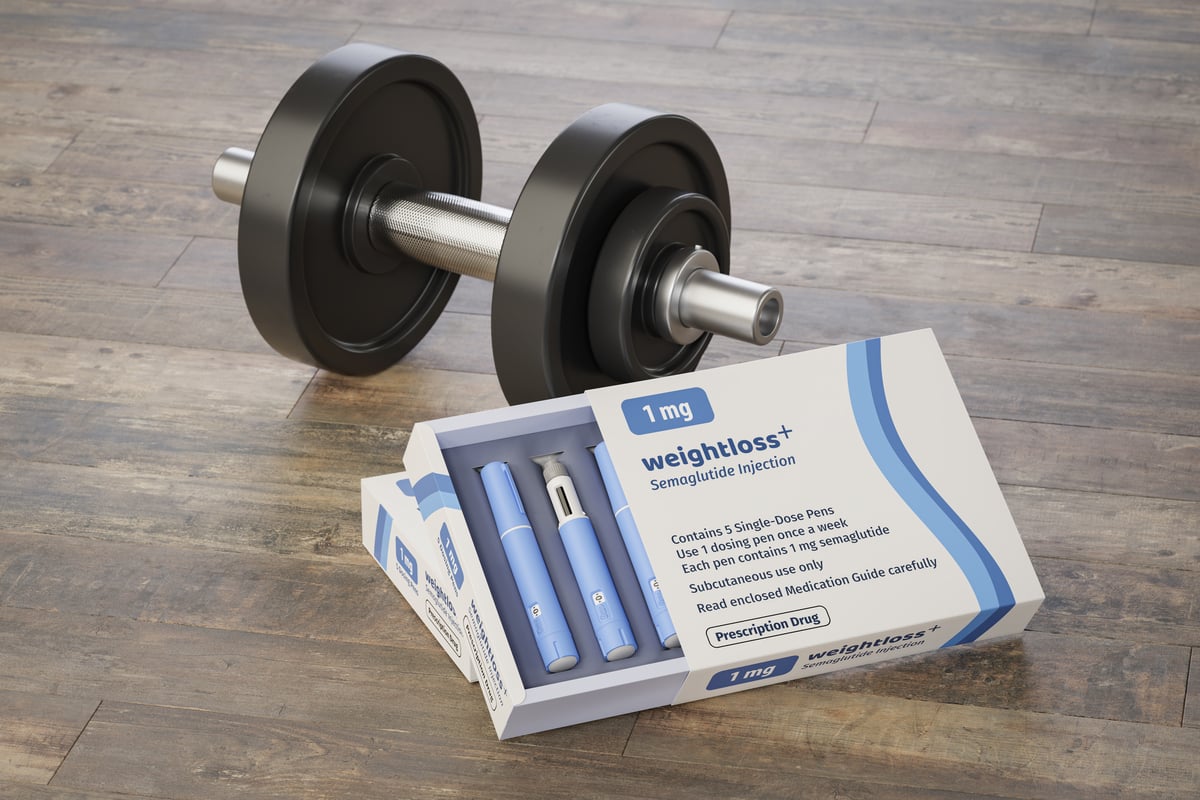
Novo Nordisk Aims to Close Gap with Eli Lilly in Weight-Loss Market

- Intensifying Market Competition: Despite Novo Nordisk's first-mover advantage in the weight-loss drug market, Eli Lilly's Zepbound saw an 80% year-over-year sales increase, threatening Novo's market position and prompting the launch of an oral version of Wegovy to cater to patient preferences for oral treatments, thereby enhancing its competitive stance.
- New Drug Development Updates: Eli Lilly launched its own weight-loss pill, Foundayo, in April and is developing a triple agonist, retatrutide, targeting GLP-1, GIP, and glucagon receptors, which could further solidify its market dominance and increase pressure on Novo Nordisk.
- Clinical Trial Results: Eli Lilly's promising phase 3 clinical trial data for retatrutide, released in March, showed significant reductions in A1C and weight loss among participants, establishing a strong foundation for its future market performance and potentially keeping its stock elevated.
- Market Valuation Outlook: Although Eli Lilly's stock trades above $1,000 with a price-to-earnings ratio exceeding 26, if its follow-up products maintain market superiority, investors will likely continue to view it as a top GLP-1 stock, supporting its premium valuation.
See More

Kailera Therapeutics Makes Successful IPO Amid Biotech Surge
- IPO Pricing and Market Reaction: Kailera Therapeutics priced its initial public offering (IPO) at $16 per share, opening at $26 on April 17; although the stock price has recently cooled, its promising drug pipeline continues to attract investor interest.
- Market Potential Analysis: According to Morgan Stanley research, the GLP-1 drug market aimed at weight loss could reach $190 billion by 2035, doubling the levels of 2025, significantly enhancing Kailera's competitive position in this lucrative market.
- Drug Development Progress: Kailera is building a weight-loss drug pipeline with both injectables and pills, featuring four candidates in various trial stages, with its lead candidate Ribupatide currently in phase 3 trials, potentially becoming a category-leading treatment for obesity.
- Investment Risks and Opportunities: While biotech investments are notoriously risky, Kailera's advanced drug candidates in clinical trials present a fresh investment opportunity, particularly for aggressive investors willing to navigate potential setbacks, as the long-term rewards may outweigh the risks.
See More

Hims & Hers Reports Revenue Growth Amid Shrinking Margins
- Revenue Growth: Hims & Hers reported first-quarter 2026 revenue of $608.1 million, a 4% year-over-year increase, indicating continued subscriber growth across its weight-loss, sexual health, dermatology, and primary care sectors, despite profitability challenges.
- Profit Decline: The company posted a net loss of $92.1 million compared to a net income of $49.5 million a year earlier, with adjusted EBITDA falling from $91.1 million to $44.3 million and gross margin shrinking from 73% to 65%, highlighting the economic pressures from its strategic shift.
- Strategic Shift: Hims transitioned from high-margin compounded GLP-1 weight-loss drugs to branded products like Novo Nordisk's, which reduced regulatory risks but compressed margins and increased operating costs, resulting in a more than 12% drop in stock price following the earnings release.
- International Expansion: The acquisition of ZAVA allows Hims to tap into the European market with approximately $100 million in annual revenue and an established telemedicine infrastructure, while the company plans to expand into hormone optimization and preventative diagnostics, despite facing high valuation and execution risks.
See More

Investment Opportunities in Biogen and Novo Nordisk: A Comparative Analysis
- Biogen's Turnaround Potential: Biogen focuses on neurology, and despite declining revenue from its multiple sclerosis products, Q1 2025 revenue rose 2% year-over-year to $2.5 billion, with Leqembi sales increasing 74% to $168 million, indicating significant market potential in Alzheimer's treatment.
- Acquisition-Driven Pipeline Expansion: By acquiring Reata Pharmaceuticals for $7.3 billion and Apellis Pharmaceuticals for $5.6 billion, Biogen has introduced new drugs like Skyclarys and Empaveli, with projected sales growth in the low to mid-teens through 2028, enhancing its product diversity.
- Novo Nordisk's Growth Engine: Novo Nordisk excels in diabetes and obesity markets, reporting Q1 2025 revenue of 96.8 billion DKK (approximately $15.3 billion), a 24% year-over-year increase, driven by high demand for its GLP-1 drugs, prompting the company to expand manufacturing capacity for sustained competitiveness.
- Diversification Strategy: Novo Nordisk's $4.7 billion acquisition of Akero Therapeutics strengthens its metabolic treatment portfolio, while label expansions for its GLP-1 therapies in cardiovascular and chronic kidney disease treatments enhance clinical versatility, solidifying its competitive position in the healthcare insurance market.
See More

Hantavirus Outbreak Raises Public Health Concerns
- Outbreak Overview: As of Tuesday, the WHO reported 11 cases linked to the hantavirus outbreak, with 9 confirmed cases including 3 deaths; while no positive cases have been found in the U.S., public concern is rising significantly.
- Monitoring Measures: In the U.S., 18 individuals are being monitored across Nebraska and Atlanta for potential exposure, and although more cases may emerge, experts assert that the risk remains low due to the hantavirus's limited transmissibility.
- CDC Response Capability: While the CDC appears to have the outbreak under control, experts warn that past cuts to the agency and the withdrawal from the WHO may undermine the U.S.'s ability to respond to future infectious disease threats, especially against more contagious pathogens.
- Vaccine Development Progress: Moderna's shares surged approximately 12% after confirming it is researching a potential vaccine for hantavirus, although specific treatments are still years away, this development may provide hope for future public health responses.
See More
Novo Nordisk Shares Continue Underperformance Amid Competition
- Poor Stock Performance: Novo Nordisk's shares have declined by 7.5% this year, contrasting with the S&P 500's 8% gain, indicating a lack of competitive strength in the market and suggesting investors should carefully assess holding risks.
- High Sales Dependency: The company's weight loss drug Wegovy and diabetes treatment Ozempic accounted for over 75% of first-quarter sales, highlighting a significant reliance on these products, which could impact future performance.
- Intensifying Competition: Despite Novo Nordisk launching a Wegovy pill, its sales are pressured by competitors like Eli Lilly, which received FDA approval for the oral treatment Foundayo, leading to an 8% year-over-year decline in Ozempic's first-quarter sales.
- Uncertain Market Outlook: With fierce competition from companies like Pfizer, Novo Nordisk's dominance in the obesity and diabetes market is threatened, prompting a recommendation for investors to consider selling their shares to mitigate potential risks.
See More
Novo Nordisk Aims to Close Gap with Eli Lilly in Weight-Loss Market
- Intensifying Market Competition: Despite Novo Nordisk's first-mover advantage in the weight-loss drug market, Eli Lilly's Zepbound saw an 80% year-over-year sales increase, threatening Novo's market position and prompting the launch of an oral version of Wegovy to cater to patient preferences for oral treatments, thereby enhancing its competitive stance.
- New Drug Development Updates: Eli Lilly launched its own weight-loss pill, Foundayo, in April and is developing a triple agonist, retatrutide, targeting GLP-1, GIP, and glucagon receptors, which could further solidify its market dominance and increase pressure on Novo Nordisk.
- Clinical Trial Results: Eli Lilly's promising phase 3 clinical trial data for retatrutide, released in March, showed significant reductions in A1C and weight loss among participants, establishing a strong foundation for its future market performance and potentially keeping its stock elevated.
- Market Valuation Outlook: Although Eli Lilly's stock trades above $1,000 with a price-to-earnings ratio exceeding 26, if its follow-up products maintain market superiority, investors will likely continue to view it as a top GLP-1 stock, supporting its premium valuation.
See More
Kailera Therapeutics Makes Successful IPO Amid Biotech Surge
- IPO Pricing and Market Reaction: Kailera Therapeutics priced its initial public offering (IPO) at $16 per share, opening at $26 on April 17; although the stock price has recently cooled, its promising drug pipeline continues to attract investor interest.
- Market Potential Analysis: According to Morgan Stanley research, the GLP-1 drug market aimed at weight loss could reach $190 billion by 2035, doubling the levels of 2025, significantly enhancing Kailera's competitive position in this lucrative market.
- Drug Development Progress: Kailera is building a weight-loss drug pipeline with both injectables and pills, featuring four candidates in various trial stages, with its lead candidate Ribupatide currently in phase 3 trials, potentially becoming a category-leading treatment for obesity.
- Investment Risks and Opportunities: While biotech investments are notoriously risky, Kailera's advanced drug candidates in clinical trials present a fresh investment opportunity, particularly for aggressive investors willing to navigate potential setbacks, as the long-term rewards may outweigh the risks.
See More
Hims & Hers Reports Revenue Growth Amid Shrinking Margins
- Revenue Growth: Hims & Hers reported first-quarter 2026 revenue of $608.1 million, a 4% year-over-year increase, indicating continued subscriber growth across its weight-loss, sexual health, dermatology, and primary care sectors, despite profitability challenges.
- Profit Decline: The company posted a net loss of $92.1 million compared to a net income of $49.5 million a year earlier, with adjusted EBITDA falling from $91.1 million to $44.3 million and gross margin shrinking from 73% to 65%, highlighting the economic pressures from its strategic shift.
- Strategic Shift: Hims transitioned from high-margin compounded GLP-1 weight-loss drugs to branded products like Novo Nordisk's, which reduced regulatory risks but compressed margins and increased operating costs, resulting in a more than 12% drop in stock price following the earnings release.
- International Expansion: The acquisition of ZAVA allows Hims to tap into the European market with approximately $100 million in annual revenue and an established telemedicine infrastructure, while the company plans to expand into hormone optimization and preventative diagnostics, despite facing high valuation and execution risks.
See More
Investment Opportunities in Biogen and Novo Nordisk: A Comparative Analysis
- Biogen's Turnaround Potential: Biogen focuses on neurology, and despite declining revenue from its multiple sclerosis products, Q1 2025 revenue rose 2% year-over-year to $2.5 billion, with Leqembi sales increasing 74% to $168 million, indicating significant market potential in Alzheimer's treatment.
- Acquisition-Driven Pipeline Expansion: By acquiring Reata Pharmaceuticals for $7.3 billion and Apellis Pharmaceuticals for $5.6 billion, Biogen has introduced new drugs like Skyclarys and Empaveli, with projected sales growth in the low to mid-teens through 2028, enhancing its product diversity.
- Novo Nordisk's Growth Engine: Novo Nordisk excels in diabetes and obesity markets, reporting Q1 2025 revenue of 96.8 billion DKK (approximately $15.3 billion), a 24% year-over-year increase, driven by high demand for its GLP-1 drugs, prompting the company to expand manufacturing capacity for sustained competitiveness.
- Diversification Strategy: Novo Nordisk's $4.7 billion acquisition of Akero Therapeutics strengthens its metabolic treatment portfolio, while label expansions for its GLP-1 therapies in cardiovascular and chronic kidney disease treatments enhance clinical versatility, solidifying its competitive position in the healthcare insurance market.
See More
Hantavirus Outbreak Raises Public Health Concerns
- Outbreak Overview: As of Tuesday, the WHO reported 11 cases linked to the hantavirus outbreak, with 9 confirmed cases including 3 deaths; while no positive cases have been found in the U.S., public concern is rising significantly.
- Monitoring Measures: In the U.S., 18 individuals are being monitored across Nebraska and Atlanta for potential exposure, and although more cases may emerge, experts assert that the risk remains low due to the hantavirus's limited transmissibility.
- CDC Response Capability: While the CDC appears to have the outbreak under control, experts warn that past cuts to the agency and the withdrawal from the WHO may undermine the U.S.'s ability to respond to future infectious disease threats, especially against more contagious pathogens.
- Vaccine Development Progress: Moderna's shares surged approximately 12% after confirming it is researching a potential vaccine for hantavirus, although specific treatments are still years away, this development may provide hope for future public health responses.
See More