Ares Capital Reports Strong 2025 Financial Results with Record Investments
Written by Emily J. Thompson, Senior Investment Analyst
Updated: Feb 05 2026
0mins
Should l Buy ARCC?
Source: Fool
- Strong Financial Performance: Ares Capital reported core earnings of $0.50 per share in Q4 2025, exceeding its $0.48 quarterly dividend, indicating robust profitability and the likelihood of continued stable dividend payments.
- Record Investment Commitments: The company secured $5.8 billion in new investment commitments in Q4, spanning 30 new portfolio companies and 84 existing ones, with 80% in first-lien, senior-secured loans, reflecting strong market demand and investment capacity.
- Portfolio Expansion: By the end of 2025, Ares Capital's investment portfolio was valued at $29.5 billion, up from $26.7 billion in 2024, underscoring its leadership position and market confidence.
- Future Growth Potential: The company anticipates carrying forward $1.38 per share of excess taxable income for distribution in 2026, enhancing the security of its dividend payments, while increased new investment commitments will further support future dividend stability.
Trade with 70% Backtested Accuracy
Stop guessing "Should I Buy ARCC?" and start using high-conviction signals backed by rigorous historical data.
Sign up today to access powerful investing tools and make smarter, data-driven decisions.
Analyst Views on ARCC
Wall Street analysts forecast ARCC stock price to rise
4 Analyst Rating
4 Buy
0 Hold
0 Sell
Strong Buy
Current: 17.730

Low
20.00
Averages
21.75
High
23.00
Current: 17.730
Low
20.00
Averages
21.75
High
23.00
About ARCC
Ares Capital Corporation is a specialty finance company focused on providing direct loans and other investments in private middle market companies in the United States. The Company invests primarily in first lien senior secured loans (including unitranche loans, which are loans that combine both senior and subordinated debt, generally in a first lien position), and second lien senior secured loans. In addition to senior secured loans, it also invests in subordinated debt, which in some cases includes an equity component, and preferred equity. It also may invest up to 30% of its portfolio in non-qualifying assets. Its investment activities are focused on industries, such as software and services, health care services, commercial and professional services, financial services, commercial and professional services, insurance services, energy, food and beverage and others. The Company is externally managed by Ares Capital Management LLC (investment adviser).
About the author

Emily J. Thompson
Emily J. Thompson, a Chartered Financial Analyst (CFA) with 12 years in investment research, graduated with honors from the Wharton School. Specializing in industrial and technology stocks, she provides in-depth analysis for Intellectia’s earnings and market brief reports.

Analyzing Ares Capital's High Dividend Risks

- High Dividend Appeal: Ares Capital boasts a 10.6% dividend yield, attracting many investors; however, this comes with significant risks, particularly due to investments in capital-constrained businesses that may lead to unstable returns.
- Loan Rate Context: As of Q4 2025, Ares Capital's average loan rate stood at 10.3%, enabling it to maintain high dividends, yet this also places substantial financial pressure on its clients, potentially impacting future dividend sustainability.
- Non-Accrual Risk: Approximately 1.8% of Ares Capital's loans were in non-accrual status by the end of 2025, indicating that some clients struggle with interest payments, a situation that could worsen during economic downturns and affect the company's overall financial health.
- Recession Impact: Historical data shows that during the 2007-2009 recession, Ares Capital's non-accrual rate surged from 1.2% to 4.4%, highlighting the significant impact of economic fluctuations on its dividends, suggesting potential challenges ahead.
See More

Ares Capital Corporation Achieves 10.8% Dividend Yield Amid Low Market Rates

- Dividend Yield Advantage: Ares Capital Corporation boasts a 10.8% dividend yield, significantly higher than the S&P 500's current historical low of approximately 1.2%, indicating its appeal to income-seeking investors in a low-rate environment.
- BDC Characteristics: As the largest publicly traded Business Development Company (BDC), Ares Capital provides capital to small businesses and is required to distribute at least 90% of its taxable income as dividends, resulting in higher yields despite facing elevated default risks.
- Financial Robustness: Since its inception, Ares Capital has maintained annualized net realized loan losses averaging below 0%, outperforming banks and other BDCs, demonstrating its strong credit management capabilities that support its ability to pay stable dividends.
- Future Outlook: Ares anticipates distributing approximately $1.38 per share of excess taxable income to shareholders in 2026, further bolstering its dividend payment capacity, although economic fluctuations could impact the repayment ability of its portfolio companies, its financial position remains strong.
See More

Ares Capital Maintains Over 10% Dividend Yield
- Stable Dividend Record: Ares Capital has maintained a stable or growing dividend for over 16 years, currently yielding 10.8%, significantly higher than the S&P 500's 1.2%, showcasing its strong competitive edge in dividend payouts.
- Strong Financial Health: With an investment portfolio of approximately $29.4 billion and an annualized net realized loan loss rate below 0%, Ares Capital outperforms other BDCs and banks, indicating robust financial health that supports ongoing dividends.
- Excess Earnings Support: The company reported core earnings of $2.01 per share last year, exceeding its dividend of $1.92 per share, and expects to carry forward about $1.38 per share of excess taxable income for distribution in 2026, further enhancing dividend sustainability.
- Market Risk Consideration: While Ares Capital excels in dividend performance, potential economic downturns could impact the repayment ability of its portfolio companies, necessitating careful risk assessment by investors.
See More
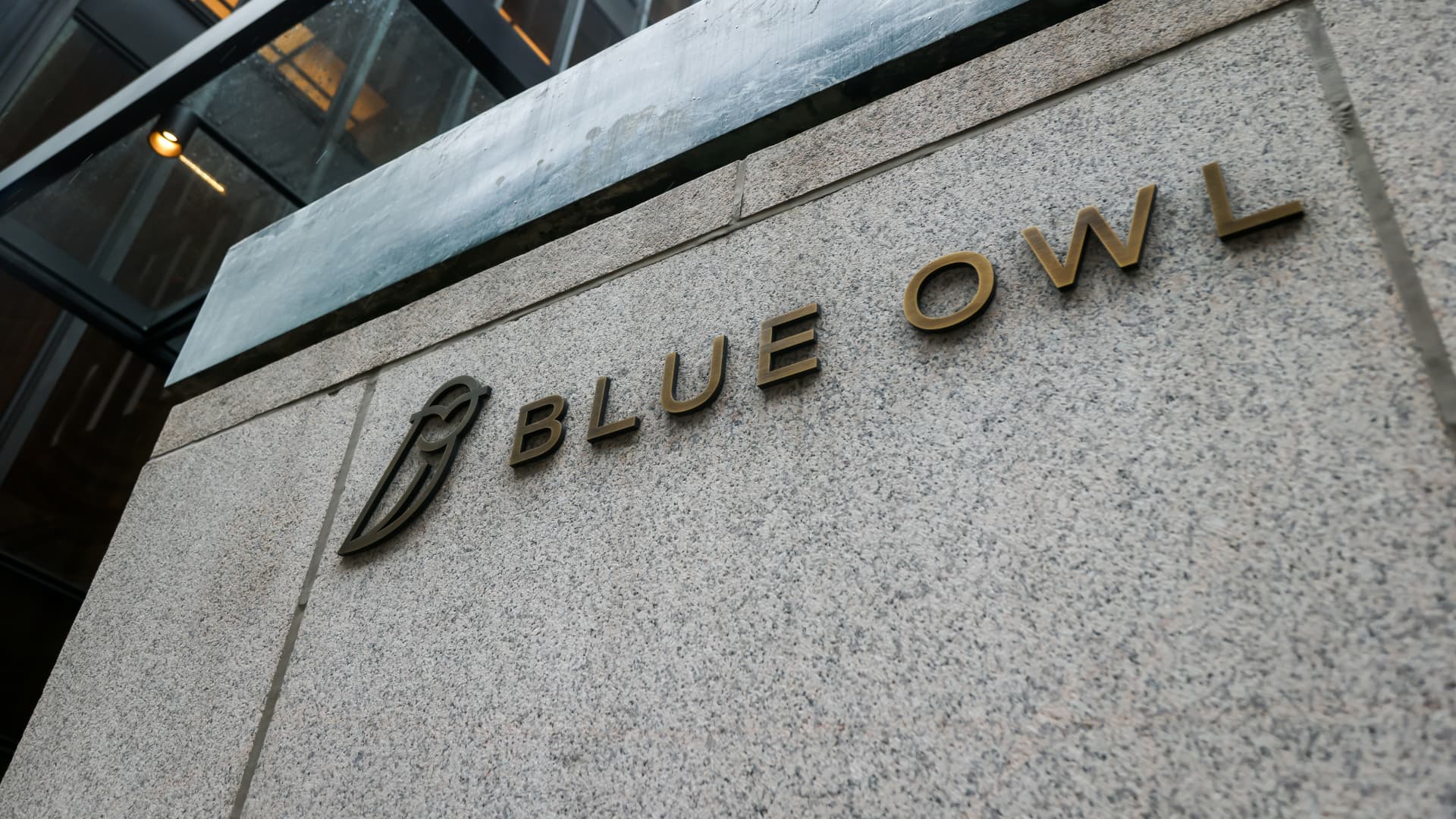
Blue Owl Caps Redemptions at 5% Amid High Requests


- Surge in Redemption Requests: Blue Owl's flagship OCIC fund faced redemption requests of approximately 21.9% during Q1, involving around $36 billion in assets, indicating heightened market concerns regarding AI-related disruptions to software companies, leading to increased liquidity pressure.
- Technology Fund Redemption Dynamics: The OTIC technology-focused fund experienced redemption requests as high as 40.7% in the same period, reflecting a concentrated shareholder base, particularly within certain wealth channels and regions, which exacerbated the redemption pressure.
- Redemption Cap Implementation: In response to the surge in redemption requests, Blue Owl opted to cap redemptions at 5% for both funds, a measure aimed at preserving liquidity and stabilizing investor confidence, while also demonstrating the company's ability to navigate market volatility.
- Market Reaction and Outlook: Despite implementing redemption caps, Blue Owl's shares fell approximately 9% in premarket trading on Thursday, indicating market concerns over its liquidity management, which may impact its competitive position in the private credit market moving forward.
See More

Ares Capital to Report Q1 2026 Earnings on April 28
- Earnings Release Schedule: Ares Capital will announce its first-quarter earnings for the period ending March 31, 2026, on April 28, 2026, prior to the Nasdaq market opening, providing investors with insights into its financial performance and market conditions.
- Conference Call Invitation: The company invites all interested parties to join a webcast/conference call at 12:00 p.m. (Eastern Time) on the same day to discuss the financial results, enhancing transparency and fostering investor relations.
- Participation Details: Participants can join the call by dialing +1 (800) 245-3047 for domestic calls or +1 (203) 518-9765 for international calls, with a recommendation to dial in 10-15 minutes early to facilitate information collection.
- Replay Availability: An archived replay of the call will be accessible approximately one hour after the call concludes, available until May 28, 2026, ensuring that investors who cannot attend live can still access critical information.
See More

Concerns Over Private Credit Market Risks Emerge
- Market Growth: According to Barclays, the private credit market ballooned to $1.8 trillion in the first half of 2025, up from approximately $250 billion during the financial crisis, indicating strong demand for financing among mid-sized businesses.
- High-Risk Alerts: The bankruptcies of First Brands and Tricolor prompted JPMorgan CEO Jamie Dimon to warn of potential systemic issues in private credit, highlighting vulnerabilities within the sector.
- Investor Structure Shift: Unlike the depositors during the 2008 crisis, the current investor base for private credit consists mainly of institutional investors such as pensions and sovereign wealth funds, which are more capable of locking up capital for extended periods, thereby reducing systemic risk.
- Normalizing Credit Conditions: While the private credit market faces increased stress, the majority of investments are in investment-grade loans, with only a small portion in high-yield loans, suggesting that the overall stability of the market remains relatively strong.
See More
Analyzing Ares Capital's High Dividend Risks
- High Dividend Appeal: Ares Capital boasts a 10.6% dividend yield, attracting many investors; however, this comes with significant risks, particularly due to investments in capital-constrained businesses that may lead to unstable returns.
- Loan Rate Context: As of Q4 2025, Ares Capital's average loan rate stood at 10.3%, enabling it to maintain high dividends, yet this also places substantial financial pressure on its clients, potentially impacting future dividend sustainability.
- Non-Accrual Risk: Approximately 1.8% of Ares Capital's loans were in non-accrual status by the end of 2025, indicating that some clients struggle with interest payments, a situation that could worsen during economic downturns and affect the company's overall financial health.
- Recession Impact: Historical data shows that during the 2007-2009 recession, Ares Capital's non-accrual rate surged from 1.2% to 4.4%, highlighting the significant impact of economic fluctuations on its dividends, suggesting potential challenges ahead.
See More
Ares Capital Corporation Achieves 10.8% Dividend Yield Amid Low Market Rates
- Dividend Yield Advantage: Ares Capital Corporation boasts a 10.8% dividend yield, significantly higher than the S&P 500's current historical low of approximately 1.2%, indicating its appeal to income-seeking investors in a low-rate environment.
- BDC Characteristics: As the largest publicly traded Business Development Company (BDC), Ares Capital provides capital to small businesses and is required to distribute at least 90% of its taxable income as dividends, resulting in higher yields despite facing elevated default risks.
- Financial Robustness: Since its inception, Ares Capital has maintained annualized net realized loan losses averaging below 0%, outperforming banks and other BDCs, demonstrating its strong credit management capabilities that support its ability to pay stable dividends.
- Future Outlook: Ares anticipates distributing approximately $1.38 per share of excess taxable income to shareholders in 2026, further bolstering its dividend payment capacity, although economic fluctuations could impact the repayment ability of its portfolio companies, its financial position remains strong.
See More
Ares Capital Maintains Over 10% Dividend Yield
- Stable Dividend Record: Ares Capital has maintained a stable or growing dividend for over 16 years, currently yielding 10.8%, significantly higher than the S&P 500's 1.2%, showcasing its strong competitive edge in dividend payouts.
- Strong Financial Health: With an investment portfolio of approximately $29.4 billion and an annualized net realized loan loss rate below 0%, Ares Capital outperforms other BDCs and banks, indicating robust financial health that supports ongoing dividends.
- Excess Earnings Support: The company reported core earnings of $2.01 per share last year, exceeding its dividend of $1.92 per share, and expects to carry forward about $1.38 per share of excess taxable income for distribution in 2026, further enhancing dividend sustainability.
- Market Risk Consideration: While Ares Capital excels in dividend performance, potential economic downturns could impact the repayment ability of its portfolio companies, necessitating careful risk assessment by investors.
See More
Blue Owl Caps Redemptions at 5% Amid High Requests
- Surge in Redemption Requests: Blue Owl's flagship OCIC fund faced redemption requests of approximately 21.9% during Q1, involving around $36 billion in assets, indicating heightened market concerns regarding AI-related disruptions to software companies, leading to increased liquidity pressure.
- Technology Fund Redemption Dynamics: The OTIC technology-focused fund experienced redemption requests as high as 40.7% in the same period, reflecting a concentrated shareholder base, particularly within certain wealth channels and regions, which exacerbated the redemption pressure.
- Redemption Cap Implementation: In response to the surge in redemption requests, Blue Owl opted to cap redemptions at 5% for both funds, a measure aimed at preserving liquidity and stabilizing investor confidence, while also demonstrating the company's ability to navigate market volatility.
- Market Reaction and Outlook: Despite implementing redemption caps, Blue Owl's shares fell approximately 9% in premarket trading on Thursday, indicating market concerns over its liquidity management, which may impact its competitive position in the private credit market moving forward.
See More
Ares Capital to Report Q1 2026 Earnings on April 28
- Earnings Release Schedule: Ares Capital will announce its first-quarter earnings for the period ending March 31, 2026, on April 28, 2026, prior to the Nasdaq market opening, providing investors with insights into its financial performance and market conditions.
- Conference Call Invitation: The company invites all interested parties to join a webcast/conference call at 12:00 p.m. (Eastern Time) on the same day to discuss the financial results, enhancing transparency and fostering investor relations.
- Participation Details: Participants can join the call by dialing +1 (800) 245-3047 for domestic calls or +1 (203) 518-9765 for international calls, with a recommendation to dial in 10-15 minutes early to facilitate information collection.
- Replay Availability: An archived replay of the call will be accessible approximately one hour after the call concludes, available until May 28, 2026, ensuring that investors who cannot attend live can still access critical information.
See More
Concerns Over Private Credit Market Risks Emerge
- Market Growth: According to Barclays, the private credit market ballooned to $1.8 trillion in the first half of 2025, up from approximately $250 billion during the financial crisis, indicating strong demand for financing among mid-sized businesses.
- High-Risk Alerts: The bankruptcies of First Brands and Tricolor prompted JPMorgan CEO Jamie Dimon to warn of potential systemic issues in private credit, highlighting vulnerabilities within the sector.
- Investor Structure Shift: Unlike the depositors during the 2008 crisis, the current investor base for private credit consists mainly of institutional investors such as pensions and sovereign wealth funds, which are more capable of locking up capital for extended periods, thereby reducing systemic risk.
- Normalizing Credit Conditions: While the private credit market faces increased stress, the majority of investments are in investment-grade loans, with only a small portion in high-yield loans, suggesting that the overall stability of the market remains relatively strong.
See More