Archer Aviation's Progress and Challenges in Flying Cars
Written by Emily J. Thompson, Senior Investment Analyst
Updated: 1 hour ago
0mins
Source: Fool
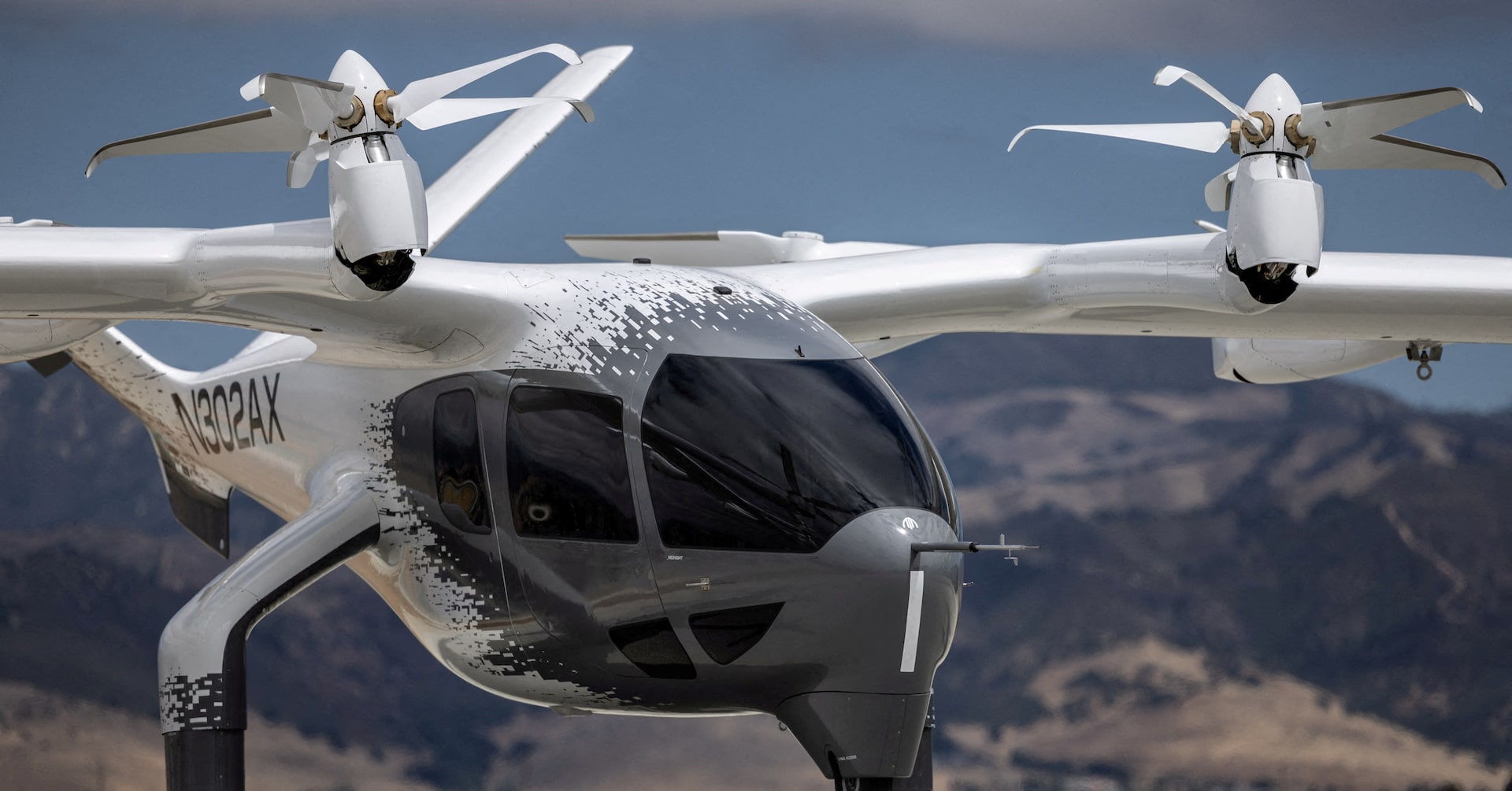
- Flying Car Ambitions: Archer Aviation's Midnight eVTOL aircraft aims to fly at speeds nearing 150 miles per hour above city streets, yet it has yet to complete a piloted transition flight, indicating its technology is still in early development.
- Poor Market Performance: Archer's stock is currently trading nearly 50% below its initial listing price, reflecting market concerns about its future profitability, as the company has not generated significant revenue and faces substantial financial pressures.
- Tight Financial Situation: Although Archer has approximately $1.8 billion in cash and investments, its multi-million dollar quarterly cash burn suggests it may require fresh capital within the next two to three years to sustain operations.
- FAA Certification Challenges: Archer has completed Phase 3 of the FAA's four-phase certification process, becoming the first eVTOL company to do so, but it still faces significant hurdles to obtain final certification and is lagging behind Joby Aviation, which is in a more advanced testing stage.
Trade with 70% Backtested Accuracy
Stop guessing "Should I Buy ACHR?" and start using high-conviction signals backed by rigorous historical data.
Sign up today to access powerful investing tools and make smarter, data-driven decisions.
Analyst Views on ACHR
Wall Street analysts forecast ACHR stock price to rise
6 Analyst Rating
4 Buy
2 Hold
0 Sell
Moderate Buy
Current: 5.360

Low
8.00
Averages
12.40
High
18.00
Current: 5.360
Low
8.00
Averages
12.40
High
18.00
About ACHR
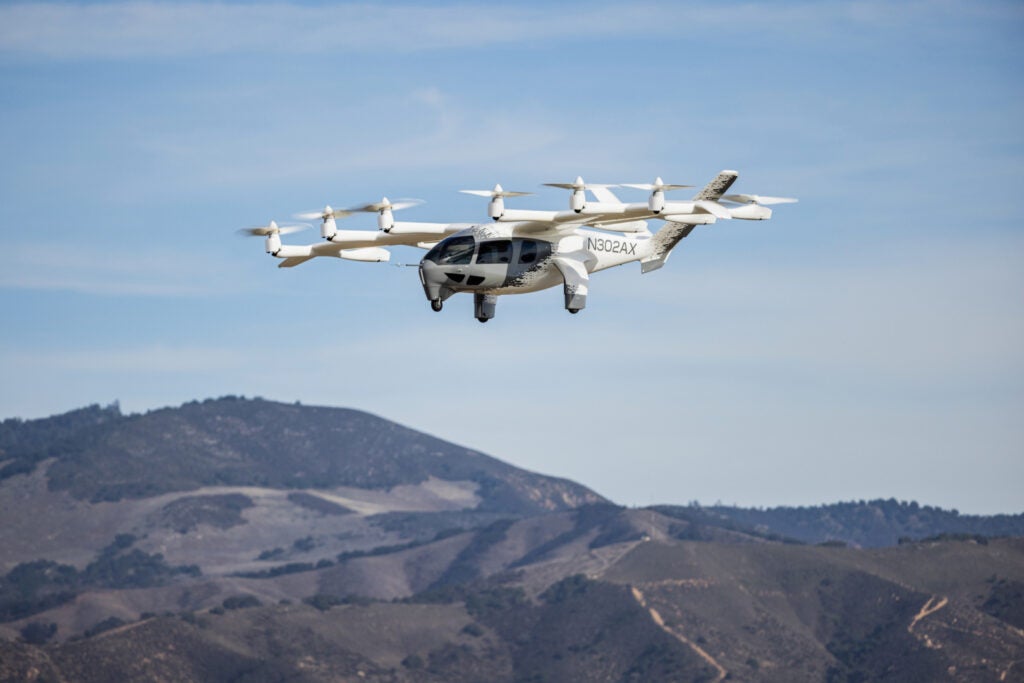
Archer Aviation Inc. is an aerospace company. It is engaged in providing customers with advanced aircraft and related technologies and services in the United States and internationally in both the commercial and defense sectors. Its commercial line of business consists of the sale of its commercial aircraft (Archer Direct), such as Midnight, to aircraft operators as well as technologies and services related thereto, including commercial launch (certification, testing, training, demonstration, market survey and early trial operations), and maintenance and repair. Its defense line of business consists of the sale of aircraft and related technologies for defense applications. Its initial product is intended to be a hybrid-propulsion, vertical take-off and landing (VTOL) aircraft. Its Midnight aircraft is designed around its proprietary 12-tilt-6 distributed electric propulsion platform. It carries four passengers plus a pilot. The aircraft is purpose-built for air taxi operations.
About the author

Emily J. Thompson
Emily J. Thompson, a Chartered Financial Analyst (CFA) with 12 years in investment research, graduated with honors from the Wharton School. Specializing in industrial and technology stocks, she provides in-depth analysis for Intellectia’s earnings and market brief reports.

Archer Aviation's Progress and Challenges in Flying Cars

- Flying Car Ambitions: Archer Aviation's Midnight eVTOL aircraft aims to fly at speeds nearing 150 miles per hour above city streets, yet it has yet to complete a piloted transition flight, indicating its technology is still in early development.
- Poor Market Performance: Archer's stock is currently trading nearly 50% below its initial listing price, reflecting market concerns about its future profitability, as the company has not generated significant revenue and faces substantial financial pressures.
- Tight Financial Situation: Although Archer has approximately $1.8 billion in cash and investments, its multi-million dollar quarterly cash burn suggests it may require fresh capital within the next two to three years to sustain operations.
- FAA Certification Challenges: Archer has completed Phase 3 of the FAA's four-phase certification process, becoming the first eVTOL company to do so, but it still faces significant hurdles to obtain final certification and is lagging behind Joby Aviation, which is in a more advanced testing stage.
See More
Joby and Archer's Legal Dispute Escalates

- Escalating Legal Dispute: Joby has filed a lawsuit against Archer, alleging that former employee Kivork stole trade secrets and disclosed confidential information about strategic partners, highlighting the fierce competition between the two companies for FAA commercial approval.
- Court Ruling Impact: A Northern California judge dismissed several claims from Joby but allowed the misappropriation of confidential information against Archer to proceed, indicating that Joby still has a chance in the legal battle, which could affect its stock performance.
- Counterclaims and Rebuttals: Archer's counterclaims involve fraud and import misclassification, which were dismissed by the judge, yet Archer has the opportunity to refile by June 29, potentially impacting investor confidence in its future.
- Importance of FAA Approval: Despite the ongoing legal disputes, investors should focus on both companies' progress toward obtaining FAA commercial approval, as failure to secure this approval would have a far greater impact on stock prices than the legal issues at hand.
See More

Joby and Archer Lawsuits Progress in California Court
- Lawsuit Developments: Joby Aviation and Archer Aviation have filed lawsuits against each other in California district court, with some of Joby's claims allowed to proceed while all of Archer's counterclaims were dismissed, highlighting the fierce competition in the electric vertical takeoff and landing (eVTOL) market.
- Core Allegations: Joby alleges that Archer and former employee Kivork stole trade secrets and disclosed confidential information regarding an exclusive agreement with a real estate developer, and while some claims were dismissed, the core allegations can still move forward, which is crucial for Joby's case.
- Counterclaim Dismissal: Archer's counterclaims against Joby, particularly those related to fraud and import misclassification, were dismissed due to insufficient evidence, providing Joby with a temporary legal victory, although both companies can refile amended claims in the future.
- Market Impact: While the legal disputes may have limited immediate effects on stock prices, investors should focus on the companies' progress toward obtaining FAA commercial approval, as failure to secure this approval could significantly impact their share prices.
See More
Investment Choice Between Electric Aviation and Defense Manufacturing

- Archer Aviation's Market Potential: Archer Aviation focuses on electric vertical takeoff and landing aircraft, expecting to generate $300,000 in revenue for FY 2025, despite a net loss of $618.2 million, highlighting the high-risk, high-reward potential in the urban air mobility market.
- Karman's Financial Stability: Karman achieved $471.5 million in revenue for FY 2025, a 36.6% increase year-over-year, reporting a net income of $17.4 million with a net margin of 3.7%, indicating its stability and profitability in the defense sector.
- Risk Profile Comparison: Archer Aviation faces stringent FAA certification requirements and will likely need to raise more capital to address ongoing losses, while Karman relies on a few major customers, exposing it to revenue concentration risks and uncertainties in government contracts.
- Valuation Comparison: Archer Aviation has a forward P/E ratio of 58.1, indicating future growth potential, while Karman's P/E ratio stands at 84.4; despite strong revenue growth, its stock price is near a 52-week low, potentially offering a buying opportunity for investors.
See More
Investment Choice Between Electric Air Taxis and Defense Manufacturer
- Archer Aviation's Market Potential: Archer focuses on electric vertical takeoff and landing aircraft, planning to launch air taxi services in the U.S. and UAE, yet its FY 2025 revenue was only $300,000 with a net loss of $618.2 million, indicating high risk and uncertainty in its business model.
- Karman's Steady Performance: Karman achieved $471.5 million in revenue for FY 2025, a 36.6% increase year-over-year, with a net income of $17.4 million and a net margin of 3.7%, reflecting its stable growth and profitability in the defense sector.
- Customer Concentration Risks: Archer's $1.5 billion conditional purchase agreement with United Airlines makes its future revenue highly dependent on a single customer, while Karman's three largest customers account for 51.5% of its total revenue, exposing both to customer concentration risks.
- Market Competition and Investment Outlook: Archer faces competition from other eVTOL developers and must obtain FAA certification to operate, while Karman must navigate intense competition from larger firms like Lockheed Martin; despite Karman's stock being near a 52-week low, it is viewed as the better investment choice for 2026.
See More
Archer Aviation Stock Soars Amid Market Optimism
- Significant Stock Surge: Archer Aviation's stock rose by 9.8% on Monday, reaching $5.53 per share, despite being down 26% for 2026, indicating market optimism about its future prospects.
- Overall Market Recovery: The broader market rallied, with the S&P 500 up 1.9% and the Nasdaq Composite up 3.1%, driven by news of a preliminary agreement between the U.S. and Iran to end the war.
- Improved Inflation Outlook: The end of the conflict alleviates investor concerns about inflation, making it less likely for the Federal Reserve to raise interest rates, thus creating a favorable environment for growth stocks like Archer Aviation.
- Future Risk Considerations: Despite the market's optimism, investors should remain cautious about potential tensions between the U.S. and Iran, as any deterioration could exert strong bearish pressure on the market.
See More
Archer Aviation's Progress and Challenges in Flying Cars
- Flying Car Ambitions: Archer Aviation's Midnight eVTOL aircraft aims to fly at speeds nearing 150 miles per hour above city streets, yet it has yet to complete a piloted transition flight, indicating its technology is still in early development.
- Poor Market Performance: Archer's stock is currently trading nearly 50% below its initial listing price, reflecting market concerns about its future profitability, as the company has not generated significant revenue and faces substantial financial pressures.
- Tight Financial Situation: Although Archer has approximately $1.8 billion in cash and investments, its multi-million dollar quarterly cash burn suggests it may require fresh capital within the next two to three years to sustain operations.
- FAA Certification Challenges: Archer has completed Phase 3 of the FAA's four-phase certification process, becoming the first eVTOL company to do so, but it still faces significant hurdles to obtain final certification and is lagging behind Joby Aviation, which is in a more advanced testing stage.
See More
Joby and Archer's Legal Dispute Escalates
- Escalating Legal Dispute: Joby has filed a lawsuit against Archer, alleging that former employee Kivork stole trade secrets and disclosed confidential information about strategic partners, highlighting the fierce competition between the two companies for FAA commercial approval.
- Court Ruling Impact: A Northern California judge dismissed several claims from Joby but allowed the misappropriation of confidential information against Archer to proceed, indicating that Joby still has a chance in the legal battle, which could affect its stock performance.
- Counterclaims and Rebuttals: Archer's counterclaims involve fraud and import misclassification, which were dismissed by the judge, yet Archer has the opportunity to refile by June 29, potentially impacting investor confidence in its future.
- Importance of FAA Approval: Despite the ongoing legal disputes, investors should focus on both companies' progress toward obtaining FAA commercial approval, as failure to secure this approval would have a far greater impact on stock prices than the legal issues at hand.
See More
Joby and Archer Lawsuits Progress in California Court
- Lawsuit Developments: Joby Aviation and Archer Aviation have filed lawsuits against each other in California district court, with some of Joby's claims allowed to proceed while all of Archer's counterclaims were dismissed, highlighting the fierce competition in the electric vertical takeoff and landing (eVTOL) market.
- Core Allegations: Joby alleges that Archer and former employee Kivork stole trade secrets and disclosed confidential information regarding an exclusive agreement with a real estate developer, and while some claims were dismissed, the core allegations can still move forward, which is crucial for Joby's case.
- Counterclaim Dismissal: Archer's counterclaims against Joby, particularly those related to fraud and import misclassification, were dismissed due to insufficient evidence, providing Joby with a temporary legal victory, although both companies can refile amended claims in the future.
- Market Impact: While the legal disputes may have limited immediate effects on stock prices, investors should focus on the companies' progress toward obtaining FAA commercial approval, as failure to secure this approval could significantly impact their share prices.
See More
Investment Choice Between Electric Aviation and Defense Manufacturing
- Archer Aviation's Market Potential: Archer Aviation focuses on electric vertical takeoff and landing aircraft, expecting to generate $300,000 in revenue for FY 2025, despite a net loss of $618.2 million, highlighting the high-risk, high-reward potential in the urban air mobility market.
- Karman's Financial Stability: Karman achieved $471.5 million in revenue for FY 2025, a 36.6% increase year-over-year, reporting a net income of $17.4 million with a net margin of 3.7%, indicating its stability and profitability in the defense sector.
- Risk Profile Comparison: Archer Aviation faces stringent FAA certification requirements and will likely need to raise more capital to address ongoing losses, while Karman relies on a few major customers, exposing it to revenue concentration risks and uncertainties in government contracts.
- Valuation Comparison: Archer Aviation has a forward P/E ratio of 58.1, indicating future growth potential, while Karman's P/E ratio stands at 84.4; despite strong revenue growth, its stock price is near a 52-week low, potentially offering a buying opportunity for investors.
See More
Investment Choice Between Electric Air Taxis and Defense Manufacturer
- Archer Aviation's Market Potential: Archer focuses on electric vertical takeoff and landing aircraft, planning to launch air taxi services in the U.S. and UAE, yet its FY 2025 revenue was only $300,000 with a net loss of $618.2 million, indicating high risk and uncertainty in its business model.
- Karman's Steady Performance: Karman achieved $471.5 million in revenue for FY 2025, a 36.6% increase year-over-year, with a net income of $17.4 million and a net margin of 3.7%, reflecting its stable growth and profitability in the defense sector.
- Customer Concentration Risks: Archer's $1.5 billion conditional purchase agreement with United Airlines makes its future revenue highly dependent on a single customer, while Karman's three largest customers account for 51.5% of its total revenue, exposing both to customer concentration risks.
- Market Competition and Investment Outlook: Archer faces competition from other eVTOL developers and must obtain FAA certification to operate, while Karman must navigate intense competition from larger firms like Lockheed Martin; despite Karman's stock being near a 52-week low, it is viewed as the better investment choice for 2026.
See More
Archer Aviation Stock Soars Amid Market Optimism
- Significant Stock Surge: Archer Aviation's stock rose by 9.8% on Monday, reaching $5.53 per share, despite being down 26% for 2026, indicating market optimism about its future prospects.
- Overall Market Recovery: The broader market rallied, with the S&P 500 up 1.9% and the Nasdaq Composite up 3.1%, driven by news of a preliminary agreement between the U.S. and Iran to end the war.
- Improved Inflation Outlook: The end of the conflict alleviates investor concerns about inflation, making it less likely for the Federal Reserve to raise interest rates, thus creating a favorable environment for growth stocks like Archer Aviation.
- Future Risk Considerations: Despite the market's optimism, investors should remain cautious about potential tensions between the U.S. and Iran, as any deterioration could exert strong bearish pressure on the market.
See More