Apple's VP of Fitness Technologies Jay Blahnik Retires Amid Controversies
Written by Emily J. Thompson, Senior Investment Analyst
Updated: Apr 01 2026
0mins
Source: stocktwits
- Executive Retirement: Apple confirmed that VP Jay Blahnik will retire in July 2023 after nearly 13 years, marking the end of a tenure that significantly impacted the company's fitness technology expansion, albeit marred by controversies.
- Contribution to Fitness Tech: Since joining Apple in 2013, Blahnik played a pivotal role in developing the Apple Watch's fitness features and launched the Fitness+ subscription service, which offers various workout videos and audio classes, enhancing Apple's market position in fitness.
- Workplace Culture Controversies: Blahnik faced criticism for fostering a toxic work environment, with over 10 team members seeking extended mental health or medical leaves since 2022, highlighting the negative impact of his management style on employee well-being.
- Market Reaction: While retail sentiment around Apple (AAPL) remains 'extremely bullish', the company's shares have declined by 6% so far in 2026, indicating market concerns regarding the executive's departure and associated controversies.
Trade with 70% Backtested Accuracy
Stop guessing "Should I Buy AAPL?" and start using high-conviction signals backed by rigorous historical data.
Sign up today to access powerful investing tools and make smarter, data-driven decisions.
Analyst Views on AAPL
Wall Street analysts forecast AAPL stock price to fall
27 Analyst Rating
17 Buy
9 Hold
1 Sell
Moderate Buy
Current: 312.060

Low
239.00
Averages
306.89
High
350.00
Current: 312.060
Low
239.00
Averages
306.89
High
350.00
About AAPL
Apple Inc. designs, manufactures and markets smartphones, personal computers, tablets, wearables and accessories, and sells a variety of related services. Its product categories include iPhone, Mac, iPad, Wearables, Home and Accessories. Its services include advertising, AppleCare, cloud services, digital content, and payment services. The Company operates various platforms, including the App Store, that allow customers to discover and download applications and digital content, such as books, music, video, games and podcasts. It also offers digital content through subscription-based services, including Apple Arcade, Apple Fitness+, Apple Music, Apple News+, and Apple TV+. Its wearables include smartwatches, wireless headphones, and spatial computers. Its products include iPhone 16 Pro, iPhone 16, iPhone 15, iPhone 14, iPhone SE, MacBook Air, MacBook Pro, iMac, Mac mini, Mac Studio, Mac Pro, iPad Pro, iPad Air, AirPods, AirPods Pro, AirPods Max, Apple TV, Apple Vision Pro and others.
About the author

Emily J. Thompson
Emily J. Thompson, a Chartered Financial Analyst (CFA) with 12 years in investment research, graduated with honors from the Wharton School. Specializing in industrial and technology stocks, she provides in-depth analysis for Intellectia’s earnings and market brief reports.

Oura's IPO Potential Surpasses SpaceX

- IPO Filing Announcement: Oura submitted a confidential IPO filing to the SEC on May 21, 2026, and while its market cap is only a fraction of SpaceX's, its potential for growth in the health tech sector is significant, highlighting its competitive strength.
- Sales Growth Expectations: CEO Tom Hale revealed that Oura is on track to generate around $1 billion in sales for 2025, doubling the previous year's total, with projections nearing $2 billion in 2026, indicating successful international market expansion strategies.
- Profitability Model Advantage: Oura's hardware-plus-subscription revenue model, with smart rings priced between $349 and $499 and subscription fees at $5.99 per month or $69.99 annually, provides a stronger profitability framework compared to capital-intensive competitors.
- Market Competition Challenges: Despite Oura's strong performance in health monitoring, it faces fierce competition from companies like Samsung and Apple, especially as Apple has filed patents for smart ring technology, which could threaten Oura's market share.
See More

Apple to Introduce Bill-Splitting Feature in Apple Cash Update
- Feature Launch: Apple plans to introduce a bill-splitting feature in the upcoming iOS 27 update, allowing users to photograph receipts and allocate items, which is expected to enhance user experience and strengthen Apple Cash's market competitiveness.
- Siri Upgrade Anticipation: The update will also include a revamped version of Siri, with Citi Research highlighting it as a key attraction at the Worldwide Developer Conference, potentially drawing more users into Apple's ecosystem.
- AI-Driven Hardware Demand: Citi analysts noted that the rise of edge AI has led to strong demand for Apple's Mac Mini, indicating that AI use cases are driving hardware demand growth, further solidifying Apple's market position.
- Expanded Service Opportunities: As agentic AI capabilities mature, Apple is poised to monetize through higher-value software layers, developer tools, and embedded AI services, showcasing its significant potential in the services sector.
See More
Berkshire Deepens AI Investment with $10 Billion in Alphabet


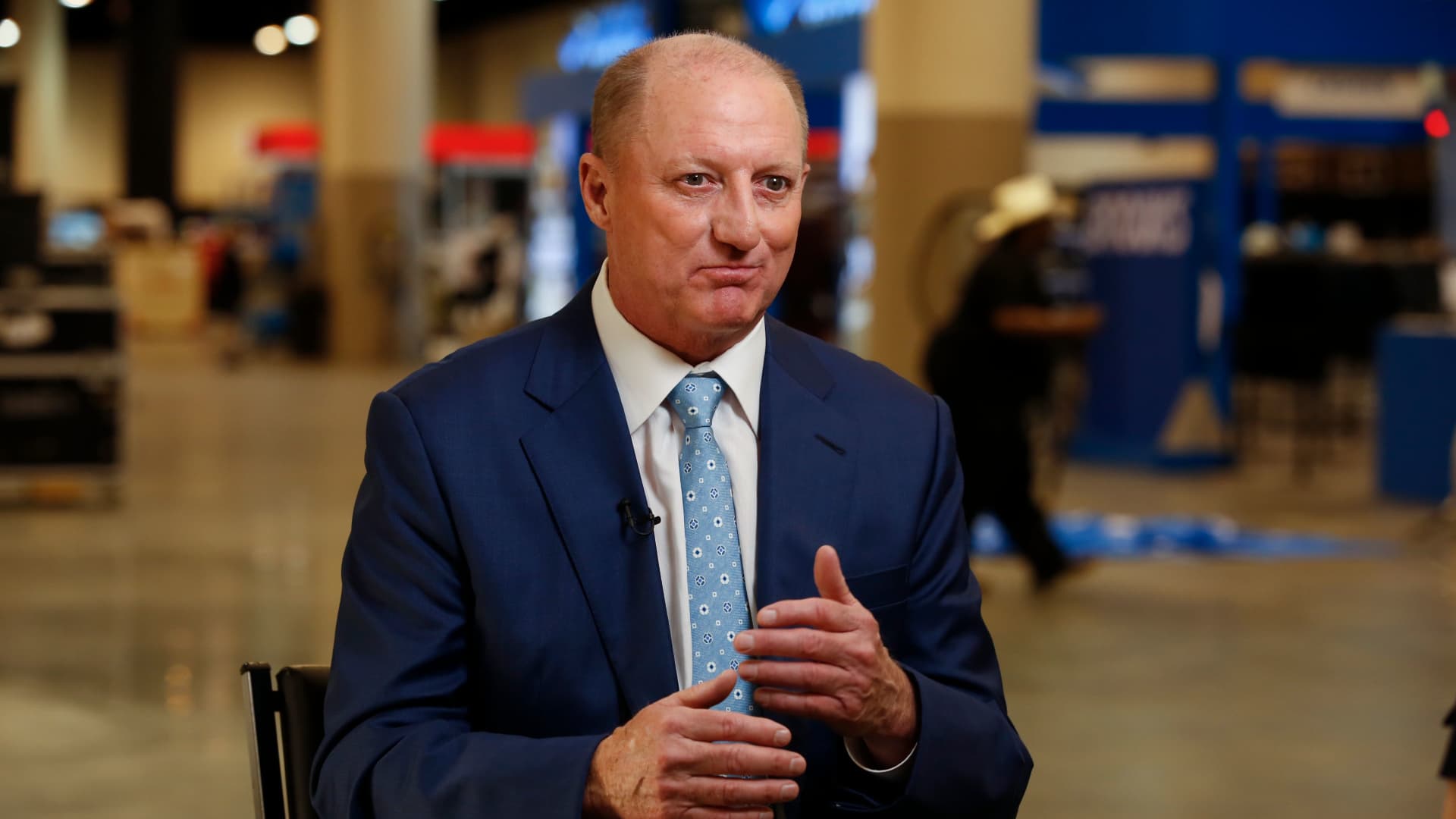
- Investment Expansion: Berkshire Hathaway is investing an additional $10 billion in Alphabet through a private stock purchase, acquiring $5 billion of Class A shares at $351.81 each and $5 billion of Class C shares at $348.20, reflecting strong confidence in Alphabet's AI capabilities.
- Strategic Shift: This transaction marks a significant increase in Berkshire's investment in Alphabet over the past three quarters, indicating CEO Greg Abel's willingness to allocate substantial funds to tech companies as the conglomerate seeks new investment avenues for its nearly $400 billion cash reserve.
- Positive Market Response: Alphabet plans to use the proceeds from its broader $80 billion stock sale to expand its AI infrastructure and global computing capacity, addressing unprecedented customer demand and solidifying its leadership in the AI sector.
- Frequent M&A Activity: Just a day prior to this deal, Berkshire agreed to acquire homebuilder Taylor Morrison Home for $6.8 billion in cash, showcasing its proactive approach to diversification in investments.
See More

Alphabet Plans to Sell $80 Billion in Stock to Fund AI Infrastructure

- Massive Financing Plan: Alphabet announced plans to sell $80 billion in stock, including a $10 billion investment from Berkshire Hathaway, aimed at funding its world-class AI compute infrastructure to meet unprecedented customer demand.
- Increased Capital Expenditure: Google has raised its capital expenditure forecast for 2023 to between $180 billion and $190 billion, up from a previous estimate of $175 billion to $185 billion, reflecting the company's strong commitment to investing in AI.
- Intensifying Market Competition: Alphabet, Microsoft, Meta, and Amazon are expected to collectively invest over $700 billion in capital expenditures this year, with analysts predicting total AI capex could exceed $1 trillion by 2027, indicating escalating competition in the sector.
- Strong Stock Performance: Alphabet's stock has more than doubled in the past year, outperforming all major peers, as investors applaud its AI investments and the returns from its Gemini upgrades, although the stock slipped in after-hours trading on Monday.
See More
Micron Technology Surpasses $1 Trillion Valuation

- Milestone Valuation: Micron Technology's market cap skyrocketed from approximately $105 billion to $1 trillion in just one year, demonstrating its robust growth potential in the semiconductor industry, particularly amid surging AI demand.
- Demand-Driven Growth: The insatiable demand for computing power, especially from GPUs and custom AI chips consuming DRAM, has significantly driven up product prices over the past year, resulting in rapid revenue and earnings growth for Micron.
- Persistent Capacity Shortage: During its latest earnings call, Micron indicated it could only meet 50% to 66% of production demand in the medium term, suggesting that the shortage of memory chips will persist, further solidifying its market position.
- Optimistic Market Outlook: Micron projects that the total addressable market for its high-bandwidth memory will expand from $35 billion in 2025 to $100 billion by 2028, and with ongoing demand growth, the stock is poised for further upside in the coming years.
See More

Investors Must Approach AI Hype with Caution

- Historical Lessons: Investors in the late 1990s recognized future potential, yet while Amazon and Apple succeeded, many like Pets.com and Webvan failed, highlighting the importance of valuation.
- Current AI Investment Landscape: Companies like Nvidia, Microsoft, and Alphabet are integrating AI into real products, but not all AI stocks are buy opportunities at current prices, necessitating careful valuation assessments by investors.
- Value of Patience: History shows that waiting for better entry points does not equate to missing out; many investors who remained patient during past bubbles ultimately found better investment opportunities.
- Technology vs. Valuation: Even with strong confidence in AI technology, investors must recognize that technological success does not guarantee stock success, as price and timing are equally critical.
See More
Oura's IPO Potential Surpasses SpaceX
- IPO Filing Announcement: Oura submitted a confidential IPO filing to the SEC on May 21, 2026, and while its market cap is only a fraction of SpaceX's, its potential for growth in the health tech sector is significant, highlighting its competitive strength.
- Sales Growth Expectations: CEO Tom Hale revealed that Oura is on track to generate around $1 billion in sales for 2025, doubling the previous year's total, with projections nearing $2 billion in 2026, indicating successful international market expansion strategies.
- Profitability Model Advantage: Oura's hardware-plus-subscription revenue model, with smart rings priced between $349 and $499 and subscription fees at $5.99 per month or $69.99 annually, provides a stronger profitability framework compared to capital-intensive competitors.
- Market Competition Challenges: Despite Oura's strong performance in health monitoring, it faces fierce competition from companies like Samsung and Apple, especially as Apple has filed patents for smart ring technology, which could threaten Oura's market share.
See More
Apple to Introduce Bill-Splitting Feature in Apple Cash Update
- Feature Launch: Apple plans to introduce a bill-splitting feature in the upcoming iOS 27 update, allowing users to photograph receipts and allocate items, which is expected to enhance user experience and strengthen Apple Cash's market competitiveness.
- Siri Upgrade Anticipation: The update will also include a revamped version of Siri, with Citi Research highlighting it as a key attraction at the Worldwide Developer Conference, potentially drawing more users into Apple's ecosystem.
- AI-Driven Hardware Demand: Citi analysts noted that the rise of edge AI has led to strong demand for Apple's Mac Mini, indicating that AI use cases are driving hardware demand growth, further solidifying Apple's market position.
- Expanded Service Opportunities: As agentic AI capabilities mature, Apple is poised to monetize through higher-value software layers, developer tools, and embedded AI services, showcasing its significant potential in the services sector.
See More
Berkshire Deepens AI Investment with $10 Billion in Alphabet
- Investment Expansion: Berkshire Hathaway is investing an additional $10 billion in Alphabet through a private stock purchase, acquiring $5 billion of Class A shares at $351.81 each and $5 billion of Class C shares at $348.20, reflecting strong confidence in Alphabet's AI capabilities.
- Strategic Shift: This transaction marks a significant increase in Berkshire's investment in Alphabet over the past three quarters, indicating CEO Greg Abel's willingness to allocate substantial funds to tech companies as the conglomerate seeks new investment avenues for its nearly $400 billion cash reserve.
- Positive Market Response: Alphabet plans to use the proceeds from its broader $80 billion stock sale to expand its AI infrastructure and global computing capacity, addressing unprecedented customer demand and solidifying its leadership in the AI sector.
- Frequent M&A Activity: Just a day prior to this deal, Berkshire agreed to acquire homebuilder Taylor Morrison Home for $6.8 billion in cash, showcasing its proactive approach to diversification in investments.
See More
Alphabet Plans to Sell $80 Billion in Stock to Fund AI Infrastructure
- Massive Financing Plan: Alphabet announced plans to sell $80 billion in stock, including a $10 billion investment from Berkshire Hathaway, aimed at funding its world-class AI compute infrastructure to meet unprecedented customer demand.
- Increased Capital Expenditure: Google has raised its capital expenditure forecast for 2023 to between $180 billion and $190 billion, up from a previous estimate of $175 billion to $185 billion, reflecting the company's strong commitment to investing in AI.
- Intensifying Market Competition: Alphabet, Microsoft, Meta, and Amazon are expected to collectively invest over $700 billion in capital expenditures this year, with analysts predicting total AI capex could exceed $1 trillion by 2027, indicating escalating competition in the sector.
- Strong Stock Performance: Alphabet's stock has more than doubled in the past year, outperforming all major peers, as investors applaud its AI investments and the returns from its Gemini upgrades, although the stock slipped in after-hours trading on Monday.
See More
Micron Technology Surpasses $1 Trillion Valuation
- Milestone Valuation: Micron Technology's market cap skyrocketed from approximately $105 billion to $1 trillion in just one year, demonstrating its robust growth potential in the semiconductor industry, particularly amid surging AI demand.
- Demand-Driven Growth: The insatiable demand for computing power, especially from GPUs and custom AI chips consuming DRAM, has significantly driven up product prices over the past year, resulting in rapid revenue and earnings growth for Micron.
- Persistent Capacity Shortage: During its latest earnings call, Micron indicated it could only meet 50% to 66% of production demand in the medium term, suggesting that the shortage of memory chips will persist, further solidifying its market position.
- Optimistic Market Outlook: Micron projects that the total addressable market for its high-bandwidth memory will expand from $35 billion in 2025 to $100 billion by 2028, and with ongoing demand growth, the stock is poised for further upside in the coming years.
See More
Investors Must Approach AI Hype with Caution
- Historical Lessons: Investors in the late 1990s recognized future potential, yet while Amazon and Apple succeeded, many like Pets.com and Webvan failed, highlighting the importance of valuation.
- Current AI Investment Landscape: Companies like Nvidia, Microsoft, and Alphabet are integrating AI into real products, but not all AI stocks are buy opportunities at current prices, necessitating careful valuation assessments by investors.
- Value of Patience: History shows that waiting for better entry points does not equate to missing out; many investors who remained patient during past bubbles ultimately found better investment opportunities.
- Technology vs. Valuation: Even with strong confidence in AI technology, investors must recognize that technological success does not guarantee stock success, as price and timing are equally critical.
See More