Apple's Unique Strategy in AI Investments
Written by Emily J. Thompson, Senior Investment Analyst
Updated: Feb 21 2026
0mins
Should l Buy AAPL?
Source: seekingalpha
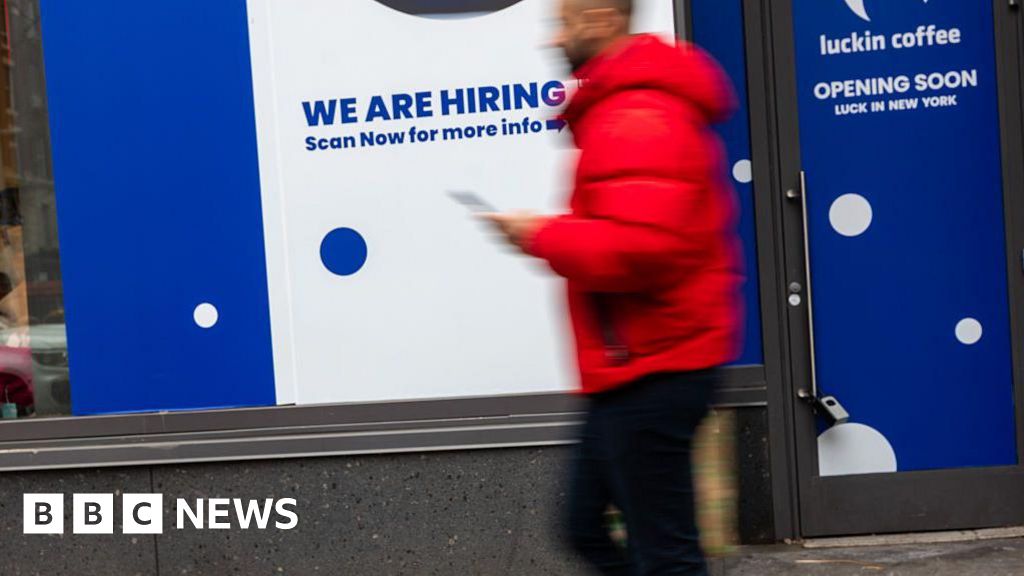
- Capex Strategy: Apple reduced its capital expenditures by 20% last year, opting for a billion-dollar partnership with Google instead of building its own AI infrastructure, which allows the company to maintain flexibility and lower financial risks in capital-intensive technology development.
- Market Refuge: Analysts suggest that if AI investments turn out to be a bubble, Apple could emerge as the strongest refuge in the market, attracting investors back and demonstrating resilience and appeal in uncertain market conditions.
- CEO's Decision: Apple CEO Tim Cook's choice to abstain from the AI race and focus on stock buybacks with a 3% shareholder yield may reflect a cautious stance towards market trends, although it has raised questions from analysts about the company's strategic direction.
- Valuation Concerns: Despite admiration for Apple's products and business model, analysts express concerns about the stock's valuation, leading them to refrain from holding the stock currently, which could impact investor confidence and market performance.
Trade with 70% Backtested Accuracy
Stop guessing "Should I Buy AAPL?" and start using high-conviction signals backed by rigorous historical data.
Sign up today to access powerful investing tools and make smarter, data-driven decisions.
Analyst Views on AAPL
Wall Street analysts forecast AAPL stock price to rise
27 Analyst Rating
17 Buy
9 Hold
1 Sell
Moderate Buy
Current: 255.630

Low
239.00
Averages
306.89
High
350.00
Current: 255.630
Low
239.00
Averages
306.89
High
350.00
About AAPL
Apple Inc. designs, manufactures and markets smartphones, personal computers, tablets, wearables and accessories, and sells a variety of related services. Its product categories include iPhone, Mac, iPad, and Wearables, Home and Accessories. Its software platforms include iOS, iPadOS, macOS, watchOS, visionOS, and tvOS. Its services include advertising, AppleCare, cloud services, digital content and payment services. The Company operates various platforms, including the App Store, that allow customers to discover and download applications and digital content, such as books, music, video, games and podcasts. It also offers digital content through subscription-based services, including Apple Arcade, Apple Fitness+, Apple Music, Apple News+, and Apple TV+. Its products include iPhone 16 Pro, iPhone 16, iPhone 15, iPhone 14, iPhone SE, MacBook Air, MacBook Pro, iMac, Mac mini, Mac Studio, Mac Pro, iPad Pro, iPad Air, AirPods, AirPods Pro, AirPods Max, Apple TV, Apple Vision Pro and others.
About the author

Emily J. Thompson
Emily J. Thompson, a Chartered Financial Analyst (CFA) with 12 years in investment research, graduated with honors from the Wharton School. Specializing in industrial and technology stocks, she provides in-depth analysis for Intellectia’s earnings and market brief reports.

Apple Celebrates 50 Years: A Journey of Technological Transformation

- Historic Milestone: Apple officially turns 50 today, evolving from a garage startup in 1976 to a tech giant with a market capitalization of $3.75 trillion, making it the second-largest company globally, just behind Nvidia.
- Revenue Growth: In fiscal year 2025, Apple reported record revenue of $416 billion, surpassing the GDP of 176 countries, showcasing its strong influence and sustained growth potential in the global market.
- Product Ecosystem: With 27% of the world's population using its products, Apple boasts the largest user base of any brand, and CEO Tim Cook emphasizes the company's commitment to innovation and user privacy as key drivers for future growth.
- Market Resilience: Despite facing competition and market challenges, Apple's iPhone revenue surged by 23% in Q1 of fiscal 2026, while the recent launch of the MacBook Neo attracted a significant number of first-time buyers, demonstrating its strong market adaptability and brand appeal.
See More
Roku Faces Competitive Pressure and Valuation Risks


- Financial Recovery: Roku's total revenue for Q4 2025 increased by 16% year-over-year to $1.39 billion, with its high-margin advertising platform revenue rising 18% to $1.22 billion, indicating significant progress in revenue growth.
- Profitability Improvement: The company reported a net income of $80.5 million for Q4, a substantial improvement from the net losses of the previous year, while generating $484 million in free cash flow for the full year, up over 100%, providing funds for future investments and share repurchases.
- Intense Competitive Landscape: Despite positive financial metrics, Roku faces fierce competition from giants like Amazon, Alphabet, and Apple across multiple fronts, which possess deeper pockets and stronger market integration capabilities, posing structural challenges to Roku's long-term growth.
- Significant Valuation Risks: With a current price-to-earnings ratio of about 165, the market's expectations for Roku's future high growth appear overly optimistic, and if platform growth slows or user acquisition costs rise, the stock price could face significant pressure, necessitating careful risk-reward assessment by investors.
See More

Roku Reports 18% Revenue Growth in Q4, Achieves Profitability
- Significant Revenue Growth: Roku's total revenue for Q4 increased by 16% year-over-year to $1.39 billion, with platform revenue rising 18% to $1.22 billion, demonstrating strong performance in digital advertising and streaming distribution, thereby enhancing its position in a competitive market.
- Profitability Recovery: The company reported a net income of $80.5 million for Q4, marking a significant improvement from the net losses posted a year earlier, indicating a shift towards profitability that may attract more investor interest in its future growth.
- Strong Cash Flow: Roku generated $484 million in free cash flow for the full year, up over 100% year-over-year, providing a solid foundation for future investments and shareholder returns while also reflecting improved operational efficiency.
- Increased Competitive Pressure: Despite financial progress, Roku's device gross margin was negative 23.3%, highlighting the challenges it faces in competing against giants like Amazon, Alphabet, and Apple, prompting investors to carefully assess whether its high price-to-earnings ratio of 165 is justified.
See More

Google's TurboQuant Algorithm Shakes Memory Chip Market
- Memory Demand Shift: Google's TurboQuant algorithm reduces memory usage for large language model inference by over six-fold, potentially slowing growth in demand for memory chips, impacting companies like Micron (MU).
- Market Reaction: Following the announcement, shares of Micron and its Korean competitors SK Hynix and Samsung fell, as investors worry that improved efficiency in AI chips will lead to slower growth in memory demand.
- Apple's Potential Win: Google's breakthrough could enable Apple to achieve more robust on-device AI processing in its iPhones, potentially driving an upgrade cycle, particularly with the anticipated new Siri features.
- Long-Term Outlook: While the memory chip market faces short-term challenges, Google's advancements may foster further development of AI algorithms, suggesting that changes in memory demand may not significantly impact the market in the long run.
See More

Google's TurboQuant Algorithm Significantly Reduces Memory Usage
- Memory Usage Reduction: Google's TurboQuant algorithm reduces memory usage for large language model inference by over six-fold, a breakthrough that could pressure memory chipmakers amid surging AI demand.
- Market Reaction: Following this news, shares of leading U.S. memory chipmaker Micron and its Korean competitors SK Hynix and Samsung fell, as the market fears that memory demand growth may slow down.
- Apple as a Potential Beneficiary: Google's breakthrough could enable Apple to implement more on-device AI processing on its iPhones, addressing data privacy concerns and potentially driving an upgrade cycle, with nearly 1 billion iPhones expected to be incapable of running Apple Intelligence by the end of 2025.
- Long-term Impact Assessment: While improvements in memory efficiency may significantly affect AI models used in consumer devices, their impact on the most advanced frontier models is limited, prompting investors to view the cyclical nature of the memory chip market with caution.
See More

OpenAI Acquires Media Business TBPN Amid IPO Preparations

- Acquisition of TBPN: OpenAI has acquired the media business TBPN, which streams a three-hour daily tech talk show, although the terms remain undisclosed; this move aims to enhance its market presence despite facing billions in infrastructure losses.
- IPO Prospects: As OpenAI prepares for an IPO this year with a valuation exceeding $850 billion, the acquisition of TBPN may serve to bolster its brand image and attract greater investor interest.
- Intensifying Market Competition: With increasing pressure from competitors like Google, Anthropic, and Elon Musk's xAI, OpenAI needs to leverage the TBPN acquisition to provide unique content that encourages users to choose its ChatGPT platform, thereby strengthening its competitive edge.
- Strategic Uncertainty: While the TBPN acquisition is seen as a small investment, analysts note that OpenAI's acquisition strategy remains unclear, suggesting that more time is needed to assess its long-term impact and business integration outcomes.
See More
Apple Celebrates 50 Years: A Journey of Technological Transformation
- Historic Milestone: Apple officially turns 50 today, evolving from a garage startup in 1976 to a tech giant with a market capitalization of $3.75 trillion, making it the second-largest company globally, just behind Nvidia.
- Revenue Growth: In fiscal year 2025, Apple reported record revenue of $416 billion, surpassing the GDP of 176 countries, showcasing its strong influence and sustained growth potential in the global market.
- Product Ecosystem: With 27% of the world's population using its products, Apple boasts the largest user base of any brand, and CEO Tim Cook emphasizes the company's commitment to innovation and user privacy as key drivers for future growth.
- Market Resilience: Despite facing competition and market challenges, Apple's iPhone revenue surged by 23% in Q1 of fiscal 2026, while the recent launch of the MacBook Neo attracted a significant number of first-time buyers, demonstrating its strong market adaptability and brand appeal.
See More
Roku Faces Competitive Pressure and Valuation Risks
- Financial Recovery: Roku's total revenue for Q4 2025 increased by 16% year-over-year to $1.39 billion, with its high-margin advertising platform revenue rising 18% to $1.22 billion, indicating significant progress in revenue growth.
- Profitability Improvement: The company reported a net income of $80.5 million for Q4, a substantial improvement from the net losses of the previous year, while generating $484 million in free cash flow for the full year, up over 100%, providing funds for future investments and share repurchases.
- Intense Competitive Landscape: Despite positive financial metrics, Roku faces fierce competition from giants like Amazon, Alphabet, and Apple across multiple fronts, which possess deeper pockets and stronger market integration capabilities, posing structural challenges to Roku's long-term growth.
- Significant Valuation Risks: With a current price-to-earnings ratio of about 165, the market's expectations for Roku's future high growth appear overly optimistic, and if platform growth slows or user acquisition costs rise, the stock price could face significant pressure, necessitating careful risk-reward assessment by investors.
See More
Roku Reports 18% Revenue Growth in Q4, Achieves Profitability
- Significant Revenue Growth: Roku's total revenue for Q4 increased by 16% year-over-year to $1.39 billion, with platform revenue rising 18% to $1.22 billion, demonstrating strong performance in digital advertising and streaming distribution, thereby enhancing its position in a competitive market.
- Profitability Recovery: The company reported a net income of $80.5 million for Q4, marking a significant improvement from the net losses posted a year earlier, indicating a shift towards profitability that may attract more investor interest in its future growth.
- Strong Cash Flow: Roku generated $484 million in free cash flow for the full year, up over 100% year-over-year, providing a solid foundation for future investments and shareholder returns while also reflecting improved operational efficiency.
- Increased Competitive Pressure: Despite financial progress, Roku's device gross margin was negative 23.3%, highlighting the challenges it faces in competing against giants like Amazon, Alphabet, and Apple, prompting investors to carefully assess whether its high price-to-earnings ratio of 165 is justified.
See More
Google's TurboQuant Algorithm Shakes Memory Chip Market
- Memory Demand Shift: Google's TurboQuant algorithm reduces memory usage for large language model inference by over six-fold, potentially slowing growth in demand for memory chips, impacting companies like Micron (MU).
- Market Reaction: Following the announcement, shares of Micron and its Korean competitors SK Hynix and Samsung fell, as investors worry that improved efficiency in AI chips will lead to slower growth in memory demand.
- Apple's Potential Win: Google's breakthrough could enable Apple to achieve more robust on-device AI processing in its iPhones, potentially driving an upgrade cycle, particularly with the anticipated new Siri features.
- Long-Term Outlook: While the memory chip market faces short-term challenges, Google's advancements may foster further development of AI algorithms, suggesting that changes in memory demand may not significantly impact the market in the long run.
See More
Google's TurboQuant Algorithm Significantly Reduces Memory Usage
- Memory Usage Reduction: Google's TurboQuant algorithm reduces memory usage for large language model inference by over six-fold, a breakthrough that could pressure memory chipmakers amid surging AI demand.
- Market Reaction: Following this news, shares of leading U.S. memory chipmaker Micron and its Korean competitors SK Hynix and Samsung fell, as the market fears that memory demand growth may slow down.
- Apple as a Potential Beneficiary: Google's breakthrough could enable Apple to implement more on-device AI processing on its iPhones, addressing data privacy concerns and potentially driving an upgrade cycle, with nearly 1 billion iPhones expected to be incapable of running Apple Intelligence by the end of 2025.
- Long-term Impact Assessment: While improvements in memory efficiency may significantly affect AI models used in consumer devices, their impact on the most advanced frontier models is limited, prompting investors to view the cyclical nature of the memory chip market with caution.
See More
OpenAI Acquires Media Business TBPN Amid IPO Preparations
- Acquisition of TBPN: OpenAI has acquired the media business TBPN, which streams a three-hour daily tech talk show, although the terms remain undisclosed; this move aims to enhance its market presence despite facing billions in infrastructure losses.
- IPO Prospects: As OpenAI prepares for an IPO this year with a valuation exceeding $850 billion, the acquisition of TBPN may serve to bolster its brand image and attract greater investor interest.
- Intensifying Market Competition: With increasing pressure from competitors like Google, Anthropic, and Elon Musk's xAI, OpenAI needs to leverage the TBPN acquisition to provide unique content that encourages users to choose its ChatGPT platform, thereby strengthening its competitive edge.
- Strategic Uncertainty: While the TBPN acquisition is seen as a small investment, analysts note that OpenAI's acquisition strategy remains unclear, suggesting that more time is needed to assess its long-term impact and business integration outcomes.
See More