Apple Faces Escalating Memory Cost Pressures Amid Supply-Demand Gap
Written by Emily J. Thompson, Senior Investment Analyst
Updated: 28 minutes ago
0mins
Source: stocktwits
- Price Hike Impact: Apple implemented global price increases on MacBooks, iPads, HomePods, and Apple TV devices last week due to soaring memory component costs, resulting in a 6.1% drop in stock price, marking the largest single-day decline since April 2025, indicating strong market reaction to its pricing strategy.
- Supply Chain Risks: Apple is lobbying the U.S. government to allow it to purchase chips from Chinese memory manufacturer ChangXin Memory Technologies (CXMT) to avoid future export restrictions; however, analysts note that even if successful, CXMT's capacity will not significantly alleviate the memory supply-demand imbalance, potentially impacting future iPhone production.
- Market Sentiment Shift: Despite a nearly 5% decline in Apple shares last week, the stock remains up 5% for 2026, while retail sentiment on Stocktwits showed a 'bearish' outlook early Monday, reflecting concerns about Apple's future prospects.
- AI Data Center Impact: The unprecedented surge in memory demand driven by the rapid buildout of AI data centers has intensified Apple's memory supply pressures, with analysts indicating that memory capacity is increasingly diverted to AI data centers, further tightening supplies for consumer electronics and forcing Apple to seek new suppliers to mitigate supply chain risks.
Trade with 70% Backtested Accuracy
Stop guessing "Should I Buy AAPL?" and start using high-conviction signals backed by rigorous historical data.
Sign up today to access powerful investing tools and make smarter, data-driven decisions.
Analyst Views on AAPL
Wall Street analysts forecast AAPL stock price to rise
27 Analyst Rating
17 Buy
9 Hold
1 Sell
Moderate Buy
Current: 275.150

Low
239.00
Averages
306.89
High
350.00
Current: 275.150
Low
239.00
Averages
306.89
High
350.00
About AAPL
Apple Inc. designs, manufactures and markets smartphones, personal computers, tablets, wearables and accessories, and sells a variety of related services. Its product categories include iPhone, Mac, iPad, Wearables, Home and Accessories. Its services include advertising, AppleCare, cloud services, digital content, and payment services. The Company operates various platforms, including the App Store, that allow customers to discover and download applications and digital content, such as books, music, video, games and podcasts. It also offers digital content through subscription-based services, including Apple Arcade, Apple Fitness+, Apple Music, Apple News+, and Apple TV+. Its wearables include smartwatches, wireless headphones, and spatial computers. Its products include iPhone 16 Pro, iPhone 16, iPhone 15, iPhone 14, iPhone SE, MacBook Air, MacBook Pro, iMac, Mac mini, Mac Studio, Mac Pro, iPad Pro, iPad Air, AirPods, AirPods Pro, AirPods Max, Apple TV, Apple Vision Pro and others.
About the author

Emily J. Thompson
Emily J. Thompson, a Chartered Financial Analyst (CFA) with 12 years in investment research, graduated with honors from the Wharton School. Specializing in industrial and technology stocks, she provides in-depth analysis for Intellectia’s earnings and market brief reports.

Apple Raises Hardware Prices, iPhone Remains Unchanged

- Price Increases Across Hardware: On June 25, Apple raised prices for its Mac, iPad, and home product lines by $100 to $300, with some high-end Macs seeing even larger increases, a move attributed to the surge in demand for memory chips driven by AI data centers, impacting Apple's cost structure significantly.
- iPhone Pricing Strategy: Notably, the iPhone was excluded from the price hikes, which analysts suggest may be strategic as Apple plans to introduce new models in September, making it more sensible to adjust pricing at that time rather than mid-cycle, which could alienate consumers.
- Strong Financial Performance: In Q2 of fiscal 2026, Apple reported a 17% year-over-year revenue increase to $111.2 billion, with earnings per share rising 22% to $2.01, demonstrating the company's ability to absorb higher component costs under a robust gross margin of 49.3%, allowing it to delay passing costs onto consumers.
- Rising Memory Prices: Memory contract prices surged by 90% to 95% in Q1 2026, with expectations of further increases in Q2, which may compel Apple to consider iPhone price adjustments in the future to maintain its profit margins and competitive edge.
See More
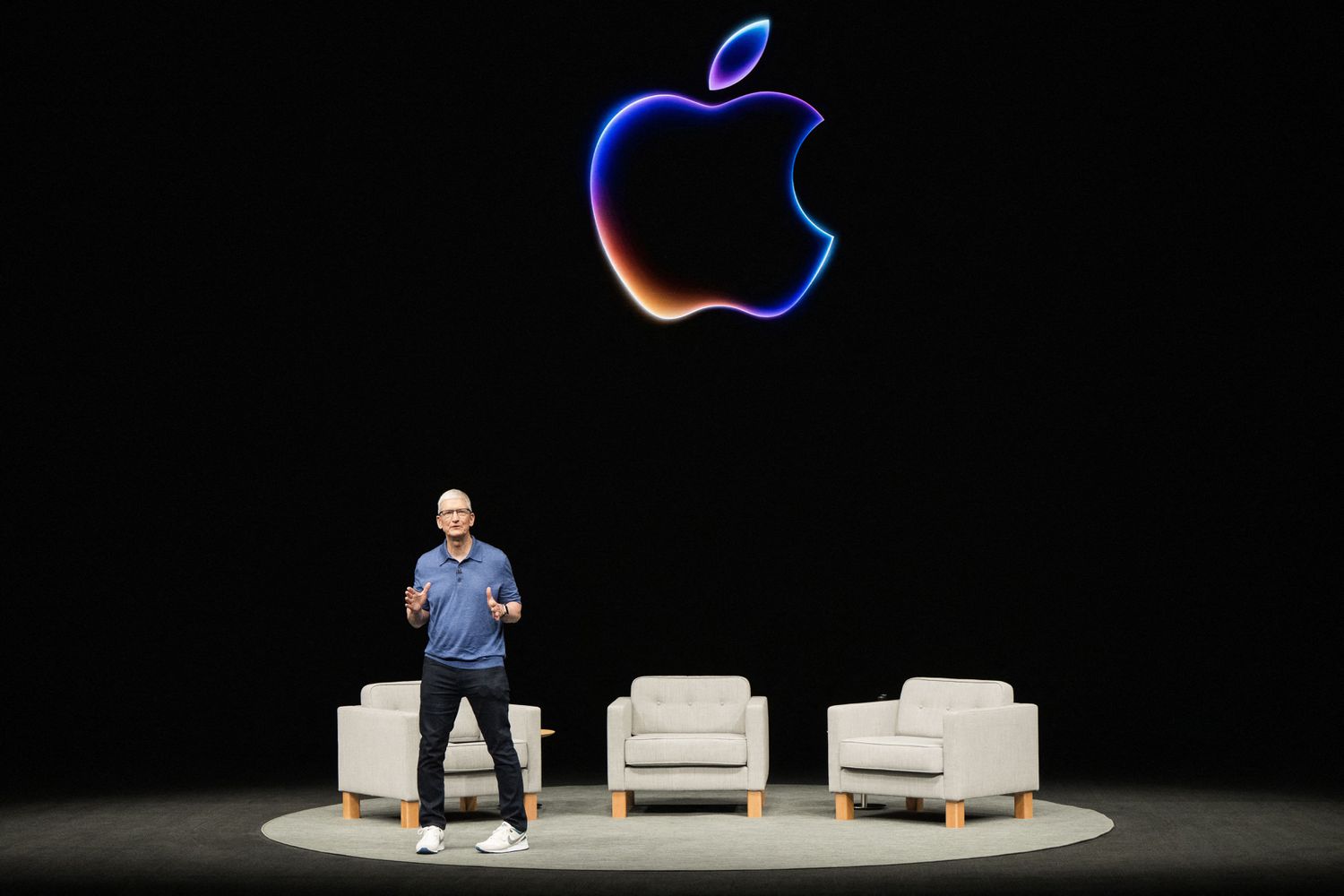
Apple Faces Escalating Memory Cost Pressures Amid Supply-Demand Gap
- Price Hike Impact: Apple implemented global price increases on MacBooks, iPads, HomePods, and Apple TV devices last week due to soaring memory component costs, resulting in a 6.1% drop in stock price, marking the largest single-day decline since April 2025, indicating strong market reaction to its pricing strategy.
- Supply Chain Risks: Apple is lobbying the U.S. government to allow it to purchase chips from Chinese memory manufacturer ChangXin Memory Technologies (CXMT) to avoid future export restrictions; however, analysts note that even if successful, CXMT's capacity will not significantly alleviate the memory supply-demand imbalance, potentially impacting future iPhone production.
- Market Sentiment Shift: Despite a nearly 5% decline in Apple shares last week, the stock remains up 5% for 2026, while retail sentiment on Stocktwits showed a 'bearish' outlook early Monday, reflecting concerns about Apple's future prospects.
- AI Data Center Impact: The unprecedented surge in memory demand driven by the rapid buildout of AI data centers has intensified Apple's memory supply pressures, with analysts indicating that memory capacity is increasingly diverted to AI data centers, further tightening supplies for consumer electronics and forcing Apple to seek new suppliers to mitigate supply chain risks.
See More

Apple Hardware Price Hikes Shock Wall Street
- Price Increases Across Hardware: Apple raised prices on most hardware products, including Macs and iPads, by $100 to $300, reflecting the impact of memory chip shortages due to AI data center expansions, which directly affects the company's cost structure and market competitiveness.
- iPhone Pricing Stability: Notably, the iPhone was excluded from the price hikes, likely due to the upcoming new model launch in September, as Apple aims to maintain price stability during the product cycle to preserve its market dominance.
- Strong Financial Performance: In Q2 of fiscal 2026, Apple reported a 17% year-over-year revenue increase to $111.2 billion, with record iPhone revenue and a gross margin of 49.3%, demonstrating the company's financial resilience in managing rising costs.
- Future Price Increase Expectations: iPhone price hikes are anticipated this fall, likely focused on Pro models or higher storage versions, which may impact consumer upgrade behavior but also help protect Apple's gross margins, reflecting the complexity of its pricing strategy.
See More

Apple and Microsoft Raise Prices Amid Rising Costs

- Price Increases: Apple and Microsoft have raised prices on key hardware products, including MacBooks, iPads, Xbox consoles, and Surface devices, due to rising AI-driven memory chip costs, which could negatively impact consumer demand and led to a 4% drop in Apple shares last week.
- Extended Chip Shortage Forecast: Micron Technology reported that the chip shortage is now expected to last beyond 2027, with CEO Sanjay Mehrotra stating that supply shortages will take considerable time to improve, resulting in a 6% decline in stock despite remaining in extremely bullish sentiment.
- Quantum Technology Acceleration: Infleqtion shares rose 0.7% after President Trump signed two executive orders aimed at accelerating U.S. quantum technology development, which is expected to boost investment and technological advancements in the sector, with a 300% increase in message volume.
- Shifting Market Sentiment: Retail sentiment for Apple and Microsoft stocks showed a bullish sentiment of 67% and a drop to 'bullish' respectively, indicating investor concerns over the consumer tech sector, while Micron and Infleqtion attracted more attention due to strong demand and supportive policies.
See More

Middle East Tensions Rise, Oil Prices Edge Up


- Escalating Middle East Tensions: The U.S. struck Iranian military targets over the weekend after Iran attacked a Panamanian-flagged oil tanker, temporarily halting ceasefire talks and highlighting the region's complex and uncertain dynamics.
- Oil Price Response: Following the escalation, international benchmark Brent crude oil prices edged up to $72.31, while U.S. West Texas Intermediate futures reached $69.82, reflecting market concerns over potential supply disruptions.
- Tech Stock Dynamics: Despite facing pressure, SpaceX is poised to become one of the fastest additions to the Nasdaq-100 index, which could attract buying from index-tracking funds, indicating investor focus on a tech recovery.
- Small Business Struggles: Memory prices surged by 80% to 115%, putting companies like GoPro at risk of bankruptcy, illustrating the intensifying competition and profit pressures within the industry.
See More

Tech Giants Face Challenges and Opportunities

- Market Confidence Shaken: As competition for data center construction intensifies, tech giants like Amazon, Microsoft, and Google are experiencing declining investor confidence, leading to stock price volatility that impacts overall market performance.
- AI Investment Outlook Uncertain: Despite ongoing investments in AI by Meta and Apple, the lack of a clear profit model has led to cautious market expectations regarding their future profitability, potentially affecting their stock prices.
- Surge in Storage Chip Prices: The rising prices of storage chips are putting pressure on several tech companies, including Apple, which may hinder their profitability expectations from AI investments and affect overall financial health.
- Increased Risk of Industry Consolidation: With the emergence of new competitors like OpenAI and Anthropic, traditional tech giants face the risk of being marginalized, forcing them to reassess market strategies to maintain competitiveness.
See More
Apple Raises Hardware Prices, iPhone Remains Unchanged
- Price Increases Across Hardware: On June 25, Apple raised prices for its Mac, iPad, and home product lines by $100 to $300, with some high-end Macs seeing even larger increases, a move attributed to the surge in demand for memory chips driven by AI data centers, impacting Apple's cost structure significantly.
- iPhone Pricing Strategy: Notably, the iPhone was excluded from the price hikes, which analysts suggest may be strategic as Apple plans to introduce new models in September, making it more sensible to adjust pricing at that time rather than mid-cycle, which could alienate consumers.
- Strong Financial Performance: In Q2 of fiscal 2026, Apple reported a 17% year-over-year revenue increase to $111.2 billion, with earnings per share rising 22% to $2.01, demonstrating the company's ability to absorb higher component costs under a robust gross margin of 49.3%, allowing it to delay passing costs onto consumers.
- Rising Memory Prices: Memory contract prices surged by 90% to 95% in Q1 2026, with expectations of further increases in Q2, which may compel Apple to consider iPhone price adjustments in the future to maintain its profit margins and competitive edge.
See More
Apple Faces Escalating Memory Cost Pressures Amid Supply-Demand Gap
- Price Hike Impact: Apple implemented global price increases on MacBooks, iPads, HomePods, and Apple TV devices last week due to soaring memory component costs, resulting in a 6.1% drop in stock price, marking the largest single-day decline since April 2025, indicating strong market reaction to its pricing strategy.
- Supply Chain Risks: Apple is lobbying the U.S. government to allow it to purchase chips from Chinese memory manufacturer ChangXin Memory Technologies (CXMT) to avoid future export restrictions; however, analysts note that even if successful, CXMT's capacity will not significantly alleviate the memory supply-demand imbalance, potentially impacting future iPhone production.
- Market Sentiment Shift: Despite a nearly 5% decline in Apple shares last week, the stock remains up 5% for 2026, while retail sentiment on Stocktwits showed a 'bearish' outlook early Monday, reflecting concerns about Apple's future prospects.
- AI Data Center Impact: The unprecedented surge in memory demand driven by the rapid buildout of AI data centers has intensified Apple's memory supply pressures, with analysts indicating that memory capacity is increasingly diverted to AI data centers, further tightening supplies for consumer electronics and forcing Apple to seek new suppliers to mitigate supply chain risks.
See More
Apple Hardware Price Hikes Shock Wall Street
- Price Increases Across Hardware: Apple raised prices on most hardware products, including Macs and iPads, by $100 to $300, reflecting the impact of memory chip shortages due to AI data center expansions, which directly affects the company's cost structure and market competitiveness.
- iPhone Pricing Stability: Notably, the iPhone was excluded from the price hikes, likely due to the upcoming new model launch in September, as Apple aims to maintain price stability during the product cycle to preserve its market dominance.
- Strong Financial Performance: In Q2 of fiscal 2026, Apple reported a 17% year-over-year revenue increase to $111.2 billion, with record iPhone revenue and a gross margin of 49.3%, demonstrating the company's financial resilience in managing rising costs.
- Future Price Increase Expectations: iPhone price hikes are anticipated this fall, likely focused on Pro models or higher storage versions, which may impact consumer upgrade behavior but also help protect Apple's gross margins, reflecting the complexity of its pricing strategy.
See More
Apple and Microsoft Raise Prices Amid Rising Costs
- Price Increases: Apple and Microsoft have raised prices on key hardware products, including MacBooks, iPads, Xbox consoles, and Surface devices, due to rising AI-driven memory chip costs, which could negatively impact consumer demand and led to a 4% drop in Apple shares last week.
- Extended Chip Shortage Forecast: Micron Technology reported that the chip shortage is now expected to last beyond 2027, with CEO Sanjay Mehrotra stating that supply shortages will take considerable time to improve, resulting in a 6% decline in stock despite remaining in extremely bullish sentiment.
- Quantum Technology Acceleration: Infleqtion shares rose 0.7% after President Trump signed two executive orders aimed at accelerating U.S. quantum technology development, which is expected to boost investment and technological advancements in the sector, with a 300% increase in message volume.
- Shifting Market Sentiment: Retail sentiment for Apple and Microsoft stocks showed a bullish sentiment of 67% and a drop to 'bullish' respectively, indicating investor concerns over the consumer tech sector, while Micron and Infleqtion attracted more attention due to strong demand and supportive policies.
See More
Middle East Tensions Rise, Oil Prices Edge Up
- Escalating Middle East Tensions: The U.S. struck Iranian military targets over the weekend after Iran attacked a Panamanian-flagged oil tanker, temporarily halting ceasefire talks and highlighting the region's complex and uncertain dynamics.
- Oil Price Response: Following the escalation, international benchmark Brent crude oil prices edged up to $72.31, while U.S. West Texas Intermediate futures reached $69.82, reflecting market concerns over potential supply disruptions.
- Tech Stock Dynamics: Despite facing pressure, SpaceX is poised to become one of the fastest additions to the Nasdaq-100 index, which could attract buying from index-tracking funds, indicating investor focus on a tech recovery.
- Small Business Struggles: Memory prices surged by 80% to 115%, putting companies like GoPro at risk of bankruptcy, illustrating the intensifying competition and profit pressures within the industry.
See More
Tech Giants Face Challenges and Opportunities
- Market Confidence Shaken: As competition for data center construction intensifies, tech giants like Amazon, Microsoft, and Google are experiencing declining investor confidence, leading to stock price volatility that impacts overall market performance.
- AI Investment Outlook Uncertain: Despite ongoing investments in AI by Meta and Apple, the lack of a clear profit model has led to cautious market expectations regarding their future profitability, potentially affecting their stock prices.
- Surge in Storage Chip Prices: The rising prices of storage chips are putting pressure on several tech companies, including Apple, which may hinder their profitability expectations from AI investments and affect overall financial health.
- Increased Risk of Industry Consolidation: With the emergence of new competitors like OpenAI and Anthropic, traditional tech giants face the risk of being marginalized, forcing them to reassess market strategies to maintain competitiveness.
See More