Anthropic's Claude AI App Surges to No. 2 Amid Controversy
Written by Emily J. Thompson, Senior Investment Analyst
Updated: Feb 28 2026
0mins


Source: CNBC
- App Ranking Surge: Anthropic's Claude AI app jumped to No. 2 on the U.S. App Store free apps chart on February 16, indicating rapid growth amid public scrutiny, despite resistance from the Trump administration.
- Defense Department Intervention: Secretary of Defense Pete Hegseth requested that Anthropic be labeled as a supply-chain risk to national security, potentially limiting its use among defense contractors, reflecting government caution towards emerging technologies.
- Intensifying Market Competition: Despite Claude AI's rise, OpenAI's ChatGPT remains at the top, highlighting fierce competition in the AI chat app market, necessitating Anthropic to innovate further to sustain growth.
- User Base Expansion: Over the past year, Claude AI has gradually become a supplier of models for corporate use, and despite strong competition from OpenAI, Anthropic is striving to expand its user base and market share.
Trade with 70% Backtested Accuracy
Stop guessing "Should I Buy AMZN?" and start using high-conviction signals backed by rigorous historical data.
Sign up today to access powerful investing tools and make smarter, data-driven decisions.
Analyst Views on AMZN
Wall Street analysts forecast AMZN stock price to rise
44 Analyst Rating
41 Buy
3 Hold
0 Sell
Strong Buy
Current: 227.010

Low
175.00
Averages
280.01
High
325.00
Current: 227.010
Low
175.00
Averages
280.01
High
325.00
About AMZN
Amazon.com, Inc. provides a range of products and services to customers. The products offered through its stores include merchandise and content it has purchased for resale and products offered by third-party sellers. The Company’s segments include North America, International and Amazon Web Services (AWS). It serves consumers through its online and physical stores and focuses on selection, price, and convenience. Customers access its offerings through its websites, mobile apps, Alexa, devices, streaming, and physically visiting its stores. It also manufactures and sells electronic devices, including Kindle, Fire tablet, Fire TV, Echo, Ring, Blink, and eero, and develops and produces media content. It serves developers and enterprises of all sizes, including start-ups, government agencies, and academic institutions, through AWS, which offers a set of on-demand technology services, including compute, storage, database, analytics, and machine learning, and other services.
About the author

Emily J. Thompson
Emily J. Thompson, a Chartered Financial Analyst (CFA) with 12 years in investment research, graduated with honors from the Wharton School. Specializing in industrial and technology stocks, she provides in-depth analysis for Intellectia’s earnings and market brief reports.

Amazon's Prime Day Sales Exceed $26.4 Billion Amid Inflationary Pressures

- Sales Growth: According to Adobe Analytics, U.S. consumers spent over $26.4 billion during Amazon's Prime Day from June 23 to 26, marking a 9.3% year-over-year increase, indicating that consumers are still purchasing durable goods despite high inflation.
- Discount-Driven Purchases: The strong discounts during the four-day Prime Day event drove shoppers to buy higher-priced items such as electronics, toys, and appliances, suggesting that retailers may need to continue offering deep discounts to clear inventory ahead of the holiday season.
- Tax Refund Impact: CFRA Research analyst noted that tax refund amounts increased by 11.1% to $3,462 in 2026, providing financial support for consumers to make purchases they had previously delayed, although this factor will not be present in the fall and winter months.
- Consumer Fatigue: Despite discounts being on par with last year, the average order size dropped from $53.34 to $47.66, indicating a waning consumer strength as shoppers strive to make smarter purchases with their limited budgets.
See More

U.S. Retailers See Significant Online Spending Growth
- Total Online Spending: U.S. retailers generated $26.4 billion in online spending from June 23 to June 26, reflecting a 9.3% year-over-year growth that surpassed Adobe's forecast of 9.0%, indicating strong consumer engagement during summer sales events, nearing the spending levels seen during the 2025 Thanksgiving to Cyber Monday period.
- Mobile Shopping Dominance: Mobile devices accounted for 54.2% of online sales during the Amazon Prime Day event, reaffirming the dominance of mobile shopping and highlighting consumer preference for convenient purchasing methods, which significantly contributed to overall sales growth.
- Strong Category Sales: Sales in electronics surged by 120%, appliances by 90%, and tools and home improvement by 70%, demonstrating robust consumer demand for high-value items during promotional periods, which further bolstered retailers' sales performance.
- Discounts Attract Consumers: Discounts on electronics peaked at 24%, consistent with last year, as consumers showed a greater propensity to purchase during promotional events, particularly in categories like toys, appliances, and personal care products, indicating intensified market competition.
See More
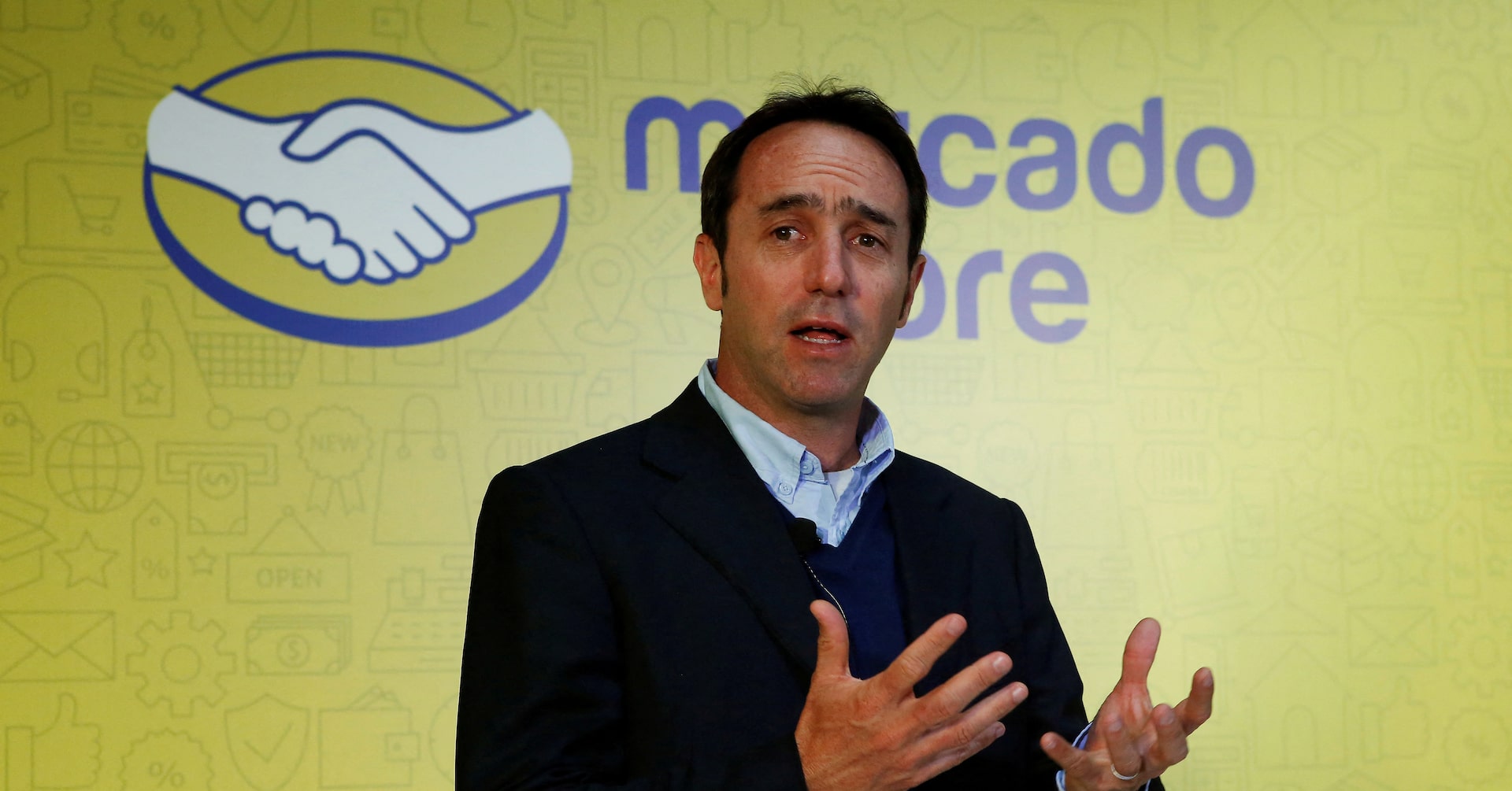
MercadoLibre Faces Rising Competition Pressure

- Intensifying Competition: MercadoLibre faces fierce competition in Brazil from e-commerce platforms like Amazon, Shopee, and Temu, resulting in a profit decline from $763 million to $611 million, despite achieving 49% currency-neutral revenue growth in Q1.
- Investment vs. Profit Decline: While management emphasizes the importance of future investments, the profit decline raises concerns among Wall Street analysts, with UBS downgrading its rating from buy to neutral, expecting margins to remain under pressure until 2027.
- Market Potential: Management highlights the significant online shopping potential in Latin America, where the average consumer makes only 11 online purchases per year compared to 41 in the U.S., indicating substantial room for market growth.
- Fintech Opportunities: MercadoLibre sees opportunities in fintech, particularly in Mexico, where over half the population relies on informal credit sources, suggesting that as online shopping and credit card usage become easier, adoption rates in Latin America are likely to increase.
See More
MercadoLibre Faces Competitive Pressures and Investment Challenges
- Profit Decline Reasons: MercadoLibre's profits have fallen over the past year primarily due to long-term investments aimed at fending off competition, which, while generally seen as a positive for future growth, has raised concerns among investors due to the profit decline.
- Analyst Rating Downgrades: Several Wall Street analysts have downgraded MercadoLibre's stock, with UBS lowering its rating from buy to neutral at the end of April, citing that profit margins will remain under pressure and are not expected to recover until 2027.
- Intensified Competition Impact: In Brazil, MercadoLibre faces fierce competition from e-commerce platforms like Amazon, Sea Limited's Shopee, and PDD Holdings' Temu, prompting the company to lower its free shipping threshold and enhance seller incentives to maintain market share.
- Growth Opportunity Analysis: Despite competition, management highlighted that online shopping penetration in Latin America is still low, with the average Latin American making only seven online purchases per year compared to 11 for MercadoLibre customers, indicating significant growth potential that the company is well-positioned to capitalize on.
See More

Surge in AI Spending Unlikely to Impact Share Buybacks

- Capital Expenditure Surge: Capital spending for the S&P 500 has escalated from an annualized rate of approximately $1 trillion to about $1.5 trillion over the past two years, indicating a strong corporate focus on AI infrastructure, which may impact share buybacks.
- Shift in Buyback Trends: The five hyperscalers—Amazon, Microsoft, Alphabet, Meta, and Oracle—have significantly reduced their share repurchases as they redirect funds towards AI infrastructure, reflecting a shift in capital allocation priorities.
- Earnings Growth Support: Despite the reduction in buybacks from large firms, net repurchases among the remaining S&P 500 companies have surged nearly 30% over the past year, with further increases expected alongside earnings growth, demonstrating the market's resilience.
- Increase in IPOs and Secondary Offerings: Although the acceleration in new equity issuance may reduce net buybacks, historical trends suggest that strong investor demand and positive market returns typically accompany such issuance, particularly in the context of elevated household cash balances.
See More

Four Tech Giants Set to Spend $700 Billion on AI Infrastructure

- Capital Expenditure Scale: Amazon, Alphabet, Microsoft, and Meta Platforms are set to invest approximately $700 billion in capital expenditures this year, a figure that significantly exceeds their annual profits, reflecting strong expectations for AI application demand.
- Cloud Business Performance: Amazon's cloud division, AWS, reported a 28% revenue increase in Q1, reaching $37.6 billion with an operating income of $14.2 billion, highlighting the necessity for continued expansion amid the AI boom despite fierce market competition.
- Market Concerns Intensify: The surge in capital expenditures has heightened market concerns about a potential bubble, particularly as Microsoft and Meta Platforms approach 52-week lows, although Alphabet and Amazon have fared relatively better.
- Investment Return Outlook: Despite the risks associated with capital spending, these companies are highly profitable, and their reasonable valuations lead investors to maintain an optimistic outlook on future returns, with significant stock price appreciation potential if returns materialize sooner than expected.
See More
Amazon's Prime Day Sales Exceed $26.4 Billion Amid Inflationary Pressures
- Sales Growth: According to Adobe Analytics, U.S. consumers spent over $26.4 billion during Amazon's Prime Day from June 23 to 26, marking a 9.3% year-over-year increase, indicating that consumers are still purchasing durable goods despite high inflation.
- Discount-Driven Purchases: The strong discounts during the four-day Prime Day event drove shoppers to buy higher-priced items such as electronics, toys, and appliances, suggesting that retailers may need to continue offering deep discounts to clear inventory ahead of the holiday season.
- Tax Refund Impact: CFRA Research analyst noted that tax refund amounts increased by 11.1% to $3,462 in 2026, providing financial support for consumers to make purchases they had previously delayed, although this factor will not be present in the fall and winter months.
- Consumer Fatigue: Despite discounts being on par with last year, the average order size dropped from $53.34 to $47.66, indicating a waning consumer strength as shoppers strive to make smarter purchases with their limited budgets.
See More
U.S. Retailers See Significant Online Spending Growth
- Total Online Spending: U.S. retailers generated $26.4 billion in online spending from June 23 to June 26, reflecting a 9.3% year-over-year growth that surpassed Adobe's forecast of 9.0%, indicating strong consumer engagement during summer sales events, nearing the spending levels seen during the 2025 Thanksgiving to Cyber Monday period.
- Mobile Shopping Dominance: Mobile devices accounted for 54.2% of online sales during the Amazon Prime Day event, reaffirming the dominance of mobile shopping and highlighting consumer preference for convenient purchasing methods, which significantly contributed to overall sales growth.
- Strong Category Sales: Sales in electronics surged by 120%, appliances by 90%, and tools and home improvement by 70%, demonstrating robust consumer demand for high-value items during promotional periods, which further bolstered retailers' sales performance.
- Discounts Attract Consumers: Discounts on electronics peaked at 24%, consistent with last year, as consumers showed a greater propensity to purchase during promotional events, particularly in categories like toys, appliances, and personal care products, indicating intensified market competition.
See More
MercadoLibre Faces Rising Competition Pressure
- Intensifying Competition: MercadoLibre faces fierce competition in Brazil from e-commerce platforms like Amazon, Shopee, and Temu, resulting in a profit decline from $763 million to $611 million, despite achieving 49% currency-neutral revenue growth in Q1.
- Investment vs. Profit Decline: While management emphasizes the importance of future investments, the profit decline raises concerns among Wall Street analysts, with UBS downgrading its rating from buy to neutral, expecting margins to remain under pressure until 2027.
- Market Potential: Management highlights the significant online shopping potential in Latin America, where the average consumer makes only 11 online purchases per year compared to 41 in the U.S., indicating substantial room for market growth.
- Fintech Opportunities: MercadoLibre sees opportunities in fintech, particularly in Mexico, where over half the population relies on informal credit sources, suggesting that as online shopping and credit card usage become easier, adoption rates in Latin America are likely to increase.
See More
MercadoLibre Faces Competitive Pressures and Investment Challenges
- Profit Decline Reasons: MercadoLibre's profits have fallen over the past year primarily due to long-term investments aimed at fending off competition, which, while generally seen as a positive for future growth, has raised concerns among investors due to the profit decline.
- Analyst Rating Downgrades: Several Wall Street analysts have downgraded MercadoLibre's stock, with UBS lowering its rating from buy to neutral at the end of April, citing that profit margins will remain under pressure and are not expected to recover until 2027.
- Intensified Competition Impact: In Brazil, MercadoLibre faces fierce competition from e-commerce platforms like Amazon, Sea Limited's Shopee, and PDD Holdings' Temu, prompting the company to lower its free shipping threshold and enhance seller incentives to maintain market share.
- Growth Opportunity Analysis: Despite competition, management highlighted that online shopping penetration in Latin America is still low, with the average Latin American making only seven online purchases per year compared to 11 for MercadoLibre customers, indicating significant growth potential that the company is well-positioned to capitalize on.
See More
Surge in AI Spending Unlikely to Impact Share Buybacks
- Capital Expenditure Surge: Capital spending for the S&P 500 has escalated from an annualized rate of approximately $1 trillion to about $1.5 trillion over the past two years, indicating a strong corporate focus on AI infrastructure, which may impact share buybacks.
- Shift in Buyback Trends: The five hyperscalers—Amazon, Microsoft, Alphabet, Meta, and Oracle—have significantly reduced their share repurchases as they redirect funds towards AI infrastructure, reflecting a shift in capital allocation priorities.
- Earnings Growth Support: Despite the reduction in buybacks from large firms, net repurchases among the remaining S&P 500 companies have surged nearly 30% over the past year, with further increases expected alongside earnings growth, demonstrating the market's resilience.
- Increase in IPOs and Secondary Offerings: Although the acceleration in new equity issuance may reduce net buybacks, historical trends suggest that strong investor demand and positive market returns typically accompany such issuance, particularly in the context of elevated household cash balances.
See More
Four Tech Giants Set to Spend $700 Billion on AI Infrastructure
- Capital Expenditure Scale: Amazon, Alphabet, Microsoft, and Meta Platforms are set to invest approximately $700 billion in capital expenditures this year, a figure that significantly exceeds their annual profits, reflecting strong expectations for AI application demand.
- Cloud Business Performance: Amazon's cloud division, AWS, reported a 28% revenue increase in Q1, reaching $37.6 billion with an operating income of $14.2 billion, highlighting the necessity for continued expansion amid the AI boom despite fierce market competition.
- Market Concerns Intensify: The surge in capital expenditures has heightened market concerns about a potential bubble, particularly as Microsoft and Meta Platforms approach 52-week lows, although Alphabet and Amazon have fared relatively better.
- Investment Return Outlook: Despite the risks associated with capital spending, these companies are highly profitable, and their reasonable valuations lead investors to maintain an optimistic outlook on future returns, with significant stock price appreciation potential if returns materialize sooner than expected.
See More