Anthropic Partners with SpaceX for 300 Megawatts of Computing Power
Written by Emily J. Thompson, Senior Investment Analyst
Updated: 4 hours ago
0mins

Source: NASDAQ.COM
- Partnership Agreement: Anthropic has struck a deal with SpaceX to utilize 300 megawatts of computing power, marking a significant collaboration in the AI sector that is expected to accelerate advancements in AI technology for both parties.
- Supercomputer Advantage: SpaceX's Colossus 1 supercomputer, equipped with over 220,000 Nvidia AI chips, provides immense computational power, further solidifying its competitive position in the AI market.
- Surging Market Demand: As more companies lean into artificial intelligence, the demand for computing power has surged, creating usage limits even for paying users; Anthropic's agreement is set to alleviate this bottleneck.
- Industry Impact: This partnership not only enhances SpaceX's attractiveness as an AI investment but also has the potential to drive revenue growth for related companies like Nvidia and TSMC, further solidifying their dominance in the global semiconductor market.
Trade with 70% Backtested Accuracy
Stop guessing "Should I Buy NVDA?" and start using high-conviction signals backed by rigorous historical data.
Sign up today to access powerful investing tools and make smarter, data-driven decisions.
Analyst Views on NVDA
Wall Street analysts forecast NVDA stock price to rise
41 Analyst Rating
39 Buy
1 Hold
1 Sell
Strong Buy
Current: 224.360

Low
200.00
Averages
264.97
High
352.00
Current: 224.360
Low
200.00
Averages
264.97
High
352.00
About NVDA
NVIDIA Corporation is an artificial intelligence (AI) infrastructure company. The Company is engaged in accelerated computing to help solve the challenging computational problems. Its segments include Compute & Networking and Graphics. The Compute & Networking segment includes its Data Center accelerated computing and networking platforms and AI solutions and software, and automotive platforms and autonomous and electric vehicle solutions, including software. The Graphics segment includes GeForce GPUs for gaming and personal computers (PCs), and Quadro/NVIDIA RTX GPUs for enterprise workstation graphics. Its technology stack includes the foundational NVIDIA CUDA development platform that runs on all NVIDIA GPUs, as well as hundreds of domain-specific software libraries, frameworks, algorithms, software development kits (SDKs), and application programming interfaces (APIs). Its platforms address four markets, which include Data Center, Gaming, Professional Visualization, and Automotive.
About the author

Emily J. Thompson
Emily J. Thompson, a Chartered Financial Analyst (CFA) with 12 years in investment research, graduated with honors from the Wharton School. Specializing in industrial and technology stocks, she provides in-depth analysis for Intellectia’s earnings and market brief reports.
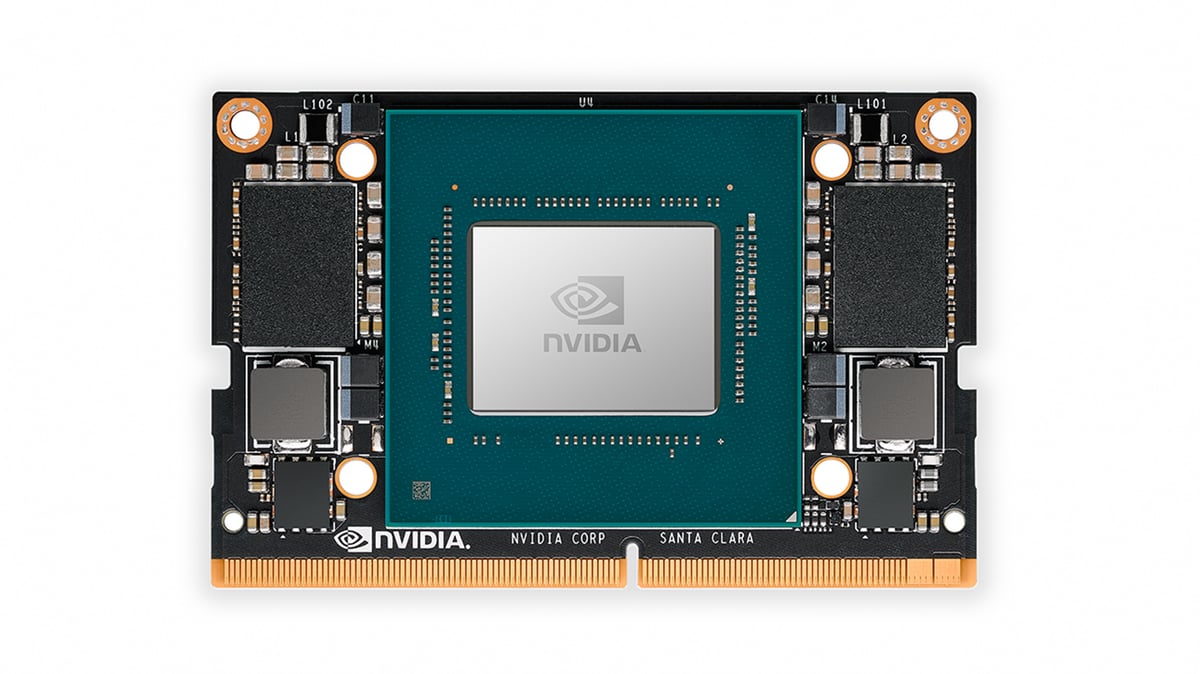
Nvidia Surpasses $5 Trillion Market Valuation

- Massive Market Opportunity: Nvidia's CFO Collette Kress highlighted a $4 trillion market opportunity, with hyperscaler annual spending projected to exceed $1 trillion next year and reach $3 to $4 trillion by the decade's end, positioning Nvidia to capture a significant share.
- Significant Revenue Growth: In the first quarter of fiscal 2027, Nvidia reported a 95% year-over-year revenue increase, marking its 14th consecutive quarter of growth, with a sequential revenue boost of $13.5 billion, underscoring its robust performance in AI and data centers.
- Gross Margin Fluctuations: Nvidia's gross margin rose from 60% last year to 75% this year; however, the previous year's figures were impacted by a charge for not shipping specialized chips to China, indicating limited actual improvement, with expectations for the second quarter to maintain at 75%.
- Stock Price Expectation Pressure: Despite Nvidia's first-quarter results exceeding expectations, the stock price has stagnated, partly due to overly high market expectations for future growth, necessitating shareholders to prepare for serious market evaluations and perfection expectations.
See More
Sanders Proposes Public Ownership in AI Companies
- Public Ownership Proposal: Sanders proposed a one-time 50% tax on stock to give the public a direct stake in the largest AI companies in the U.S., aiming to ensure that the economic gains from AI benefit a broader society rather than a small group of corporate leaders, thereby promoting social equity.
- Surge in AI Investment: Major tech companies are expected to spend over $750 billion on AI infrastructure this year, and Sanders' proposal comes amid intensifying AI competition, highlighting the technology's profound impact on the economy, education, and society, which could reshape future wealth distribution.
- IPO Focus: AI companies like Anthropic, OpenAI, and SpaceX are planning public listings, with Anthropic's valuation reaching $965 billion and OpenAI targeting an IPO valuation between $852 billion and $1.1 trillion, reflecting strong market interest and bullish investor sentiment towards AI firms.
- Technological Impact and Risks: Sanders noted that AI's effects are already felt across various sectors, including economy, education, and environmental policy, while expressing concerns about the independence of advanced AI systems and potential risks, emphasizing the need for legislation to ensure technological advancements benefit society as a whole.
See More
Company Launches New Products to Capture Revenue
- New Product Launch: The company is set to introduce a range of new products that are expected to significantly boost revenue, particularly in a competitive market environment, addressing the evolving needs of consumers.
- Market Potential: The launch of these new products aims to capture potential market share, especially among younger consumer demographics, which is anticipated to drive sales growth and enhance brand influence.
- Financial Expectations: Preliminary analyses suggest that the new products could generate substantial revenue for the company over the next few quarters, further solidifying its market position.
- Strategic Implications: This product launch not only represents a proactive response to market demand but also underscores the company's ongoing investment in innovation and product development, aimed at enhancing long-term competitiveness.
See More

U.S. Stocks Hit New Highs Led by Tech Gains

- Tech Stock Surge: Marvell Technology's stock soared 33% following comments from Nvidia CEO Jensen Huang, reflecting strong market confidence in the semiconductor sector and reinforcing the dominance of tech stocks in the current rally.
- Earnings Drive Gains: Hewlett Packard Enterprise jumped 19% due to robust earnings, indicating the company's resilience in the current economic climate and potentially attracting more investor interest in its growth prospects.
- Market Uptrend: The S&P 500 index rose 0.13% to 7,609.78, marking another record close, which showcases investor optimism regarding economic recovery, particularly against the backdrop of a stable job market.
- Positive Job Data: The JOLTS report revealed a 4.6% increase in job openings in April to 7.6 million, the highest in nearly two years, indicating labor market stability despite AI-related layoffs, which may prompt the Federal Reserve to consider interest rate hikes to combat inflation.
See More

CoreWeave Emerges as Key Player in AI Infrastructure Investment

- Backlog Surge: CoreWeave's backlog is nearing $100 billion, indicating intense demand for its GPU cloud capacity, which not only strengthens its market position but may also attract more investor interest.
- Deepening Partnership with Nvidia: The ongoing collaboration with Nvidia enhances CoreWeave's technological capabilities and market competitiveness, positioning it as a leader in the rapidly evolving AI infrastructure sector.
- Capex and Debt Pressure: Despite the optimistic growth outlook, rising capital expenditures and debt levels could pressure margins, necessitating caution from investors when evaluating its stock.
- Intense Market Competition: CoreWeave faces fierce competition in the AI infrastructure space, and while it is regarded as an
See More
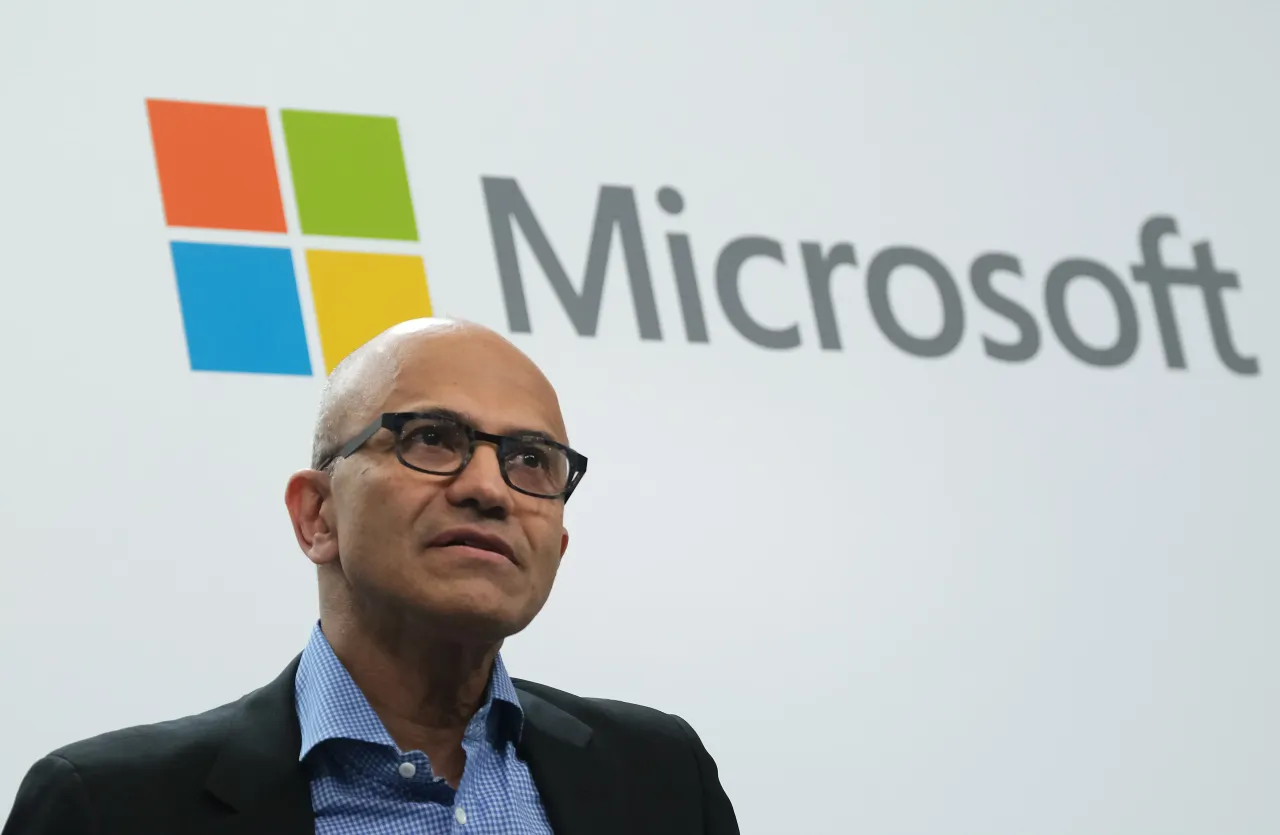
Microsoft and Nvidia Partner to Launch New AI Models and Quantum Chip

- Hardware-Software Partnership: Microsoft and Nvidia have announced a comprehensive partnership to deploy Nvidia's RTX Spark processors alongside Microsoft's cloud infrastructure, aiming to optimize local and cloud systems and drive corporate investments in artificial intelligence.
- New AI Model Launch: Microsoft introduced seven entirely in-house developed MAI models, with MAI-Thinking-1 achieving human-preference parity in complex problem-solving against leading models like Claude 4.6 and Sonnet, showcasing its potential in software development and multimodal applications.
- Scout Personal Assistant: Microsoft launched the Scout personal assistant as an autonomous background application that automatically manages scheduling and meeting coordination within the Microsoft 365 ecosystem, enhancing work efficiency and reducing user intervention.
- Quantum Computing Advancement: Microsoft unveiled the Majorana 2 quantum chip, featuring a 1,000-fold improvement in reliability over previous qubits, with expectations to achieve a scalable quantum computer by 2029, significantly shortening its original timeline.
See More
Nvidia Surpasses $5 Trillion Market Valuation
- Massive Market Opportunity: Nvidia's CFO Collette Kress highlighted a $4 trillion market opportunity, with hyperscaler annual spending projected to exceed $1 trillion next year and reach $3 to $4 trillion by the decade's end, positioning Nvidia to capture a significant share.
- Significant Revenue Growth: In the first quarter of fiscal 2027, Nvidia reported a 95% year-over-year revenue increase, marking its 14th consecutive quarter of growth, with a sequential revenue boost of $13.5 billion, underscoring its robust performance in AI and data centers.
- Gross Margin Fluctuations: Nvidia's gross margin rose from 60% last year to 75% this year; however, the previous year's figures were impacted by a charge for not shipping specialized chips to China, indicating limited actual improvement, with expectations for the second quarter to maintain at 75%.
- Stock Price Expectation Pressure: Despite Nvidia's first-quarter results exceeding expectations, the stock price has stagnated, partly due to overly high market expectations for future growth, necessitating shareholders to prepare for serious market evaluations and perfection expectations.
See More
Sanders Proposes Public Ownership in AI Companies
- Public Ownership Proposal: Sanders proposed a one-time 50% tax on stock to give the public a direct stake in the largest AI companies in the U.S., aiming to ensure that the economic gains from AI benefit a broader society rather than a small group of corporate leaders, thereby promoting social equity.
- Surge in AI Investment: Major tech companies are expected to spend over $750 billion on AI infrastructure this year, and Sanders' proposal comes amid intensifying AI competition, highlighting the technology's profound impact on the economy, education, and society, which could reshape future wealth distribution.
- IPO Focus: AI companies like Anthropic, OpenAI, and SpaceX are planning public listings, with Anthropic's valuation reaching $965 billion and OpenAI targeting an IPO valuation between $852 billion and $1.1 trillion, reflecting strong market interest and bullish investor sentiment towards AI firms.
- Technological Impact and Risks: Sanders noted that AI's effects are already felt across various sectors, including economy, education, and environmental policy, while expressing concerns about the independence of advanced AI systems and potential risks, emphasizing the need for legislation to ensure technological advancements benefit society as a whole.
See More
Company Launches New Products to Capture Revenue
- New Product Launch: The company is set to introduce a range of new products that are expected to significantly boost revenue, particularly in a competitive market environment, addressing the evolving needs of consumers.
- Market Potential: The launch of these new products aims to capture potential market share, especially among younger consumer demographics, which is anticipated to drive sales growth and enhance brand influence.
- Financial Expectations: Preliminary analyses suggest that the new products could generate substantial revenue for the company over the next few quarters, further solidifying its market position.
- Strategic Implications: This product launch not only represents a proactive response to market demand but also underscores the company's ongoing investment in innovation and product development, aimed at enhancing long-term competitiveness.
See More
U.S. Stocks Hit New Highs Led by Tech Gains
- Tech Stock Surge: Marvell Technology's stock soared 33% following comments from Nvidia CEO Jensen Huang, reflecting strong market confidence in the semiconductor sector and reinforcing the dominance of tech stocks in the current rally.
- Earnings Drive Gains: Hewlett Packard Enterprise jumped 19% due to robust earnings, indicating the company's resilience in the current economic climate and potentially attracting more investor interest in its growth prospects.
- Market Uptrend: The S&P 500 index rose 0.13% to 7,609.78, marking another record close, which showcases investor optimism regarding economic recovery, particularly against the backdrop of a stable job market.
- Positive Job Data: The JOLTS report revealed a 4.6% increase in job openings in April to 7.6 million, the highest in nearly two years, indicating labor market stability despite AI-related layoffs, which may prompt the Federal Reserve to consider interest rate hikes to combat inflation.
See More
CoreWeave Emerges as Key Player in AI Infrastructure Investment
- Backlog Surge: CoreWeave's backlog is nearing $100 billion, indicating intense demand for its GPU cloud capacity, which not only strengthens its market position but may also attract more investor interest.
- Deepening Partnership with Nvidia: The ongoing collaboration with Nvidia enhances CoreWeave's technological capabilities and market competitiveness, positioning it as a leader in the rapidly evolving AI infrastructure sector.
- Capex and Debt Pressure: Despite the optimistic growth outlook, rising capital expenditures and debt levels could pressure margins, necessitating caution from investors when evaluating its stock.
- Intense Market Competition: CoreWeave faces fierce competition in the AI infrastructure space, and while it is regarded as an
See More
Microsoft and Nvidia Partner to Launch New AI Models and Quantum Chip
- Hardware-Software Partnership: Microsoft and Nvidia have announced a comprehensive partnership to deploy Nvidia's RTX Spark processors alongside Microsoft's cloud infrastructure, aiming to optimize local and cloud systems and drive corporate investments in artificial intelligence.
- New AI Model Launch: Microsoft introduced seven entirely in-house developed MAI models, with MAI-Thinking-1 achieving human-preference parity in complex problem-solving against leading models like Claude 4.6 and Sonnet, showcasing its potential in software development and multimodal applications.
- Scout Personal Assistant: Microsoft launched the Scout personal assistant as an autonomous background application that automatically manages scheduling and meeting coordination within the Microsoft 365 ecosystem, enhancing work efficiency and reducing user intervention.
- Quantum Computing Advancement: Microsoft unveiled the Majorana 2 quantum chip, featuring a 1,000-fold improvement in reliability over previous qubits, with expectations to achieve a scalable quantum computer by 2029, significantly shortening its original timeline.
See More