Analysts Bullish on Cerebras Post-IPO Outlook
Written by Emily J. Thompson, Senior Investment Analyst
Updated: 1 hour ago
0mins
Source: Fool
- Analyst Optimism: Currently, 10 analysts have issued buy ratings for Cerebras stock, with an average price target of about $294 and a high of $340 from Citigroup, indicating strong market confidence in its growth potential.
- Unique Market Positioning: Cerebras' single-chip design provides a competitive edge in the AI infrastructure market, with its Wafer Scale Engine (WSE-3) boasting 250 times more on-chip memory and 2,625 times more memory bandwidth than Nvidia's B200 platform, significantly enhancing computational efficiency.
- Major Partnership Agreements: Cerebras has secured a $10 billion deal with OpenAI to supply 750 megawatts of computing power, with expectations that OpenAI will spend up to $20 billion on Cerebras chips over the coming years, highlighting strong demand in the AI sector.
- Profitability Risks: Despite achieving $510 million in annual sales last year, Cerebras reported a non-GAAP net loss of nearly $76 million, and its current price-to-sales ratio of about 88 is significantly higher than the tech sector average, prompting investors to carefully consider its profitability outlook.
Trade with 70% Backtested Accuracy
Stop guessing "Should I Buy CBRS?" and start using high-conviction signals backed by rigorous historical data.
Sign up today to access powerful investing tools and make smarter, data-driven decisions.
Analyst Views on CBRS
Wall Street analysts forecast CBRS stock price to rise
0 Analyst Rating
0 Buy
0 Hold
0 Sell
Current: 226.815

Low
Averages
High
Current: 226.815
Low
Averages
High

No data
About CBRS
Cerebras Systems Inc. is an artificial intelligence (AI) infrastructure company that designs and manufactures an AI compute platform comprised of proprietary systems and software. The Company's products include inference Cloud, Training Cloud, CS-3 system, AI supercomputer, Wafer Scale Engine and model development. The Company's pioneering Wafer-Scale Engine (WSE), a chip encompassing an entire silicon wafer, was specifically designed to enable higher performance and speeds than GPUs for the computational demands of inference, Generative AI (GenAI), and other AI applications. It offers deployment services to assist customers with data preparation, model architecture design, training management, inference optimization, and, in select cases, ongoing system operations and management. It also offers a subscription service providing access to an ongoing stream of software updates and upgrades for purchasers of its hardware.
About the author

Emily J. Thompson
Emily J. Thompson, a Chartered Financial Analyst (CFA) with 12 years in investment research, graduated with honors from the Wharton School. Specializing in industrial and technology stocks, she provides in-depth analysis for Intellectia’s earnings and market brief reports.

Analysts Bullish on Cerebras Post-IPO Outlook

- Analyst Optimism: Currently, 10 analysts have issued buy ratings for Cerebras stock, with an average price target of about $294 and a high of $340 from Citigroup, indicating strong market confidence in its growth potential.
- Unique Market Positioning: Cerebras' single-chip design provides a competitive edge in the AI infrastructure market, with its Wafer Scale Engine (WSE-3) boasting 250 times more on-chip memory and 2,625 times more memory bandwidth than Nvidia's B200 platform, significantly enhancing computational efficiency.
- Major Partnership Agreements: Cerebras has secured a $10 billion deal with OpenAI to supply 750 megawatts of computing power, with expectations that OpenAI will spend up to $20 billion on Cerebras chips over the coming years, highlighting strong demand in the AI sector.
- Profitability Risks: Despite achieving $510 million in annual sales last year, Cerebras reported a non-GAAP net loss of nearly $76 million, and its current price-to-sales ratio of about 88 is significantly higher than the tech sector average, prompting investors to carefully consider its profitability outlook.
See More

Cerebras Receives Buy Ratings from Analysts
- Analyst Optimism: Morgan Stanley believes Cerebras has a 'first-mover advantage' in the AI infrastructure market, with 10 analysts currently rating it as a buy, and an average price target of about $294, the highest being $340 from Citigroup, indicating strong market confidence in its growth potential.
- Technological Innovation: Cerebras' Wafer Scale Engine (WSE-3) boasts 250 times more on-chip memory and 2,625 times more memory bandwidth than Nvidia's B200 platform, making its single-chip design far more efficient in processing AI data, potentially reshaping the industry landscape.
- Major Contracts: Cerebras has secured a $10 billion deal with OpenAI to provide 750 megawatts of computing power, with expectations of up to $20 billion in orders over the next few years, showcasing its technology's appeal to leading AI companies and strengthening its market position.
- Profitability Risks: Despite generating $510 million in annual sales, Cerebras reported a non-GAAP net loss of nearly $76 million, with a current price-to-sales ratio of about 88, significantly higher than the tech sector average, prompting investors to carefully consider its profitability and stock price volatility risks.
See More
SpaceX IPO Approaches: Investors Should Exercise Caution


- Record IPO Size: SpaceX plans to offer approximately 555.6 million shares at a fixed price of $135 each, aiming to raise $75 billion and achieve a valuation of around $1.8 trillion, marking it as one of the largest IPOs in history and reflecting high market expectations for its future potential.
- Revenue vs. Loss: While SpaceX's revenue is projected to grow 33% year-over-year to $18.7 billion by 2025, the company shifted from a modest profit in 2024 to nearly a $5 billion loss last year, highlighting the challenges of its capital-intensive business model, which may impact investor confidence.
- Oversubscription Phenomenon: With IPO orders reportedly around $250 billion, nearly triple the amount the company hopes to raise, this oversubscription could lead investors to overpay on opening day due to feelings of scarcity and speculation, increasing short-term risks.
- Historical Lessons Caution: Analyzing recent tech IPOs reveals that many companies experience significant volatility after their opening day; investors should approach the SpaceX IPO with caution to avoid chasing short-term gains at inflated valuations, and consider waiting for market stabilization before making decisions.
See More
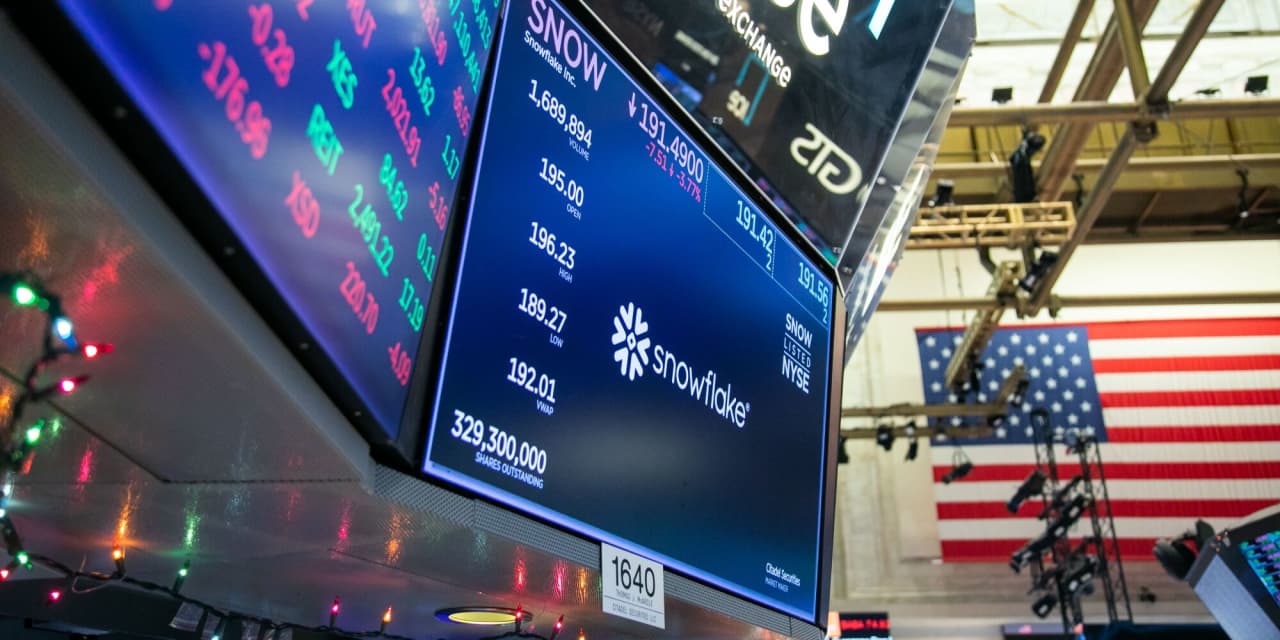
SpaceX Aims for Historic $1.8 Trillion IPO

- Record-Setting IPO: SpaceX plans to issue approximately 555.6 million shares at $135 each, aiming to raise $75 billion and achieve a valuation of nearly $1.8 trillion, highlighting its immense market potential in the aerospace sector.
- Investor Enthusiasm: With IPO orders reportedly around $250 billion, nearly three times the amount the company hopes to raise, this oversubscription could drive opening prices far beyond fundamentals, reflecting strong market demand and speculative sentiment towards SpaceX.
- Profitability Fluctuations: Despite a 33% year-over-year revenue growth to $18.7 billion in 2025, SpaceX shifted from a modest profit in 2024 to a nearly $5 billion loss in 2025, underscoring the challenges of its capital-intensive business model.
- Historical Lessons Caution: Analysis indicates that many tech IPOs experience significant price volatility post-opening, suggesting that investors should approach the SpaceX IPO with caution to avoid potential price declines following an initial surge.
See More

The Rise of AI Tokens and Market Impact
- Token Definition and Use: Tokens are emerging as the new currency in artificial intelligence, becoming fundamental for developers to build applications, with OpenAI and Anthropic frequently referencing them in their IPO filings, highlighting their significance in AI business models.
- Market Competition Landscape: SpaceX and Cerebras extensively discuss the role of tokens in their IPO filings, with Cerebras' chips having a notable advantage in token generation, potentially impacting the market positions of OpenAI and Anthropic.
- Google's Token Usage: Google reported an increase in token processing from 10 billion to 16 billion per minute in its cloud business, indicating a surge in demand for AI services, although the direct correlation between token usage and revenue remains unclear.
- Future Challenges and Opportunities: OpenAI and Anthropic must generate sufficient revenue from token usage to cover hardware and cloud service costs, as their current business models are not yet profitable, presenting significant financial challenges.
See More
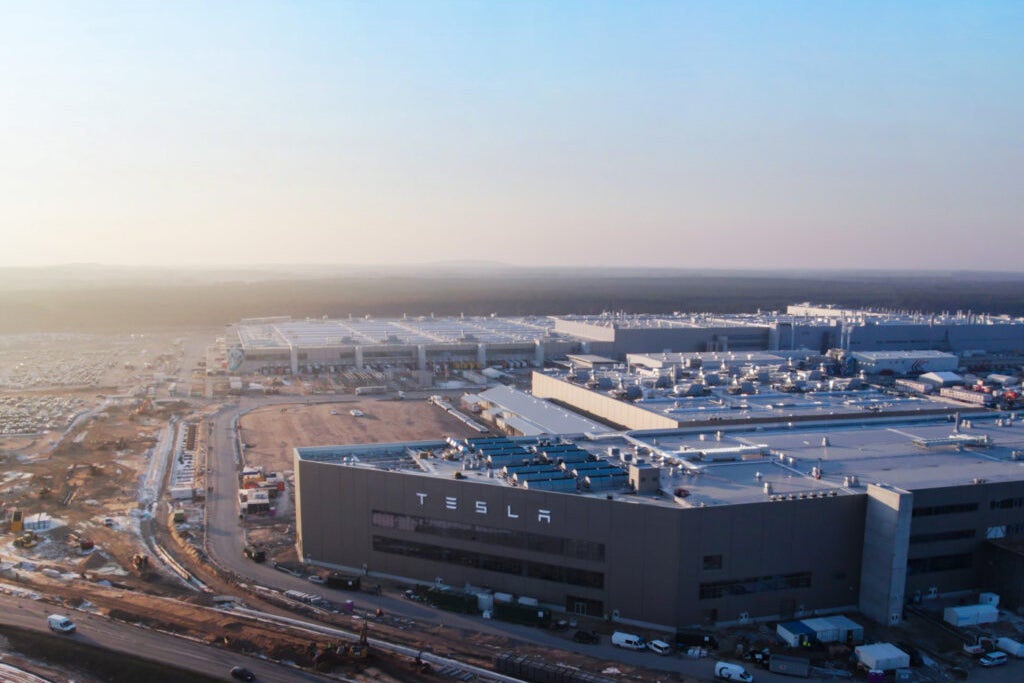
SpaceX IPO Set to Break Records


- Record-Setting IPO: SpaceX plans to issue approximately 555.6 million shares at $135 each, aiming to raise $75 billion, which would value the company at about $1.8 trillion, marking the largest IPO in history.
- Nasdaq Rule Changes: In anticipation of SpaceX's debut, Nasdaq revised its inclusion criteria for the Nasdaq-100, eliminating the 10% float requirement and shortening the inclusion timeline to 15 trading days, which will lead to significant stock purchases in the weeks following the IPO.
- Strong Investor Demand: The SpaceX IPO has already been oversubscribed, indicating robust market demand, even though its float represents only 4% of total shares, suggesting that index funds will acquire a substantial portion, artificially inflating the stock price in the short term.
- Insider Selling Risks: SpaceX has implemented a staggered lockup period, allowing insiders to sell shares shortly after the IPO, which could lead to significant price volatility and pose risks for retail investors as they may face a wealth transfer to company insiders.
See More
Analysts Bullish on Cerebras Post-IPO Outlook
- Analyst Optimism: Currently, 10 analysts have issued buy ratings for Cerebras stock, with an average price target of about $294 and a high of $340 from Citigroup, indicating strong market confidence in its growth potential.
- Unique Market Positioning: Cerebras' single-chip design provides a competitive edge in the AI infrastructure market, with its Wafer Scale Engine (WSE-3) boasting 250 times more on-chip memory and 2,625 times more memory bandwidth than Nvidia's B200 platform, significantly enhancing computational efficiency.
- Major Partnership Agreements: Cerebras has secured a $10 billion deal with OpenAI to supply 750 megawatts of computing power, with expectations that OpenAI will spend up to $20 billion on Cerebras chips over the coming years, highlighting strong demand in the AI sector.
- Profitability Risks: Despite achieving $510 million in annual sales last year, Cerebras reported a non-GAAP net loss of nearly $76 million, and its current price-to-sales ratio of about 88 is significantly higher than the tech sector average, prompting investors to carefully consider its profitability outlook.
See More
Cerebras Receives Buy Ratings from Analysts
- Analyst Optimism: Morgan Stanley believes Cerebras has a 'first-mover advantage' in the AI infrastructure market, with 10 analysts currently rating it as a buy, and an average price target of about $294, the highest being $340 from Citigroup, indicating strong market confidence in its growth potential.
- Technological Innovation: Cerebras' Wafer Scale Engine (WSE-3) boasts 250 times more on-chip memory and 2,625 times more memory bandwidth than Nvidia's B200 platform, making its single-chip design far more efficient in processing AI data, potentially reshaping the industry landscape.
- Major Contracts: Cerebras has secured a $10 billion deal with OpenAI to provide 750 megawatts of computing power, with expectations of up to $20 billion in orders over the next few years, showcasing its technology's appeal to leading AI companies and strengthening its market position.
- Profitability Risks: Despite generating $510 million in annual sales, Cerebras reported a non-GAAP net loss of nearly $76 million, with a current price-to-sales ratio of about 88, significantly higher than the tech sector average, prompting investors to carefully consider its profitability and stock price volatility risks.
See More
SpaceX IPO Approaches: Investors Should Exercise Caution
- Record IPO Size: SpaceX plans to offer approximately 555.6 million shares at a fixed price of $135 each, aiming to raise $75 billion and achieve a valuation of around $1.8 trillion, marking it as one of the largest IPOs in history and reflecting high market expectations for its future potential.
- Revenue vs. Loss: While SpaceX's revenue is projected to grow 33% year-over-year to $18.7 billion by 2025, the company shifted from a modest profit in 2024 to nearly a $5 billion loss last year, highlighting the challenges of its capital-intensive business model, which may impact investor confidence.
- Oversubscription Phenomenon: With IPO orders reportedly around $250 billion, nearly triple the amount the company hopes to raise, this oversubscription could lead investors to overpay on opening day due to feelings of scarcity and speculation, increasing short-term risks.
- Historical Lessons Caution: Analyzing recent tech IPOs reveals that many companies experience significant volatility after their opening day; investors should approach the SpaceX IPO with caution to avoid chasing short-term gains at inflated valuations, and consider waiting for market stabilization before making decisions.
See More
SpaceX Aims for Historic $1.8 Trillion IPO
- Record-Setting IPO: SpaceX plans to issue approximately 555.6 million shares at $135 each, aiming to raise $75 billion and achieve a valuation of nearly $1.8 trillion, highlighting its immense market potential in the aerospace sector.
- Investor Enthusiasm: With IPO orders reportedly around $250 billion, nearly three times the amount the company hopes to raise, this oversubscription could drive opening prices far beyond fundamentals, reflecting strong market demand and speculative sentiment towards SpaceX.
- Profitability Fluctuations: Despite a 33% year-over-year revenue growth to $18.7 billion in 2025, SpaceX shifted from a modest profit in 2024 to a nearly $5 billion loss in 2025, underscoring the challenges of its capital-intensive business model.
- Historical Lessons Caution: Analysis indicates that many tech IPOs experience significant price volatility post-opening, suggesting that investors should approach the SpaceX IPO with caution to avoid potential price declines following an initial surge.
See More
The Rise of AI Tokens and Market Impact
- Token Definition and Use: Tokens are emerging as the new currency in artificial intelligence, becoming fundamental for developers to build applications, with OpenAI and Anthropic frequently referencing them in their IPO filings, highlighting their significance in AI business models.
- Market Competition Landscape: SpaceX and Cerebras extensively discuss the role of tokens in their IPO filings, with Cerebras' chips having a notable advantage in token generation, potentially impacting the market positions of OpenAI and Anthropic.
- Google's Token Usage: Google reported an increase in token processing from 10 billion to 16 billion per minute in its cloud business, indicating a surge in demand for AI services, although the direct correlation between token usage and revenue remains unclear.
- Future Challenges and Opportunities: OpenAI and Anthropic must generate sufficient revenue from token usage to cover hardware and cloud service costs, as their current business models are not yet profitable, presenting significant financial challenges.
See More
SpaceX IPO Set to Break Records
- Record-Setting IPO: SpaceX plans to issue approximately 555.6 million shares at $135 each, aiming to raise $75 billion, which would value the company at about $1.8 trillion, marking the largest IPO in history.
- Nasdaq Rule Changes: In anticipation of SpaceX's debut, Nasdaq revised its inclusion criteria for the Nasdaq-100, eliminating the 10% float requirement and shortening the inclusion timeline to 15 trading days, which will lead to significant stock purchases in the weeks following the IPO.
- Strong Investor Demand: The SpaceX IPO has already been oversubscribed, indicating robust market demand, even though its float represents only 4% of total shares, suggesting that index funds will acquire a substantial portion, artificially inflating the stock price in the short term.
- Insider Selling Risks: SpaceX has implemented a staggered lockup period, allowing insiders to sell shares shortly after the IPO, which could lead to significant price volatility and pose risks for retail investors as they may face a wealth transfer to company insiders.
See More