Analyst Ratings Diverge: Software Upgrades, Hardware Downgrades
Written by Emily J. Thompson, Senior Investment Analyst
Updated: 38 minutes ago
0mins
Source: seekingalpha
- Asana Upgrade: Analyst Gary Alexander upgraded Asana (ASAN) to Neutral following a Q1 beat and the strategic acquisition of StackAI, which enhances its AI capabilities, despite risks from sub-100% net retention rates; the valuation at less than 2x revenue post a 50% decline this year makes it appealing.
- Upstart's Strong Growth: Analyst Julian Lin upgraded Upstart (UPST) to Neutral due to a 44% year-over-year revenue growth and a 61% increase in transaction volume, with significant insider buying reflecting confidence in management's optimistic growth targets through 2028, despite ongoing cyclicality risks.
- Dell Downgrade: Analyst Mike Zaccardi downgraded Dell (DELL) to Hold after an impressive Q1 with 88% revenue growth and a 214% EPS surge, as shares now exceed the $390 intrinsic value target, advising investors to take profits after a 38% post-earnings rally.
- AMD Risk Increase: Analyst Kenio Fontes downgraded AMD (AMD) to Sell, citing a deteriorating margin of safety and unfavorable risk-reward after a sharp rally pushed the 2028 P/E to 37x GAAP, suggesting a shift to Nvidia for clearer growth prospects at a lower forward multiple.
Trade with 70% Backtested Accuracy
Stop guessing "Should I Buy AMD?" and start using high-conviction signals backed by rigorous historical data.
Sign up today to access powerful investing tools and make smarter, data-driven decisions.
Analyst Views on AMD
Wall Street analysts forecast AMD stock price to fall
33 Analyst Rating
25 Buy
8 Hold
0 Sell
Strong Buy
Current: 516.100

Low
210.00
Averages
289.13
High
377.00
Current: 516.100
Low
210.00
Averages
289.13
High
377.00
About AMD
Advanced Micro Devices, Inc. is a global semiconductor company. The Company is focused on high-performance computing and artificial intelligence (AI). Its segments include Data Center, Client and Gaming, and Embedded. Data Center segment includes AI accelerators, microprocessors (CPUs) for servers, graphics processing units (GPUs), accelerated processing units (APUs), data processing units (DPUs), Field Programmable Gate Arrays (FPGAs), and Adaptive system-on-Chip (SoC) products for data centers. Client and Gaming segment includes CPUs, APUs, chipsets for desktops and notebooks, discrete GPUs, and semi-custom SoC products and development services. Embedded segment includes embedded CPUs, APUs, FPGAs, system on modules (SOMs), and Adaptive SoC products. It markets and sells its products under the AMD trademark. Its products include AMD EPYC, AMD Ryzen, AMD Ryzen PRO, Virtex UltraScale+, among others.
About the author

Emily J. Thompson
Emily J. Thompson, a Chartered Financial Analyst (CFA) with 12 years in investment research, graduated with honors from the Wharton School. Specializing in industrial and technology stocks, she provides in-depth analysis for Intellectia’s earnings and market brief reports.

Analyst Ratings Diverge: Software Upgrades, Hardware Downgrades
- Asana Upgrade: Analyst Gary Alexander upgraded Asana (ASAN) to Neutral following a Q1 beat and the strategic acquisition of StackAI, which enhances its AI capabilities, despite risks from sub-100% net retention rates; the valuation at less than 2x revenue post a 50% decline this year makes it appealing.
- Upstart's Strong Growth: Analyst Julian Lin upgraded Upstart (UPST) to Neutral due to a 44% year-over-year revenue growth and a 61% increase in transaction volume, with significant insider buying reflecting confidence in management's optimistic growth targets through 2028, despite ongoing cyclicality risks.
- Dell Downgrade: Analyst Mike Zaccardi downgraded Dell (DELL) to Hold after an impressive Q1 with 88% revenue growth and a 214% EPS surge, as shares now exceed the $390 intrinsic value target, advising investors to take profits after a 38% post-earnings rally.
- AMD Risk Increase: Analyst Kenio Fontes downgraded AMD (AMD) to Sell, citing a deteriorating margin of safety and unfavorable risk-reward after a sharp rally pushed the 2028 P/E to 37x GAAP, suggesting a shift to Nvidia for clearer growth prospects at a lower forward multiple.
See More

Cathie Wood Increases Stake in Cerebras Systems


- Strong IPO Performance: Cerebras Systems went public on May 14 with an IPO price of $185, opening at $350 and closing at $311 on its first day, indicating robust market demand despite subsequent price fluctuations that have drawn investor interest.
- Significant Technical Advantage: The company's single large chip design allows speeds up to 15 times faster than traditional GPUs, attracting high-profile clients like OpenAI, and is expected to drive revenue growth with a target of $510 million by 2025.
- Strategic Partnerships: Cerebras has signed a multiyear deal valued at over $20 billion with OpenAI and established partnerships with Meta and Amazon, which will further solidify its position in the AI chip market and enhance brand influence.
- Cautious Market Reaction: Despite the strong IPO performance, investors should approach with caution, particularly those who bought at $350, as the current price has fallen to $236, reflecting market concerns over short-term volatility.
See More

Cathie Wood Invests in Cerebras Systems IPO
- Strong IPO Performance: Cerebras Systems went public on May 14, with its IPO price rising from an expected range of $115-$125 to $185, opening at $350, indicating strong market interest in its large chip technology, despite closing at $311, reflecting investor focus on long-term potential.
- Technological Innovation Advantage: Cerebras' single large chip design allows speeds up to 15 times faster than traditional GPUs, attracting high-profile clients like OpenAI to sign a multiyear deal valued at over $20 billion, further solidifying its position in the AI chip market.
- Investor Caution Advised: While Cerebras' IPO performance is impressive, the stark contrast between early investors' gains and later investors' losses serves as a reminder for investors to carefully analyze a company's long-term prospects before chasing hot stocks.
- Market Competition Landscape: Cerebras' success challenges the traditional semiconductor industry, aligning with Cathie Wood's investment strategy, demonstrating her commitment to seeking disruptive innovations in rapidly changing tech sectors while also prompting investors to consider other potential investment opportunities.
See More
Agentic AI Drives Surge in CPU Demand

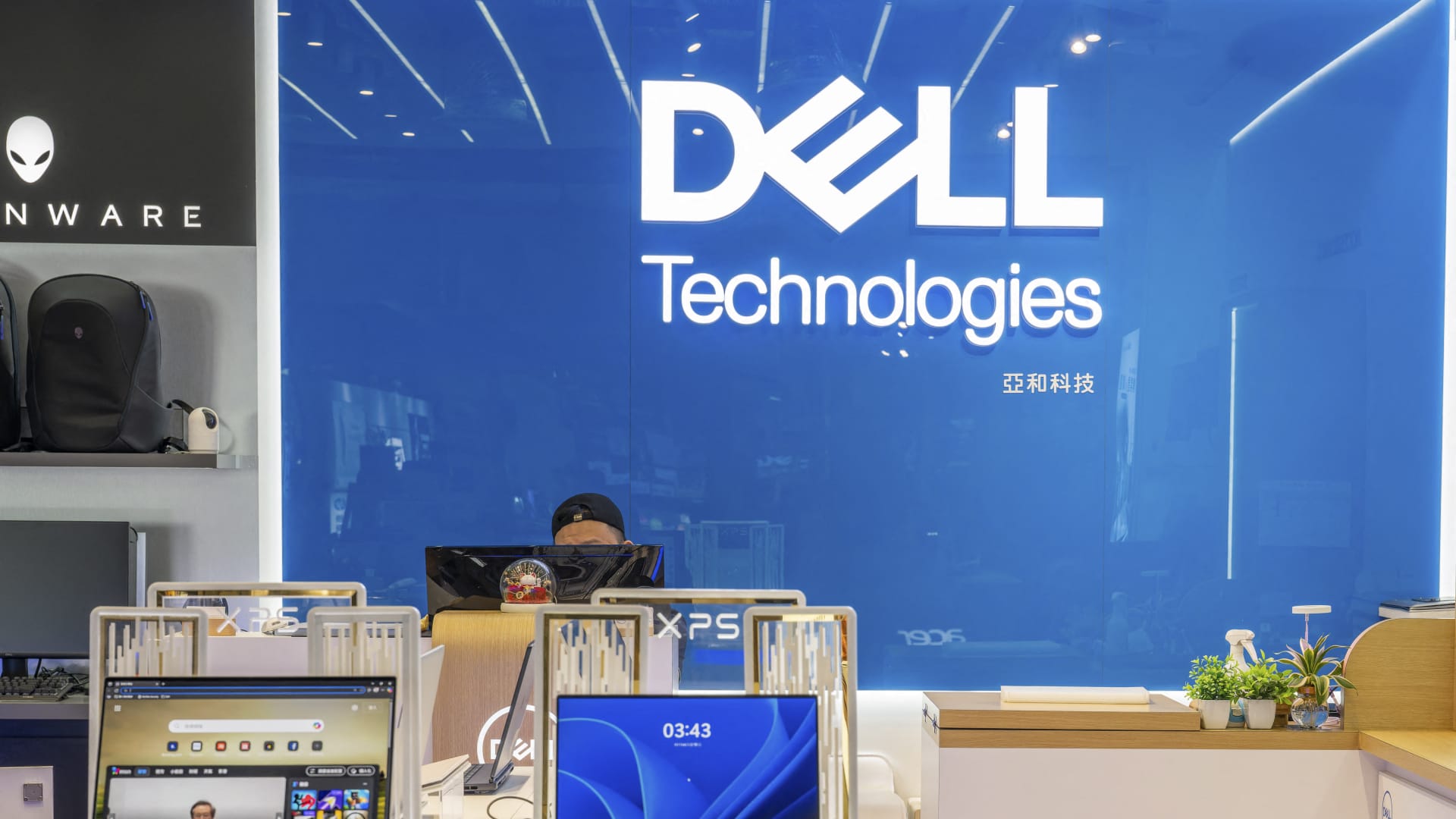
- Dell Stock Surge: Dell Technologies saw a 33% increase in stock price on Friday, marking its best performance ever, driven by significant revenue growth that reflects strong market demand for traditional CPUs and memory hardware, indicating sustained benefits in the AI-driven market.
- Analyst Forecast Adjustments: Morgan Stanley analysts admitted to missing Dell's growth outlook due to its superior memory supply management compared to peers, projecting a significant revenue boost in 2027 from increased demand for DRAM and NAND chips, showcasing the company's competitive edge in a constrained supply environment.
- Emergence of New Computing Model: Analysts noted that CPU-driven orchestration could signify a new computing model, emphasizing the demand for CPU performance driven by agentic AI, suggesting a shift in hardware design reliance from GPUs to traditional processors that could reshape the industry landscape.
- Nvidia Product Launch: Nvidia unveiled RTX Spark at the Taiwan computing conference, designed for Windows PCs tailored for personal agents, although analysts expressed caution regarding its short-term impact, this innovation could open new opportunities in the personal electronics market in the future.
See More
Agentic AI Drives Growth in CPU Market


- Market Opportunity: The rise of agentic AI is driving a surge in CPU demand, with the market projected to reach $200 billion in the coming years; although CPUs cost about a tenth of GPUs, the opportunity remains substantial.
- AMD's Leadership: Advanced Micro Devices (AMD) is leading the data center CPU market, expecting server CPU revenue to grow over 70% in Q2 and aiming to capture more than 50% market share, positioning itself for explosive growth.
- Intel's Recovery: Intel saw a 22% increase in data center and AI revenue in Q1, with expectations for continued double-digit growth in Q2; despite losing market share, its foundry and packaging business could provide a supply advantage.
- Arm Holdings' Entry: Arm Holdings announced plans to design its own data center CPUs, projecting a 15% market share and $15 billion in CPU revenue by 2031, highlighting its potential in the agentic AI space.
See More
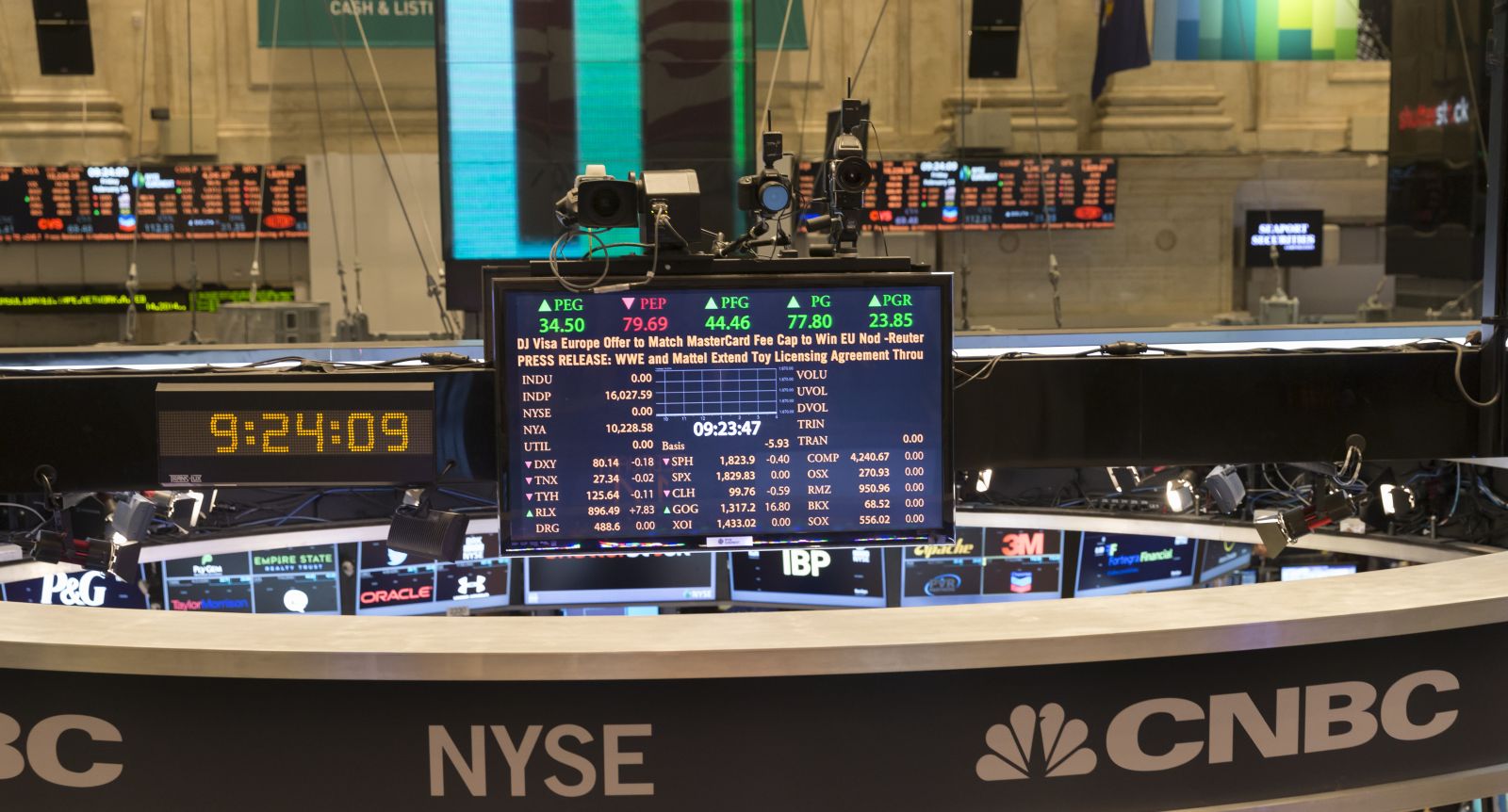
Mixed US Stock Performance Amid Surge in Oil Prices

- Surge in Oil Prices: Crude oil prices surged by 8% after Iran halted ceasefire talks with the US, pressuring the market and causing the S&P 500 to drop by 0.08% and the Dow Jones by 0.43%.
- Strong Tech Stock Performance: Nvidia's announcement of entering the PC market led to a more than 3% increase in its stock, while Microsoft rose over 2%, indicating market support for tech stocks despite mixed overall market performance.
- Positive Manufacturing Data: The US May manufacturing PMI rose by 1.3 points to 54.0, exceeding expectations, although the final revision slightly lowered it to 55.1, reflecting resilience in manufacturing that could positively impact economic recovery.
- Taylor Morrison Acquisition: Taylor Morrison Home Corp's stock surged over 20% following its acquisition by Berkshire Hathaway for approximately $8.5 billion, marking the first acquisition under new CEO Greg Abel and highlighting the company's strategic expansion intentions.
See More
Analyst Ratings Diverge: Software Upgrades, Hardware Downgrades
- Asana Upgrade: Analyst Gary Alexander upgraded Asana (ASAN) to Neutral following a Q1 beat and the strategic acquisition of StackAI, which enhances its AI capabilities, despite risks from sub-100% net retention rates; the valuation at less than 2x revenue post a 50% decline this year makes it appealing.
- Upstart's Strong Growth: Analyst Julian Lin upgraded Upstart (UPST) to Neutral due to a 44% year-over-year revenue growth and a 61% increase in transaction volume, with significant insider buying reflecting confidence in management's optimistic growth targets through 2028, despite ongoing cyclicality risks.
- Dell Downgrade: Analyst Mike Zaccardi downgraded Dell (DELL) to Hold after an impressive Q1 with 88% revenue growth and a 214% EPS surge, as shares now exceed the $390 intrinsic value target, advising investors to take profits after a 38% post-earnings rally.
- AMD Risk Increase: Analyst Kenio Fontes downgraded AMD (AMD) to Sell, citing a deteriorating margin of safety and unfavorable risk-reward after a sharp rally pushed the 2028 P/E to 37x GAAP, suggesting a shift to Nvidia for clearer growth prospects at a lower forward multiple.
See More
Cathie Wood Increases Stake in Cerebras Systems
- Strong IPO Performance: Cerebras Systems went public on May 14 with an IPO price of $185, opening at $350 and closing at $311 on its first day, indicating robust market demand despite subsequent price fluctuations that have drawn investor interest.
- Significant Technical Advantage: The company's single large chip design allows speeds up to 15 times faster than traditional GPUs, attracting high-profile clients like OpenAI, and is expected to drive revenue growth with a target of $510 million by 2025.
- Strategic Partnerships: Cerebras has signed a multiyear deal valued at over $20 billion with OpenAI and established partnerships with Meta and Amazon, which will further solidify its position in the AI chip market and enhance brand influence.
- Cautious Market Reaction: Despite the strong IPO performance, investors should approach with caution, particularly those who bought at $350, as the current price has fallen to $236, reflecting market concerns over short-term volatility.
See More
Cathie Wood Invests in Cerebras Systems IPO
- Strong IPO Performance: Cerebras Systems went public on May 14, with its IPO price rising from an expected range of $115-$125 to $185, opening at $350, indicating strong market interest in its large chip technology, despite closing at $311, reflecting investor focus on long-term potential.
- Technological Innovation Advantage: Cerebras' single large chip design allows speeds up to 15 times faster than traditional GPUs, attracting high-profile clients like OpenAI to sign a multiyear deal valued at over $20 billion, further solidifying its position in the AI chip market.
- Investor Caution Advised: While Cerebras' IPO performance is impressive, the stark contrast between early investors' gains and later investors' losses serves as a reminder for investors to carefully analyze a company's long-term prospects before chasing hot stocks.
- Market Competition Landscape: Cerebras' success challenges the traditional semiconductor industry, aligning with Cathie Wood's investment strategy, demonstrating her commitment to seeking disruptive innovations in rapidly changing tech sectors while also prompting investors to consider other potential investment opportunities.
See More
Agentic AI Drives Surge in CPU Demand
- Dell Stock Surge: Dell Technologies saw a 33% increase in stock price on Friday, marking its best performance ever, driven by significant revenue growth that reflects strong market demand for traditional CPUs and memory hardware, indicating sustained benefits in the AI-driven market.
- Analyst Forecast Adjustments: Morgan Stanley analysts admitted to missing Dell's growth outlook due to its superior memory supply management compared to peers, projecting a significant revenue boost in 2027 from increased demand for DRAM and NAND chips, showcasing the company's competitive edge in a constrained supply environment.
- Emergence of New Computing Model: Analysts noted that CPU-driven orchestration could signify a new computing model, emphasizing the demand for CPU performance driven by agentic AI, suggesting a shift in hardware design reliance from GPUs to traditional processors that could reshape the industry landscape.
- Nvidia Product Launch: Nvidia unveiled RTX Spark at the Taiwan computing conference, designed for Windows PCs tailored for personal agents, although analysts expressed caution regarding its short-term impact, this innovation could open new opportunities in the personal electronics market in the future.
See More
Agentic AI Drives Growth in CPU Market
- Market Opportunity: The rise of agentic AI is driving a surge in CPU demand, with the market projected to reach $200 billion in the coming years; although CPUs cost about a tenth of GPUs, the opportunity remains substantial.
- AMD's Leadership: Advanced Micro Devices (AMD) is leading the data center CPU market, expecting server CPU revenue to grow over 70% in Q2 and aiming to capture more than 50% market share, positioning itself for explosive growth.
- Intel's Recovery: Intel saw a 22% increase in data center and AI revenue in Q1, with expectations for continued double-digit growth in Q2; despite losing market share, its foundry and packaging business could provide a supply advantage.
- Arm Holdings' Entry: Arm Holdings announced plans to design its own data center CPUs, projecting a 15% market share and $15 billion in CPU revenue by 2031, highlighting its potential in the agentic AI space.
See More
Mixed US Stock Performance Amid Surge in Oil Prices
- Surge in Oil Prices: Crude oil prices surged by 8% after Iran halted ceasefire talks with the US, pressuring the market and causing the S&P 500 to drop by 0.08% and the Dow Jones by 0.43%.
- Strong Tech Stock Performance: Nvidia's announcement of entering the PC market led to a more than 3% increase in its stock, while Microsoft rose over 2%, indicating market support for tech stocks despite mixed overall market performance.
- Positive Manufacturing Data: The US May manufacturing PMI rose by 1.3 points to 54.0, exceeding expectations, although the final revision slightly lowered it to 55.1, reflecting resilience in manufacturing that could positively impact economic recovery.
- Taylor Morrison Acquisition: Taylor Morrison Home Corp's stock surged over 20% following its acquisition by Berkshire Hathaway for approximately $8.5 billion, marking the first acquisition under new CEO Greg Abel and highlighting the company's strategic expansion intentions.
See More