

Analysis of IPO Prospects for Three AI Companies
Written by Emily J. Thompson, Senior Investment Analyst
Updated: 1 hour ago
0mins
Source: Fool
- SpaceX Valuation Surge: SpaceX has reached a market cap of $2 trillion, making it one of the largest companies globally, with projected revenue of only $18 billion in 2025; however, its AI data center ambitions and Starlink service generated $11.4 billion last year, growing at 50% annually, indicating substantial growth potential.
- Anthropic's Strong Profitability: Anthropic is expected to generate $10.9 billion this quarter, annualizing close to $45 billion, and if it maintains this growth, it could reach $100 billion in annual revenue soon, all while already being profitable, showcasing its competitive edge in the market.
- OpenAI's Large User Base: OpenAI has an annualized revenue of $25 billion, leading in consumer AI services, but its negative operating margin of 122% indicates significant losses, and it has reportedly missed its 2026 revenue targets, putting it under profitability pressure.
- Investment Choice Analysis: Among the three companies, while SpaceX garners investor interest, Anthropic appears to be the more attractive investment option at IPO based on current revenue and profitability metrics, especially if all debut at similar valuations.
Trade with 70% Backtested Accuracy
Stop guessing "Should I Buy SPCX?" and start using high-conviction signals backed by rigorous historical data.
Sign up today to access powerful investing tools and make smarter, data-driven decisions.
Analyst Views on SPCX
Wall Street analysts forecast SPCX stock price to rise
0 Analyst Rating
0 Buy
0 Hold
0 Sell
Current: 135.000

Low
Averages
High
Current: 135.000
Low
Averages
High
About SPCX
Space Exploration Technologies Corp. designs, manufactures, launches, and operates products and services built on technologies, including rockets and spacecraft. The Company's segments include Space, Connectivity, and artificial intelligence (AI). Its Space segment designs, manufactures, and launches reusable rockets to provide access to space. Its Connectivity segment operates broadband data and communications network powered by approximately 9,600 Starlink broadband and mobile satellites in Low-Earth orbit, delivering connectivity to consumer, enterprises, and government customers over 164 countries, territories, and other markets. In its AI segment, it operates a vertically integrated AI platform spanning its truth-seeking frontier model Grok, AI solutions for consumer and enterprise customers, X-its real-time information, entertainment, and free speech platform and AI computational infrastructure.
About the author

Emily J. Thompson
Emily J. Thompson, a Chartered Financial Analyst (CFA) with 12 years in investment research, graduated with honors from the Wharton School. Specializing in industrial and technology stocks, she provides in-depth analysis for Intellectia’s earnings and market brief reports.

ARK Invest Rapidly Acquires SpaceX Shares Post-IPO

- Strong IPO Performance: SpaceX successfully debuted on June 12 with an opening price of $150, an 11% increase from its offering price, and closed at $160.95, reflecting a 19.2% gain, indicating robust market confidence in its future.
- ARK Investment Strategy: The ARK Innovation ETF (ARKK) emerged as the largest buyer, acquiring 1.69 million shares of SpaceX, signaling strong conviction in Elon Musk's new venture, while the other three ETFs collectively purchased 3.29 million shares.
- Portfolio Adjustments: In addition to increasing its SpaceX holdings, ARK trimmed positions in Tesla (TSLA) by 39,850 shares, Advanced Micro Devices (AMD) by 80,536 shares, Rocket Lab (RKLB) by 50,746 shares, and Roku (ROKU) by 98,835 shares, reflecting a dynamic portfolio strategy.
- Market Reaction Analysis: Analysts are scrutinizing SpaceX's valuation; while the market is optimistic about its IPO performance, some believe its valuation may be inflated, posing potential adjustment risks in the future.
See More

Analysis of IPO Prospects for Three AI Companies

- SpaceX Valuation Surge: SpaceX has reached a market cap of $2 trillion, making it one of the largest companies globally, with projected revenue of only $18 billion in 2025; however, its AI data center ambitions and Starlink service generated $11.4 billion last year, growing at 50% annually, indicating substantial growth potential.
- Anthropic's Strong Profitability: Anthropic is expected to generate $10.9 billion this quarter, annualizing close to $45 billion, and if it maintains this growth, it could reach $100 billion in annual revenue soon, all while already being profitable, showcasing its competitive edge in the market.
- OpenAI's Large User Base: OpenAI has an annualized revenue of $25 billion, leading in consumer AI services, but its negative operating margin of 122% indicates significant losses, and it has reportedly missed its 2026 revenue targets, putting it under profitability pressure.
- Investment Choice Analysis: Among the three companies, while SpaceX garners investor interest, Anthropic appears to be the more attractive investment option at IPO based on current revenue and profitability metrics, especially if all debut at similar valuations.
See More
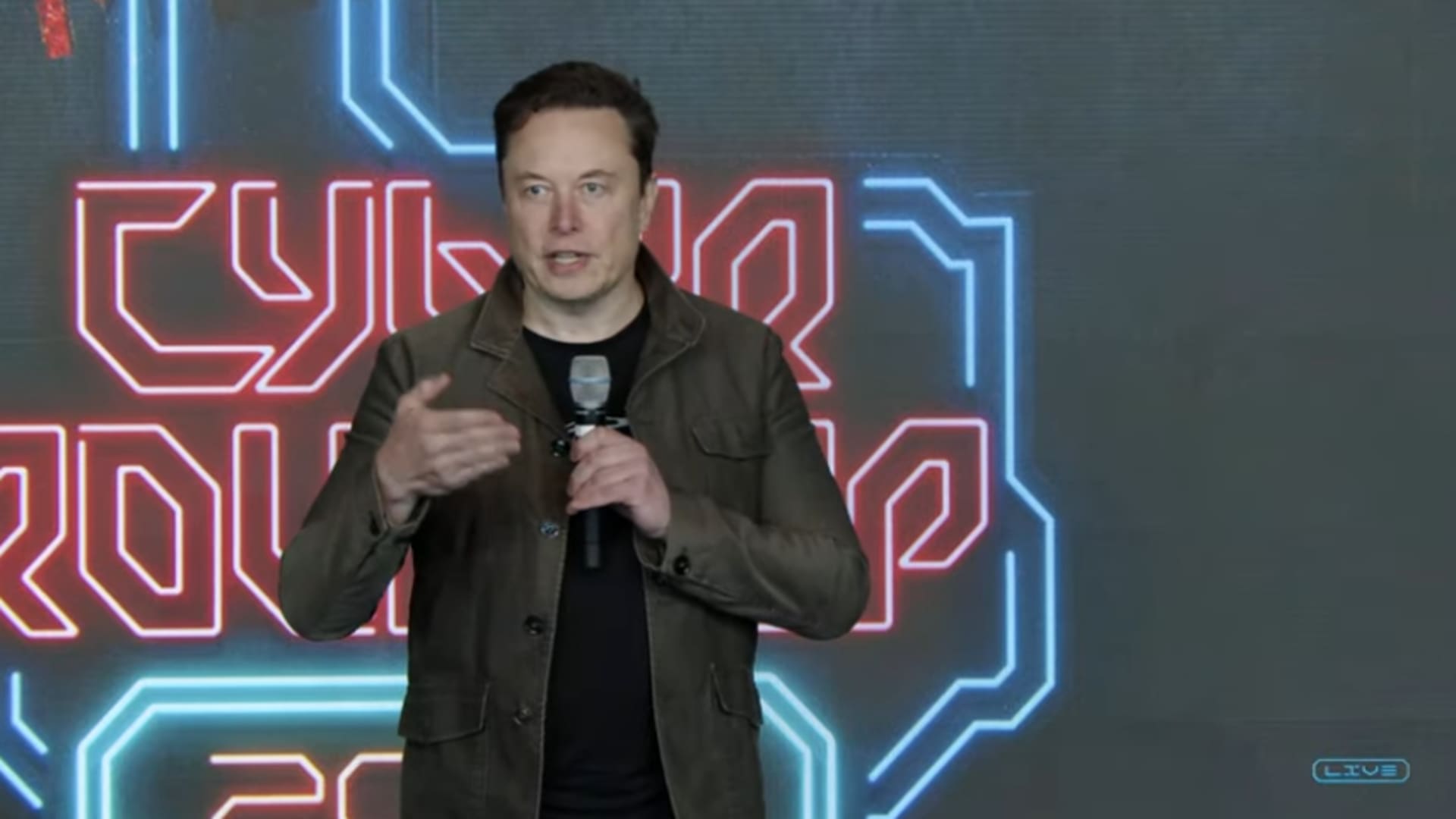
Musk Becomes World's First Trillionaire

- Impact of SpaceX IPO: SpaceX's IPO priced at $135 per share and opened around $150, ending its first trading day with a valuation exceeding $2 trillion, raising approximately $75 billion, significantly boosting Musk's wealth and pushing his net worth past $1 trillion.
- Concerns for Tesla Shareholders: While Tesla remains a $1.3 trillion company, Musk's wealth focus has shifted to SpaceX, creating uncertainty for Tesla shareholders, especially after the company's first revenue decline of 3% in 2025, raising doubts about future growth prospects.
- Capital Expenditure Risks: Tesla's management has guided capital expenditures exceeding $25 billion for 2026, primarily for factories and AI infrastructure, which poses higher risks for shareholders given the company's thin profitability.
- Diversified Investment Choices: With SpaceX's public debut, investors can now directly invest in Musk's space and AI ambitions without the challenges of Tesla's business, potentially diminishing Tesla's attractiveness and shifting investor focus to Musk's other ventures.
See More
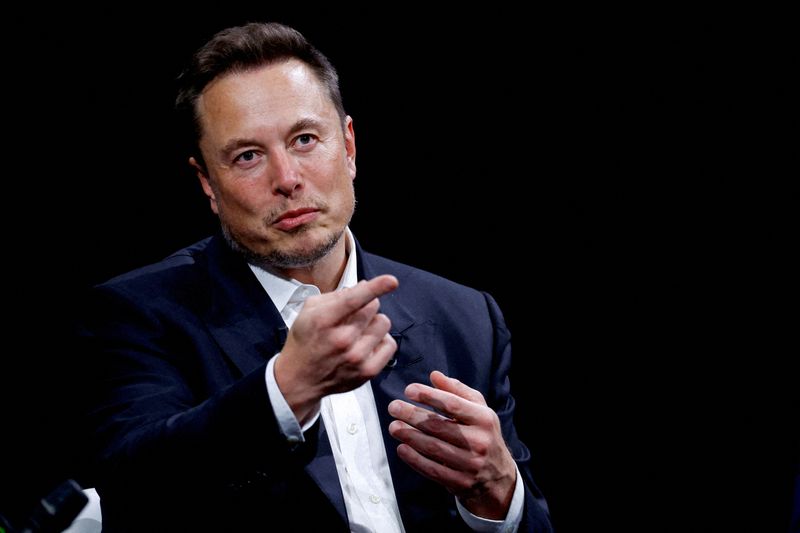
Musk Becomes World's First Trillionaire
- Impact of SpaceX IPO: SpaceX's IPO was priced at $135 per share and opened around $150, ending its first trading day with a valuation exceeding $2 trillion, raising about $75 billion, which significantly boosted Musk's wealth and established SpaceX as one of the largest companies in the U.S.
- Concerns for Tesla Shareholders: While Tesla remains a $1.3 trillion company, its revenue fell by 3% in 2025, marking its first annual decline, and despite a 16% increase in Q1 2026 to $22.4 billion, net income was only $477 million, indicating growth challenges that investors need to monitor closely.
- Capital Expenditure Risks: Tesla's management has guided capital expenditures exceeding $25 billion for 2026, primarily for factories and AI infrastructure, representing a significant increase that could pose risks to the stock price, necessitating careful evaluation by investors.
- Musk's Dual Role: Musk controls about 82% of SpaceX's voting power and owns 42% of its equity, indicating a split focus between two massive companies, which raises questions for Tesla shareholders regarding his commitment and investment direction for Tesla's future.
See More
SpaceX IPO Triggers Significant Drop in Satellite Stocks
- Market Reaction: Following SpaceX's (SPCX) IPO, satellite stocks experienced a significant downturn, with analyst Jack Bowman suggesting that investors may face continued pressure in the coming weeks, particularly until SPCX is included in the Russell 1000 and Nasdaq 100 indexes, which could affect capital flows to other space firms.
- Investor Sentiment: Julia Ostian believes that while the enthusiasm for SpaceX has led to a selloff in other space stocks, this presents a discount opportunity, especially for companies like Intuitive Machines (LUNR) that do not directly compete with SpaceX and could benefit from increased interest in lunar exploration.
- Industry Outlook: Daniel Jones warns that despite the attention drawn by SpaceX's IPO, its stock price may decline under fundamental pressures, putting other space companies like Rocket Lab (RKLB) at higher valuation risks, necessitating caution from investors.
- Investment Strategy: Analysts recommend focusing on companies with strong economic moats and stable cash flows, such as Iridium Communications (IRDM), while avoiding high-risk space firms to mitigate potential losses.
See More
SpaceX IPO Underwhelms Despite High Valuation

- IPO Performance: SpaceX's IPO was priced at $135 per share, closing at approximately $160 on its first day, reflecting a modest 19% increase, which contrasts sharply with historical IPOs that often double, indicating market caution regarding its future profitability.
- Market Valuation: On its debut, SpaceX achieved a market cap of $2.1 trillion, making it the seventh largest company globally, just behind Taiwan Semiconductor, highlighting its significant impact in the aerospace sector but raising concerns about its ongoing losses.
- Index Changes: Due to SpaceX's size and popularity, the Nasdaq-100 plans to include it in about 15 days, which will lead index funds to buy the stock, creating additional demand that may support its price in the near term.
- Business Outlook: While SpaceX's Starlink business is profitable, its substantial R&D investments in space exploration and AI keep it in the red, prompting investors to carefully assess its long-term profitability and associated market risks.
See More
ARK Invest Rapidly Acquires SpaceX Shares Post-IPO
- Strong IPO Performance: SpaceX successfully debuted on June 12 with an opening price of $150, an 11% increase from its offering price, and closed at $160.95, reflecting a 19.2% gain, indicating robust market confidence in its future.
- ARK Investment Strategy: The ARK Innovation ETF (ARKK) emerged as the largest buyer, acquiring 1.69 million shares of SpaceX, signaling strong conviction in Elon Musk's new venture, while the other three ETFs collectively purchased 3.29 million shares.
- Portfolio Adjustments: In addition to increasing its SpaceX holdings, ARK trimmed positions in Tesla (TSLA) by 39,850 shares, Advanced Micro Devices (AMD) by 80,536 shares, Rocket Lab (RKLB) by 50,746 shares, and Roku (ROKU) by 98,835 shares, reflecting a dynamic portfolio strategy.
- Market Reaction Analysis: Analysts are scrutinizing SpaceX's valuation; while the market is optimistic about its IPO performance, some believe its valuation may be inflated, posing potential adjustment risks in the future.
See More
Analysis of IPO Prospects for Three AI Companies
- SpaceX Valuation Surge: SpaceX has reached a market cap of $2 trillion, making it one of the largest companies globally, with projected revenue of only $18 billion in 2025; however, its AI data center ambitions and Starlink service generated $11.4 billion last year, growing at 50% annually, indicating substantial growth potential.
- Anthropic's Strong Profitability: Anthropic is expected to generate $10.9 billion this quarter, annualizing close to $45 billion, and if it maintains this growth, it could reach $100 billion in annual revenue soon, all while already being profitable, showcasing its competitive edge in the market.
- OpenAI's Large User Base: OpenAI has an annualized revenue of $25 billion, leading in consumer AI services, but its negative operating margin of 122% indicates significant losses, and it has reportedly missed its 2026 revenue targets, putting it under profitability pressure.
- Investment Choice Analysis: Among the three companies, while SpaceX garners investor interest, Anthropic appears to be the more attractive investment option at IPO based on current revenue and profitability metrics, especially if all debut at similar valuations.
See More
Musk Becomes World's First Trillionaire
- Impact of SpaceX IPO: SpaceX's IPO priced at $135 per share and opened around $150, ending its first trading day with a valuation exceeding $2 trillion, raising approximately $75 billion, significantly boosting Musk's wealth and pushing his net worth past $1 trillion.
- Concerns for Tesla Shareholders: While Tesla remains a $1.3 trillion company, Musk's wealth focus has shifted to SpaceX, creating uncertainty for Tesla shareholders, especially after the company's first revenue decline of 3% in 2025, raising doubts about future growth prospects.
- Capital Expenditure Risks: Tesla's management has guided capital expenditures exceeding $25 billion for 2026, primarily for factories and AI infrastructure, which poses higher risks for shareholders given the company's thin profitability.
- Diversified Investment Choices: With SpaceX's public debut, investors can now directly invest in Musk's space and AI ambitions without the challenges of Tesla's business, potentially diminishing Tesla's attractiveness and shifting investor focus to Musk's other ventures.
See More
Musk Becomes World's First Trillionaire
- Impact of SpaceX IPO: SpaceX's IPO was priced at $135 per share and opened around $150, ending its first trading day with a valuation exceeding $2 trillion, raising about $75 billion, which significantly boosted Musk's wealth and established SpaceX as one of the largest companies in the U.S.
- Concerns for Tesla Shareholders: While Tesla remains a $1.3 trillion company, its revenue fell by 3% in 2025, marking its first annual decline, and despite a 16% increase in Q1 2026 to $22.4 billion, net income was only $477 million, indicating growth challenges that investors need to monitor closely.
- Capital Expenditure Risks: Tesla's management has guided capital expenditures exceeding $25 billion for 2026, primarily for factories and AI infrastructure, representing a significant increase that could pose risks to the stock price, necessitating careful evaluation by investors.
- Musk's Dual Role: Musk controls about 82% of SpaceX's voting power and owns 42% of its equity, indicating a split focus between two massive companies, which raises questions for Tesla shareholders regarding his commitment and investment direction for Tesla's future.
See More
SpaceX IPO Triggers Significant Drop in Satellite Stocks
- Market Reaction: Following SpaceX's (SPCX) IPO, satellite stocks experienced a significant downturn, with analyst Jack Bowman suggesting that investors may face continued pressure in the coming weeks, particularly until SPCX is included in the Russell 1000 and Nasdaq 100 indexes, which could affect capital flows to other space firms.
- Investor Sentiment: Julia Ostian believes that while the enthusiasm for SpaceX has led to a selloff in other space stocks, this presents a discount opportunity, especially for companies like Intuitive Machines (LUNR) that do not directly compete with SpaceX and could benefit from increased interest in lunar exploration.
- Industry Outlook: Daniel Jones warns that despite the attention drawn by SpaceX's IPO, its stock price may decline under fundamental pressures, putting other space companies like Rocket Lab (RKLB) at higher valuation risks, necessitating caution from investors.
- Investment Strategy: Analysts recommend focusing on companies with strong economic moats and stable cash flows, such as Iridium Communications (IRDM), while avoiding high-risk space firms to mitigate potential losses.
See More
SpaceX IPO Underwhelms Despite High Valuation
- IPO Performance: SpaceX's IPO was priced at $135 per share, closing at approximately $160 on its first day, reflecting a modest 19% increase, which contrasts sharply with historical IPOs that often double, indicating market caution regarding its future profitability.
- Market Valuation: On its debut, SpaceX achieved a market cap of $2.1 trillion, making it the seventh largest company globally, just behind Taiwan Semiconductor, highlighting its significant impact in the aerospace sector but raising concerns about its ongoing losses.
- Index Changes: Due to SpaceX's size and popularity, the Nasdaq-100 plans to include it in about 15 days, which will lead index funds to buy the stock, creating additional demand that may support its price in the near term.
- Business Outlook: While SpaceX's Starlink business is profitable, its substantial R&D investments in space exploration and AI keep it in the red, prompting investors to carefully assess its long-term profitability and associated market risks.
See More




