American Airlines Stock Rebounds, Optimistic Outlook
Written by Emily J. Thompson, Senior Investment Analyst
Updated: 3 days ago
0mins
Source: seekingalpha
- Stock Rebound: American Airlines (AAL) ended Friday up 1.54% at $13.51, halting a six-session decline that saw an 11% drop, indicating market expectations for a short-term recovery.
- Quarterly Revenue Guidance: Management projects revenue growth between 13.5% and 16.5% for the current quarter, which at the midpoint would represent the strongest quarterly growth in years, highlighting the company's potential for revenue recovery.
- Earnings Volatility: EPS is guided between a loss of $0.20 and a gain of $0.20, reflecting uncertainty in fuel costs; however, analysts believe the market is undervaluing the carrier's structural revenue recovery potential despite a challenged balance sheet.
- Analyst Ratings: On Wall Street, 13 analysts rated AAL as Buy or higher, while 11 rated it Hold, indicating a divergence in market sentiment regarding its future performance, although the overall outlook remains optimistic.
Trade with 70% Backtested Accuracy
Stop guessing "Should I Buy AAL?" and start using high-conviction signals backed by rigorous historical data.
Sign up today to access powerful investing tools and make smarter, data-driven decisions.
Analyst Views on AAL
Wall Street analysts forecast AAL stock price to rise
15 Analyst Rating
7 Buy
7 Hold
1 Sell
Moderate Buy
Current: 13.500

Low
11.00
Averages
17.93
High
22.00
Current: 13.500
Low
11.00
Averages
17.93
High
22.00
About AAL
American Airlines Group Inc. is a holding company. Its primary business activity is the operation of a major network air carrier, providing scheduled air transportation for passengers and cargo through its hubs in Charlotte, Chicago, Dallas/Fort Worth, Los Angeles, Miami, New York, Philadelphia, Phoenix and Washington, D.C. and partner gateways, including in London, Doha, Madrid, Seattle/Tacoma, Sydney and Tokyo, among others. Together with its regional airline subsidiaries and third-party regional carriers operating as American Eagle. Its cargo division provides a wide range of freight and mail services, with facilities and interline connections available across the globe. It operates approximately 977 mainline aircraft supported by its regional airline subsidiaries and third-party regional carriers, which together operate an additional 585 regional aircraft. Its subsidiaries include American Airlines, Inc., Envoy Aviation Group Inc., PSA Airlines, Inc. and Piedmont Airlines, Inc.
About the author

Emily J. Thompson
Emily J. Thompson, a Chartered Financial Analyst (CFA) with 12 years in investment research, graduated with honors from the Wharton School. Specializing in industrial and technology stocks, she provides in-depth analysis for Intellectia’s earnings and market brief reports.

US Stocks Show Mixed Performance as Tech Stocks Rebound


- Market Performance: The S&P 500 rose by 0.3% and the Nasdaq 100 jumped 1.6%, while the Dow Jones fell by 0.2%, indicating a positive impact from the rebound in tech stocks despite ongoing geopolitical risks in the Middle East.
- Chip Industry Update: Intel secured an order for over 3 million specialized AI chips from Google, significantly boosting its stock price on Monday, highlighting the continued investment and demand for AI technology from major tech players, which may enhance Intel's market share.
- Airline Cost Pressures: Rising jet fuel prices driven by geopolitical tensions pushed U.S. passenger airlines' fuel expenses up 78% year-over-year in April to nearly $6.5 billion, indicating significant cost challenges that could impact future profitability in the industry.
- Investor Sentiment: Despite Apple's introduction of Siri AI at WWDC 2026, the lack of a clear launch timeline led to a nearly 2% drop in its stock price, reflecting cautious market sentiment towards new technology releases while indicating ongoing investor focus on tech stocks.
See More
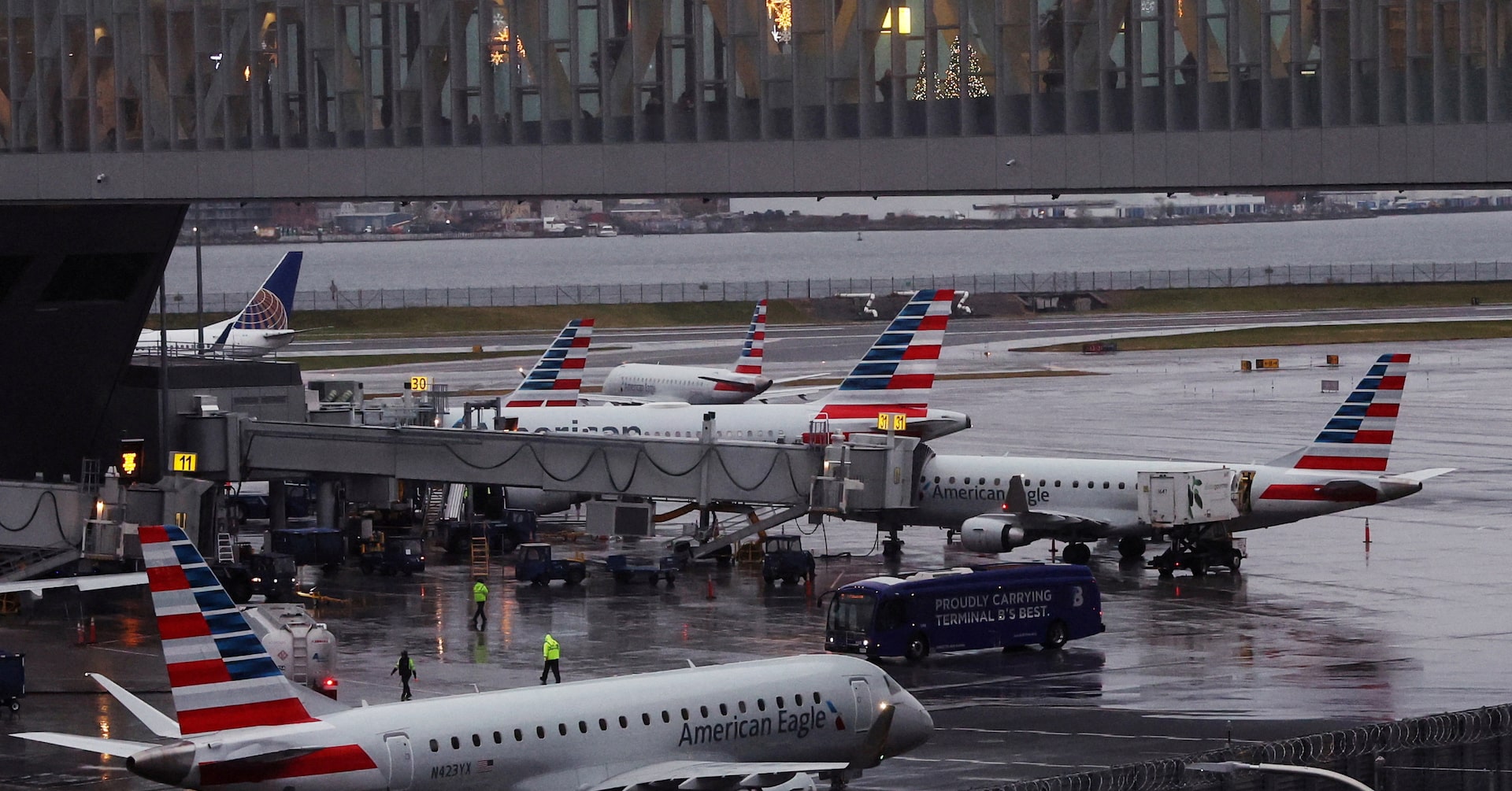
U.S. Airlines Fuel Spending Soars 78% Amid Geopolitical Tensions

- Surging Fuel Expenses: U.S. scheduled airlines' fuel spending skyrocketed 78% year-over-year to $6.47 billion in April, primarily driven by geopolitical tensions in the Middle East, indicating increasing financial pressure on the aviation industry.
- Jet Fuel Price Surge: The average cost of jet fuel reached $4.11 per gallon in April, a 29.6% increase from March and a staggering 78.2% jump from $2.31 in April 2025, which will further strain airlines' operational costs.
- Slight Consumption Decline: Despite soaring fuel expenses, U.S. carriers consumed 1.573 billion gallons of fuel in April, reflecting a 2.6% decrease from the previous month and a 0.2% drop from a year ago, indicating operational adjustments in a high-cost environment.
- Bleak Industry Outlook: The International Air Transport Association (IATA) sharply downgraded its 2026 global airline net profit forecast to $23 billion, significantly lower than the previous $41 billion estimate, highlighting the profound impact of high fuel costs and operational challenges on the industry.
See More

United Airlines CEO Dismisses Merger Possibilities
- Consolidation Outlook Dim: United Airlines CEO Scott Kirby stated that despite the recent mergers of Allegiant with Sun Country and Alaska Airlines with Hawaiian Airlines, he does not foresee further consolidation in the U.S. airline industry, emphasizing that deals lacking economic sense should not be pursued.
- Rejection of JetBlue Merger: Kirby has repeatedly dismissed the idea of merging with partner JetBlue Airways, although he previously floated the possibility of a merger with American Airlines during the Trump administration; however, the lack of support from American's management has hindered any potential deal.
- Impact of Market Maturity: Kirby pointed out that the U.S. domestic air travel market is mature, suggesting that future growth will primarily come from international travel, which may influence United Airlines' market positioning and competitive strategy moving forward.
- Trend Towards Collaboration: Delta Air Lines President Peter Carter echoed similar sentiments, stating that Delta does not foresee mergers or acquisitions in its future, instead focusing on partnerships and joint ventures, indicating a cautious approach within the airline industry regarding consolidation.
See More

United Airlines CEO Dismisses Future Mergers
- Merger Intentions Cooling: United Airlines CEO Scott Kirby stated that he does not foresee further airline consolidation in the U.S., emphasizing that the airline will not pursue mergers just for the sake of it, reflecting a cautious approach towards industry integration.
- Economic Rationality Consideration: Kirby pointed out that past merger cases indicate that successful consolidations require economic sense, and currently, there are no suitable opportunities, showcasing his deep understanding of the market environment.
- Significant Regulatory Barriers: Although Kirby had considered merging with American Airlines, he acknowledged that this idea faces substantial regulatory hurdles, indicating the complexity and uncertainty of mergers that could impact future strategic decisions.
- Focus on International Markets: Both Kirby and Delta Airlines President Peter Carter noted that future competition will increasingly focus on international markets, particularly trans-Pacific routes, highlighting the importance of expanding international business.
See More
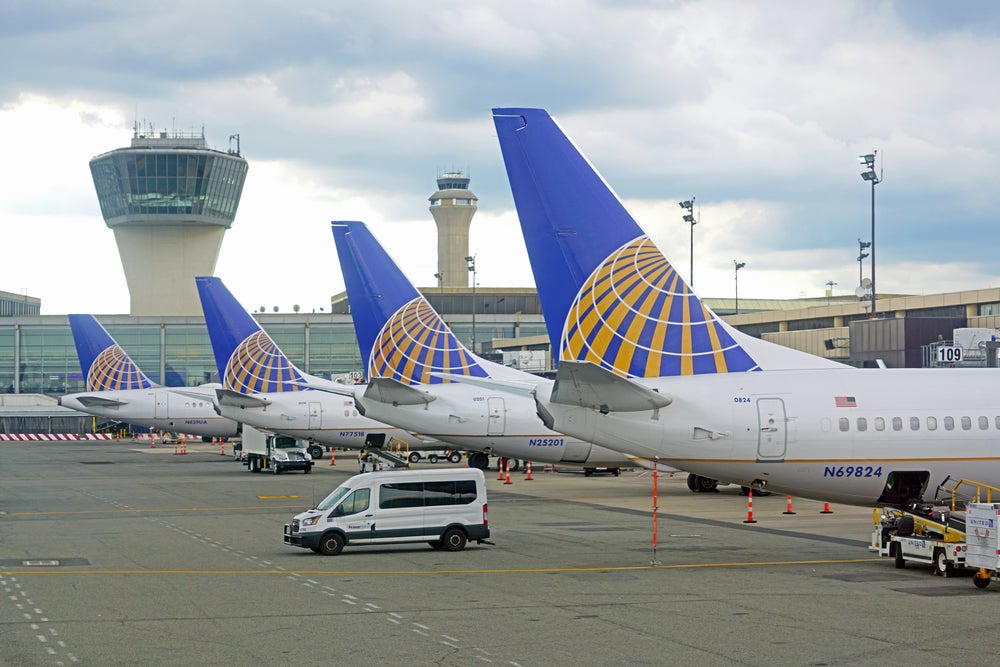
IATA Lowers Airline Profit Forecast Amid Rising Fuel Costs

- Profit Outlook Downgrade: The International Air Transport Association (IATA) has revised its 2026 global airline profit forecast down from $41 billion to $23 billion, highlighting the severe impact of rising fuel costs and Middle East conflicts on industry profitability.
- Fuel Cost Surge: Airline fuel costs are expected to reach $350 billion in 2026, a significant increase from $252 billion in 2025, with fuel expenses potentially accounting for one-third of total airline costs, further squeezing profit margins.
- Major Airlines Adjust Forecasts: American Airlines (AAL) and United Airlines (UAL) have lowered their 2026 earnings projections, with UAL now expecting adjusted earnings between $7 and $11 per share, down from a previous estimate of $12 to $14, indicating the cost pressures facing the industry.
- Negative Market Reaction: Following the IATA warning, shares of major U.S. airlines fell, with AAL and UAL dropping 11% and 5% respectively, reflecting investor concerns over the future profitability of the airline sector.
See More
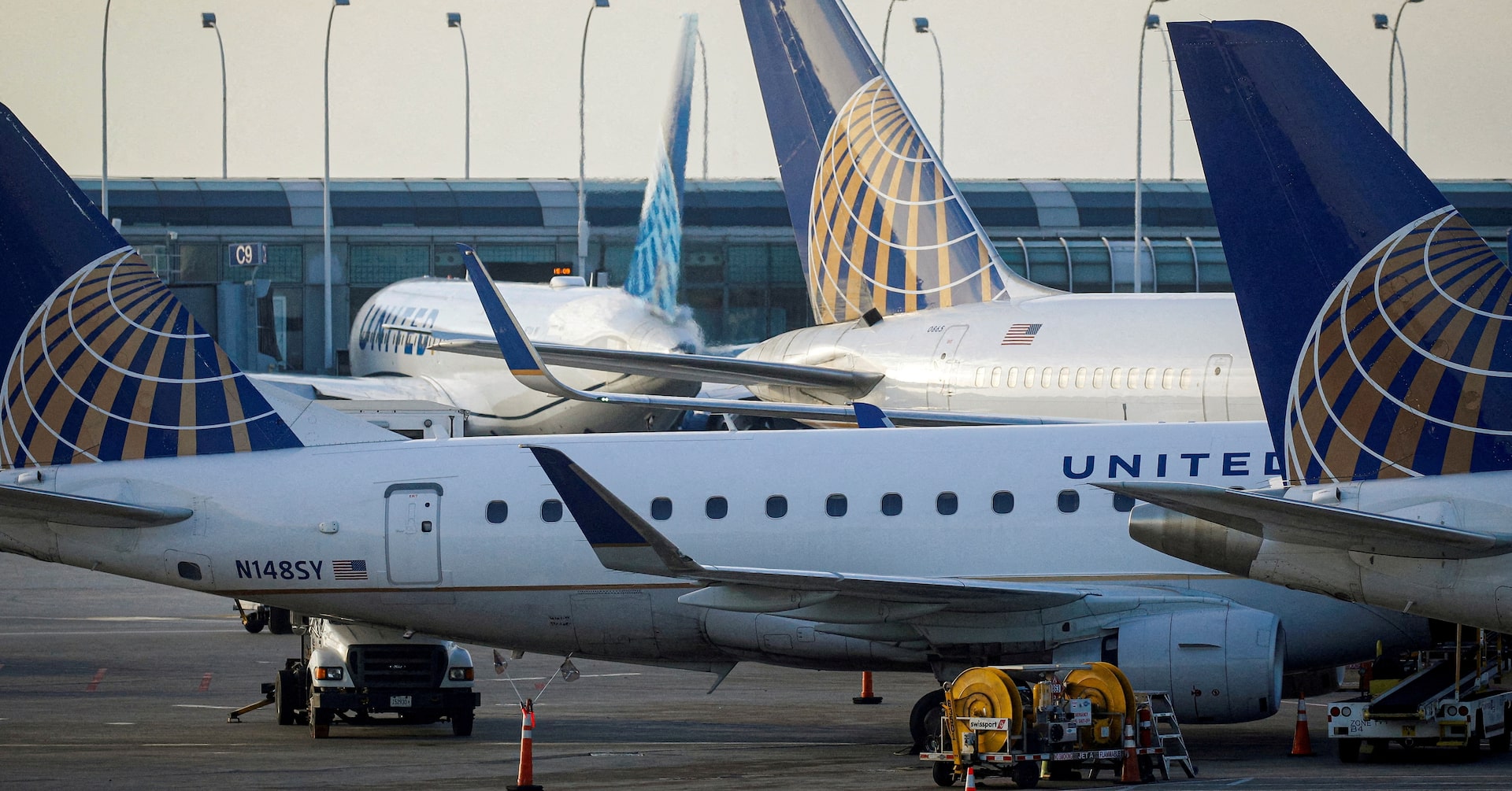
United Airlines Open to Acquisitions Amid Fuel Price Pressures
- Acquisition Intent: United Airlines CEO Scott Kirby stated that despite the failed merger attempt with American Airlines, the company remains open to acquiring airport slots, gates, and other assets, particularly as higher fuel prices pressure weaker competitors.
- Merger Challenges: Kirby emphasized that any large merger would require support from American's management, and their public opposition rendered the transaction impractical, even though he believed it would have benefited consumers.
- Market Dynamics: Rising fuel prices are testing airline margins, with Kirby noting that United expects to recover losses from soaring fuel costs through increased fares, reflecting confidence in demand despite acknowledging that higher prices may impact demand.
- Brand Loyalty: Kirby argued that strong brand loyalty is allowing United and Delta Airlines to excel in the market, highlighting that customers prioritize technology, service, and reliability over price, which supports the company's future investment strategies.
See More
US Stocks Show Mixed Performance as Tech Stocks Rebound
- Market Performance: The S&P 500 rose by 0.3% and the Nasdaq 100 jumped 1.6%, while the Dow Jones fell by 0.2%, indicating a positive impact from the rebound in tech stocks despite ongoing geopolitical risks in the Middle East.
- Chip Industry Update: Intel secured an order for over 3 million specialized AI chips from Google, significantly boosting its stock price on Monday, highlighting the continued investment and demand for AI technology from major tech players, which may enhance Intel's market share.
- Airline Cost Pressures: Rising jet fuel prices driven by geopolitical tensions pushed U.S. passenger airlines' fuel expenses up 78% year-over-year in April to nearly $6.5 billion, indicating significant cost challenges that could impact future profitability in the industry.
- Investor Sentiment: Despite Apple's introduction of Siri AI at WWDC 2026, the lack of a clear launch timeline led to a nearly 2% drop in its stock price, reflecting cautious market sentiment towards new technology releases while indicating ongoing investor focus on tech stocks.
See More
U.S. Airlines Fuel Spending Soars 78% Amid Geopolitical Tensions
- Surging Fuel Expenses: U.S. scheduled airlines' fuel spending skyrocketed 78% year-over-year to $6.47 billion in April, primarily driven by geopolitical tensions in the Middle East, indicating increasing financial pressure on the aviation industry.
- Jet Fuel Price Surge: The average cost of jet fuel reached $4.11 per gallon in April, a 29.6% increase from March and a staggering 78.2% jump from $2.31 in April 2025, which will further strain airlines' operational costs.
- Slight Consumption Decline: Despite soaring fuel expenses, U.S. carriers consumed 1.573 billion gallons of fuel in April, reflecting a 2.6% decrease from the previous month and a 0.2% drop from a year ago, indicating operational adjustments in a high-cost environment.
- Bleak Industry Outlook: The International Air Transport Association (IATA) sharply downgraded its 2026 global airline net profit forecast to $23 billion, significantly lower than the previous $41 billion estimate, highlighting the profound impact of high fuel costs and operational challenges on the industry.
See More
United Airlines CEO Dismisses Merger Possibilities
- Consolidation Outlook Dim: United Airlines CEO Scott Kirby stated that despite the recent mergers of Allegiant with Sun Country and Alaska Airlines with Hawaiian Airlines, he does not foresee further consolidation in the U.S. airline industry, emphasizing that deals lacking economic sense should not be pursued.
- Rejection of JetBlue Merger: Kirby has repeatedly dismissed the idea of merging with partner JetBlue Airways, although he previously floated the possibility of a merger with American Airlines during the Trump administration; however, the lack of support from American's management has hindered any potential deal.
- Impact of Market Maturity: Kirby pointed out that the U.S. domestic air travel market is mature, suggesting that future growth will primarily come from international travel, which may influence United Airlines' market positioning and competitive strategy moving forward.
- Trend Towards Collaboration: Delta Air Lines President Peter Carter echoed similar sentiments, stating that Delta does not foresee mergers or acquisitions in its future, instead focusing on partnerships and joint ventures, indicating a cautious approach within the airline industry regarding consolidation.
See More
United Airlines CEO Dismisses Future Mergers
- Merger Intentions Cooling: United Airlines CEO Scott Kirby stated that he does not foresee further airline consolidation in the U.S., emphasizing that the airline will not pursue mergers just for the sake of it, reflecting a cautious approach towards industry integration.
- Economic Rationality Consideration: Kirby pointed out that past merger cases indicate that successful consolidations require economic sense, and currently, there are no suitable opportunities, showcasing his deep understanding of the market environment.
- Significant Regulatory Barriers: Although Kirby had considered merging with American Airlines, he acknowledged that this idea faces substantial regulatory hurdles, indicating the complexity and uncertainty of mergers that could impact future strategic decisions.
- Focus on International Markets: Both Kirby and Delta Airlines President Peter Carter noted that future competition will increasingly focus on international markets, particularly trans-Pacific routes, highlighting the importance of expanding international business.
See More
IATA Lowers Airline Profit Forecast Amid Rising Fuel Costs
- Profit Outlook Downgrade: The International Air Transport Association (IATA) has revised its 2026 global airline profit forecast down from $41 billion to $23 billion, highlighting the severe impact of rising fuel costs and Middle East conflicts on industry profitability.
- Fuel Cost Surge: Airline fuel costs are expected to reach $350 billion in 2026, a significant increase from $252 billion in 2025, with fuel expenses potentially accounting for one-third of total airline costs, further squeezing profit margins.
- Major Airlines Adjust Forecasts: American Airlines (AAL) and United Airlines (UAL) have lowered their 2026 earnings projections, with UAL now expecting adjusted earnings between $7 and $11 per share, down from a previous estimate of $12 to $14, indicating the cost pressures facing the industry.
- Negative Market Reaction: Following the IATA warning, shares of major U.S. airlines fell, with AAL and UAL dropping 11% and 5% respectively, reflecting investor concerns over the future profitability of the airline sector.
See More
United Airlines Open to Acquisitions Amid Fuel Price Pressures
- Acquisition Intent: United Airlines CEO Scott Kirby stated that despite the failed merger attempt with American Airlines, the company remains open to acquiring airport slots, gates, and other assets, particularly as higher fuel prices pressure weaker competitors.
- Merger Challenges: Kirby emphasized that any large merger would require support from American's management, and their public opposition rendered the transaction impractical, even though he believed it would have benefited consumers.
- Market Dynamics: Rising fuel prices are testing airline margins, with Kirby noting that United expects to recover losses from soaring fuel costs through increased fares, reflecting confidence in demand despite acknowledging that higher prices may impact demand.
- Brand Loyalty: Kirby argued that strong brand loyalty is allowing United and Delta Airlines to excel in the market, highlighting that customers prioritize technology, service, and reliability over price, which supports the company's future investment strategies.
See More