

AMD Poised for Growth Amid AI Data Center Demand
Written by Emily J. Thompson, Senior Investment Analyst
Updated: May 05 2026
0mins

Source: Yahoo Finance
- Strong Growth Outlook: AMD is expected to achieve significant growth driven by surging demand for AI data centers, particularly in cloud computing and high-performance computing, indicating robust market interest in its products.
- Pricing Pressure Challenges: Despite strong demand, the company faces pricing pressures that could negatively impact its margins, especially in an increasingly competitive market environment.
- Optimistic Market Prospects: With the rapid advancement of AI technologies, AMD is anticipated to continue benefiting from increased investments in data centers over the coming quarters, further solidifying its market position.
- Need for Strategic Adjustments: To address potential margin pressures, AMD may need to adjust its pricing strategies and cost structures to maintain competitiveness and ensure sustainable growth.
Trade with 70% Backtested Accuracy
Stop guessing "Should I Buy AMD?" and start using high-conviction signals backed by rigorous historical data.
Sign up today to access powerful investing tools and make smarter, data-driven decisions.
Analyst Views on AMD
Wall Street analysts forecast AMD stock price to fall
33 Analyst Rating
25 Buy
8 Hold
0 Sell
Strong Buy
Current: 547.260

Low
210.00
Averages
289.13
High
377.00
Current: 547.260
Low
210.00
Averages
289.13
High
377.00
About AMD
Advanced Micro Devices, Inc. is a global semiconductor company. The Company is focused on high-performance computing and artificial intelligence (AI). Its segments include Data Center, Client and Gaming, and Embedded. Data Center segment includes AI accelerators, microprocessors (CPUs) for servers, graphics processing units (GPUs), accelerated processing units (APUs), data processing units (DPUs), Field Programmable Gate Arrays (FPGAs), and Adaptive system-on-Chip (SoC) products for data centers. Client and Gaming segment includes CPUs, APUs, chipsets for desktops and notebooks, discrete GPUs, and semi-custom SoC products and development services. Embedded segment includes embedded CPUs, APUs, FPGAs, system on modules (SOMs), and Adaptive SoC products. It markets and sells its products under the AMD trademark. Its products include AMD EPYC, AMD Ryzen, AMD Ryzen PRO, Virtex UltraScale+, among others.
About the author

Emily J. Thompson
Emily J. Thompson, a Chartered Financial Analyst (CFA) with 12 years in investment research, graduated with honors from the Wharton School. Specializing in industrial and technology stocks, she provides in-depth analysis for Intellectia’s earnings and market brief reports.

AMD Acquires MEXT to Enhance AI Technology

- Acquisition of MEXT: AMD's announcement of acquiring MEXT, a company specializing in AI-driven memory optimization technology, aims to address memory constraints faced by modern data centers, thereby enhancing performance and efficiency for AI and data-heavy workloads.
- Technological Advantage: MEXT's technology allows flash storage to behave more like DRAM, which not only helps customers deploy workloads more efficiently at a lower total cost but also strengthens AMD's competitive position in the AI and data center market.
- Positive Market Reaction: Following the acquisition announcement, AMD's stock surged over 6% to approximately $545.10, extending its strong rally for the week, indicating renewed investor confidence in the deal.
- Optimistic Analyst Ratings: Seeking Alpha's Quant rating stands at 4.99 (strong buy), while Wall Street analysts are even more bullish with a rating of 4.54, reflecting strong market optimism regarding AMD's future growth potential.
See More

U.S. Stocks Close Mixed: Dow Hits All-Time High


- Dow Hits All-Time High: The Dow Jones Industrial Average rose by 0.64%, reaching a new all-time high, reflecting investor confidence in economic recovery, despite mixed overall market performance indicating divergent views among investors on various sectors.
- Chip Stocks Decline: With Marvell Technology and Intel falling over 9% and 8% respectively, the weakness in chipmakers weighed on the broader market, suggesting that the pressure on tech stocks may impact future investment sentiment.
- Weak Housing Data: U.S. May housing starts fell 15.4% month-over-month to a six-year low of 1.177 million, below expectations of 1.430 million, indicating that the weakness in the housing market could pose challenges to economic growth.
- Oil Prices Plummet: WTI crude oil prices dropped more than 5% to a 3.5-month low due to the U.S.-Iran agreement to reopen the Strait of Hormuz, enhancing expectations for a revival in oil supplies, which may affect the performance of energy stocks.
See More

Rackspace Partners with AMD, Shares Surge Amid Workforce Cuts

- Partnership Expansion: Rackspace announced an expansion of its partnership with AMD, planning to deploy 30 MW of compute capacity for highly regulated enterprise clients from 2026 to 2028, which, while not significantly impacting AMD, is crucial for boosting market confidence in Rackspace.
- Stock Price Surge: Rackspace shares rallied by 21.2% on Tuesday, settling at a 5% gain, reflecting a positive market response to its new strategy, although its market cap remains below $1.5 billion, indicating cautious optimism among investors regarding its future.
- Workforce Reduction: The company revealed a 15% workforce reduction, expected to save between $75 million and $85 million annually, aimed at refocusing on AI opportunities, despite only achieving 2% revenue growth last quarter and still facing slight operating losses.
- Risks and Opportunities: Although Rackspace's stock has surged 543% in 2026, it still faces significant debt and market uncertainties, making future profitable growth uncertain, thus investors should approach with caution.
See More

Rackspace Announces Deployment of AMD AI Chips
- Compute Capacity Expansion: Rackspace announced an expanded partnership with AMD to deploy 30 MW of compute capacity from 2026 to 2028, primarily targeting enterprise clients in highly regulated industries like healthcare, thereby enhancing its competitive position in the cloud computing market.
- Workforce Reduction: The company will reduce its workforce by 15%, expected to save between $75 million and $85 million annually, a move aimed at lowering operating costs and refocusing on AI-related services in response to only 2% revenue growth and slight operating losses over recent quarters.
- Stock Price Volatility: Although Rackspace's stock has surged over 540% this year, it remains below its IPO price of $21 from 2020, reflecting market caution regarding its future profitability while also indicating speculative potential as a small-cap stock.
- Market Risks: Rackspace carries significant debt, and while the partnership with AMD may provide a turnaround opportunity, it remains to be seen if it can genuinely accelerate profitable growth, especially amid increasing risks of data leakage.
See More
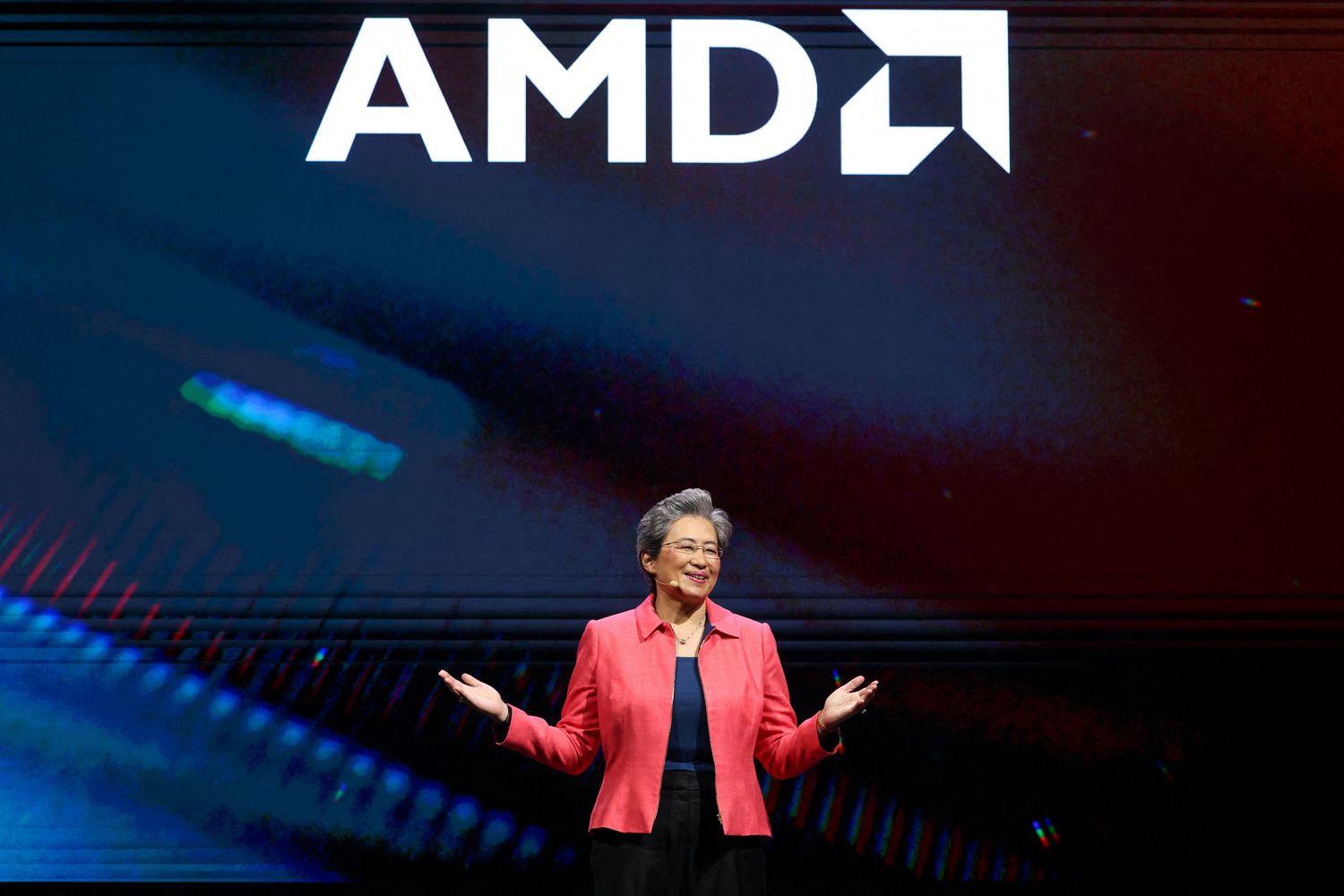
AMD Acquires MEXT to Optimize AI Memory
- Acquisition of MEXT: AMD shares rose about 2% in early Tuesday trading after announcing the acquisition of MEXT, a company focused on AI-driven memory optimization technology, aimed at addressing growing memory constraints that impact AI and data-intensive workloads.
- Technological Advantage: MEXT's technology enables flash storage to function more like DRAM, a high-speed memory commonly used in servers and computing systems, which is expected to enhance AMD's competitiveness in AI and data center offerings.
- Team Integration: MEXT's engineering team will join AMD, bringing expertise that could support future expansion in enterprise and cloud computing markets, further driving AMD's strategic positioning in the rapidly evolving AI infrastructure sector.
- Market Challenges: Despite the acquisition enhancing technological capabilities, AMD faces nine warning signs, raising questions about its fair valuation, necessitating close attention to its long-term growth potential.
See More

AI Capabilities Increasingly Governed by Sovereign Authority

- Sovereign Intervention Intensifies: Morse highlights that access to AI capabilities is increasingly governed by sovereign authority rather than markets or partnerships, particularly illustrated by the U.S. government's export control directive affecting Anthropic's Mythos and Fable models, indicating a recognition of frontier AI systems as strategic assets.
- Impact of Export Controls: Following the launch of Claude Fable 5 and Mythos 5, Anthropic was forced to restrict access for foreign users within just 72 hours due to U.S. export control directives, effectively disabling these new systems and reflecting the immediate impact of national security considerations on AI development.
- Evolution of Technology Governance: Morse argues that Washington's approach to AI governance is evolving from primarily targeting hardware, such as chips from Nvidia and AMD, to controlling access to the intelligence itself, indicating a rising emphasis on the importance of controlling technology.
- Investor Focus Shift: For investors, the focus of AI competition is shifting from which company builds the best model to which companies and countries can maintain reliable access to the technologies underpinning the AI economy, with the Anthropic incident suggesting that the ability to control access will be a key factor in future AI competition.
See More
AMD Acquires MEXT to Enhance AI Technology
- Acquisition of MEXT: AMD's announcement of acquiring MEXT, a company specializing in AI-driven memory optimization technology, aims to address memory constraints faced by modern data centers, thereby enhancing performance and efficiency for AI and data-heavy workloads.
- Technological Advantage: MEXT's technology allows flash storage to behave more like DRAM, which not only helps customers deploy workloads more efficiently at a lower total cost but also strengthens AMD's competitive position in the AI and data center market.
- Positive Market Reaction: Following the acquisition announcement, AMD's stock surged over 6% to approximately $545.10, extending its strong rally for the week, indicating renewed investor confidence in the deal.
- Optimistic Analyst Ratings: Seeking Alpha's Quant rating stands at 4.99 (strong buy), while Wall Street analysts are even more bullish with a rating of 4.54, reflecting strong market optimism regarding AMD's future growth potential.
See More
U.S. Stocks Close Mixed: Dow Hits All-Time High
- Dow Hits All-Time High: The Dow Jones Industrial Average rose by 0.64%, reaching a new all-time high, reflecting investor confidence in economic recovery, despite mixed overall market performance indicating divergent views among investors on various sectors.
- Chip Stocks Decline: With Marvell Technology and Intel falling over 9% and 8% respectively, the weakness in chipmakers weighed on the broader market, suggesting that the pressure on tech stocks may impact future investment sentiment.
- Weak Housing Data: U.S. May housing starts fell 15.4% month-over-month to a six-year low of 1.177 million, below expectations of 1.430 million, indicating that the weakness in the housing market could pose challenges to economic growth.
- Oil Prices Plummet: WTI crude oil prices dropped more than 5% to a 3.5-month low due to the U.S.-Iran agreement to reopen the Strait of Hormuz, enhancing expectations for a revival in oil supplies, which may affect the performance of energy stocks.
See More
Rackspace Partners with AMD, Shares Surge Amid Workforce Cuts
- Partnership Expansion: Rackspace announced an expansion of its partnership with AMD, planning to deploy 30 MW of compute capacity for highly regulated enterprise clients from 2026 to 2028, which, while not significantly impacting AMD, is crucial for boosting market confidence in Rackspace.
- Stock Price Surge: Rackspace shares rallied by 21.2% on Tuesday, settling at a 5% gain, reflecting a positive market response to its new strategy, although its market cap remains below $1.5 billion, indicating cautious optimism among investors regarding its future.
- Workforce Reduction: The company revealed a 15% workforce reduction, expected to save between $75 million and $85 million annually, aimed at refocusing on AI opportunities, despite only achieving 2% revenue growth last quarter and still facing slight operating losses.
- Risks and Opportunities: Although Rackspace's stock has surged 543% in 2026, it still faces significant debt and market uncertainties, making future profitable growth uncertain, thus investors should approach with caution.
See More
Rackspace Announces Deployment of AMD AI Chips
- Compute Capacity Expansion: Rackspace announced an expanded partnership with AMD to deploy 30 MW of compute capacity from 2026 to 2028, primarily targeting enterprise clients in highly regulated industries like healthcare, thereby enhancing its competitive position in the cloud computing market.
- Workforce Reduction: The company will reduce its workforce by 15%, expected to save between $75 million and $85 million annually, a move aimed at lowering operating costs and refocusing on AI-related services in response to only 2% revenue growth and slight operating losses over recent quarters.
- Stock Price Volatility: Although Rackspace's stock has surged over 540% this year, it remains below its IPO price of $21 from 2020, reflecting market caution regarding its future profitability while also indicating speculative potential as a small-cap stock.
- Market Risks: Rackspace carries significant debt, and while the partnership with AMD may provide a turnaround opportunity, it remains to be seen if it can genuinely accelerate profitable growth, especially amid increasing risks of data leakage.
See More
AMD Acquires MEXT to Optimize AI Memory
- Acquisition of MEXT: AMD shares rose about 2% in early Tuesday trading after announcing the acquisition of MEXT, a company focused on AI-driven memory optimization technology, aimed at addressing growing memory constraints that impact AI and data-intensive workloads.
- Technological Advantage: MEXT's technology enables flash storage to function more like DRAM, a high-speed memory commonly used in servers and computing systems, which is expected to enhance AMD's competitiveness in AI and data center offerings.
- Team Integration: MEXT's engineering team will join AMD, bringing expertise that could support future expansion in enterprise and cloud computing markets, further driving AMD's strategic positioning in the rapidly evolving AI infrastructure sector.
- Market Challenges: Despite the acquisition enhancing technological capabilities, AMD faces nine warning signs, raising questions about its fair valuation, necessitating close attention to its long-term growth potential.
See More
AI Capabilities Increasingly Governed by Sovereign Authority
- Sovereign Intervention Intensifies: Morse highlights that access to AI capabilities is increasingly governed by sovereign authority rather than markets or partnerships, particularly illustrated by the U.S. government's export control directive affecting Anthropic's Mythos and Fable models, indicating a recognition of frontier AI systems as strategic assets.
- Impact of Export Controls: Following the launch of Claude Fable 5 and Mythos 5, Anthropic was forced to restrict access for foreign users within just 72 hours due to U.S. export control directives, effectively disabling these new systems and reflecting the immediate impact of national security considerations on AI development.
- Evolution of Technology Governance: Morse argues that Washington's approach to AI governance is evolving from primarily targeting hardware, such as chips from Nvidia and AMD, to controlling access to the intelligence itself, indicating a rising emphasis on the importance of controlling technology.
- Investor Focus Shift: For investors, the focus of AI competition is shifting from which company builds the best model to which companies and countries can maintain reliable access to the technologies underpinning the AI economy, with the Anthropic incident suggesting that the ability to control access will be a key factor in future AI competition.
See More




