AMD Could Significantly Raise Its AI Projections for 2028 Today: Implications for AMD Stock?


AMD's Financial Analyst Day: AMD is entering its Financial Analyst Day with strong momentum, having posted better-than-expected earnings and raised guidance, particularly in response to increasing AI demand. CEO Lisa Su indicated potential growth in CPU buildouts and hinted at revising the $500 billion AI data-center forecast for 2028.
Investor Expectations: Investors are looking for AMD to translate AI optimism into tangible results, with a focus on updates regarding the company's long-term growth plan, manufacturing capabilities, and customer adoption. Clarity on how AMD's GPU and CPU businesses will meet training and inference workload demands is crucial.
Partnership with OpenAI: AMD's long-term supply agreement with OpenAI, which includes a commitment for six gigawatts of GPU capacity, provides investors with a clear timeline for future AI revenue and demonstrates AMD's competitive position in the AI market.
Analyst Sentiment: Wall Street analysts maintain a positive outlook on AMD, with a consensus rating of Moderate Buy. The average 12-month price target for AMD is $278.09, indicating a potential upside, but the company must deliver on forecasts and execution to sustain its stock rally.
Trade with 70% Backtested Accuracy
Analyst Views on NVDA

About NVDA
About the author

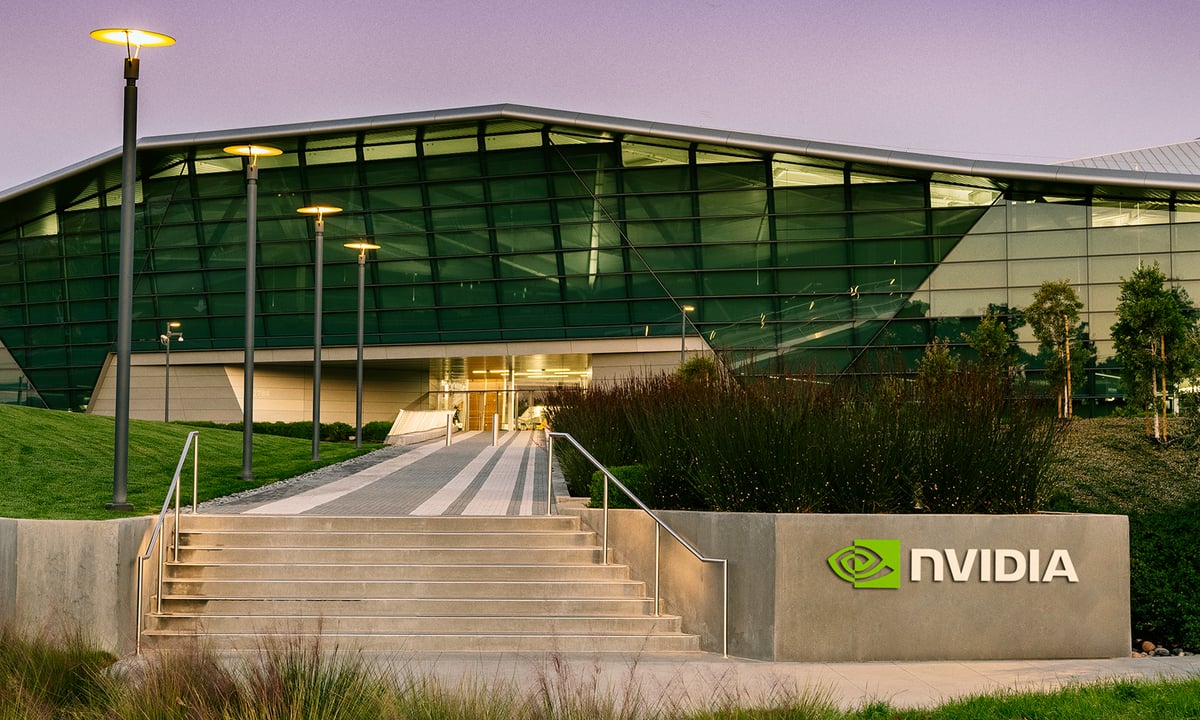
AI Drives Nvidia's Earnings Growth Amid Market Concerns

- Significant Earnings Growth: Nvidia achieved a remarkable 65% revenue growth in fiscal 2026, primarily driven by artificial intelligence, although concerns about future growth slowing persist in the market.
- Market Share Risks: While Nvidia maintains its leadership in the AI chip market, other semiconductor companies are actively developing their own AI chips, which could impact its market share, although this is unlikely to threaten its leadership position in the short term.
- Valuation Pressure: With a market cap of approximately $4.8 trillion, Nvidia's strong revenue growth is tempered by a P/E ratio of 40, and if the stock were to decline by 25% over the next 12 months, its P/E could drop to 18, potentially entering value stock territory.
- Investor Strategy: Despite the potential for AI growth to slow, investors are advised to hold Nvidia shares, as current performance remains robust and valuations may adjust downward in the future, thereby limiting potential downside risks.

SoftBank Plans Local AI Server Development
- Local AI Server Development: SoftBank plans to start designing and assembling local AI servers by the end of the decade to meet the growing demand for sovereign AI services, which is expected to significantly enhance its competitive edge in the AI market.
- Partnership Formation: SoftBank has initiated discussions with Nvidia and Foxconn to leverage Nvidia's GPU certification program and Foxconn's manufacturing capabilities, thereby strengthening its technological prowess and market position in high-performance server development.
- Manufacturing System Establishment: SoftBank aims to build a production base at a former Sharp plant, transitioning from assembling externally sourced components to eventually controlling the entire server production process, which will help improve production efficiency and reduce costs.
- AI Infrastructure Integration: The new servers will not only be used in SoftBank's data centers but will also support its AI-RAN integrated infrastructure, designed to handle communication and AI processing simultaneously, further advancing its strategic positioning in the AI sector.
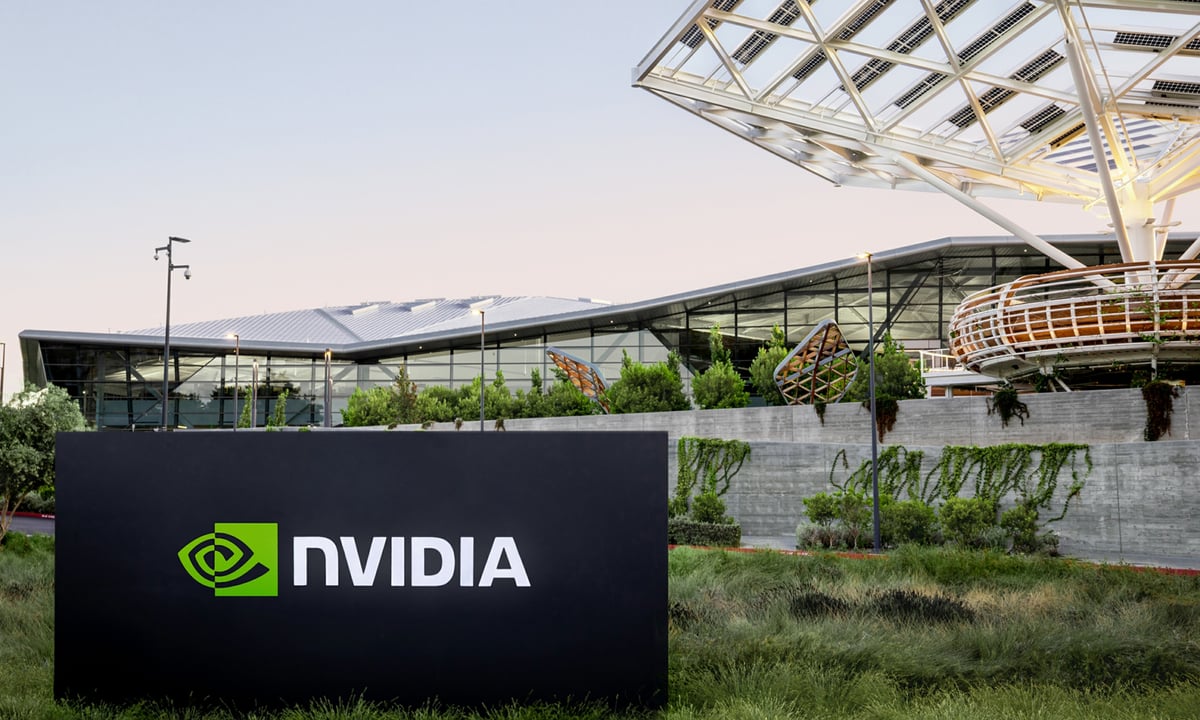
IREN Partners with Nvidia for AI Data Center Expansion


- Strategic Partnership: IREN has entered into a partnership with Nvidia to deploy up to 5 gigawatts of Nvidia's DSX infrastructure across its global data centers, which is expected to significantly enhance IREN's market position in the AI sector.
- Equity Purchase Option: Nvidia has the right to purchase up to 30 million shares of IREN at a strike price of $70 over the next five years, representing a potential investment of $2.1 billion, which further solidifies Nvidia's confidence in IREN.
- Cloud Services Contract: IREN will also serve as a cloud provider for Nvidia, leveraging its Childress, Texas facility, with a contract valued at $3.4 billion, which is anticipated to drive revenue growth and enhance IREN's competitive edge.
- Positive Market Reaction: Following the announcement, IREN's shares rose nearly 9%, reflecting investor optimism about the partnership, while analysts maintained a buy rating with a target price of $105, indicating strong upside potential ahead.

Nebius Stock Surges 110% Amid Rapid Growth

- Rapid Revenue Growth: Nebius is projected to achieve a staggering 523% revenue growth in 2024 and 206% in 2025, propelling its annual revenue from $530 million to over $10 billion, highlighting its robust growth potential in the cloud computing sector.
- Data Center Expansion: The number of Nebius data centers is set to increase from 2 in 2024 to 16 by 2026, showcasing its rapid expansion capability amid surging demand for AI cloud computing services, thereby solidifying its market position.
- Exclusive Partnership with Nvidia: Nebius's exclusive deal with Nvidia allows it to access cutting-edge chip technology ahead of competitors, enhancing its product competitiveness and providing clients with more efficient AI model training and deployment solutions, which boosts customer loyalty.
- Investor Confidence Surge: With Nebius's stock rising approximately 110% in just four months, investor confidence in its future performance is high, and it is expected that the stock price will continue to rise in tandem with revenue growth, making it one of the hottest stocks in the market.

Sandisk Stock Fluctuates Amid Market Dynamics

- Market Warning: Bernstein's report highlights a supply deficit in the computer memory market, causing Sandisk's stock to drop 5% on Thursday, reflecting concerns over rising memory prices that could impact profit growth.
- Stock Rebound: On Friday, Sandisk's stock rebounded by 8.5% to $142.33, indicating market confidence in its future sales, especially against the backdrop of significant increases in DRAM and NAND prices.
- Price Trends: Bernstein noted that DRAM prices surged 57% in April, while NAND prices rose by 65% to 70%, suggesting that despite some OEMs and module houses potentially reducing purchases, buyers with available funds will drive prices higher, with major increases expected in Q2 2026.
- Financial Outlook: Sandisk anticipates $8 billion in sales for fiscal Q4 2024, with rising gross margins and profits projected between $30 and $33 per share, indicating stability in short-term financial performance, although long-term prospects remain uncertain.

Micron Technology Stock Price Fluctuation Analysis

- Market Supply Warning: Bernstein's report highlights a shortage of DRAM and NAND flash memory in the computer memory spot market, leading to bidding wars among customers that drive prices higher; while this is beneficial for Micron, OEMs and module houses are forced to reduce purchases, potentially slowing profit growth in the future.
- Price Surge Impact: In April, DRAM prices soared by 57% compared to average prices in Q1, while NAND prices increased by 65% to 70%, indicating that even if some buyers are forced to curtail purchases in Q2, those with funds will continue to buy, driving significant price increases in Q2 2026.
- Stable Earnings Forecast: Analysts forecast Micron to earn nearly $19 per share in the May quarter, with sales expected to grow by 260% to $33.5 billion, demonstrating that the company's fundamentals remain robust in the short term despite market challenges.
- Price Target Upgrade Expectation: Bernstein has set a price target of $510 for Micron, and given its bullish outlook and buy rating, a price target hike is anticipated soon, further reflecting market confidence in Micron's future performance.
AI Drives Nvidia's Earnings Growth Amid Market Concerns
- Significant Earnings Growth: Nvidia achieved a remarkable 65% revenue growth in fiscal 2026, primarily driven by artificial intelligence, although concerns about future growth slowing persist in the market.
- Market Share Risks: While Nvidia maintains its leadership in the AI chip market, other semiconductor companies are actively developing their own AI chips, which could impact its market share, although this is unlikely to threaten its leadership position in the short term.
- Valuation Pressure: With a market cap of approximately $4.8 trillion, Nvidia's strong revenue growth is tempered by a P/E ratio of 40, and if the stock were to decline by 25% over the next 12 months, its P/E could drop to 18, potentially entering value stock territory.
- Investor Strategy: Despite the potential for AI growth to slow, investors are advised to hold Nvidia shares, as current performance remains robust and valuations may adjust downward in the future, thereby limiting potential downside risks.
SoftBank Plans Local AI Server Development
- Local AI Server Development: SoftBank plans to start designing and assembling local AI servers by the end of the decade to meet the growing demand for sovereign AI services, which is expected to significantly enhance its competitive edge in the AI market.
- Partnership Formation: SoftBank has initiated discussions with Nvidia and Foxconn to leverage Nvidia's GPU certification program and Foxconn's manufacturing capabilities, thereby strengthening its technological prowess and market position in high-performance server development.
- Manufacturing System Establishment: SoftBank aims to build a production base at a former Sharp plant, transitioning from assembling externally sourced components to eventually controlling the entire server production process, which will help improve production efficiency and reduce costs.
- AI Infrastructure Integration: The new servers will not only be used in SoftBank's data centers but will also support its AI-RAN integrated infrastructure, designed to handle communication and AI processing simultaneously, further advancing its strategic positioning in the AI sector.
IREN Partners with Nvidia for AI Data Center Expansion
- Strategic Partnership: IREN has entered into a partnership with Nvidia to deploy up to 5 gigawatts of Nvidia's DSX infrastructure across its global data centers, which is expected to significantly enhance IREN's market position in the AI sector.
- Equity Purchase Option: Nvidia has the right to purchase up to 30 million shares of IREN at a strike price of $70 over the next five years, representing a potential investment of $2.1 billion, which further solidifies Nvidia's confidence in IREN.
- Cloud Services Contract: IREN will also serve as a cloud provider for Nvidia, leveraging its Childress, Texas facility, with a contract valued at $3.4 billion, which is anticipated to drive revenue growth and enhance IREN's competitive edge.
- Positive Market Reaction: Following the announcement, IREN's shares rose nearly 9%, reflecting investor optimism about the partnership, while analysts maintained a buy rating with a target price of $105, indicating strong upside potential ahead.
Nebius Stock Surges 110% Amid Rapid Growth
- Rapid Revenue Growth: Nebius is projected to achieve a staggering 523% revenue growth in 2024 and 206% in 2025, propelling its annual revenue from $530 million to over $10 billion, highlighting its robust growth potential in the cloud computing sector.
- Data Center Expansion: The number of Nebius data centers is set to increase from 2 in 2024 to 16 by 2026, showcasing its rapid expansion capability amid surging demand for AI cloud computing services, thereby solidifying its market position.
- Exclusive Partnership with Nvidia: Nebius's exclusive deal with Nvidia allows it to access cutting-edge chip technology ahead of competitors, enhancing its product competitiveness and providing clients with more efficient AI model training and deployment solutions, which boosts customer loyalty.
- Investor Confidence Surge: With Nebius's stock rising approximately 110% in just four months, investor confidence in its future performance is high, and it is expected that the stock price will continue to rise in tandem with revenue growth, making it one of the hottest stocks in the market.
Sandisk Stock Fluctuates Amid Market Dynamics
- Market Warning: Bernstein's report highlights a supply deficit in the computer memory market, causing Sandisk's stock to drop 5% on Thursday, reflecting concerns over rising memory prices that could impact profit growth.
- Stock Rebound: On Friday, Sandisk's stock rebounded by 8.5% to $142.33, indicating market confidence in its future sales, especially against the backdrop of significant increases in DRAM and NAND prices.
- Price Trends: Bernstein noted that DRAM prices surged 57% in April, while NAND prices rose by 65% to 70%, suggesting that despite some OEMs and module houses potentially reducing purchases, buyers with available funds will drive prices higher, with major increases expected in Q2 2026.
- Financial Outlook: Sandisk anticipates $8 billion in sales for fiscal Q4 2024, with rising gross margins and profits projected between $30 and $33 per share, indicating stability in short-term financial performance, although long-term prospects remain uncertain.
Micron Technology Stock Price Fluctuation Analysis
- Market Supply Warning: Bernstein's report highlights a shortage of DRAM and NAND flash memory in the computer memory spot market, leading to bidding wars among customers that drive prices higher; while this is beneficial for Micron, OEMs and module houses are forced to reduce purchases, potentially slowing profit growth in the future.
- Price Surge Impact: In April, DRAM prices soared by 57% compared to average prices in Q1, while NAND prices increased by 65% to 70%, indicating that even if some buyers are forced to curtail purchases in Q2, those with funds will continue to buy, driving significant price increases in Q2 2026.
- Stable Earnings Forecast: Analysts forecast Micron to earn nearly $19 per share in the May quarter, with sales expected to grow by 260% to $33.5 billion, demonstrating that the company's fundamentals remain robust in the short term despite market challenges.
- Price Target Upgrade Expectation: Bernstein has set a price target of $510 for Micron, and given its bullish outlook and buy rating, a price target hike is anticipated soon, further reflecting market confidence in Micron's future performance.