Amazon Launches Trainium AI Chips to Challenge Nvidia
Written by Emily J. Thompson, Senior Investment Analyst
Updated: 3 hours ago
0mins
Source: NASDAQ.COM
- In-House Chip Strategy: Amazon launched its Trainium AI chips in 2022 to reduce reliance on Nvidia, with significant performance improvements seen in Trainium2 and Trainium3 released in 2024 and 2025, indicating a long-term strategic shift in its cloud infrastructure.
- Intensifying Market Competition: Amazon's plan to sell Trainium chips to third-party customers could challenge Nvidia's market share, particularly in the data center business, although Nvidia maintains a competitive edge in the short term due to its proprietary CUDA software ecosystem.
- System-Level Stacking Advantage: By densely stacking 144 Trainium3 chips in its UltraServers, Amazon can match the rack-scale performance of Nvidia's Blackwell systems at a lower cost, a strategy also employed by Microsoft and Google, further intensifying market competition.
- Privacy Market Demand: Privacy-oriented markets, such as Europe, are likely to purchase third-party chips from Amazon, Microsoft, and Google to build their own cloud platforms, reducing dependence on American tech giants, thus providing new growth opportunities for Amazon's chip sales.
Trade with 70% Backtested Accuracy
Stop guessing "Should I Buy AMZN?" and start using high-conviction signals backed by rigorous historical data.
Sign up today to access powerful investing tools and make smarter, data-driven decisions.
Analyst Views on AMZN
Wall Street analysts forecast AMZN stock price to rise
44 Analyst Rating
41 Buy
3 Hold
0 Sell
Strong Buy
Current: 241.700

Low
175.00
Averages
280.01
High
325.00
Current: 241.700
Low
175.00
Averages
280.01
High
325.00
About AMZN
Amazon.com, Inc. provides a range of products and services to customers. The products offered through its stores include merchandise and content it has purchased for resale and products offered by third-party sellers. The Company’s segments include North America, International and Amazon Web Services (AWS). It serves consumers through its online and physical stores and focuses on selection, price, and convenience. Customers access its offerings through its websites, mobile apps, Alexa, devices, streaming, and physically visiting its stores. It also manufactures and sells electronic devices, including Kindle, Fire tablet, Fire TV, Echo, Ring, Blink, and eero, and develops and produces media content. It serves developers and enterprises of all sizes, including start-ups, government agencies, and academic institutions, through AWS, which offers a set of on-demand technology services, including compute, storage, database, analytics, and machine learning, and other services.
About the author

Emily J. Thompson
Emily J. Thompson, a Chartered Financial Analyst (CFA) with 12 years in investment research, graduated with honors from the Wharton School. Specializing in industrial and technology stocks, she provides in-depth analysis for Intellectia’s earnings and market brief reports.

Amazon Faces Investor Concerns Amid Market Challenges

- Stock Pullback: Amazon's stock has pulled back by 13%, entering correction territory, which raises investor concerns about the future performance of consumer discretionary stocks, potentially impacting short-term investment decisions.
- Capex Pressure: The $200 billion in capital expenditures pledged by Amazon has raised investor concerns, as even with $143 billion in liquidity, such high spending could affect future profitability, making it the worst performer among the 'Magnificent Seven'.
- Declining Valuation: Amazon's P/E ratio has fallen to 28, below the S&P 500 average of 32, a significant drop from its previous levels above 50, indicating a decrease in market confidence regarding its future growth, which may affect investor buying sentiment.
- Sales Growth Potential: Despite challenges, Amazon reported a 17% year-over-year increase in net sales for Q1, demonstrating its ability to grow even in a 'stretched' consumer environment, while its cloud business's 28% growth further confirms the potential returns from its investments.
See More

Amazon Celebrates 35 Years: Rise of an E-Commerce Giant
- Founding Background: Amazon was founded on July 5, 1994, by Jeff Bezos in Bellevue, Washington, initially named Cadabra before rebranding to Amazon.com, aiming to seize opportunities in the emerging internet economy.
- Business Expansion: Originally focused on selling books online, Amazon quickly diversified into music, videos, and a wide array of consumer goods, successfully transforming into a comprehensive e-commerce platform, significantly enhancing its market share and brand influence.
- Retail Position: According to JPMorgan's update, Amazon surpassed Walmart last year to become the largest retailer in the U.S., marking its dominance in the retail sector and becoming the last retailer to outsell Walmart since Sears.
- AWS Revenue Growth: Amazon Web Services (AWS) generated approximately $129 billion in revenue in 2025, with projections to exceed $140 billion in 2026, showcasing its strong growth potential in the cloud computing sector and further solidifying Amazon's market leadership.
See More
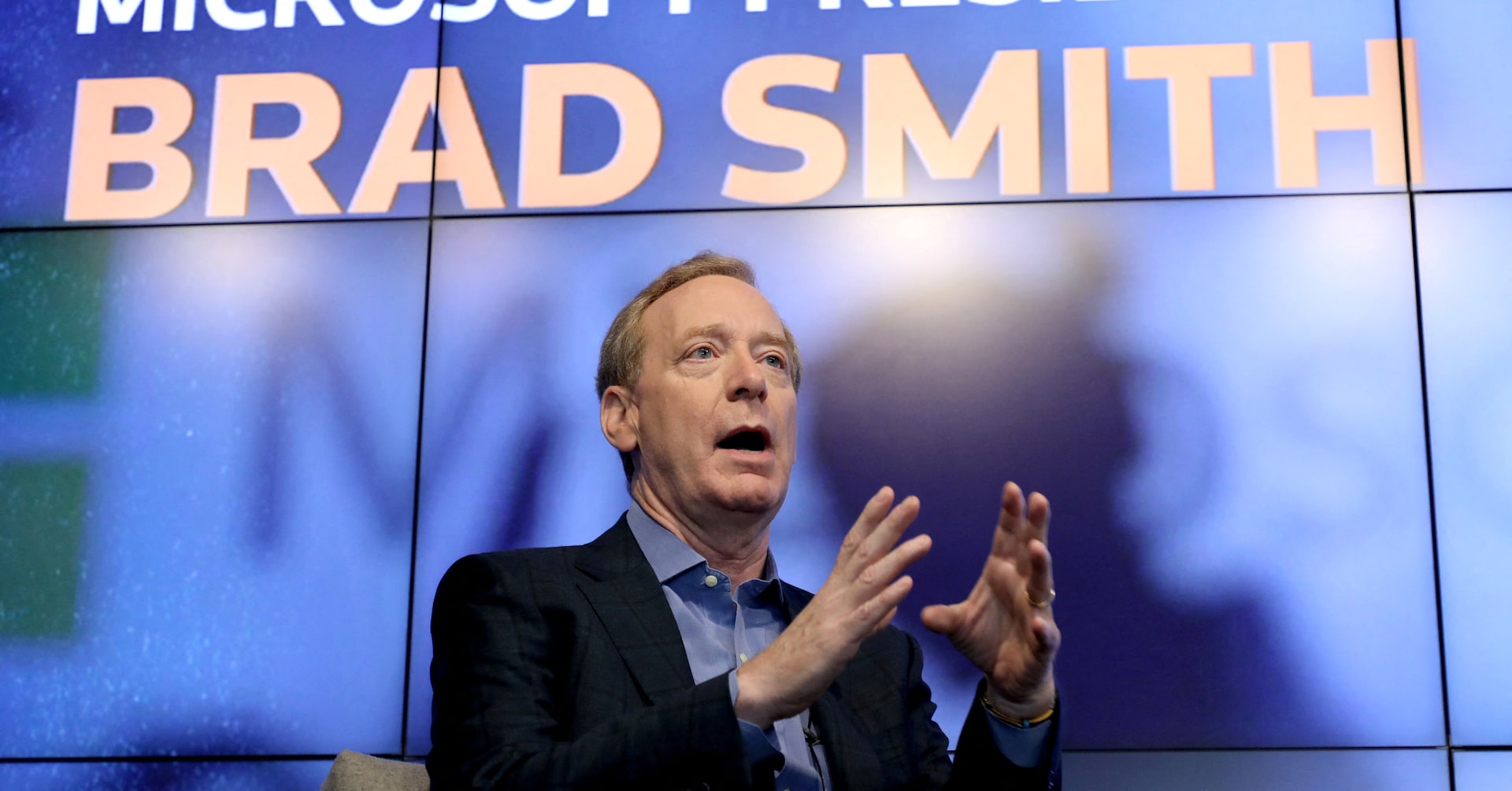
Morgan Stanley Warns of Chip Stock Weakness Impacting Broader Market


- Chip Stock Weakness Warning: Morgan Stanley cautions that weakness in chip stocks could lead to volatility in the broader market, particularly as major tech companies experience declines, potentially undermining investor confidence across sectors.
- Sector Rotation Opportunities: The firm anticipates that the consumer discretionary, biotech, and transport sectors will benefit from the rotation away from chip stocks, especially given falling oil prices and elevated interest rates, which may attract more investment.
- AI Giants Investment Outlook: Morgan Stanley identifies Microsoft, Amazon, and Meta as favored companies within the AI ecosystem, despite Microsoft and Meta's shares falling over 17% and 10% year-to-date, respectively, while Amazon's shares have risen over 7%, indicating market confidence in these firms.
- Market Expectations and Risks: The firm projects that the S&P 500 will exceed 8,000 points by year-end, implying about a 7% upside potential, although the market's hawkish expectations regarding Federal Reserve rate hikes could impact the overall investment environment.
See More

Microsoft, Amazon, and Alphabet's AI Leadership Drives Growth Potential

- Microsoft Cloud Revenue Surge: Microsoft's cloud revenue jumped 29% in the latest quarter to nearly $55 billion, indicating strong demand in the enterprise software market, with analysts projecting the stock could double over the next five years, outperforming the market.
- Amazon's Diverse Revenue Streams: Amazon's AWS revenue grew 28% year-over-year, solidifying its position as a cloud leader, and with multiple revenue engines including advertising and e-commerce, analysts expect an annual earnings growth rate of about 21% in the coming years.
- Alphabet Cloud Expansion: Alphabet's total revenue surged 22% year-over-year to nearly $110 billion, with its cloud segment revenue increasing by 63%, reflecting a surge in enterprise demand for AI tools, which is expected to drive long-term earnings growth.
- Strategic Investment Signal: Alphabet announced an $80 billion equity offering, including a $10 billion investment from Warren Buffett, signaling its long-term growth potential in the AI sector, with analysts projecting a 15% annual earnings growth rate.
See More

Analysts See Strong Rebound Potential for Cryptocurrencies

- Ethereum's Optimistic Outlook: Analyst Geoffrey Kendrick predicts Ethereum (ETH) will rebound to $4,000 by year-end and reach $40,000 by 2030, despite its current price of $1,600 being 65% below its all-time high, as blockchain activity remains robust with a 46% year-over-year increase in transaction volume.
- Solana's Growth Potential: Currently trading at $80, down over 70% from its peak, Kendrick forecasts Solana (SOL) could reach $250 by the end of the year and $2,000 by 2030, driven by low transaction fees and the recent Alpenglow update that significantly boosts transaction speeds.
- XRP's Market Opportunities: Priced at $1.14, Kendrick expects XRP to rebound to $2.80 by year-end and $28 by 2030, as Ripple's increasing activity in cross-border payments is projected to generate a $1 billion revenue run rate, although the actual use of XRP in transactions remains a key consideration.
- Investment Opportunities Amid Market Decline: Despite the overall cryptocurrency market being in a bear phase, Kendrick believes buying Bitcoin at current levels is reasonable, and he holds an optimistic view on the long-term potential of Ethereum, Solana, and XRP, suggesting they may present good buying opportunities for investors.
See More

SoFi Technologies Reports 41% Revenue Growth Amid Stock Drop

- Significant Revenue Growth: SoFi Technologies reported a 41% year-over-year increase in adjusted net revenue for Q1 2026, with its core lending business driving a 53% rise in adjusted net revenue, demonstrating strong performance even in a high-interest rate environment.
- Robust Loan Originations: Loan originations surged by 68%, with personal loans, student loans, and home loans increasing by 51%, 119%, and 137% respectively, indicating healthy growth across all loan categories.
- Rapid User Growth: The company added a record 1.1 million new members in Q1, with cross-selling accelerating to 43%, highlighting SoFi's significant expansion in the digital financial app space and its ability to convert customers effectively.
- Impact of Short-Seller Report: Despite strong overall performance, a short-seller report from Muddy Waters alleging misleading accounting practices led to a 32% drop in stock price, reflecting market concerns over its premium valuation and potential vulnerabilities.
See More
Amazon Faces Investor Concerns Amid Market Challenges
- Stock Pullback: Amazon's stock has pulled back by 13%, entering correction territory, which raises investor concerns about the future performance of consumer discretionary stocks, potentially impacting short-term investment decisions.
- Capex Pressure: The $200 billion in capital expenditures pledged by Amazon has raised investor concerns, as even with $143 billion in liquidity, such high spending could affect future profitability, making it the worst performer among the 'Magnificent Seven'.
- Declining Valuation: Amazon's P/E ratio has fallen to 28, below the S&P 500 average of 32, a significant drop from its previous levels above 50, indicating a decrease in market confidence regarding its future growth, which may affect investor buying sentiment.
- Sales Growth Potential: Despite challenges, Amazon reported a 17% year-over-year increase in net sales for Q1, demonstrating its ability to grow even in a 'stretched' consumer environment, while its cloud business's 28% growth further confirms the potential returns from its investments.
See More
Amazon Celebrates 35 Years: Rise of an E-Commerce Giant
- Founding Background: Amazon was founded on July 5, 1994, by Jeff Bezos in Bellevue, Washington, initially named Cadabra before rebranding to Amazon.com, aiming to seize opportunities in the emerging internet economy.
- Business Expansion: Originally focused on selling books online, Amazon quickly diversified into music, videos, and a wide array of consumer goods, successfully transforming into a comprehensive e-commerce platform, significantly enhancing its market share and brand influence.
- Retail Position: According to JPMorgan's update, Amazon surpassed Walmart last year to become the largest retailer in the U.S., marking its dominance in the retail sector and becoming the last retailer to outsell Walmart since Sears.
- AWS Revenue Growth: Amazon Web Services (AWS) generated approximately $129 billion in revenue in 2025, with projections to exceed $140 billion in 2026, showcasing its strong growth potential in the cloud computing sector and further solidifying Amazon's market leadership.
See More
Morgan Stanley Warns of Chip Stock Weakness Impacting Broader Market
- Chip Stock Weakness Warning: Morgan Stanley cautions that weakness in chip stocks could lead to volatility in the broader market, particularly as major tech companies experience declines, potentially undermining investor confidence across sectors.
- Sector Rotation Opportunities: The firm anticipates that the consumer discretionary, biotech, and transport sectors will benefit from the rotation away from chip stocks, especially given falling oil prices and elevated interest rates, which may attract more investment.
- AI Giants Investment Outlook: Morgan Stanley identifies Microsoft, Amazon, and Meta as favored companies within the AI ecosystem, despite Microsoft and Meta's shares falling over 17% and 10% year-to-date, respectively, while Amazon's shares have risen over 7%, indicating market confidence in these firms.
- Market Expectations and Risks: The firm projects that the S&P 500 will exceed 8,000 points by year-end, implying about a 7% upside potential, although the market's hawkish expectations regarding Federal Reserve rate hikes could impact the overall investment environment.
See More
Microsoft, Amazon, and Alphabet's AI Leadership Drives Growth Potential
- Microsoft Cloud Revenue Surge: Microsoft's cloud revenue jumped 29% in the latest quarter to nearly $55 billion, indicating strong demand in the enterprise software market, with analysts projecting the stock could double over the next five years, outperforming the market.
- Amazon's Diverse Revenue Streams: Amazon's AWS revenue grew 28% year-over-year, solidifying its position as a cloud leader, and with multiple revenue engines including advertising and e-commerce, analysts expect an annual earnings growth rate of about 21% in the coming years.
- Alphabet Cloud Expansion: Alphabet's total revenue surged 22% year-over-year to nearly $110 billion, with its cloud segment revenue increasing by 63%, reflecting a surge in enterprise demand for AI tools, which is expected to drive long-term earnings growth.
- Strategic Investment Signal: Alphabet announced an $80 billion equity offering, including a $10 billion investment from Warren Buffett, signaling its long-term growth potential in the AI sector, with analysts projecting a 15% annual earnings growth rate.
See More
Analysts See Strong Rebound Potential for Cryptocurrencies
- Ethereum's Optimistic Outlook: Analyst Geoffrey Kendrick predicts Ethereum (ETH) will rebound to $4,000 by year-end and reach $40,000 by 2030, despite its current price of $1,600 being 65% below its all-time high, as blockchain activity remains robust with a 46% year-over-year increase in transaction volume.
- Solana's Growth Potential: Currently trading at $80, down over 70% from its peak, Kendrick forecasts Solana (SOL) could reach $250 by the end of the year and $2,000 by 2030, driven by low transaction fees and the recent Alpenglow update that significantly boosts transaction speeds.
- XRP's Market Opportunities: Priced at $1.14, Kendrick expects XRP to rebound to $2.80 by year-end and $28 by 2030, as Ripple's increasing activity in cross-border payments is projected to generate a $1 billion revenue run rate, although the actual use of XRP in transactions remains a key consideration.
- Investment Opportunities Amid Market Decline: Despite the overall cryptocurrency market being in a bear phase, Kendrick believes buying Bitcoin at current levels is reasonable, and he holds an optimistic view on the long-term potential of Ethereum, Solana, and XRP, suggesting they may present good buying opportunities for investors.
See More
SoFi Technologies Reports 41% Revenue Growth Amid Stock Drop
- Significant Revenue Growth: SoFi Technologies reported a 41% year-over-year increase in adjusted net revenue for Q1 2026, with its core lending business driving a 53% rise in adjusted net revenue, demonstrating strong performance even in a high-interest rate environment.
- Robust Loan Originations: Loan originations surged by 68%, with personal loans, student loans, and home loans increasing by 51%, 119%, and 137% respectively, indicating healthy growth across all loan categories.
- Rapid User Growth: The company added a record 1.1 million new members in Q1, with cross-selling accelerating to 43%, highlighting SoFi's significant expansion in the digital financial app space and its ability to convert customers effectively.
- Impact of Short-Seller Report: Despite strong overall performance, a short-seller report from Muddy Waters alleging misleading accounting practices led to a 32% drop in stock price, reflecting market concerns over its premium valuation and potential vulnerabilities.
See More