AM Best Affirms Ratings for Park Assurance Company
Written by Emily J. Thompson, Senior Investment Analyst
Updated: Feb 19 2026
0mins
Should l Buy JPM?
Source: Businesswire
- Rating Affirmation: AM Best has affirmed Park Assurance Company's Financial Strength Rating of A (Excellent) and Long-Term Issuer Credit Rating of 'a' (Excellent), with a stable outlook reflecting its strong balance sheet and solid operating performance.
- Capital Adequacy: Park's risk-adjusted capitalization is assessed as very strong by Best's Capital Adequacy Ratio (BCAR), attributed to conservative loss reserving practices and favorable development trends, indicating robust liquidity.
- Strong Operating Performance: Park maintains good capitalization through retained earnings, consistently reporting favorable pure loss ratios and achieving operating earnings that outperform the commercial property composite due to its low-cost underwriting expense structure.
- Risk Management Strategy: Park's sophisticated risk management strategy and experienced management team play a crucial role as a single-parent captive of JPMorgan Chase Holdings LLC, although its limited product lines pose a concentration risk to its business profile.
Trade with 70% Backtested Accuracy
Stop guessing "Should I Buy JPM?" and start using high-conviction signals backed by rigorous historical data.
Sign up today to access powerful investing tools and make smarter, data-driven decisions.
Analyst Views on JPM
Wall Street analysts forecast JPM stock price to rise
19 Analyst Rating
11 Buy
7 Hold
1 Sell
Moderate Buy
Current: 295.380

Low
260.00
Averages
341.38
High
400.00
Current: 295.380
Low
260.00
Averages
341.38
High
400.00
About JPM
JPMorgan Chase & Co. is a financial holding company. The Company is engaged in investment banking, financial services for consumers and small businesses, commercial banking, financial transaction processing and asset management. The Company operates through three segments: Consumer & Community Banking (CCB), Commercial & Investment Bank (CIB), and Asset & Wealth Management (AWM). Its CCB segment offers products and services to consumers and small businesses through bank branches, ATMs, digital and telephone banking. Its CIB segment consists of banking and payments and markets and securities services, and offers a suite of investment banking, lending, payments, market-making, financing, custody and securities products and services to a global base of corporate and institutional clients. AWM segment offers investment and wealth management solutions. It offers multi-asset investment management solutions, retirement products and services, brokerage, custody, estate planning, and others.
About the author

Emily J. Thompson
Emily J. Thompson, a Chartered Financial Analyst (CFA) with 12 years in investment research, graduated with honors from the Wharton School. Specializing in industrial and technology stocks, she provides in-depth analysis for Intellectia’s earnings and market brief reports.
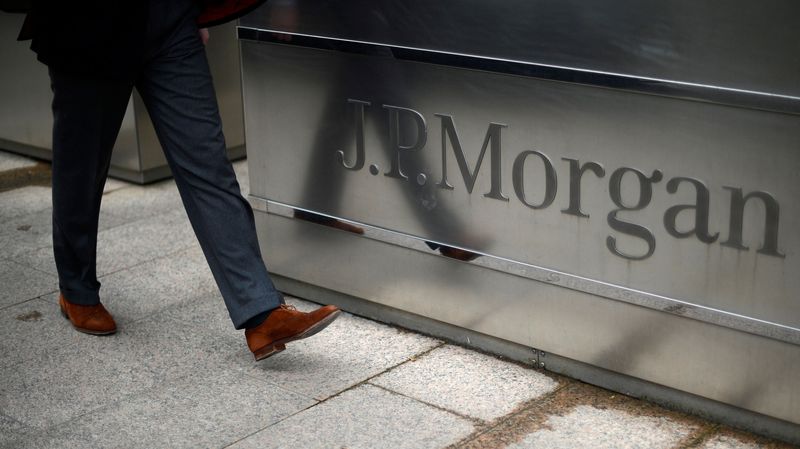
Georgia Cleantech Innovation Hub Receives $600,000 Grant for Clean Tech Initiatives

- Funding Amount: The Georgia Cleantech Innovation Hub has received a $600,000 grant from JPMorgan Chase aimed at building the workforce and infrastructure necessary for clean technology, thereby creating business opportunities that save energy, reduce emissions, and improve efficiency.
- Educational Programs: The funding will support the launch of real-world learning programs at Morehouse College, Georgia State University, and Spelman College, connecting students with leading clean tech entrepreneurs to cultivate the next generation of clean tech professionals.
- Incubator Development: The initiative will also fund site identification and feasibility planning for Atlanta's first clean tech hardware and testing incubator, addressing the urgent market need for small flexible industrial spaces that assist startups in product validation and team growth.
- Economic Impact: JPMorgan Chase's support not only accelerates the growth of clean tech businesses but also promotes economic diversification and long-term development in Atlanta by establishing a talent pipeline and innovation pipeline, enhancing the region's competitiveness in emerging industries.
See More

JPMorgan's David Kelly Remains Calm Amid Market Noise
- Short-Term Market Fluctuations: JPMorgan's David Kelly believes that the recent pressures from oil prices and tariffs are more indicative of short-term fluctuations rather than long-term trends, although he acknowledges a slight softness in the current economic landscape.
- GDP Outlook Adjustment: JPMorgan has revised its Q2 GDP forecast downward due to weaker tax refunds and rising oil prices, reflecting a cautious stance on economic growth.
- Inflation Expectations Shift: Kelly anticipates that CPI could rise to around 3.5% to 4% by June, but expects it to cool off quickly thereafter, projecting a return to the Fed's 2% target by year-end and potentially dipping below that in 2027.
- Expected Policy Support: He also foresees some form of support from Washington, possibly in the shape of tariff-related rebates, to alleviate economic pressures.
See More
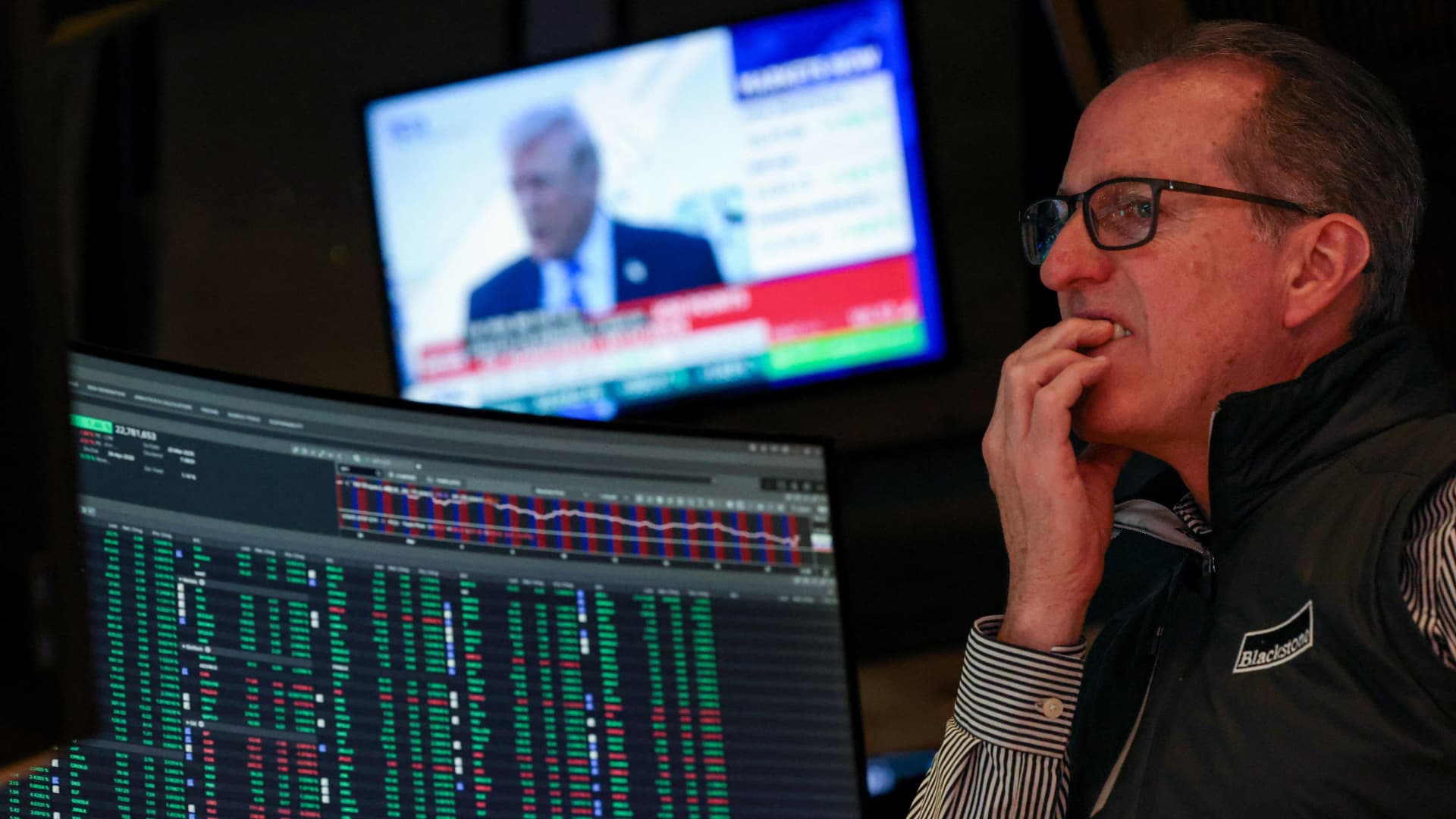
Stock Market Rallies on Optimism Over Iran War Resolution


- Market Rebound: The S&P 500 and Nasdaq Composite rose 3.4% and 4.4% respectively during the holiday-shortened trading week, breaking a five-week losing streak, reflecting optimism about a potential resolution to the Iran war.
- Oil Price Volatility: Despite an 11.4% surge in oil prices on Thursday, the stock market still rallied, indicating a new understanding of the inverse relationship between oil prices and stocks, which may signal increased investor confidence for the future.
- Strong Employment Data: The U.S. March jobs report revealed an addition of 178,000 jobs, significantly surpassing the Dow Jones estimate of 59,000, suggesting a healthy labor market that could alleviate concerns about stagflation driven by rising oil prices.
- IPO Surge: SpaceX confidentially filed for an IPO, potentially valued at $1.75 trillion, while OpenAI and other startups are also considering going public, which could bring new capital inflows and investment opportunities to the market.
See More

U.S. Nonfarm Payrolls Surge in March, Unemployment Rate Drops
- Nonfarm Payroll Growth: U.S. nonfarm payrolls increased by 178K in March, significantly surpassing the consensus of 51K, indicating strong economic recovery, particularly in healthcare and construction sectors, which reflects heightened business hiring activity.
- Unemployment Rate Decline: The unemployment rate fell to 4.3%, below the expected 4.4%, although the labor force participation rate slightly dropped to 61.9%, suggesting that while the job market is improving, many individuals may be exiting the workforce, potentially impacting future economic growth.
- Wage Growth Slowdown: Average hourly earnings rose by 0.2% month-over-month, below the expected 0.3%, with a year-over-year increase of 3.5%, indicating that slowing wage growth may face inflationary pressures, which could affect consumer spending and overall economic vitality.
- Divergent Industry Performance: While the leisure and hospitality sectors show resilience, financial activities saw a decline of 15K jobs, reflecting concerns over economic slowdown, particularly as major banks' stock performances falter, potentially signaling future economic challenges.
See More
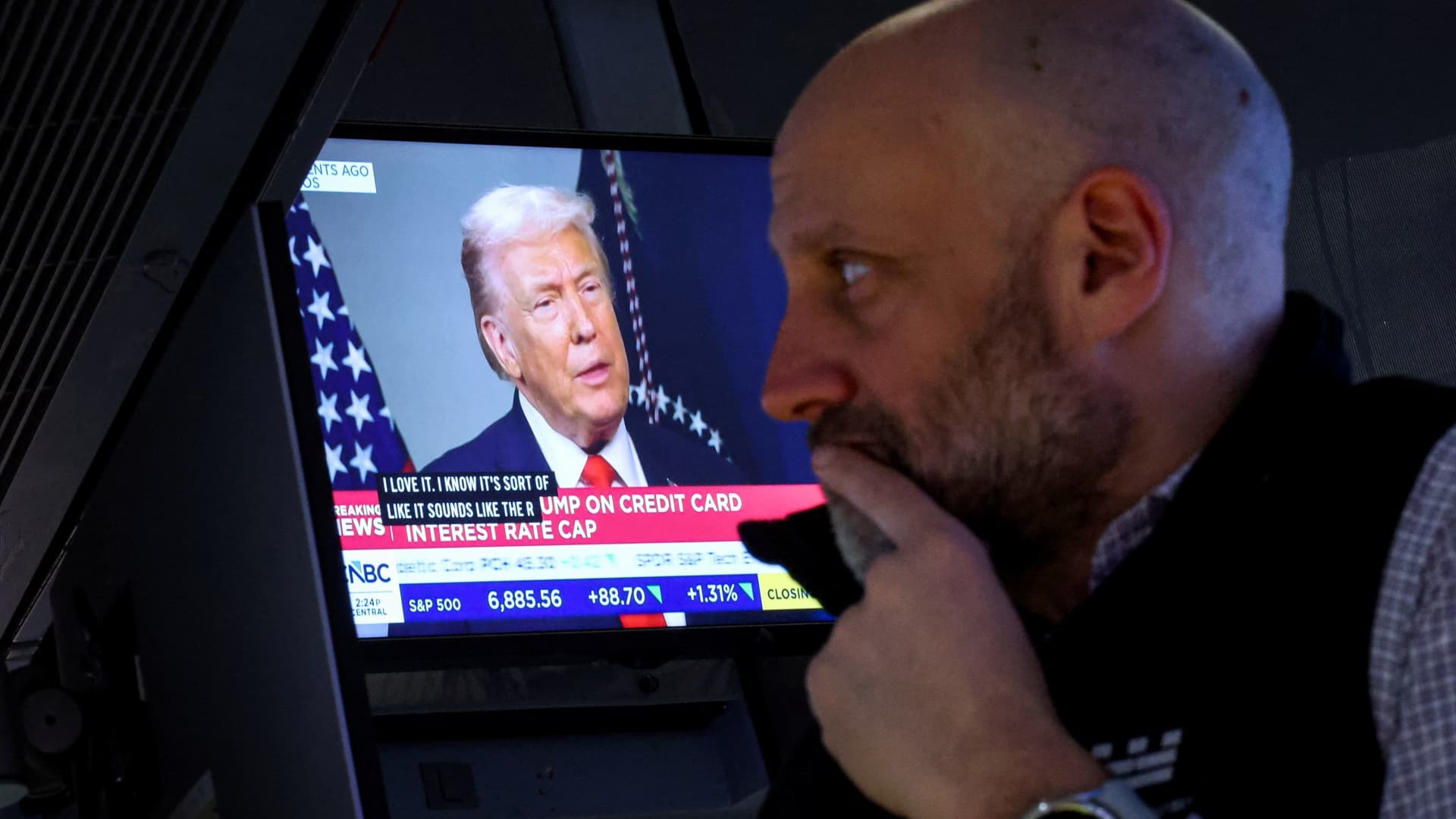
Trump's Policies Spark New 'TACO Trade' Strategy

- Market Reaction Mechanism: Trump's 'Liberation Day' policy led to a more than 12% drop in the S&P 500, but after announcing a tariff pause, the index surged 9.52%, demonstrating the market's sensitivity to policy changes and investors' quick response capabilities.
- Investor Behavior Shift: Although the 'TACO trade' performed strongly initially, retail investor activity has declined amid the Middle East war, reflecting market concerns over uncertainty and a cautious outlook on future returns.
- Tariff Policy Impact: Trump's high tariffs on China caused the S&P 500 to drop 5.4% over the following seven trading days, while the Treasury Secretary's comments prompted a short-term rebound of 6.3%, highlighting the direct impact of policy communication on market sentiment.
- War and Market Volatility: At the onset of the Middle East war, the S&P 500 fell 5.4%, but after Trump announced constructive talks with Iran, the index rebounded 1.15%, indicating the market's sensitivity to diplomatic policy changes and its potential impact on stock performance.
See More
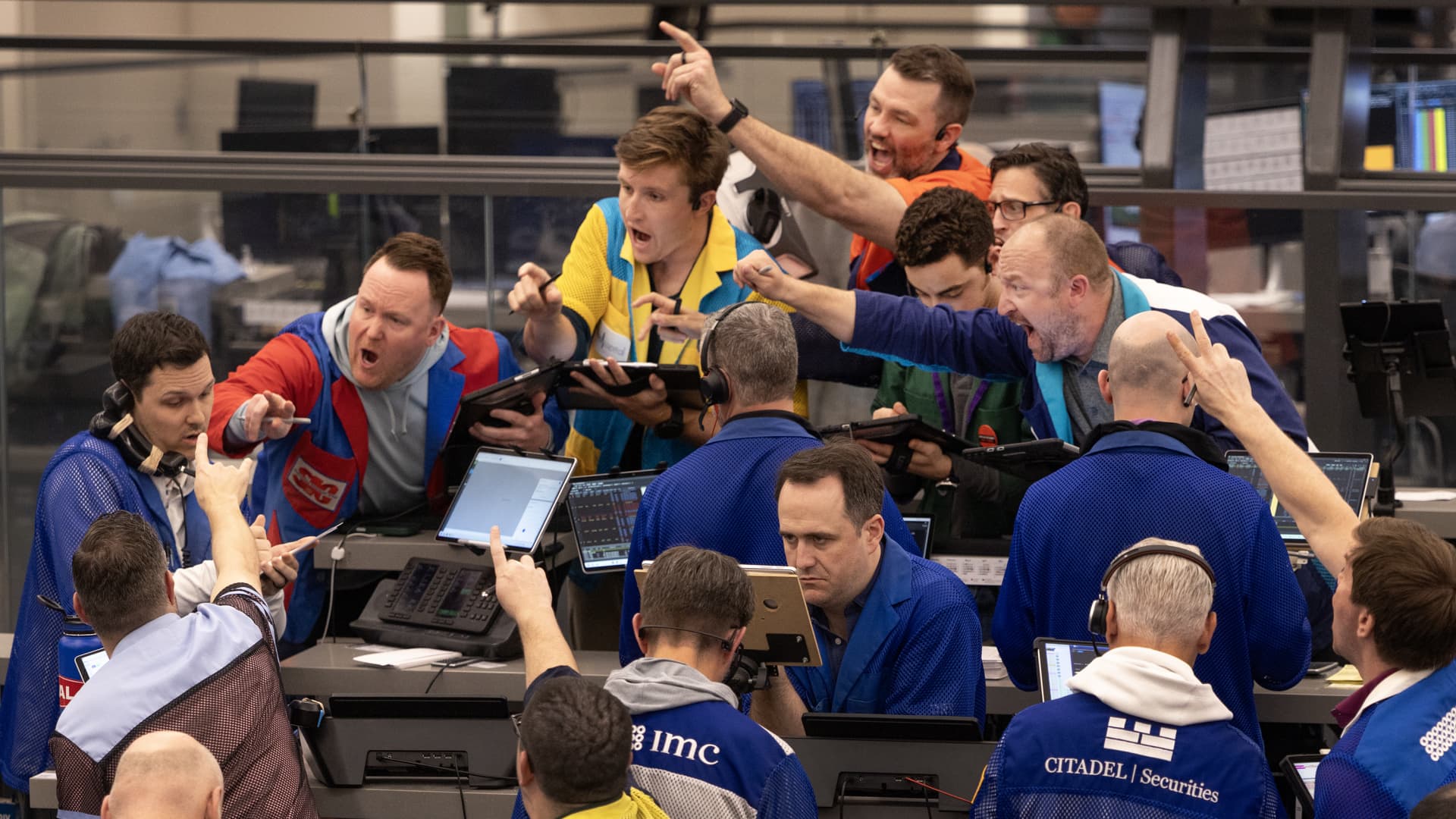
Investors Optimistic as Market Stages Strong Comeback
- Market Rebound Signal: The S&P 500 index rose 3.4% by the end of the holiday-shortened week, marking its best performance since May, indicating increased investor confidence in a market rebound despite fluctuations on Thursday.
- Oil Price Impact Analysis: With U.S. gasoline prices surpassing $4 per gallon, concerns about future inflation have intensified, particularly as the conflict in the Strait of Hormuz has driven up key commodity prices, and the upcoming consumer price index is expected to reflect the war's economic impact.
- Market Risk Warning: Despite the rebound, Siebert Financial's investment chief Mark Malek cautioned that current volatility is not over, advising investors to be cautious with short-term trades, especially during the holiday weekend when ground military actions could escalate.
- Future Data Outlook: Next week will bring significant economic data, including the March consumer price index, which is expected to jump from 2.4% to 3.1%, serving as the first key indicator to assess the war's impact, prompting market participants to closely monitor these figures to adjust their investment strategies.
See More
Georgia Cleantech Innovation Hub Receives $600,000 Grant for Clean Tech Initiatives
- Funding Amount: The Georgia Cleantech Innovation Hub has received a $600,000 grant from JPMorgan Chase aimed at building the workforce and infrastructure necessary for clean technology, thereby creating business opportunities that save energy, reduce emissions, and improve efficiency.
- Educational Programs: The funding will support the launch of real-world learning programs at Morehouse College, Georgia State University, and Spelman College, connecting students with leading clean tech entrepreneurs to cultivate the next generation of clean tech professionals.
- Incubator Development: The initiative will also fund site identification and feasibility planning for Atlanta's first clean tech hardware and testing incubator, addressing the urgent market need for small flexible industrial spaces that assist startups in product validation and team growth.
- Economic Impact: JPMorgan Chase's support not only accelerates the growth of clean tech businesses but also promotes economic diversification and long-term development in Atlanta by establishing a talent pipeline and innovation pipeline, enhancing the region's competitiveness in emerging industries.
See More
JPMorgan's David Kelly Remains Calm Amid Market Noise
- Short-Term Market Fluctuations: JPMorgan's David Kelly believes that the recent pressures from oil prices and tariffs are more indicative of short-term fluctuations rather than long-term trends, although he acknowledges a slight softness in the current economic landscape.
- GDP Outlook Adjustment: JPMorgan has revised its Q2 GDP forecast downward due to weaker tax refunds and rising oil prices, reflecting a cautious stance on economic growth.
- Inflation Expectations Shift: Kelly anticipates that CPI could rise to around 3.5% to 4% by June, but expects it to cool off quickly thereafter, projecting a return to the Fed's 2% target by year-end and potentially dipping below that in 2027.
- Expected Policy Support: He also foresees some form of support from Washington, possibly in the shape of tariff-related rebates, to alleviate economic pressures.
See More
Stock Market Rallies on Optimism Over Iran War Resolution
- Market Rebound: The S&P 500 and Nasdaq Composite rose 3.4% and 4.4% respectively during the holiday-shortened trading week, breaking a five-week losing streak, reflecting optimism about a potential resolution to the Iran war.
- Oil Price Volatility: Despite an 11.4% surge in oil prices on Thursday, the stock market still rallied, indicating a new understanding of the inverse relationship between oil prices and stocks, which may signal increased investor confidence for the future.
- Strong Employment Data: The U.S. March jobs report revealed an addition of 178,000 jobs, significantly surpassing the Dow Jones estimate of 59,000, suggesting a healthy labor market that could alleviate concerns about stagflation driven by rising oil prices.
- IPO Surge: SpaceX confidentially filed for an IPO, potentially valued at $1.75 trillion, while OpenAI and other startups are also considering going public, which could bring new capital inflows and investment opportunities to the market.
See More
U.S. Nonfarm Payrolls Surge in March, Unemployment Rate Drops
- Nonfarm Payroll Growth: U.S. nonfarm payrolls increased by 178K in March, significantly surpassing the consensus of 51K, indicating strong economic recovery, particularly in healthcare and construction sectors, which reflects heightened business hiring activity.
- Unemployment Rate Decline: The unemployment rate fell to 4.3%, below the expected 4.4%, although the labor force participation rate slightly dropped to 61.9%, suggesting that while the job market is improving, many individuals may be exiting the workforce, potentially impacting future economic growth.
- Wage Growth Slowdown: Average hourly earnings rose by 0.2% month-over-month, below the expected 0.3%, with a year-over-year increase of 3.5%, indicating that slowing wage growth may face inflationary pressures, which could affect consumer spending and overall economic vitality.
- Divergent Industry Performance: While the leisure and hospitality sectors show resilience, financial activities saw a decline of 15K jobs, reflecting concerns over economic slowdown, particularly as major banks' stock performances falter, potentially signaling future economic challenges.
See More
Trump's Policies Spark New 'TACO Trade' Strategy
- Market Reaction Mechanism: Trump's 'Liberation Day' policy led to a more than 12% drop in the S&P 500, but after announcing a tariff pause, the index surged 9.52%, demonstrating the market's sensitivity to policy changes and investors' quick response capabilities.
- Investor Behavior Shift: Although the 'TACO trade' performed strongly initially, retail investor activity has declined amid the Middle East war, reflecting market concerns over uncertainty and a cautious outlook on future returns.
- Tariff Policy Impact: Trump's high tariffs on China caused the S&P 500 to drop 5.4% over the following seven trading days, while the Treasury Secretary's comments prompted a short-term rebound of 6.3%, highlighting the direct impact of policy communication on market sentiment.
- War and Market Volatility: At the onset of the Middle East war, the S&P 500 fell 5.4%, but after Trump announced constructive talks with Iran, the index rebounded 1.15%, indicating the market's sensitivity to diplomatic policy changes and its potential impact on stock performance.
See More
Investors Optimistic as Market Stages Strong Comeback
- Market Rebound Signal: The S&P 500 index rose 3.4% by the end of the holiday-shortened week, marking its best performance since May, indicating increased investor confidence in a market rebound despite fluctuations on Thursday.
- Oil Price Impact Analysis: With U.S. gasoline prices surpassing $4 per gallon, concerns about future inflation have intensified, particularly as the conflict in the Strait of Hormuz has driven up key commodity prices, and the upcoming consumer price index is expected to reflect the war's economic impact.
- Market Risk Warning: Despite the rebound, Siebert Financial's investment chief Mark Malek cautioned that current volatility is not over, advising investors to be cautious with short-term trades, especially during the holiday weekend when ground military actions could escalate.
- Future Data Outlook: Next week will bring significant economic data, including the March consumer price index, which is expected to jump from 2.4% to 3.1%, serving as the first key indicator to assess the war's impact, prompting market participants to closely monitor these figures to adjust their investment strategies.
See More