Alphabet Poised to Become World's Most Valuable Company
Written by Emily J. Thompson, Senior Investment Analyst
Updated: May 07 2026
0mins
Source: Fool
- Stock Surge: Alphabet's first-quarter results exceeded expectations, leading to a 10% stock price increase and a market cap nearing $4.8 trillion, indicating strong performance in the global market and a potential to surpass Nvidia's market cap of over $5 trillion soon.
- Significant Cloud Growth: Google Cloud achieved a 63% year-over-year growth rate in Q1, a substantial increase from 48% in the previous quarter, with a $460 billion backlog indicating strong revenue visibility, directly contributing to an 81% increase in Alphabet's net income.
- Improved Profitability: Alphabet's revenue for 2025 reached $402.8 billion with a net income of $132.2 billion, both surpassing Nvidia's $215.9 billion and $120.1 billion, suggesting that its profitability is rapidly improving and may allow it to overtake Nvidia in the coming months.
- Diversified Business Potential: Beyond cloud computing, Alphabet's online advertising and emerging businesses like Waymo are also growing rapidly, with Waymo surpassing 500,000 fully autonomous rides per week, indicating its potential in the autonomous driving market and future significant revenue growth for the company.
Trade with 70% Backtested Accuracy
Stop guessing "Should I Buy GOOG?" and start using high-conviction signals backed by rigorous historical data.
Sign up today to access powerful investing tools and make smarter, data-driven decisions.
Analyst Views on GOOG
Wall Street analysts forecast GOOG stock price to fall
15 Analyst Rating
14 Buy
1 Hold
0 Sell
Strong Buy
Current: 358.710

Low
255.00
Averages
336.08
High
400.00
Current: 358.710
Low
255.00
Averages
336.08
High
400.00
About GOOG
Alphabet Inc. is a holding company. The Company's segments include Google Services, Google Cloud, and Other Bets. The Google Services segment includes products and services such as ads, Android, Chrome, devices, Google Maps, Google Play, Search, and YouTube. The Google Cloud segment includes infrastructure and platform services, collaboration tools, and other services for enterprise customers. Its Other Bets segment is engaged in the sale of healthcare-related services and Internet services. Its Google Cloud provides enterprise-ready cloud services, including Google Cloud Platform and Google Workspace. Google Cloud Platform provides access to solutions such as artificial intelligence (AI) offerings, including its AI infrastructure, Vertex AI platform, and Gemini for Google Cloud; cybersecurity, and data and analytics. Google Workspace includes cloud-based communication and collaboration tools for enterprises, such as Calendar, Gmail, Docs, Drive, and Meet.
About the author

Emily J. Thompson
Emily J. Thompson, a Chartered Financial Analyst (CFA) with 12 years in investment research, graduated with honors from the Wharton School. Specializing in industrial and technology stocks, she provides in-depth analysis for Intellectia’s earnings and market brief reports.

World Cup Drives Record Queries for Google Search

- Record Search Queries: Following Argentina's victory over Egypt, Google Search experienced historic highs in query volume, demonstrating the World Cup's significant impact on search engines and reinforcing Google's dominance in the search market.
- Surge in Real-Time Queries: Google reported that query volume peaked at unprecedented levels right after Argentina's winning goal, indicating a heightened user interest in real-time event information, although specific numbers were not disclosed.
- Stable Market Share: Google maintains a 90% share of the search market, showcasing its ability to remain relevant despite competition from AI chatbots, which highlights the adaptability of its traditional search engine in a changing technological landscape.
- Strong Revenue Growth: The company's stock price has more than doubled in the past year, with the fastest revenue growth in the first quarter since 2022, indicating robust financial performance amid evolving market conditions.
See More
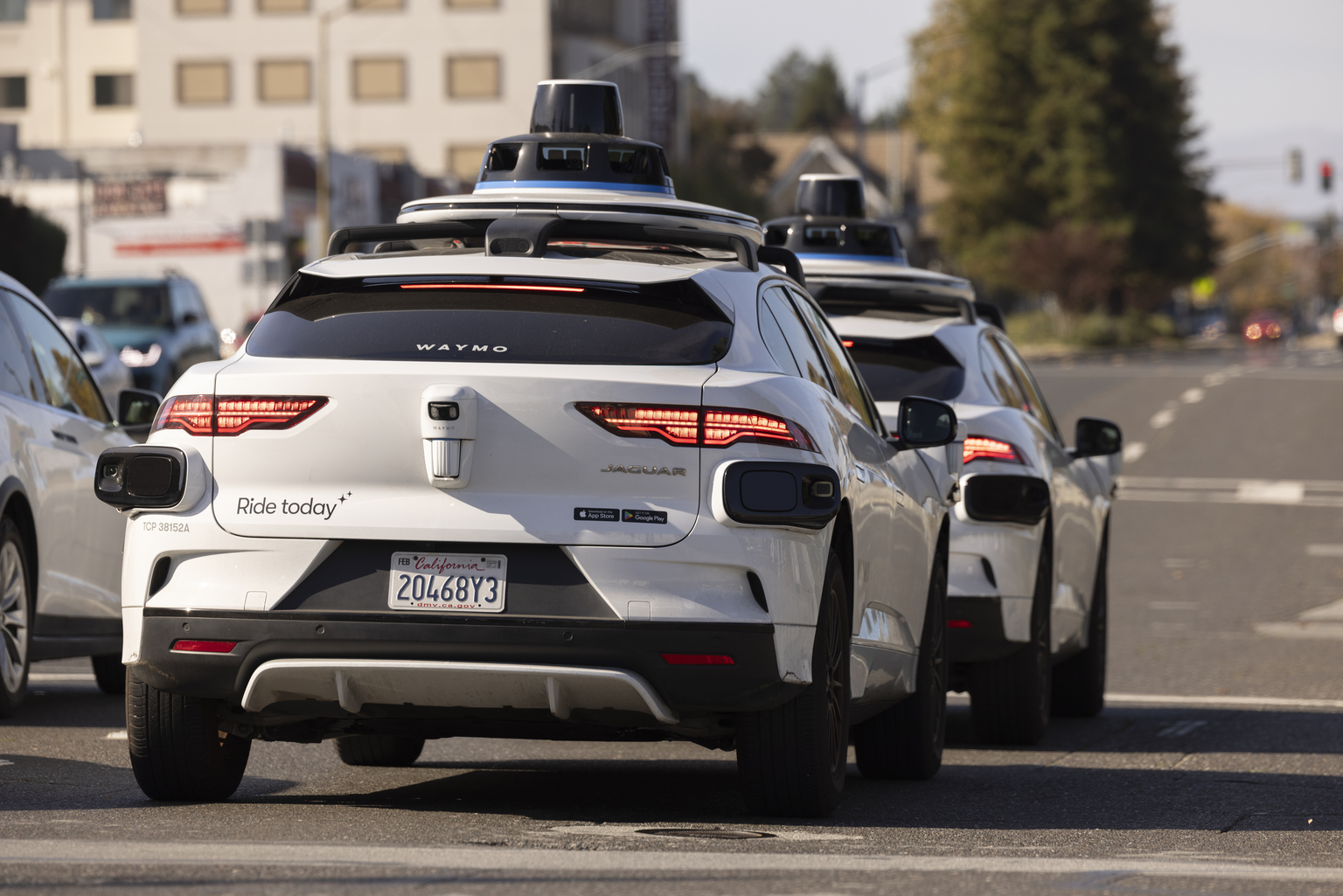
Waymo Launches Driverless Service Expansion
- Driverless Service Expansion: Waymo announced the launch of its driverless vehicle service in San Diego, Las Vegas, Tampa, and Denver, initially available to Alphabet employees before public rollout, indicating a proactive approach in the autonomous ride-hailing market.
- Intensifying Competition: With competitors like Tesla's robotaxi and Amazon's Zoox emerging, Waymo is accelerating its market expansion to address increasing commercialization competition, ensuring its leading position in the autonomous driving sector.
- Funding Support: Waymo completed a $16 billion funding round earlier this year, valuing the company at approximately $126 billion, which provides robust financial backing for its technology development and market expansion, further solidifying its market position.
- Technology Validation Phase: Waymo has begun autonomous driving tests with its Hyundai IONIQ 5 vehicles, equipped with an “autonomous specialist,” aiming to validate its technology for fully autonomous operations and laying the groundwork for offering more travel options in the future.
See More

TeraWulf Plans $3.5 Billion Debt Raise for AI Expansion

- Debt Financing Scale: TeraWulf Inc. is preparing to raise approximately $3.5 billion in debt to build a new data center campus in Kentucky, marking the company's first entry into the leveraged loan market, with Morgan Stanley set to lead the financing, thereby enhancing its positioning in the AI infrastructure sector.
- Long-Term Lease Agreement: TeraWulf signed a 20-year lease with Anthropic PBC, expected to generate around $19 billion in contracted revenue over its initial term, demonstrating strong demand and market potential in the AI sector while laying a foundation for future revenue growth.
- Positive Market Response: On July 7, Morgan Stanley reiterated its Overweight rating on TeraWulf and raised its price target from $66.50 to $72, reflecting optimistic market sentiment regarding the company's pivot to AI infrastructure, which propelled the stock price up 4.5% on Thursday and over 80% year-to-date.
- Asset Sale Supports Expansion: To fund its AI expansion, TeraWulf sold its 50% stake in a 168-megawatt data center in Abernathy, Texas, to an investor group led by Fluidstack, which not only provides financial support but also signifies the further implementation of its strategic transformation.
See More
Buffett Retires, Abel Takes Over as CEO of Berkshire Hathaway


- Succession Announcement: Warren Buffett has announced his retirement and appointed Greg Abel as the new CEO of Berkshire Hathaway; while Abel takes the helm, Ted Weschler continues to manage portions of the investment portfolio, indicating continuity in corporate governance.
- Strong Investment Performance: Stocks personally selected by Weschler, DaVita and SiriusXM, have surged over 102% and 50% year-to-date in 2026, respectively, reflecting his investment acumen and market recognition, which bolsters long-term confidence in Berkshire's investment strategy.
- Investment Strategy Continuity: Although Abel may introduce some changes in investment decisions, Berkshire continues to adhere to traditional value investing principles by holding stocks like DaVita and SiriusXM, demonstrating a commitment to successful investment models during this transition.
- Shift Towards Technology Investments: Under Abel's leadership, Berkshire's participation in a $10 billion private placement of Alphabet shares indicates a growing interest in tech stocks, yet the company has not completely abandoned traditional value stocks, ensuring diversity and stability in its investment portfolio.
See More

Analysis of AI Competition Between Alphabet and Meta

- Market Dominance: Alphabet boasts a market cap of $4.4 trillion, significantly surpassing Meta's $1.5 trillion, indicating its strong financial power and market influence in the AI sector, enabling sustained R&D investments to maintain competitive advantages.
- Technological Integration Advantage: Alphabet controls every layer of AI technology, including its own TPU designs and models developed by Google DeepMind, allowing for rapid application of AI technologies across products like Search and YouTube, which directly translates into revenue.
- Advertising Revenue Potential: While Meta invests heavily in AI, its advertising business remains the primary cash flow source; however, the benefits of its AI investments are largely indirect, such as improved ad targeting, resulting in a longer and less certain path from spending to profit.
- Antitrust Pressures: Alphabet faces real antitrust pressures that could impact its search and advertising operations; nevertheless, its comprehensive layout and product integration capabilities in the AI field still provide a competitive edge.
See More

Berkshire Hathaway's Investment Strategy Post-Buffett Retirement
- Continuity in Investment Decisions: Although Greg Abel has taken over as CEO, Ted Weschler remains a key player in Berkshire Hathaway's investment decisions, indicating that the company continues to uphold Buffett's traditional investment philosophy post-retirement.
- Strong Stock Performance: Weschler's selections, DaVita and SiriusXM, have performed exceptionally well in 2026, with DaVita's shares up over 102% and SiriusXM's up over 50%, showcasing the potential returns from the company's investments in healthcare and media sectors.
- Portfolio Adjustments: Berkshire's exit from positions in stocks like Mastercard and UnitedHealth Group in the first quarter suggests that Abel is adopting a more proactive adjustment strategy in portfolio management, which could influence future investment directions.
- Increased Tech Stock Participation: Since taking over, Abel has intensified investments in technology stocks, as evidenced by Berkshire's $10 billion private placement in Alphabet, demonstrating a gradual expansion into emerging tech sectors while maintaining traditional value investing principles.
See More
World Cup Drives Record Queries for Google Search
- Record Search Queries: Following Argentina's victory over Egypt, Google Search experienced historic highs in query volume, demonstrating the World Cup's significant impact on search engines and reinforcing Google's dominance in the search market.
- Surge in Real-Time Queries: Google reported that query volume peaked at unprecedented levels right after Argentina's winning goal, indicating a heightened user interest in real-time event information, although specific numbers were not disclosed.
- Stable Market Share: Google maintains a 90% share of the search market, showcasing its ability to remain relevant despite competition from AI chatbots, which highlights the adaptability of its traditional search engine in a changing technological landscape.
- Strong Revenue Growth: The company's stock price has more than doubled in the past year, with the fastest revenue growth in the first quarter since 2022, indicating robust financial performance amid evolving market conditions.
See More
Waymo Launches Driverless Service Expansion
- Driverless Service Expansion: Waymo announced the launch of its driverless vehicle service in San Diego, Las Vegas, Tampa, and Denver, initially available to Alphabet employees before public rollout, indicating a proactive approach in the autonomous ride-hailing market.
- Intensifying Competition: With competitors like Tesla's robotaxi and Amazon's Zoox emerging, Waymo is accelerating its market expansion to address increasing commercialization competition, ensuring its leading position in the autonomous driving sector.
- Funding Support: Waymo completed a $16 billion funding round earlier this year, valuing the company at approximately $126 billion, which provides robust financial backing for its technology development and market expansion, further solidifying its market position.
- Technology Validation Phase: Waymo has begun autonomous driving tests with its Hyundai IONIQ 5 vehicles, equipped with an “autonomous specialist,” aiming to validate its technology for fully autonomous operations and laying the groundwork for offering more travel options in the future.
See More
TeraWulf Plans $3.5 Billion Debt Raise for AI Expansion
- Debt Financing Scale: TeraWulf Inc. is preparing to raise approximately $3.5 billion in debt to build a new data center campus in Kentucky, marking the company's first entry into the leveraged loan market, with Morgan Stanley set to lead the financing, thereby enhancing its positioning in the AI infrastructure sector.
- Long-Term Lease Agreement: TeraWulf signed a 20-year lease with Anthropic PBC, expected to generate around $19 billion in contracted revenue over its initial term, demonstrating strong demand and market potential in the AI sector while laying a foundation for future revenue growth.
- Positive Market Response: On July 7, Morgan Stanley reiterated its Overweight rating on TeraWulf and raised its price target from $66.50 to $72, reflecting optimistic market sentiment regarding the company's pivot to AI infrastructure, which propelled the stock price up 4.5% on Thursday and over 80% year-to-date.
- Asset Sale Supports Expansion: To fund its AI expansion, TeraWulf sold its 50% stake in a 168-megawatt data center in Abernathy, Texas, to an investor group led by Fluidstack, which not only provides financial support but also signifies the further implementation of its strategic transformation.
See More
Buffett Retires, Abel Takes Over as CEO of Berkshire Hathaway
- Succession Announcement: Warren Buffett has announced his retirement and appointed Greg Abel as the new CEO of Berkshire Hathaway; while Abel takes the helm, Ted Weschler continues to manage portions of the investment portfolio, indicating continuity in corporate governance.
- Strong Investment Performance: Stocks personally selected by Weschler, DaVita and SiriusXM, have surged over 102% and 50% year-to-date in 2026, respectively, reflecting his investment acumen and market recognition, which bolsters long-term confidence in Berkshire's investment strategy.
- Investment Strategy Continuity: Although Abel may introduce some changes in investment decisions, Berkshire continues to adhere to traditional value investing principles by holding stocks like DaVita and SiriusXM, demonstrating a commitment to successful investment models during this transition.
- Shift Towards Technology Investments: Under Abel's leadership, Berkshire's participation in a $10 billion private placement of Alphabet shares indicates a growing interest in tech stocks, yet the company has not completely abandoned traditional value stocks, ensuring diversity and stability in its investment portfolio.
See More
Analysis of AI Competition Between Alphabet and Meta
- Market Dominance: Alphabet boasts a market cap of $4.4 trillion, significantly surpassing Meta's $1.5 trillion, indicating its strong financial power and market influence in the AI sector, enabling sustained R&D investments to maintain competitive advantages.
- Technological Integration Advantage: Alphabet controls every layer of AI technology, including its own TPU designs and models developed by Google DeepMind, allowing for rapid application of AI technologies across products like Search and YouTube, which directly translates into revenue.
- Advertising Revenue Potential: While Meta invests heavily in AI, its advertising business remains the primary cash flow source; however, the benefits of its AI investments are largely indirect, such as improved ad targeting, resulting in a longer and less certain path from spending to profit.
- Antitrust Pressures: Alphabet faces real antitrust pressures that could impact its search and advertising operations; nevertheless, its comprehensive layout and product integration capabilities in the AI field still provide a competitive edge.
See More
Berkshire Hathaway's Investment Strategy Post-Buffett Retirement
- Continuity in Investment Decisions: Although Greg Abel has taken over as CEO, Ted Weschler remains a key player in Berkshire Hathaway's investment decisions, indicating that the company continues to uphold Buffett's traditional investment philosophy post-retirement.
- Strong Stock Performance: Weschler's selections, DaVita and SiriusXM, have performed exceptionally well in 2026, with DaVita's shares up over 102% and SiriusXM's up over 50%, showcasing the potential returns from the company's investments in healthcare and media sectors.
- Portfolio Adjustments: Berkshire's exit from positions in stocks like Mastercard and UnitedHealth Group in the first quarter suggests that Abel is adopting a more proactive adjustment strategy in portfolio management, which could influence future investment directions.
- Increased Tech Stock Participation: Since taking over, Abel has intensified investments in technology stocks, as evidenced by Berkshire's $10 billion private placement in Alphabet, demonstrating a gradual expansion into emerging tech sectors while maintaining traditional value investing principles.
See More