Ally Financial Appoints Rodney Hood as Senior Policy Advisor to CEO
Written by Emily J. Thompson, Senior Investment Analyst
Updated: Jan 27 2026
0mins

Should l Buy ALLY?
Source: Newsfilter
- Advisor Appointment: Ally Financial has appointed Rodney Hood as a senior policy advisor to the CEO, leveraging his nearly three decades of experience in banking, regulation, and risk management to provide invaluable counsel in critical policy discussions, thereby enhancing the company's influence in policy matters.
- Rich Regulatory Background: Hood's previous roles include Acting Comptroller of the Currency and Chairman of the National Credit Union Administration, making him the first individual to lead both federal regulatory agencies, which will provide Ally with a unique regulatory perspective to navigate complex policy environments.
- Industry Influence: Beyond public service, Hood serves as an independent director on the boards of the Federal Home Loan Bank of Atlanta and Zest AI, and advises on the International Advisory Board for Strategic Resource Management, which will aid Ally in strategic development and policy advocacy in the financial services sector.
- Future Growth Strategy: Ally's CEO Michael Rhodes emphasized that Hood's profound understanding of the financial services landscape and extensive experience in Washington will be instrumental for the company's future growth and innovation, particularly in advocating for policies that support financial well-being.
Trade with 70% Backtested Accuracy
Stop guessing "Should I Buy ALLY?" and start using high-conviction signals backed by rigorous historical data.
Sign up today to access powerful investing tools and make smarter, data-driven decisions.
Analyst Views on ALLY
Wall Street analysts forecast ALLY stock price to rise
15 Analyst Rating
12 Buy
3 Hold
0 Sell
Strong Buy
Current: 44.390

Low
48.00
Averages
53.71
High
70.00
Current: 44.390
Low
48.00
Averages
53.71
High
70.00
About ALLY
Ally Financial Inc. is a financial services company. The Company’s segments include Automotive Finance operations, Insurance operations, and Corporate Finance operations. The Automotive Finance operations segment is engaged in providing automotive financing services to consumers, automotive dealers and retailers, companies, and municipalities. Its Insurance operations segment operates as a complementary automotive-focused business, offering both consumer finance protection and insurance products sold primarily through the automotive dealer channel, and commercial insurance products sold directly to dealers. Its Corporate Finance operations segment provides senior secured asset-based and leveraged cash flow loans to U.S.-based middle-market companies, with a focus on businesses owned by private equity sponsors. The Company also includes a robust corporate finance business that offers capital for equity sponsors and middle-market companies.
About the author

Emily J. Thompson
Emily J. Thompson, a Chartered Financial Analyst (CFA) with 12 years in investment research, graduated with honors from the Wharton School. Specializing in industrial and technology stocks, she provides in-depth analysis for Intellectia’s earnings and market brief reports.

Federal Reserve Holds Rates Steady, Some Banks Cut Yields


- Stable Rate Policy: The Federal Reserve's decision to maintain the federal funds rate between 3.5%-3.75% is generally positive for savers; however, some banks have still lowered their high-yield savings account rates, indicating competitive pressures in the market.
- Yield Cuts by Banks: According to a BTIG report, three major banks—Capital One, Synchrony, and Marcus by Goldman Sachs—have recently reduced their annual percentage yields, following a cut by Ally Financial, reflecting adjustments in banking strategies under yield pressure.
- Shifting Market Expectations: While analysts believe the Fed will not cut rates, bank earnings reports indicate robust consumer spending and lending in the U.S., suggesting that growth expectations remain intact, which could influence future rate decisions.
- Deposit Product Yield Comparison: Despite some banks lowering rates, Bread Financial and LendingClub maintain a 4% yield, but they are expected to follow suit with cuts, highlighting the ongoing competition for high-yield deposit products in the market.
See More
Berkshire Hathaway Faces Changes After Buffett's Departure


- Leadership Change: Warren Buffett's resignation as CEO marks a significant shift for Berkshire Hathaway, with new CEO Greg Abel taking the helm for the first time in sixty years, potentially impacting the company's investment strategy and market confidence.
- Portfolio Adjustment: Abel has reportedly sold all stocks managed by former investment lieutenant Todd Combs, amounting to approximately $15 billion, indicating a decisive move by the new CEO that may lead to a shift in the company's investment style.
- Core Holdings Strategy: In his letter to shareholders, Abel identified nine 'core holdings' that he implied would see limited activity unless there are fundamental changes in their long-term economic prospects, suggesting a potential reduction in Berkshire's investment activity.
- Market Reaction Anticipation: Investors will gain insights into Berkshire's stock transactions for Q1 in the upcoming 10-Q filing due by May 2, which will provide crucial clues about Abel's future investment direction, although it may take several quarters to fully divest Combs' investments.
See More

Berkshire's New CEO Signals Portfolio Changes After Combs Departure
- Executive Shift Impact: Todd Combs, one of Buffett's top investment managers, has left for JPMorgan Chase, resulting in new CEO Greg Abel taking control of most of the portfolio, potentially affecting around $15 billion in asset allocation, reflecting significant changes in the company's governance structure.
- Portfolio Scale: Berkshire's total investment portfolio is approximately $322 billion, with Combs managing over 5% of it, equating to at least $16 billion, highlighting his importance in the company's investment strategy.
- Investment Strategy Shift: In his letter to shareholders, Abel indicated a commitment to maintaining core holdings, suggesting a potential shift towards a more passive investment strategy with fewer quarterly changes, which may alter investor expectations regarding the company's activity level.
- Market Reaction Expectations: While Abel stated that Ted Weschler would continue managing 6% of the portfolio, market uncertainty remains regarding Berkshire's future investment direction, prompting investors to closely monitor the upcoming first-quarter 10-Q report for more insights.
See More
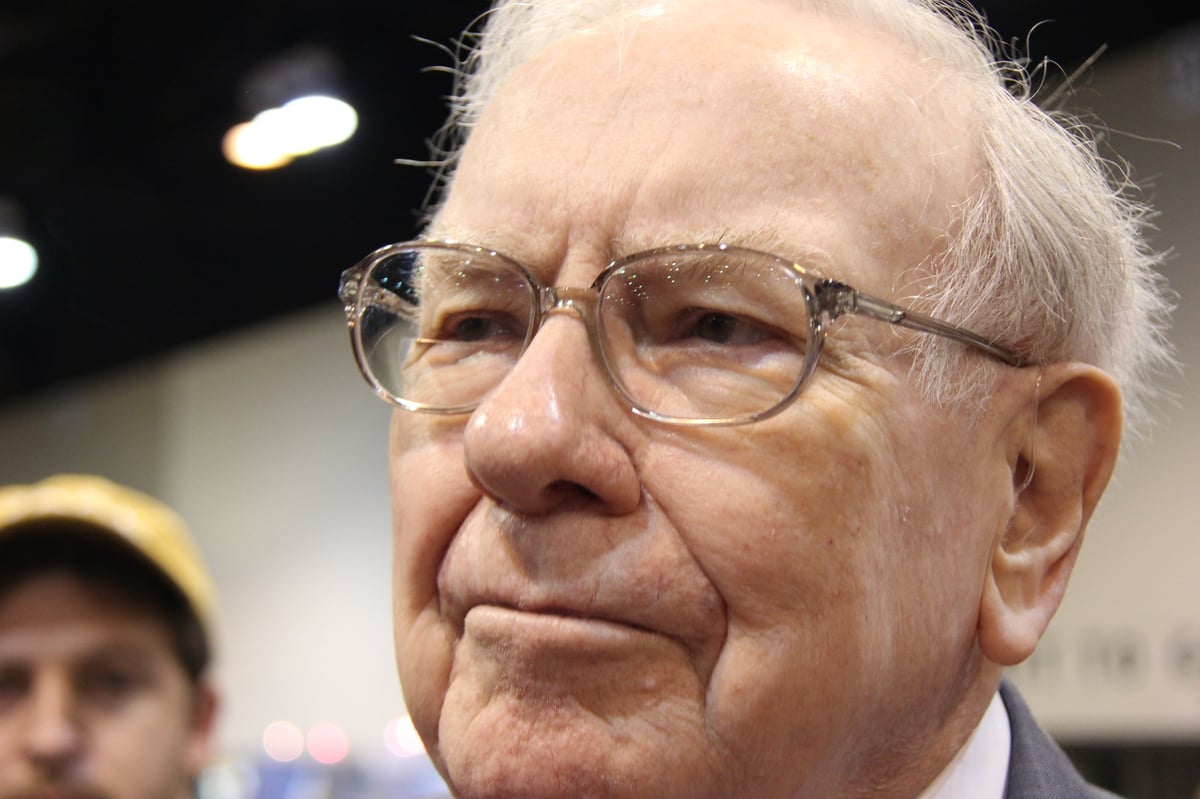
Buffett Retires, Abel Takes Over as CEO of Berkshire Hathaway


- Leadership Transition: Warren Buffett retired on December 31, 2025, with Greg Abel stepping in to manage Berkshire Hathaway's $320 billion investment portfolio, marking a significant new era for the company.
- Investment Concentration: Abel's portfolio is heavily weighted, with 10 core holdings accounting for nearly 79% of assets, including Apple at $60 billion, highlighting the company's focus on high-quality assets and long-term growth potential.
- Sustainable Competitive Advantages: Among the 20 billion-dollar investments Abel oversees, many companies like Visa and Sirius XM operate as legal monopolies, ensuring stable revenue streams and risk resilience, reflecting Berkshire's investment strategy.
- Smaller Holdings Adjustment: Abel also manages 18 relatively smaller investments, with significant reductions like the 77% cut in Amazon's stake, indicating a focus on optimizing the portfolio and potentially paving the way for future trading opportunities.
See More

Warren Buffett Retires, Greg Abel Takes Over as CEO of Berkshire Hathaway
- Leadership Transition: Warren Buffett retired as CEO on December 31, 2025, with Greg Abel taking over the management of a $320 billion investment portfolio, marking a new era for Berkshire Hathaway, although Buffett remains as chairman of the board.
- Investment Philosophy Continuity: Abel shares a similar investment philosophy with Buffett, emphasizing value investing and sustainable competitive advantages, particularly by allocating a significant portion of the company's capital to their best ideas.
- Core Holdings Concentration: The ten core positions account for nearly 79% of Berkshire's invested assets, all of which pay dividends and engage in share repurchases, demonstrating strong capital return capabilities, with Abel's management style reflected in these choices.
- Smaller Investment Dynamics: Abel oversees 18 smaller holdings ranging from $5 million to approximately $692 million, many of which are being reduced or removed from the portfolio, indicating a dynamic adjustment strategy in response to market conditions.
See More

Bank of America Recommends Stocks Ahead of Earnings Reports

- Stock Recommendations: Bank of America has recommended stocks like Apple ahead of their earnings reports, particularly highlighting Apple's strong iPhone upgrade cycle expected to drive growth in services revenue.
- Strong Performance by Quanta Services: The infrastructure services company Quanta Services is firing on all cylinders ahead of its earnings report, with analysts praising its full solutions capabilities, which are expected to enhance market share and margins.
- Kodiak Gas Acquisition Advantage: Kodiak Gas Services' recent acquisition of Distributed Power Solutions positions it favorably in the natural gas and AI data center buildout sectors, with analysts raising the price target from $45 to $70 per share due to strong tailwinds.
- Tripadvisor Investment Potential: Tripadvisor was upgraded to buy due to increased involvement from Starboard Value, with analysts noting that its diversified portfolio and growth from Viator and TheFork will drive future margin expansion.
See More
Federal Reserve Holds Rates Steady, Some Banks Cut Yields
- Stable Rate Policy: The Federal Reserve's decision to maintain the federal funds rate between 3.5%-3.75% is generally positive for savers; however, some banks have still lowered their high-yield savings account rates, indicating competitive pressures in the market.
- Yield Cuts by Banks: According to a BTIG report, three major banks—Capital One, Synchrony, and Marcus by Goldman Sachs—have recently reduced their annual percentage yields, following a cut by Ally Financial, reflecting adjustments in banking strategies under yield pressure.
- Shifting Market Expectations: While analysts believe the Fed will not cut rates, bank earnings reports indicate robust consumer spending and lending in the U.S., suggesting that growth expectations remain intact, which could influence future rate decisions.
- Deposit Product Yield Comparison: Despite some banks lowering rates, Bread Financial and LendingClub maintain a 4% yield, but they are expected to follow suit with cuts, highlighting the ongoing competition for high-yield deposit products in the market.
See More
Berkshire Hathaway Faces Changes After Buffett's Departure
- Leadership Change: Warren Buffett's resignation as CEO marks a significant shift for Berkshire Hathaway, with new CEO Greg Abel taking the helm for the first time in sixty years, potentially impacting the company's investment strategy and market confidence.
- Portfolio Adjustment: Abel has reportedly sold all stocks managed by former investment lieutenant Todd Combs, amounting to approximately $15 billion, indicating a decisive move by the new CEO that may lead to a shift in the company's investment style.
- Core Holdings Strategy: In his letter to shareholders, Abel identified nine 'core holdings' that he implied would see limited activity unless there are fundamental changes in their long-term economic prospects, suggesting a potential reduction in Berkshire's investment activity.
- Market Reaction Anticipation: Investors will gain insights into Berkshire's stock transactions for Q1 in the upcoming 10-Q filing due by May 2, which will provide crucial clues about Abel's future investment direction, although it may take several quarters to fully divest Combs' investments.
See More
Berkshire's New CEO Signals Portfolio Changes After Combs Departure
- Executive Shift Impact: Todd Combs, one of Buffett's top investment managers, has left for JPMorgan Chase, resulting in new CEO Greg Abel taking control of most of the portfolio, potentially affecting around $15 billion in asset allocation, reflecting significant changes in the company's governance structure.
- Portfolio Scale: Berkshire's total investment portfolio is approximately $322 billion, with Combs managing over 5% of it, equating to at least $16 billion, highlighting his importance in the company's investment strategy.
- Investment Strategy Shift: In his letter to shareholders, Abel indicated a commitment to maintaining core holdings, suggesting a potential shift towards a more passive investment strategy with fewer quarterly changes, which may alter investor expectations regarding the company's activity level.
- Market Reaction Expectations: While Abel stated that Ted Weschler would continue managing 6% of the portfolio, market uncertainty remains regarding Berkshire's future investment direction, prompting investors to closely monitor the upcoming first-quarter 10-Q report for more insights.
See More
Buffett Retires, Abel Takes Over as CEO of Berkshire Hathaway
- Leadership Transition: Warren Buffett retired on December 31, 2025, with Greg Abel stepping in to manage Berkshire Hathaway's $320 billion investment portfolio, marking a significant new era for the company.
- Investment Concentration: Abel's portfolio is heavily weighted, with 10 core holdings accounting for nearly 79% of assets, including Apple at $60 billion, highlighting the company's focus on high-quality assets and long-term growth potential.
- Sustainable Competitive Advantages: Among the 20 billion-dollar investments Abel oversees, many companies like Visa and Sirius XM operate as legal monopolies, ensuring stable revenue streams and risk resilience, reflecting Berkshire's investment strategy.
- Smaller Holdings Adjustment: Abel also manages 18 relatively smaller investments, with significant reductions like the 77% cut in Amazon's stake, indicating a focus on optimizing the portfolio and potentially paving the way for future trading opportunities.
See More
Warren Buffett Retires, Greg Abel Takes Over as CEO of Berkshire Hathaway
- Leadership Transition: Warren Buffett retired as CEO on December 31, 2025, with Greg Abel taking over the management of a $320 billion investment portfolio, marking a new era for Berkshire Hathaway, although Buffett remains as chairman of the board.
- Investment Philosophy Continuity: Abel shares a similar investment philosophy with Buffett, emphasizing value investing and sustainable competitive advantages, particularly by allocating a significant portion of the company's capital to their best ideas.
- Core Holdings Concentration: The ten core positions account for nearly 79% of Berkshire's invested assets, all of which pay dividends and engage in share repurchases, demonstrating strong capital return capabilities, with Abel's management style reflected in these choices.
- Smaller Investment Dynamics: Abel oversees 18 smaller holdings ranging from $5 million to approximately $692 million, many of which are being reduced or removed from the portfolio, indicating a dynamic adjustment strategy in response to market conditions.
See More
Bank of America Recommends Stocks Ahead of Earnings Reports
- Stock Recommendations: Bank of America has recommended stocks like Apple ahead of their earnings reports, particularly highlighting Apple's strong iPhone upgrade cycle expected to drive growth in services revenue.
- Strong Performance by Quanta Services: The infrastructure services company Quanta Services is firing on all cylinders ahead of its earnings report, with analysts praising its full solutions capabilities, which are expected to enhance market share and margins.
- Kodiak Gas Acquisition Advantage: Kodiak Gas Services' recent acquisition of Distributed Power Solutions positions it favorably in the natural gas and AI data center buildout sectors, with analysts raising the price target from $45 to $70 per share due to strong tailwinds.
- Tripadvisor Investment Potential: Tripadvisor was upgraded to buy due to increased involvement from Starboard Value, with analysts noting that its diversified portfolio and growth from Viator and TheFork will drive future margin expansion.
See More