Alaska Air Group (ALK) Reports Q4 Adjusted EPS of $0.43, Down from Previous Year
Written by Emily J. Thompson, Senior Investment Analyst
Updated: Jan 23 2026
0mins

Source: Yahoo Finance
- Earnings Report: Alaska Air Group reported an adjusted earnings per share of $0.43 for Q4, a decline from the previous year, indicating challenges in maintaining profitability amid market pressures.
- Reasons for Decline: The drop in earnings is primarily attributed to rising operational costs and fluctuations in passenger demand, which pose greater challenges for the company in sustaining profitability and may impact future investment decisions.
- Market Reaction: Investors reacted cautiously to the earnings report, with stock prices likely experiencing short-term volatility, reflecting concerns about the company's growth potential in an increasingly competitive airline market.
- Strategic Adjustments: Alaska Air may need to reassess its operational strategies to adapt to the changing market environment and customer demands, ensuring a path to recovery in future financial performance.
Trade with 70% Backtested Accuracy
Stop guessing "Should I Buy ALK?" and start using high-conviction signals backed by rigorous historical data.
Sign up today to access powerful investing tools and make smarter, data-driven decisions.
Analyst Views on ALK
Wall Street analysts forecast ALK stock price to rise
11 Analyst Rating
11 Buy
0 Hold
0 Sell
Strong Buy
Current: 37.650

Low
63.00
Averages
71.10
High
80.00
Current: 37.650
Low
63.00
Averages
71.10
High
80.00
About ALK
Alaska Air Group, Inc. is engaged in operating airlines. The Company operates through its subsidiaries Alaska Airlines, Inc., Hawaiian Holdings, Inc., Horizon Air Industries, Inc., and McGee Air Services. The Company's segments include Alaska Airlines, Hawaiian Airlines, and Regional. The Alaska Airlines segment includes scheduled air transportation on Alaska's Boeing jet aircraft for passengers and cargo. The Hawaiian Airlines segment includes scheduled air transportation on Hawaiian's Boeing and Airbus jet aircraft for passengers and cargo. The Regional segment includes Horizon's and other third-party carriers’ scheduled air transportation on E175 jet aircraft for passengers under capacity purchase agreements (CPAs). The Company serves more than 140 destinations throughout North America, Central America, Asia and across the Pacific. The Company provides freight and mail services (cargo) using both freighter aircraft and the bellies of its passenger aircraft.
About the author

Emily J. Thompson
Emily J. Thompson, a Chartered Financial Analyst (CFA) with 12 years in investment research, graduated with honors from the Wharton School. Specializing in industrial and technology stocks, she provides in-depth analysis for Intellectia’s earnings and market brief reports.
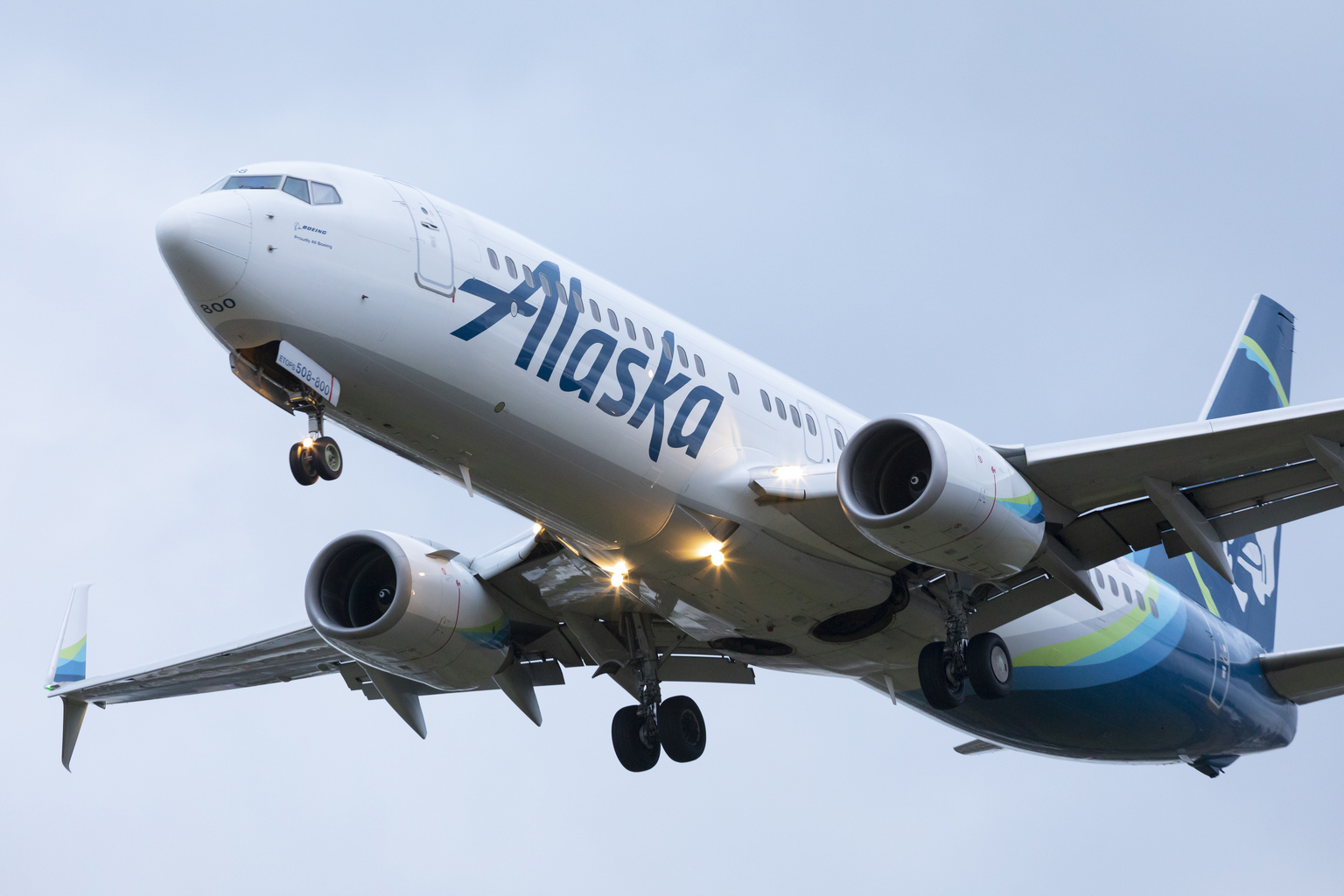
Alaska Airlines Launches New International Business Class

- International Business Class Launch: Alaska Airlines announced the debut of its new international business class this spring, marking a significant step in its expansion into global markets aimed at enhancing long-haul travel experiences.
- Aircraft and Facility Upgrades: The new business class will feature fully lie-flat suites with privacy doors and direct aisle access, along with 18-inch HD entertainment screens and over 1,500 movies and TV shows, significantly improving passenger comfort and entertainment options.
- International Route Expansion Plan: Alaska Airlines plans to launch up to 12 international routes over the next five years, with the first routes set to commence in 2025 from Seattle to Tokyo and Seoul, further solidifying its global business footprint.
- Positive Market Reaction: Following the announcement of the new business class, Alaska Airlines' stock rose by 2.5%, indicating a favorable market response to its international expansion strategy and suggesting future growth potential.
See More
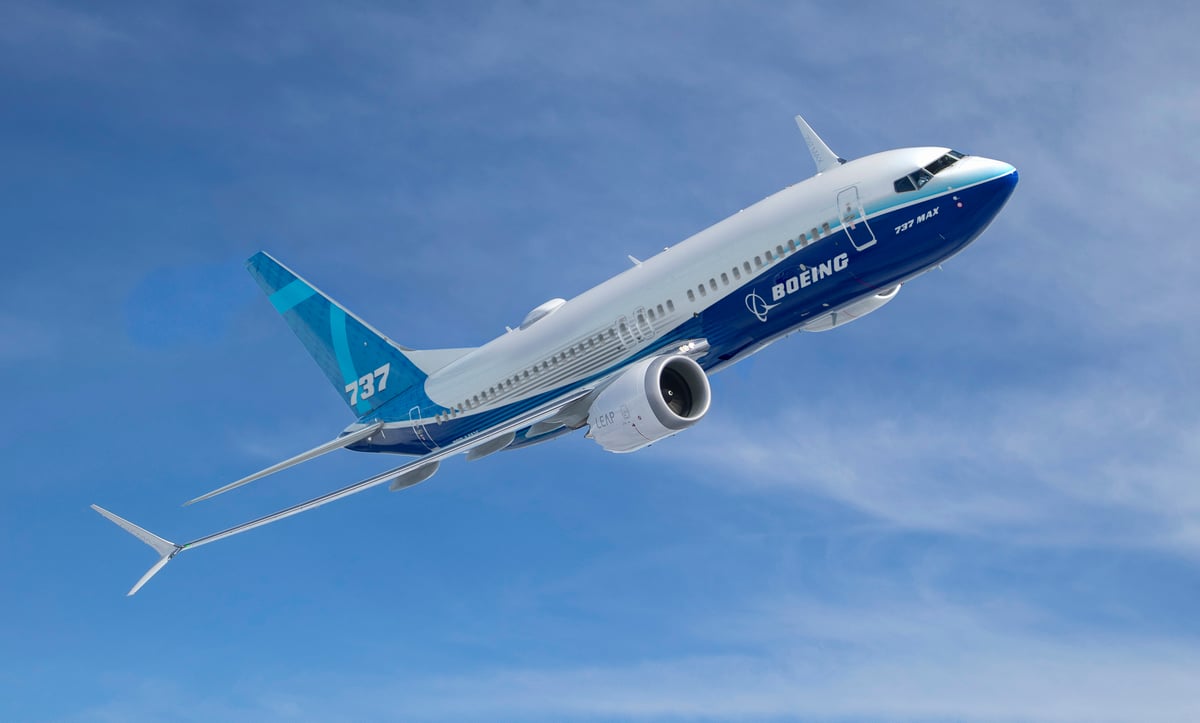
Boeing Faces Safety and Production Challenges


- Safety Concerns: Boeing's safety issues, stemming from high-profile 737 MAX crashes and FAA-imposed production caps, have raised investor concerns about its safety record, leading to significant cash burn and financial instability.
- Production Recovery: New CEO Kelly Ortberg has ramped up 737 MAX production to 42 units per month, with plans to increase to 47 by mid-year, indicating positive efforts in restoring production capacity.
- Increased Financial Pressure: CFO Jesus Malave confirmed that the integration of Spirit has delayed the return to positive margins in the commercial airplanes segment until 2027, with this year expected to see negative margins around 7.5% to 8%.
- Delivery Delay Risks: Certification delays for the 737 MAX-7 and MAX-10 pushed to 2026, along with lighter-than-expected deliveries of the 787, highlight ongoing pressures in Boeing's production scheduling and quality control.
See More

Boeing Faces Ongoing Safety and Certification Challenges
- Safety and Certification Issues: Boeing continues to face ongoing safety and certification challenges with its 737 MAX series, leading to investor concerns about its safety record, particularly after high-profile crashes, which have significantly impacted the company's cash flow.
- Management Changes and Integration: The appointment of new CEO Kelly Ortberg has brought operational improvements, with Boeing currently producing 42 737 MAX aircraft per month and planning to ramp up to 47 by mid-year, indicating positive adjustments in production capacity.
- Profitability Delays and Market Reaction: Despite the new production line opening in Everett, the integration delays with Spirit mean that profitability in the commercial airplanes segment is expected to be delayed until 2026-2027, leading investors to adopt a cautiously optimistic outlook.
- FAA Regulatory Pressure: Ongoing pressure from the FAA due to production restrictions and quality control issues means that investors are looking for progress on 737 MAX and 787 certifications by 2026 before feeling confident in investing in the stock.
See More

US Stocks Close Mixed Amid Oil Surge and Economic Data

- Market Fluctuations: The S&P 500 Index closed up 0.11%, while the Dow Jones Industrial Average fell 0.13%, and the Nasdaq 100 Index rose 0.11%, reflecting volatility influenced by surging oil prices and economic data.
- Positive Economic Data: Weekly initial unemployment claims unexpectedly fell by 9,000 to 202,000, indicating a stronger labor market than the anticipated increase to 212,000, which could impact the Fed's interest rate policy.
- Impact of Oil Surge: Crude oil prices soared over 11% due to President Trump's tougher stance on Iran, leading to sharp declines in airline and cruise line stocks, with United Airlines and Carnival both down more than 3%.
- Corporate Developments: SBA Communications surged over 18% as it explores potential acquisition options, while Globalstar rose over 13% amid reports of Amazon's interest in acquiring the company, highlighting market focus on M&A activity.
See More

Stock Markets Pressured by Soaring Oil Prices

- Oil Price Surge Pressures Markets: Stock indexes are under pressure as crude oil prices soar over 8% following President Trump's aggressive stance on Iran, leading to a 0.06% drop in the S&P 500, a 0.23% decline in the Dow, and a 0.20% fall in the Nasdaq 100, indicating heightened inflation concerns among investors.
- Unexpected Jobless Claims Drop: Despite market pressures, initial jobless claims fell by 9,000 to 202,000, indicating a stronger labor market than anticipated, which may provide some support for stocks and alleviate investor fears of an economic slowdown.
- Divergent Energy Sector Performance: Energy producers like Diamondback Energy rose over 2% due to soaring WTI prices, while airline stocks such as American Airlines and Carnival fell more than 4% as rising fuel costs cut into profits, highlighting a clear divergence across sectors.
- Tech Stocks Decline: Chipmakers and AI infrastructure stocks retreated, with ARM Holdings leading the Nasdaq 100 down over 5%, reflecting waning confidence in tech stocks and potentially impacting future investment decisions.
See More

US Stocks Plummet as Oil Prices Surge
- Oil Price Surge: Crude oil prices soared over 13% as President Trump took a tougher stance on Iran, reaching a 3.5-week high, which not only heightened inflation fears but also pushed bond yields higher, with the 10-year T-note yield rising by 2 basis points to 4.34%.
- Unemployment Claims Drop: Weekly initial unemployment claims unexpectedly fell by 9,000 to 202,000, indicating a stronger labor market than the anticipated increase to 212,000, which could provide support for the stock market amid rising inflation concerns.
- Global Market Decline: Overseas stock markets are lower, with the Euro Stoxx 50 down 2.25%, China's Shanghai Composite down 0.74%, and Japan's Nikkei 225 sharply falling 2.38% from a two-week high, reflecting global economic uncertainty and investor caution.
- Airline Stocks Plummet: Airline stocks are sharply lower as crude oil prices surged over 10%, raising fuel costs; United Airlines and American Airlines Group both fell more than 6%, highlighting the direct impact of rising oil prices on airline profitability.
See More
Alaska Airlines Launches New International Business Class
- International Business Class Launch: Alaska Airlines announced the debut of its new international business class this spring, marking a significant step in its expansion into global markets aimed at enhancing long-haul travel experiences.
- Aircraft and Facility Upgrades: The new business class will feature fully lie-flat suites with privacy doors and direct aisle access, along with 18-inch HD entertainment screens and over 1,500 movies and TV shows, significantly improving passenger comfort and entertainment options.
- International Route Expansion Plan: Alaska Airlines plans to launch up to 12 international routes over the next five years, with the first routes set to commence in 2025 from Seattle to Tokyo and Seoul, further solidifying its global business footprint.
- Positive Market Reaction: Following the announcement of the new business class, Alaska Airlines' stock rose by 2.5%, indicating a favorable market response to its international expansion strategy and suggesting future growth potential.
See More
Boeing Faces Safety and Production Challenges
- Safety Concerns: Boeing's safety issues, stemming from high-profile 737 MAX crashes and FAA-imposed production caps, have raised investor concerns about its safety record, leading to significant cash burn and financial instability.
- Production Recovery: New CEO Kelly Ortberg has ramped up 737 MAX production to 42 units per month, with plans to increase to 47 by mid-year, indicating positive efforts in restoring production capacity.
- Increased Financial Pressure: CFO Jesus Malave confirmed that the integration of Spirit has delayed the return to positive margins in the commercial airplanes segment until 2027, with this year expected to see negative margins around 7.5% to 8%.
- Delivery Delay Risks: Certification delays for the 737 MAX-7 and MAX-10 pushed to 2026, along with lighter-than-expected deliveries of the 787, highlight ongoing pressures in Boeing's production scheduling and quality control.
See More
Boeing Faces Ongoing Safety and Certification Challenges
- Safety and Certification Issues: Boeing continues to face ongoing safety and certification challenges with its 737 MAX series, leading to investor concerns about its safety record, particularly after high-profile crashes, which have significantly impacted the company's cash flow.
- Management Changes and Integration: The appointment of new CEO Kelly Ortberg has brought operational improvements, with Boeing currently producing 42 737 MAX aircraft per month and planning to ramp up to 47 by mid-year, indicating positive adjustments in production capacity.
- Profitability Delays and Market Reaction: Despite the new production line opening in Everett, the integration delays with Spirit mean that profitability in the commercial airplanes segment is expected to be delayed until 2026-2027, leading investors to adopt a cautiously optimistic outlook.
- FAA Regulatory Pressure: Ongoing pressure from the FAA due to production restrictions and quality control issues means that investors are looking for progress on 737 MAX and 787 certifications by 2026 before feeling confident in investing in the stock.
See More
US Stocks Close Mixed Amid Oil Surge and Economic Data
- Market Fluctuations: The S&P 500 Index closed up 0.11%, while the Dow Jones Industrial Average fell 0.13%, and the Nasdaq 100 Index rose 0.11%, reflecting volatility influenced by surging oil prices and economic data.
- Positive Economic Data: Weekly initial unemployment claims unexpectedly fell by 9,000 to 202,000, indicating a stronger labor market than the anticipated increase to 212,000, which could impact the Fed's interest rate policy.
- Impact of Oil Surge: Crude oil prices soared over 11% due to President Trump's tougher stance on Iran, leading to sharp declines in airline and cruise line stocks, with United Airlines and Carnival both down more than 3%.
- Corporate Developments: SBA Communications surged over 18% as it explores potential acquisition options, while Globalstar rose over 13% amid reports of Amazon's interest in acquiring the company, highlighting market focus on M&A activity.
See More
Stock Markets Pressured by Soaring Oil Prices
- Oil Price Surge Pressures Markets: Stock indexes are under pressure as crude oil prices soar over 8% following President Trump's aggressive stance on Iran, leading to a 0.06% drop in the S&P 500, a 0.23% decline in the Dow, and a 0.20% fall in the Nasdaq 100, indicating heightened inflation concerns among investors.
- Unexpected Jobless Claims Drop: Despite market pressures, initial jobless claims fell by 9,000 to 202,000, indicating a stronger labor market than anticipated, which may provide some support for stocks and alleviate investor fears of an economic slowdown.
- Divergent Energy Sector Performance: Energy producers like Diamondback Energy rose over 2% due to soaring WTI prices, while airline stocks such as American Airlines and Carnival fell more than 4% as rising fuel costs cut into profits, highlighting a clear divergence across sectors.
- Tech Stocks Decline: Chipmakers and AI infrastructure stocks retreated, with ARM Holdings leading the Nasdaq 100 down over 5%, reflecting waning confidence in tech stocks and potentially impacting future investment decisions.
See More
US Stocks Plummet as Oil Prices Surge
- Oil Price Surge: Crude oil prices soared over 13% as President Trump took a tougher stance on Iran, reaching a 3.5-week high, which not only heightened inflation fears but also pushed bond yields higher, with the 10-year T-note yield rising by 2 basis points to 4.34%.
- Unemployment Claims Drop: Weekly initial unemployment claims unexpectedly fell by 9,000 to 202,000, indicating a stronger labor market than the anticipated increase to 212,000, which could provide support for the stock market amid rising inflation concerns.
- Global Market Decline: Overseas stock markets are lower, with the Euro Stoxx 50 down 2.25%, China's Shanghai Composite down 0.74%, and Japan's Nikkei 225 sharply falling 2.38% from a two-week high, reflecting global economic uncertainty and investor caution.
- Airline Stocks Plummet: Airline stocks are sharply lower as crude oil prices surged over 10%, raising fuel costs; United Airlines and American Airlines Group both fell more than 6%, highlighting the direct impact of rising oil prices on airline profitability.
See More