AI Adoption Among S&P 500 Companies Revealed by New Research
Written by Emily J. Thompson, Senior Investment Analyst
Updated: 1 hour ago
0mins


Source: Newsfilter
- AI Adoption Scores: The new index from the AI-Driven Enterprise Institute reveals that Nvidia, Amazon, Meta, and Schlumberger lead S&P 500 companies with perfect scores of 100, indicating their forefront position in AI application and implementation, which may further solidify their market dominance.
- Transparent Research Methodology: The index utilizes publicly available data such as earnings call transcripts, job openings, and patent applications, providing an objective comparison tool that allows companies to assess their AI strategies against peers, thereby facilitating more effective decision-making.
- Significant Industry Disparities: While tech companies excel, the study highlights that many firms have considerable room for improvement in AI literacy and implementation, underscoring the necessity for boards and executives to better understand and manage AI-related risks and strategic investments.
- Top 20 Companies: The top 20 companies based on orientation and implementation scores include Nvidia, Schlumberger, Amazon, and Meta, showcasing their leadership positions within their respective sectors, which may attract increased investor interest in their future growth potential.
Trade with 70% Backtested Accuracy
Stop guessing "Should I Buy NVDA?" and start using high-conviction signals backed by rigorous historical data.
Sign up today to access powerful investing tools and make smarter, data-driven decisions.
Analyst Views on NVDA
Wall Street analysts forecast NVDA stock price to rise
41 Analyst Rating
39 Buy
1 Hold
1 Sell
Strong Buy
Current: 214.250

Low
200.00
Averages
264.97
High
352.00
Current: 214.250
Low
200.00
Averages
264.97
High
352.00
About NVDA
NVIDIA Corporation is an artificial intelligence (AI) infrastructure company. The Company is engaged in accelerated computing to help solve the challenging computational problems. Its segments include Compute & Networking and Graphics. The Compute & Networking segment includes its Data Center accelerated computing and networking platforms and AI solutions and software, and automotive platforms and autonomous and electric vehicle solutions, including software. The Graphics segment includes GeForce GPUs for gaming and personal computers (PCs), and Quadro/NVIDIA RTX GPUs for enterprise workstation graphics. Its technology stack includes the foundational NVIDIA CUDA development platform that runs on all NVIDIA GPUs, as well as hundreds of domain-specific software libraries, frameworks, algorithms, software development kits (SDKs), and application programming interfaces (APIs). Its platforms address four markets, which include Data Center, Gaming, Professional Visualization, and Automotive.
About the author

Emily J. Thompson
Emily J. Thompson, a Chartered Financial Analyst (CFA) with 12 years in investment research, graduated with honors from the Wharton School. Specializing in industrial and technology stocks, she provides in-depth analysis for Intellectia’s earnings and market brief reports.

Nvidia's Stock Appears Surprisingly Attractive

- Market Leader: Nvidia is currently the most highly valued company globally, yet its stock does not appear expensive, suggesting it may attract more investor interest in the current market environment.
- Financial Performance: As of the morning prices on May 29, Nvidia's recent financial results indicate strong growth potential, further solidifying its leadership position in the tech industry and likely driving future stock price increases.
- Investor Confidence: With increasing market recognition of Nvidia, investor confidence in its stock is rising, which could lead to more capital inflows and enhance overall market performance.
- Strategic Implications: Nvidia's success not only reflects its innovative capabilities in AI and graphics processing but may also set investment trends across the industry, driving further advancements in related technologies.
See More

NVIDIA Launches DSX Platform to Redefine AI Factories
- Platform Innovation: NVIDIA's launch of the DSX platform integrates open-source and modular software, providing a comprehensive playbook for AI factory design, deployment, and operations, aimed at accelerating production and enhancing overall operational efficiency by reducing token costs.
- New Software Release: The DSX MaxLPS software combines 45-degree liquid cooling with in-rack optimization technologies, enabling a 40% increase in token performance within a fixed power budget, significantly lowering operational costs and improving GPU utilization.
- Ecosystem Expansion: NVIDIA is partnering with leading Taiwanese system manufacturers to drive the development of the DSX ecosystem, ensuring extreme co-design for AI factories, facilitating rapid deployment and operation on a global scale.
- Market Responsiveness: The introduction of the DSX platform allows infrastructure builders to simulate the entire factory before investment, validating performance to reduce risk and enhance market responsiveness, further solidifying NVIDIA's leadership position in the AI sector.
See More

The Era of 'Tokenmaxxing' May Be Over

- Corporate AI Usage Scrutiny: An increasing number of companies are scrutinizing the return on investment for AI tools, leading to the decline of 'tokenmaxxing', particularly as Amazon shut down its AI leadership board due to employees generating meaningless AI workloads, indicating a reassessment of AI usage.
- Economic Model Vulnerabilities: AI researcher Gary Marcus highlighted that as AI models become more commoditized, OpenAI and Anthropic may face greater economic pressures, with many companies that invested heavily struggling to recoup their investments, reflecting the current market's fragility.
- Cost Control Pressures: Uber confirmed it burned through its AI budget for 2026 in just four months, indicating severe challenges in corporate AI spending that could slow demand for AI hardware from companies like Nvidia, impacting their growth prospects.
- Intensifying Market Competition: As enterprises shift towards cheaper AI models and systems, OpenAI and Anthropic may lose market share, especially as Microsoft begins canceling Claude Code licenses in favor of in-house solutions, demonstrating resistance to high-cost AI services.
See More
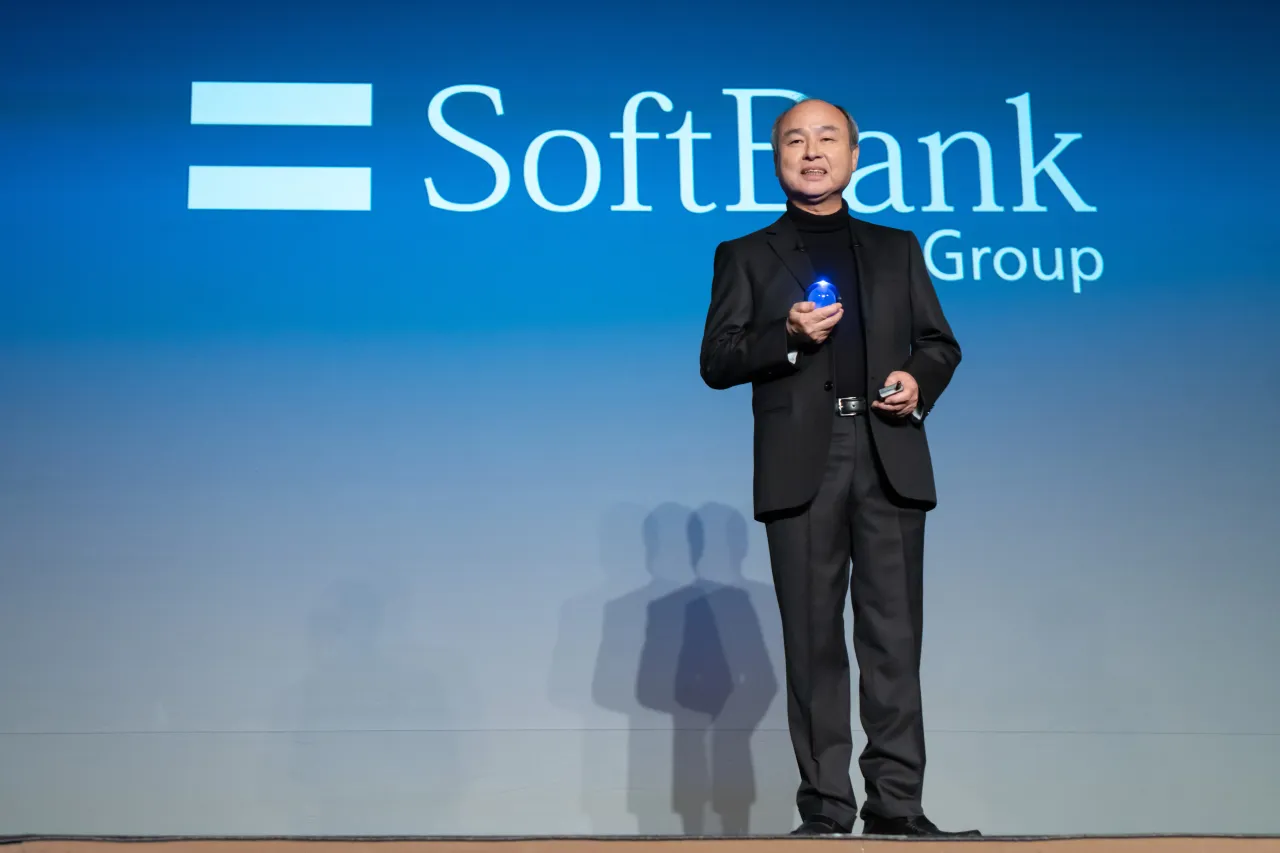
SoftBank CEO Claims AI Revolution Could Exceed Dotcom Bubble
- Scale of AI Revolution: SoftBank CEO Masayoshi Son claims that the AI revolution could be 50 times larger than the dotcom bubble, emphasizing that this represents the biggest technological revolution in human history, indicating vast future market potential.
- Infrastructure Investment: SoftBank has pledged to invest $500 billion in the U.S. for data center infrastructure as part of Project Stargate, aiming to enhance global competitiveness in AI technology.
- Investment in France: The company plans to invest €75 billion ($87 billion) in France to build a five-gigawatt AI data center, aiming to establish France as the AI technology hub of Europe, further solidifying its position in the global market.
- Market Volatility Risks: While optimistic about AI's prospects, Son does not rule out potential market corrections, referencing the 1929 stock market crash, and believes such corrections could present the best investment opportunities in the future.
See More
Nvidia Enters PC Market with New Superchip Launch
- Superchip Launch: Nvidia announced the RTX Spark superchip at the Computex trade show in Taipei, which is based on the N1X Arm processor developed in collaboration with Microsoft, set to debut in Windows Arm PCs this fall, marking a significant reinvention in the PC market after 40 years.
- AI Performance Boost: The new chip will cater to 120B-parameter large language models with 1 petaflop of AI performance, which is expected to enhance Nvidia's market share in the AI sector and further solidify its leadership in high-performance computing.
- Positive Market Reaction: Nvidia's stock rose approximately 2% in early trading, with Microsoft up around 3%, indicating strong market anticipation for the new product, while Arm's stock surged over 12%, reflecting investor confidence in the new technology.
- Acquisition Activity: Berkshire Hathaway announced an all-cash acquisition of Taylor Morrison for $6.8 billion, representing a 24% premium, marking CEO Greg Abel's first major deal, although Berkshire's stock has declined 5.6% in 2026, indicating ongoing confidence in the U.S. housing market.
See More

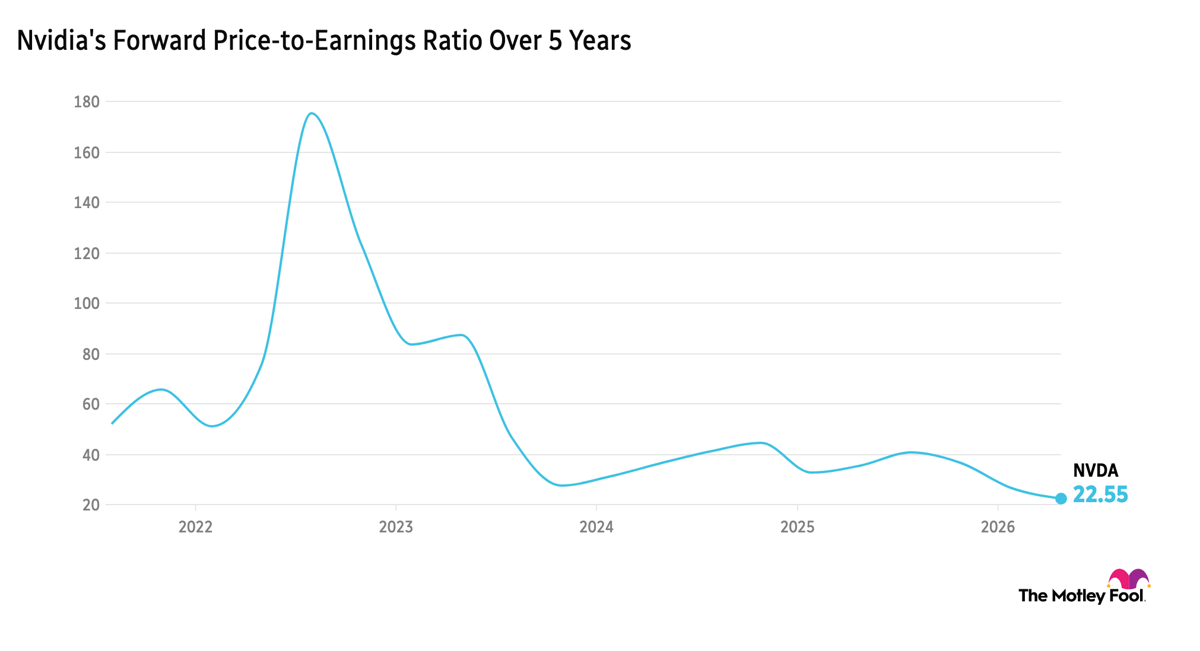
Nvidia Stock Appears Surprisingly Attractive Despite High Valuation
- Market Valuation Analysis: Despite being the most valuable company globally, Nvidia's stock appears surprisingly attractive based on morning prices from May 29, 2026, indicating market recognition of its future growth potential, which may draw more investor interest.
- Investment Return Comparison: According to The Motley Fool, Nvidia's recommended investment from April 2005 yielded a staggering 1,294,401% return, while its total average return stands at 978%, significantly outperforming the S&P 500's 211%, showcasing its long-term investment potential.
- Competitor Analysis: Although Nvidia is seen as a key technology provider, it was excluded from The Motley Fool's latest list of the top 10 stocks, suggesting that investors should exercise caution and consider potentially more attractive investment opportunities.
- Investor Community Engagement: The Motley Fool encourages investors to join its community to share experiences and strategies, emphasizing the importance of individual investors in the market, which may provide additional insights and support for future Nvidia investors.
See More
Nvidia's Stock Appears Surprisingly Attractive
- Market Leader: Nvidia is currently the most highly valued company globally, yet its stock does not appear expensive, suggesting it may attract more investor interest in the current market environment.
- Financial Performance: As of the morning prices on May 29, Nvidia's recent financial results indicate strong growth potential, further solidifying its leadership position in the tech industry and likely driving future stock price increases.
- Investor Confidence: With increasing market recognition of Nvidia, investor confidence in its stock is rising, which could lead to more capital inflows and enhance overall market performance.
- Strategic Implications: Nvidia's success not only reflects its innovative capabilities in AI and graphics processing but may also set investment trends across the industry, driving further advancements in related technologies.
See More
NVIDIA Launches DSX Platform to Redefine AI Factories
- Platform Innovation: NVIDIA's launch of the DSX platform integrates open-source and modular software, providing a comprehensive playbook for AI factory design, deployment, and operations, aimed at accelerating production and enhancing overall operational efficiency by reducing token costs.
- New Software Release: The DSX MaxLPS software combines 45-degree liquid cooling with in-rack optimization technologies, enabling a 40% increase in token performance within a fixed power budget, significantly lowering operational costs and improving GPU utilization.
- Ecosystem Expansion: NVIDIA is partnering with leading Taiwanese system manufacturers to drive the development of the DSX ecosystem, ensuring extreme co-design for AI factories, facilitating rapid deployment and operation on a global scale.
- Market Responsiveness: The introduction of the DSX platform allows infrastructure builders to simulate the entire factory before investment, validating performance to reduce risk and enhance market responsiveness, further solidifying NVIDIA's leadership position in the AI sector.
See More
The Era of 'Tokenmaxxing' May Be Over
- Corporate AI Usage Scrutiny: An increasing number of companies are scrutinizing the return on investment for AI tools, leading to the decline of 'tokenmaxxing', particularly as Amazon shut down its AI leadership board due to employees generating meaningless AI workloads, indicating a reassessment of AI usage.
- Economic Model Vulnerabilities: AI researcher Gary Marcus highlighted that as AI models become more commoditized, OpenAI and Anthropic may face greater economic pressures, with many companies that invested heavily struggling to recoup their investments, reflecting the current market's fragility.
- Cost Control Pressures: Uber confirmed it burned through its AI budget for 2026 in just four months, indicating severe challenges in corporate AI spending that could slow demand for AI hardware from companies like Nvidia, impacting their growth prospects.
- Intensifying Market Competition: As enterprises shift towards cheaper AI models and systems, OpenAI and Anthropic may lose market share, especially as Microsoft begins canceling Claude Code licenses in favor of in-house solutions, demonstrating resistance to high-cost AI services.
See More
SoftBank CEO Claims AI Revolution Could Exceed Dotcom Bubble
- Scale of AI Revolution: SoftBank CEO Masayoshi Son claims that the AI revolution could be 50 times larger than the dotcom bubble, emphasizing that this represents the biggest technological revolution in human history, indicating vast future market potential.
- Infrastructure Investment: SoftBank has pledged to invest $500 billion in the U.S. for data center infrastructure as part of Project Stargate, aiming to enhance global competitiveness in AI technology.
- Investment in France: The company plans to invest €75 billion ($87 billion) in France to build a five-gigawatt AI data center, aiming to establish France as the AI technology hub of Europe, further solidifying its position in the global market.
- Market Volatility Risks: While optimistic about AI's prospects, Son does not rule out potential market corrections, referencing the 1929 stock market crash, and believes such corrections could present the best investment opportunities in the future.
See More
Nvidia Enters PC Market with New Superchip Launch
- Superchip Launch: Nvidia announced the RTX Spark superchip at the Computex trade show in Taipei, which is based on the N1X Arm processor developed in collaboration with Microsoft, set to debut in Windows Arm PCs this fall, marking a significant reinvention in the PC market after 40 years.
- AI Performance Boost: The new chip will cater to 120B-parameter large language models with 1 petaflop of AI performance, which is expected to enhance Nvidia's market share in the AI sector and further solidify its leadership in high-performance computing.
- Positive Market Reaction: Nvidia's stock rose approximately 2% in early trading, with Microsoft up around 3%, indicating strong market anticipation for the new product, while Arm's stock surged over 12%, reflecting investor confidence in the new technology.
- Acquisition Activity: Berkshire Hathaway announced an all-cash acquisition of Taylor Morrison for $6.8 billion, representing a 24% premium, marking CEO Greg Abel's first major deal, although Berkshire's stock has declined 5.6% in 2026, indicating ongoing confidence in the U.S. housing market.
See More
Nvidia Stock Appears Surprisingly Attractive Despite High Valuation
- Market Valuation Analysis: Despite being the most valuable company globally, Nvidia's stock appears surprisingly attractive based on morning prices from May 29, 2026, indicating market recognition of its future growth potential, which may draw more investor interest.
- Investment Return Comparison: According to The Motley Fool, Nvidia's recommended investment from April 2005 yielded a staggering 1,294,401% return, while its total average return stands at 978%, significantly outperforming the S&P 500's 211%, showcasing its long-term investment potential.
- Competitor Analysis: Although Nvidia is seen as a key technology provider, it was excluded from The Motley Fool's latest list of the top 10 stocks, suggesting that investors should exercise caution and consider potentially more attractive investment opportunities.
- Investor Community Engagement: The Motley Fool encourages investors to join its community to share experiences and strategies, emphasizing the importance of individual investors in the market, which may provide additional insights and support for future Nvidia investors.
See More