Agios Pharmaceuticals to Present New Data on Mitapivat at European Hematology Congress
Agios Pharmaceuticals announced that new data on mitapivat, an oral pyruvate kinase activator, will be featured in oral and poster presentations during the 31st European Hematology Association Congress in Stockholm, Sweden, June 11-14, 2026. Select presentations at EHA 2026 will include: An oral presentation during the Plenary Abstracts Session on detailed efficacy and safety data from the global 52-week, randomized, double-blind, placebo-controlled RISE UP Phase 3 trial of mitapivat in patients aged 16 years or older with sickle cell disease. Results demonstrate that treatment with mitapivat significantly improved hemoglobin response and reduced markers of hemolysis. Additional analyses, including measures of clinical benefit and patient-reported outcomes that were not previously disclosed in the company's November 2025 topline report, will also be presented. The RISE UP abstract was one of only six selected for this distinguished plenary session from thousands of submissions. An oral presentation on long-term data from the ENERGIZE Phase 3 trial of mitapivat in adult patients with non-transfusion-dependent alpha- or beta-thalassemia. Of the 192 patients who received at least one dose of mitapivat or placebo in the double-blind period of ENERGIZE, 95% opted to transition into the corresponding open-label extension period, during which all patients receive mitapivat. The results show the durability of mitapivat treatment, with clinically meaningful hemoglobin improvements sustained for up to 127 weeks across the double-blind and OLE periods. During the OLE, nearly half of non-responders who switched from placebo achieved a hemoglobin improvement, supporting a consistent treatment effect with mitapivat. Additionally, about one-third of non-responders who received mitapivat during the double-blind period achieved a hemoglobin improvement during the OLE, suggesting a potential benefit of continued long-term treatment. A related poster will highlight a subset of patients with higher baseline hemoglobin levels in ENERGIZE. Among these patients, 38.9% in the mitapivat arm achieved a hemoglobin response in the double-blind period, compared with 0% in the placebo arm. Additionally, patients in the mitapivat arm showed a 5.1-point improvement in patient-reported fatigue scores compared with 0.8 points among those in the placebo arm, as measured by the least squares mean change from baseline in Functional Assessment of Chronic Illness Therapy-Fatigue from Week 12 to Week 24. An oral presentation on the collaborator-led SATISFY Phase 2 trial of mitapivat in 24 patients with one of three rare hemolytic anemias: hereditary spherocytosis, hereditary xerocytosis, or congenital dyserythropoietic anemia type II. Treatment resulted in sustained hemoglobin improvements over 56 weeks. Notably, patients who achieved a hemoglobin response also showed significant decreases in liver iron content, an important marker of downstream complications in hemolytic anemias.
Trade with 70% Backtested Accuracy
Analyst Views on AGIO

About AGIO
About the author


Agios Halts Development of LR-MDS Drug Tebapivat

- Clinical Trial Results: Agios announced that its drug tebapivat for lower-risk myelodysplastic syndromes (LR-MDS) did not meet the predefined clinical advancement threshold in the Phase 2b trial, which, while showing biological activity, failed to demonstrate clinical benefit in a sufficient proportion of patients, leading to the decision to halt further development.
- Patient Population Characteristics: The trial enrolled 65 patients with LR-MDS, evaluating different doses (10mg, 15mg, 20mg) of tebapivat in a heavily pretreated and heterogeneous population, highlighting the biological complexity of the disease and the challenges in identifying patients likely to benefit.
- Safety Assessment: Although tebapivat was well tolerated across all dose levels with no new safety signals identified, the lack of observed clinical benefit necessitated Agios's decision to discontinue further development in LR-MDS.
- Future Outlook: Agios remains optimistic about tebapivat's potential in sickle cell disease, with topline data from the Phase 2 trial expected in the second half of 2026, continuing to explore its applications in other rare hematologic diseases.

Regulatory Approvals and Collaborations in Biotech Sector

- FDA Approval for AZN: AstraZeneca (AZN) secured FDA approval for the IMFINZI + BCG combination in high-risk non-muscle-invasive bladder cancer, supported by Phase 3 POTOMAC data showing a 32% reduction in recurrence or death, enhancing its competitive edge in oncology.
- JNJ TREMFYA Label Expansion: Johnson & Johnson (JNJ) received FDA approval to add structural joint-damage inhibition data to the TREMFYA label for active psoriatic arthritis, confirming its unique position in first-line treatment with no new safety signals, reinforcing its market leadership.
- LINZESS Approved for Children: Ironwood Pharmaceuticals (IRWD) gained FDA approval for LINZESS to treat functional constipation in children aged 2-5, based on a 12-week Phase 3 trial showing significant improvement in spontaneous bowel movements, expanding its pediatric market influence.
- AbbVie's DECNUPAZ Approval: AbbVie (ABBV) received FDA approval for DECNUPAZ to treat ultra-rare blood cancer BPDCN, supported by Phase 1 data showing a 69.7% composite complete response rate and a median duration of 9.7 months, marking a significant innovation in hematologic oncology.
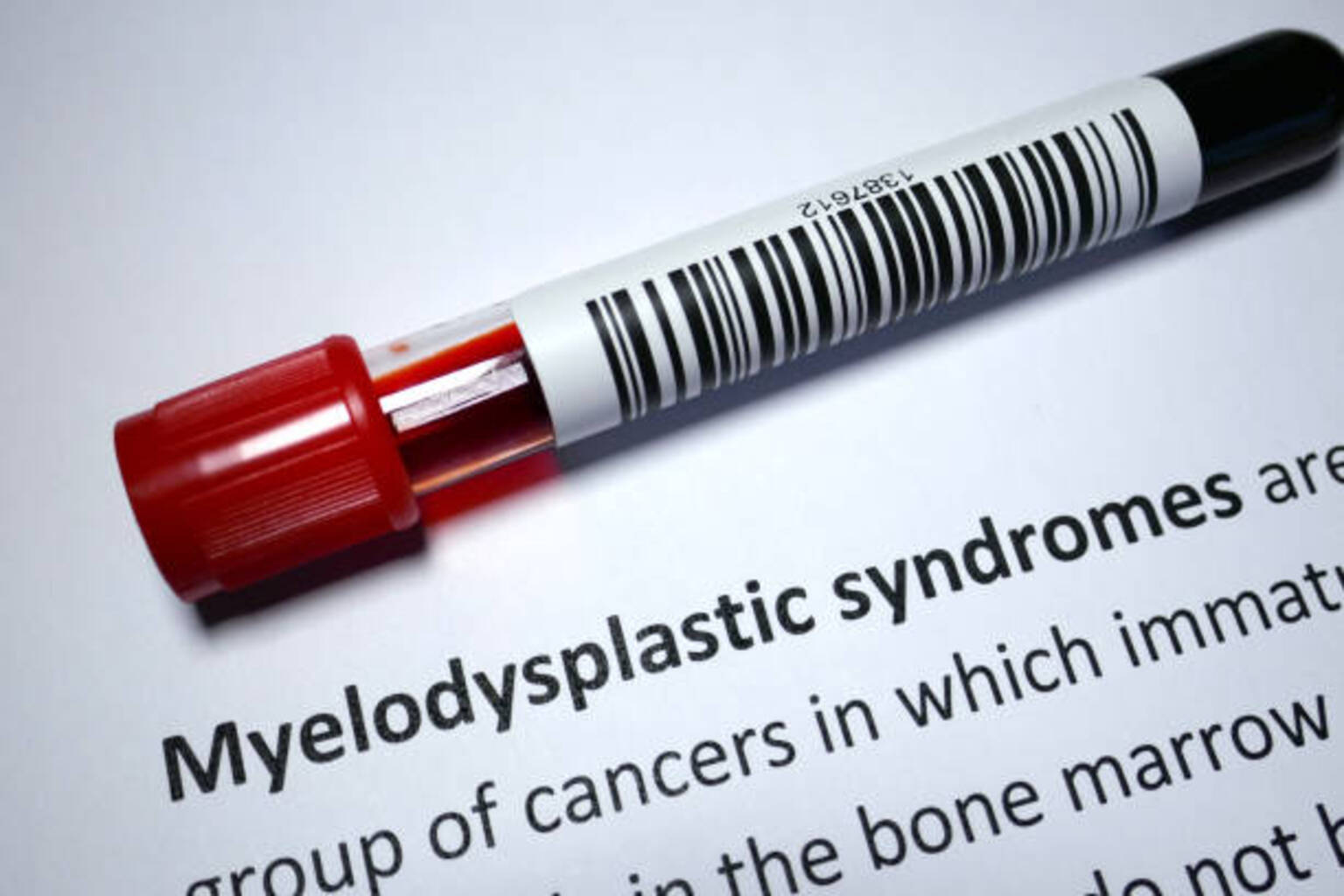
Agios Pharmaceuticals Halts Blood Cancer Treatment Trials
- Study Discontinuation: Agios Pharmaceuticals announced the discontinuation of studies for a treatment targeting myelodysplastic syndromes, resulting in a ~6% drop in premarket trading, indicating a strategic shift in the company's focus.
- Disappointing Trial Results: The 24-week dose-finding trial did not meet the predefined target for transfusion independence, reflecting insufficient efficacy of the treatment and impacting the company's future research direction.
- Safety Profile Maintained: Despite the unsatisfactory trial outcomes, Agios reported that the oral pyruvate kinase activator was well-tolerated across multiple dose levels with no new safety signals, suggesting potential for use in other indications.
- Future Research Plans: Agios is conducting another Phase 2 trial for sickle cell disease, with topline data expected in H2 2026, demonstrating the company's ongoing commitment to exploring alternative treatment avenues for growth.

Agios Receives EU Approval for PYRUKYND
- Drug Approval: Agios Pharmaceuticals and its partner Avanzanite Bioscience announced that the European Commission has granted marketing authorization for their lead product PYRUKYND to treat transfusion-dependent and non-transfusion-dependent alpha or beta-thalassemia, marking the second indication for the drug in the EU.
- Clinical Trial Support: The approval is based on a positive opinion from the European Medicines Agency (EMA) and relies on results from the ENERGIZE and ENERGIZE-T Phase 3 trials, which evaluated the efficacy and safety of Mitapivat in adults with thalassemia.
- Market Launch Plan: Under an exclusive agreement with Agios, Avanzanite Bioscience will commercialize and distribute PYRUKYND across the European Economic Area, the UK, and Switzerland, with CEO Adam Plich stating their commitment to collaborate with local authorities to drive a successful launch and ensure broad access.
- Stock Price Dynamics: AGIO's stock has traded between $22.24 and $46.00 over the past year, closing at $28.14, down 2.26%, and falling to $27.60 in after-hours trading, indicating a cautious market reaction to the new drug approval.
Avanzanite Launches PYRUKYND in the EU
- Drug Approval: Avanzanite, in partnership with Agios, has received marketing authorization for PYRUKYND in the EU, introducing a new oral treatment option for adult patients with transfusion-dependent and non-transfusion-dependent alpha or beta-thalassaemia, marking its second indication in the EU.
- Clinical Trial Support: This approval is based on results from the global randomized double-blind ENERGIZE and ENERGIZE-T Phase 3 trials, demonstrating significant efficacy in improving patient quality of life and reducing transfusion burden, highlighting its clinical importance.
- Market Access Commitment: Avanzanite is committed to collaborating with local health authorities to ensure broad access to PYRUKYND across the EU, aiming to help all thalassaemia patients access this new therapy, reflecting the company's dedication to patient care.
- Commercial Platform Advantage: This launch marks Avanzanite's fourth drug introduction in the rare disease sector, showcasing its strong commercial platform across 32 European countries and its capability to partner with biotech innovators to enhance treatment accessibility for rare diseases.
PYRUKYND Approved in EU for Thalassemia Treatment
- Regulatory Milestone: PYRUKYND (mitapivat) has received marketing authorization from the European Commission, becoming the only approved treatment for both transfusion-dependent and non-transfusion-dependent alpha or beta-thalassemia, marking a significant advancement for thousands of patients.
- Clinical Trial Validation: This approval is based on results from global randomized Phase 3 trials, demonstrating PYRUKYND's efficacy in alleviating anemia symptoms and improving quality of life, highlighting its substantial clinical significance.
- Market Expansion Strategy: Agios has entered into an exclusive agreement with Avanzanite Bioscience for the commercialization and distribution of PYRUKYND across the European Economic Area, further solidifying its position in the global rare disease market.
- Global Recognition: With approvals in the U.S., Saudi Arabia, UAE, and now the EU, PYRUKYND reflects widespread demand and potential market opportunities globally, indicating promising future sales growth.
Agios Halts Development of LR-MDS Drug Tebapivat
- Clinical Trial Results: Agios announced that its drug tebapivat for lower-risk myelodysplastic syndromes (LR-MDS) did not meet the predefined clinical advancement threshold in the Phase 2b trial, which, while showing biological activity, failed to demonstrate clinical benefit in a sufficient proportion of patients, leading to the decision to halt further development.
- Patient Population Characteristics: The trial enrolled 65 patients with LR-MDS, evaluating different doses (10mg, 15mg, 20mg) of tebapivat in a heavily pretreated and heterogeneous population, highlighting the biological complexity of the disease and the challenges in identifying patients likely to benefit.
- Safety Assessment: Although tebapivat was well tolerated across all dose levels with no new safety signals identified, the lack of observed clinical benefit necessitated Agios's decision to discontinue further development in LR-MDS.
- Future Outlook: Agios remains optimistic about tebapivat's potential in sickle cell disease, with topline data from the Phase 2 trial expected in the second half of 2026, continuing to explore its applications in other rare hematologic diseases.
Regulatory Approvals and Collaborations in Biotech Sector
- FDA Approval for AZN: AstraZeneca (AZN) secured FDA approval for the IMFINZI + BCG combination in high-risk non-muscle-invasive bladder cancer, supported by Phase 3 POTOMAC data showing a 32% reduction in recurrence or death, enhancing its competitive edge in oncology.
- JNJ TREMFYA Label Expansion: Johnson & Johnson (JNJ) received FDA approval to add structural joint-damage inhibition data to the TREMFYA label for active psoriatic arthritis, confirming its unique position in first-line treatment with no new safety signals, reinforcing its market leadership.
- LINZESS Approved for Children: Ironwood Pharmaceuticals (IRWD) gained FDA approval for LINZESS to treat functional constipation in children aged 2-5, based on a 12-week Phase 3 trial showing significant improvement in spontaneous bowel movements, expanding its pediatric market influence.
- AbbVie's DECNUPAZ Approval: AbbVie (ABBV) received FDA approval for DECNUPAZ to treat ultra-rare blood cancer BPDCN, supported by Phase 1 data showing a 69.7% composite complete response rate and a median duration of 9.7 months, marking a significant innovation in hematologic oncology.
Agios Pharmaceuticals Halts Blood Cancer Treatment Trials
- Study Discontinuation: Agios Pharmaceuticals announced the discontinuation of studies for a treatment targeting myelodysplastic syndromes, resulting in a ~6% drop in premarket trading, indicating a strategic shift in the company's focus.
- Disappointing Trial Results: The 24-week dose-finding trial did not meet the predefined target for transfusion independence, reflecting insufficient efficacy of the treatment and impacting the company's future research direction.
- Safety Profile Maintained: Despite the unsatisfactory trial outcomes, Agios reported that the oral pyruvate kinase activator was well-tolerated across multiple dose levels with no new safety signals, suggesting potential for use in other indications.
- Future Research Plans: Agios is conducting another Phase 2 trial for sickle cell disease, with topline data expected in H2 2026, demonstrating the company's ongoing commitment to exploring alternative treatment avenues for growth.
Agios Receives EU Approval for PYRUKYND
- Drug Approval: Agios Pharmaceuticals and its partner Avanzanite Bioscience announced that the European Commission has granted marketing authorization for their lead product PYRUKYND to treat transfusion-dependent and non-transfusion-dependent alpha or beta-thalassemia, marking the second indication for the drug in the EU.
- Clinical Trial Support: The approval is based on a positive opinion from the European Medicines Agency (EMA) and relies on results from the ENERGIZE and ENERGIZE-T Phase 3 trials, which evaluated the efficacy and safety of Mitapivat in adults with thalassemia.
- Market Launch Plan: Under an exclusive agreement with Agios, Avanzanite Bioscience will commercialize and distribute PYRUKYND across the European Economic Area, the UK, and Switzerland, with CEO Adam Plich stating their commitment to collaborate with local authorities to drive a successful launch and ensure broad access.
- Stock Price Dynamics: AGIO's stock has traded between $22.24 and $46.00 over the past year, closing at $28.14, down 2.26%, and falling to $27.60 in after-hours trading, indicating a cautious market reaction to the new drug approval.
Avanzanite Launches PYRUKYND in the EU
- Drug Approval: Avanzanite, in partnership with Agios, has received marketing authorization for PYRUKYND in the EU, introducing a new oral treatment option for adult patients with transfusion-dependent and non-transfusion-dependent alpha or beta-thalassaemia, marking its second indication in the EU.
- Clinical Trial Support: This approval is based on results from the global randomized double-blind ENERGIZE and ENERGIZE-T Phase 3 trials, demonstrating significant efficacy in improving patient quality of life and reducing transfusion burden, highlighting its clinical importance.
- Market Access Commitment: Avanzanite is committed to collaborating with local health authorities to ensure broad access to PYRUKYND across the EU, aiming to help all thalassaemia patients access this new therapy, reflecting the company's dedication to patient care.
- Commercial Platform Advantage: This launch marks Avanzanite's fourth drug introduction in the rare disease sector, showcasing its strong commercial platform across 32 European countries and its capability to partner with biotech innovators to enhance treatment accessibility for rare diseases.
PYRUKYND Approved in EU for Thalassemia Treatment
- Regulatory Milestone: PYRUKYND (mitapivat) has received marketing authorization from the European Commission, becoming the only approved treatment for both transfusion-dependent and non-transfusion-dependent alpha or beta-thalassemia, marking a significant advancement for thousands of patients.
- Clinical Trial Validation: This approval is based on results from global randomized Phase 3 trials, demonstrating PYRUKYND's efficacy in alleviating anemia symptoms and improving quality of life, highlighting its substantial clinical significance.
- Market Expansion Strategy: Agios has entered into an exclusive agreement with Avanzanite Bioscience for the commercialization and distribution of PYRUKYND across the European Economic Area, further solidifying its position in the global rare disease market.
- Global Recognition: With approvals in the U.S., Saudi Arabia, UAE, and now the EU, PYRUKYND reflects widespread demand and potential market opportunities globally, indicating promising future sales growth.