

Abercrombie & Fitch Expands into Footwear Sales
Written by Emily J. Thompson, Senior Investment Analyst
Updated: 1 hour ago
0mins
Source: Newsfilter
- Sales Growth Slowdown: Abercrombie & Fitch experienced over 98% annual sales growth from fiscal 2020 to 2024, but in the most recent fiscal year, brand sales fell by more than 1%, indicating a slowdown that necessitates new growth strategies.
- Category Expansion: The company has begun selling external footwear brands like Puma and Sperry at its new location in New York City, aiming to diversify its product offerings to attract new customers and increase spending from existing shoppers, reflecting market demand for brand variety.
- Increased Market Competition: With rival Aritzia showing strong performance, Abercrombie's comparable sales have been negative or flat for the past five quarters, highlighting the need for more aggressive strategies to maintain relevance in a competitive apparel market.
- Positive Customer Feedback: Despite the external brand footwear sales being live for only two weeks, initial customer responses have been positive, suggesting that this strategy may enhance customer experience and potentially drive future sales growth.
Trade with 70% Backtested Accuracy
Stop guessing "Should I Buy ANF?" and start using high-conviction signals backed by rigorous historical data.
Sign up today to access powerful investing tools and make smarter, data-driven decisions.
Analyst Views on ANF
Wall Street analysts forecast ANF stock price to rise
11 Analyst Rating
6 Buy
5 Hold
0 Sell
Moderate Buy
Current: 91.100

Low
95.00
Averages
123.67
High
160.00
Current: 91.100
Low
95.00
Averages
123.67
High
160.00
About ANF
Abercrombie & Fitch Co. is a global, digitally led omnichannel specialty retailer of apparel and accessories. The Company offers an assortment of apparel, personal care products and accessories for men, women and kids, which are sold primarily through its Company-owned stores and digital channels, as well as through various third-party arrangements. The Company’s brands include Abercrombie brands, which includes Abercrombie & Fitch, abercrombie kids, and Your Personal Best (YPB), and Hollister brands, which include Hollister and Gilly Hicks. Its geographic segments include the Americas, EMEA, and APAC. The Company also offers its loyalty programs, which include Abercrombie’s myAbercrombie and Hollister’s Hollister House Rewards. The Company operates approximately 790 stores under these brands across North America, Europe, Asia and the Middle East, as well as the e-commerce sites abercrombie.com, abercrombiekids.com, and hollisterco.com.
About the author

Emily J. Thompson
Emily J. Thompson, a Chartered Financial Analyst (CFA) with 12 years in investment research, graduated with honors from the Wharton School. Specializing in industrial and technology stocks, she provides in-depth analysis for Intellectia’s earnings and market brief reports.

Abercrombie Expands Footwear Brands to Drive Growth

- Brand Expansion Strategy: Abercrombie's collaboration with brands like Puma and Sperry marks its first foray into external footwear, launching at a new 10,000-square-foot store in New York, aimed at attracting new customers and enhancing existing shoppers' spending, thereby strengthening market competitiveness.
- Customer Demand Response: The company noted frequent inquiries on social media about where to buy these shoes, indicating strong demand for external brands and highlighting the market's desire for product diversity, which could drive future sales growth.
- Sales Performance Challenges: Despite Abercrombie's impressive sales growth of over 98% from fiscal 2020 to 2024, the brand experienced a decline of over 1% in sales and a 7% drop in comparable sales during fiscal 2024 to 2025, reflecting intensified market competition and internal execution challenges.
- Competitive Environment Analysis: In response to strong performances from competitors like Aritzia, Abercrombie's expansion into external brands is seen as a crucial strategy for attracting potential customers, and while analysts believe the sales contribution from these brands may be limited, their potential for customer acquisition and brand exposure is significant.
See More
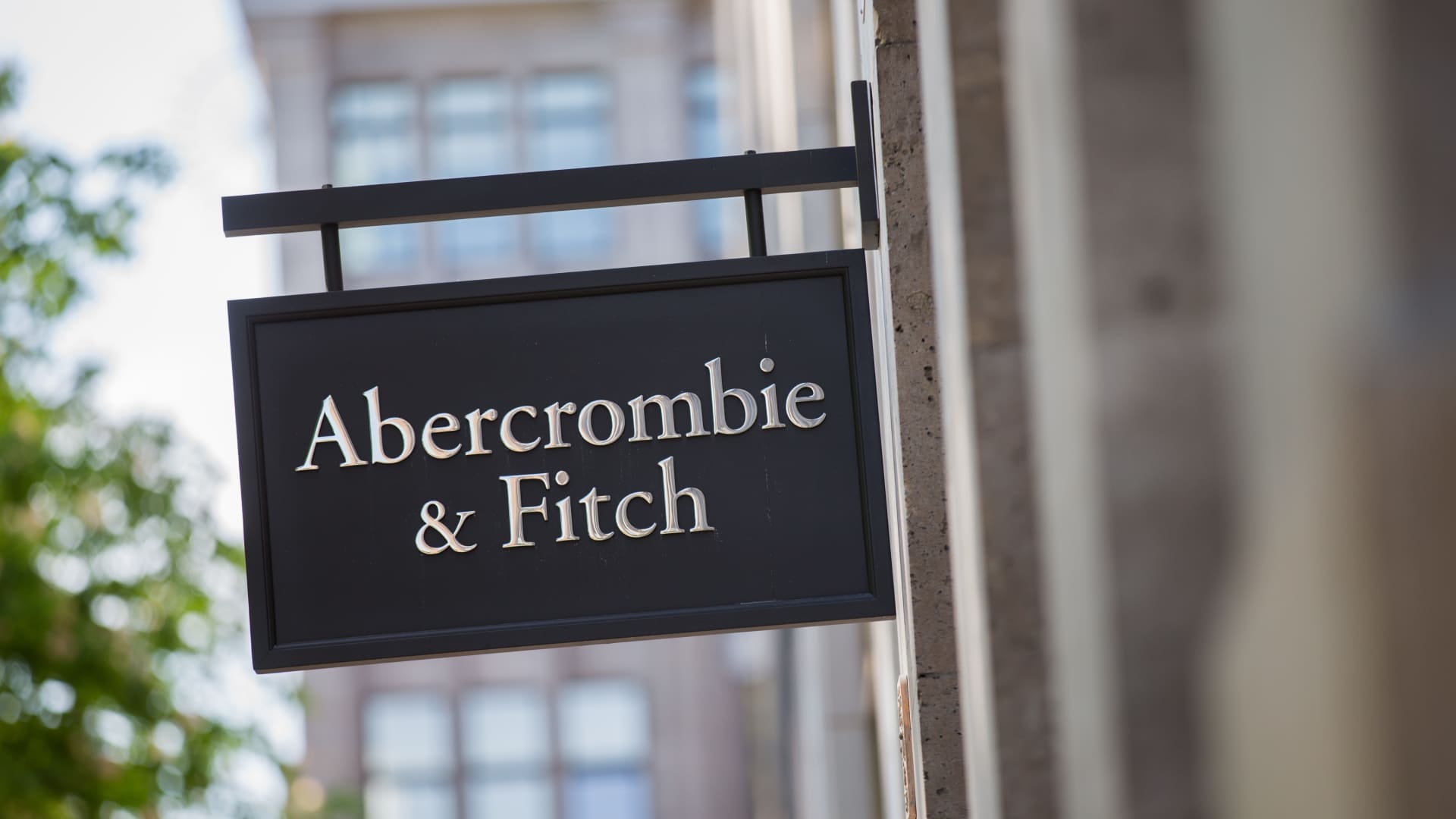
Abercrombie & Fitch Expands into Footwear Sales
- Sales Growth Slowdown: Abercrombie & Fitch experienced over 98% annual sales growth from fiscal 2020 to 2024, but in the most recent fiscal year, brand sales fell by more than 1%, indicating a slowdown that necessitates new growth strategies.
- Category Expansion: The company has begun selling external footwear brands like Puma and Sperry at its new location in New York City, aiming to diversify its product offerings to attract new customers and increase spending from existing shoppers, reflecting market demand for brand variety.
- Increased Market Competition: With rival Aritzia showing strong performance, Abercrombie's comparable sales have been negative or flat for the past five quarters, highlighting the need for more aggressive strategies to maintain relevance in a competitive apparel market.
- Positive Customer Feedback: Despite the external brand footwear sales being live for only two weeks, initial customer responses have been positive, suggesting that this strategy may enhance customer experience and potentially drive future sales growth.
See More
Oil Price Drop Fuels Stock Market Rally

- Oil Price Impact: The Brent crude price has fallen over 5% due to the Iran peace deal, dropping from a May peak of $126 to $83, which translates into significant cost savings for consumers and boosts retail spending.
- Retailer Cost Relief: The decline in oil prices not only eases the burden at the pump for consumers but also reduces freight and logistics costs for retailers, alleviating margin pressures that had intensified due to the blockade, thus providing a more favorable cost environment for back-to-school and holiday inventory decisions.
- Positive Market Reaction: In response to the oil price drop, Abercrombie & Fitch (ANF) shares rose by 3.1%, Dollar General (DG) by 2.8%, and Monro (MNRO) by 3%, indicating a positive market reaction and highlighting buying opportunities for high-quality stocks.
- Lower Inflation Expectations: The drop in oil prices suggests reduced inflationary pressures, which could influence the Fed's rate hike decisions, especially following the easing tensions in Iran, leading to a diminished market expectation for a December rate increase.
See More

Apparel Makers' Shares Drop on Weak Forecasts Amid Economic Strain


- Stock Price Decline: Shares of Gap and American Eagle Outfitters fell 15% and 10% respectively in premarket trading due to weak annual forecasts, indicating consumers are cutting discretionary spending amid a challenging macroeconomic environment.
- Sales Forecast Adjustments: Gap lowered its annual sales forecast, while American Eagle maintained its full-year comparable sales and operating profit outlook but warned of a contraction in current-quarter gross margin, raising concerns about near-term demand.
- Consumer Sentiment Weakness: U.S. inflation saw its largest increase in three years, and consumer sentiment hit a record low in May, forcing households to tap into savings and reduce discretionary purchases such as clothing and accessories.
- Brand Performance Issues: Gap is undergoing a turnaround under CEO Richard Dickson, but Old Navy's seasonal women's apparel failed to connect with shoppers, leading to sales pressure; American Eagle's Aerie brand saw strong demand, but its main brand struggled due to changing fashion trends.
See More
Snowflake Reports Strong Q1 Results, Shares Surge 37%


- Strong Earnings Performance: Snowflake reported first-quarter results that exceeded expectations, leading to a more than 37% surge in shares during after-hours trading, indicating a potential best trading day ever and reflecting strong market confidence in its growth prospects.
- Significant Investment Commitment: The company announced a $6 billion investment in Amazon Web Services (AWS) to enhance its cloud computing capabilities and accelerate the development of AI-related products, thereby improving its competitive edge and customer service capabilities.
- Acquisition Strategy: Snowflake also revealed the acquisition of AI startup Natoma, further expanding its technological capabilities and signaling a strategic focus on AI, which is expected to support future product innovation and market expansion.
- Industry Dynamics Impact: Alongside Snowflake's strong performance, Salesforce also beat Wall Street's first-quarter estimates, although its full-year outlook fell slightly short, indicating signs of recovery in the tech sector that may attract more investor interest in related stocks.
See More

Abercrombie & Fitch Surpasses Earnings Expectations, Stock Rises
- Consistent Sales Growth: Abercrombie & Fitch reported a 2% year-over-year increase in net sales to $1.1 billion for Q1 FY2026, marking its 14th consecutive quarter of growth; despite a 10% sales decline in the EMEA region due to ongoing conflicts, the Americas and Asia-Pacific segments saw increases of 3% and 24%, respectively, demonstrating the company's resilience in global markets.
- Profitability Challenges: Although sales increased, tariff-related costs led to a decline in operating margin from 9.3% to 8%, resulting in an 8% drop in earnings per share to $1.47, yet this figure surpassed analysts' expectations of $1.28, indicating the company's ability to maintain profitability amid challenges.
- Optimistic Future Outlook: Management anticipates that tariff-related pressures will ease in the coming quarters, projecting full-year net sales growth of 3% to 5% and earnings per share targets of $10.20 to $11.00, reflecting confidence in future performance.
- Shareholder Return Plan: Abercrombie & Fitch plans to return $450 million to shareholders through a substantial stock buyback program, with CEO Fran Horowitz stating that the company is on track for top-line growth, double-digit operating margins, and strong cash flow, further bolstering shareholder confidence.
See More
Abercrombie Expands Footwear Brands to Drive Growth
- Brand Expansion Strategy: Abercrombie's collaboration with brands like Puma and Sperry marks its first foray into external footwear, launching at a new 10,000-square-foot store in New York, aimed at attracting new customers and enhancing existing shoppers' spending, thereby strengthening market competitiveness.
- Customer Demand Response: The company noted frequent inquiries on social media about where to buy these shoes, indicating strong demand for external brands and highlighting the market's desire for product diversity, which could drive future sales growth.
- Sales Performance Challenges: Despite Abercrombie's impressive sales growth of over 98% from fiscal 2020 to 2024, the brand experienced a decline of over 1% in sales and a 7% drop in comparable sales during fiscal 2024 to 2025, reflecting intensified market competition and internal execution challenges.
- Competitive Environment Analysis: In response to strong performances from competitors like Aritzia, Abercrombie's expansion into external brands is seen as a crucial strategy for attracting potential customers, and while analysts believe the sales contribution from these brands may be limited, their potential for customer acquisition and brand exposure is significant.
See More
Abercrombie & Fitch Expands into Footwear Sales
- Sales Growth Slowdown: Abercrombie & Fitch experienced over 98% annual sales growth from fiscal 2020 to 2024, but in the most recent fiscal year, brand sales fell by more than 1%, indicating a slowdown that necessitates new growth strategies.
- Category Expansion: The company has begun selling external footwear brands like Puma and Sperry at its new location in New York City, aiming to diversify its product offerings to attract new customers and increase spending from existing shoppers, reflecting market demand for brand variety.
- Increased Market Competition: With rival Aritzia showing strong performance, Abercrombie's comparable sales have been negative or flat for the past five quarters, highlighting the need for more aggressive strategies to maintain relevance in a competitive apparel market.
- Positive Customer Feedback: Despite the external brand footwear sales being live for only two weeks, initial customer responses have been positive, suggesting that this strategy may enhance customer experience and potentially drive future sales growth.
See More
Oil Price Drop Fuels Stock Market Rally
- Oil Price Impact: The Brent crude price has fallen over 5% due to the Iran peace deal, dropping from a May peak of $126 to $83, which translates into significant cost savings for consumers and boosts retail spending.
- Retailer Cost Relief: The decline in oil prices not only eases the burden at the pump for consumers but also reduces freight and logistics costs for retailers, alleviating margin pressures that had intensified due to the blockade, thus providing a more favorable cost environment for back-to-school and holiday inventory decisions.
- Positive Market Reaction: In response to the oil price drop, Abercrombie & Fitch (ANF) shares rose by 3.1%, Dollar General (DG) by 2.8%, and Monro (MNRO) by 3%, indicating a positive market reaction and highlighting buying opportunities for high-quality stocks.
- Lower Inflation Expectations: The drop in oil prices suggests reduced inflationary pressures, which could influence the Fed's rate hike decisions, especially following the easing tensions in Iran, leading to a diminished market expectation for a December rate increase.
See More
Apparel Makers' Shares Drop on Weak Forecasts Amid Economic Strain
- Stock Price Decline: Shares of Gap and American Eagle Outfitters fell 15% and 10% respectively in premarket trading due to weak annual forecasts, indicating consumers are cutting discretionary spending amid a challenging macroeconomic environment.
- Sales Forecast Adjustments: Gap lowered its annual sales forecast, while American Eagle maintained its full-year comparable sales and operating profit outlook but warned of a contraction in current-quarter gross margin, raising concerns about near-term demand.
- Consumer Sentiment Weakness: U.S. inflation saw its largest increase in three years, and consumer sentiment hit a record low in May, forcing households to tap into savings and reduce discretionary purchases such as clothing and accessories.
- Brand Performance Issues: Gap is undergoing a turnaround under CEO Richard Dickson, but Old Navy's seasonal women's apparel failed to connect with shoppers, leading to sales pressure; American Eagle's Aerie brand saw strong demand, but its main brand struggled due to changing fashion trends.
See More
Snowflake Reports Strong Q1 Results, Shares Surge 37%
- Strong Earnings Performance: Snowflake reported first-quarter results that exceeded expectations, leading to a more than 37% surge in shares during after-hours trading, indicating a potential best trading day ever and reflecting strong market confidence in its growth prospects.
- Significant Investment Commitment: The company announced a $6 billion investment in Amazon Web Services (AWS) to enhance its cloud computing capabilities and accelerate the development of AI-related products, thereby improving its competitive edge and customer service capabilities.
- Acquisition Strategy: Snowflake also revealed the acquisition of AI startup Natoma, further expanding its technological capabilities and signaling a strategic focus on AI, which is expected to support future product innovation and market expansion.
- Industry Dynamics Impact: Alongside Snowflake's strong performance, Salesforce also beat Wall Street's first-quarter estimates, although its full-year outlook fell slightly short, indicating signs of recovery in the tech sector that may attract more investor interest in related stocks.
See More
Abercrombie & Fitch Surpasses Earnings Expectations, Stock Rises
- Consistent Sales Growth: Abercrombie & Fitch reported a 2% year-over-year increase in net sales to $1.1 billion for Q1 FY2026, marking its 14th consecutive quarter of growth; despite a 10% sales decline in the EMEA region due to ongoing conflicts, the Americas and Asia-Pacific segments saw increases of 3% and 24%, respectively, demonstrating the company's resilience in global markets.
- Profitability Challenges: Although sales increased, tariff-related costs led to a decline in operating margin from 9.3% to 8%, resulting in an 8% drop in earnings per share to $1.47, yet this figure surpassed analysts' expectations of $1.28, indicating the company's ability to maintain profitability amid challenges.
- Optimistic Future Outlook: Management anticipates that tariff-related pressures will ease in the coming quarters, projecting full-year net sales growth of 3% to 5% and earnings per share targets of $10.20 to $11.00, reflecting confidence in future performance.
- Shareholder Return Plan: Abercrombie & Fitch plans to return $450 million to shareholders through a substantial stock buyback program, with CEO Fran Horowitz stating that the company is on track for top-line growth, double-digit operating margins, and strong cash flow, further bolstering shareholder confidence.
See More





