2 Vanguard Index Funds to Invest in Now — Wall Street Analysts Predict They Will Outperform the S&P 500 in the Next 10 Years

Goldman Sachs Forecast: Goldman Sachs projects the S&P 500 will return 6.5% annually over the next decade, while Asian and emerging-market stocks are expected to outperform with returns of 10.3% and 10.9%, respectively, in local currencies.
Investment Recommendations: Investors are advised to consider the Vanguard FTSE Pacific ETF and the Vanguard FTSE Emerging Markets ETF for exposure to Asian and emerging markets, despite the S&P 500's historical outperformance over the last decade.
Expense Ratios: Both Vanguard ETFs have a low expense ratio of 0.07%, making them cost-effective options for investors looking to diversify into international equities.
Caution on Predictions: The author expresses skepticism about Goldman Sachs' forecasts, citing past inaccuracies and emphasizing a preference for maintaining a larger portion of investment in U.S. stocks, particularly the S&P 500, due to its consistent long-term performance.
Trade with 70% Backtested Accuracy
Analyst Views on MUFG
About MUFG
About the author


Vanguard Research Favors Value and International Stocks in AI Era


- Positive Outlook for Value Stocks: Vanguard's research suggests that U.S. value stocks may outperform tech stocks in the upcoming AI-driven productivity era, with the Vanguard Small-Cap Value ETF achieving approximately 27% returns over the past year, indicating strong market competitiveness.
- International Dividend ETF Performance: The Vanguard International Dividend Appreciation ETF currently offers a trailing 12-month dividend yield of 2.12% and holds 343 international stocks; despite underperforming the S&P 500 over the past five years, its stable dividend payments attract income-seeking investors.
- Opportunities in Small-Cap Stocks: The Vanguard Small-Cap Value ETF, holding 835 small-cap stocks, delivered a 15.9% return in the first half of the year and charges a low expense ratio of 0.05%, providing a diversified investment option for those optimistic about the growth potential of smaller companies.
- International Market Potential: Vanguard's research indicates that future AI gains may flow to international markets, particularly companies in Japan, Canada, and Western Europe, which have a solid foundation for leveraging AI to enhance profitability, potentially yielding significant returns for investors.
Vanguard Sees AI Boosting Value Stocks Over Tech
- AI Investment Outlook: Vanguard's research indicates that the largest future gains from AI may not go to major tech firms but rather to U.S. value stocks and international developed market equities, as these companies are better positioned to leverage AI for enhanced profitability and efficiency, thereby gaining a competitive edge.
- Small-Cap Value ETF Performance: The Vanguard Small-Cap Value ETF (VBR), which holds 835 stocks, achieved a 27.1% return over the past year, outperforming the S&P 500, and charges a low expense ratio of 0.05%, indicating significant growth potential amid rising AI productivity.
- International Dividend ETF Analysis: The Vanguard International Dividend Appreciation ETF (VIGI) consists of 343 international stocks with an 8.4% annualized return over the past decade; despite underperforming the S&P 500, its 2.12% dividend yield remains competitive among peers, appealing to investors optimistic about international markets.
- Market Distribution and Risks: VIGI's portfolio is primarily focused on developed markets, particularly Japan and Canada, and while it has underperformed historically, the potential for AI to enhance profitability in these firms could yield substantial returns for investors in the future.

Surge in Demand for GE Vernova Gas Turbines Amid AI Boom


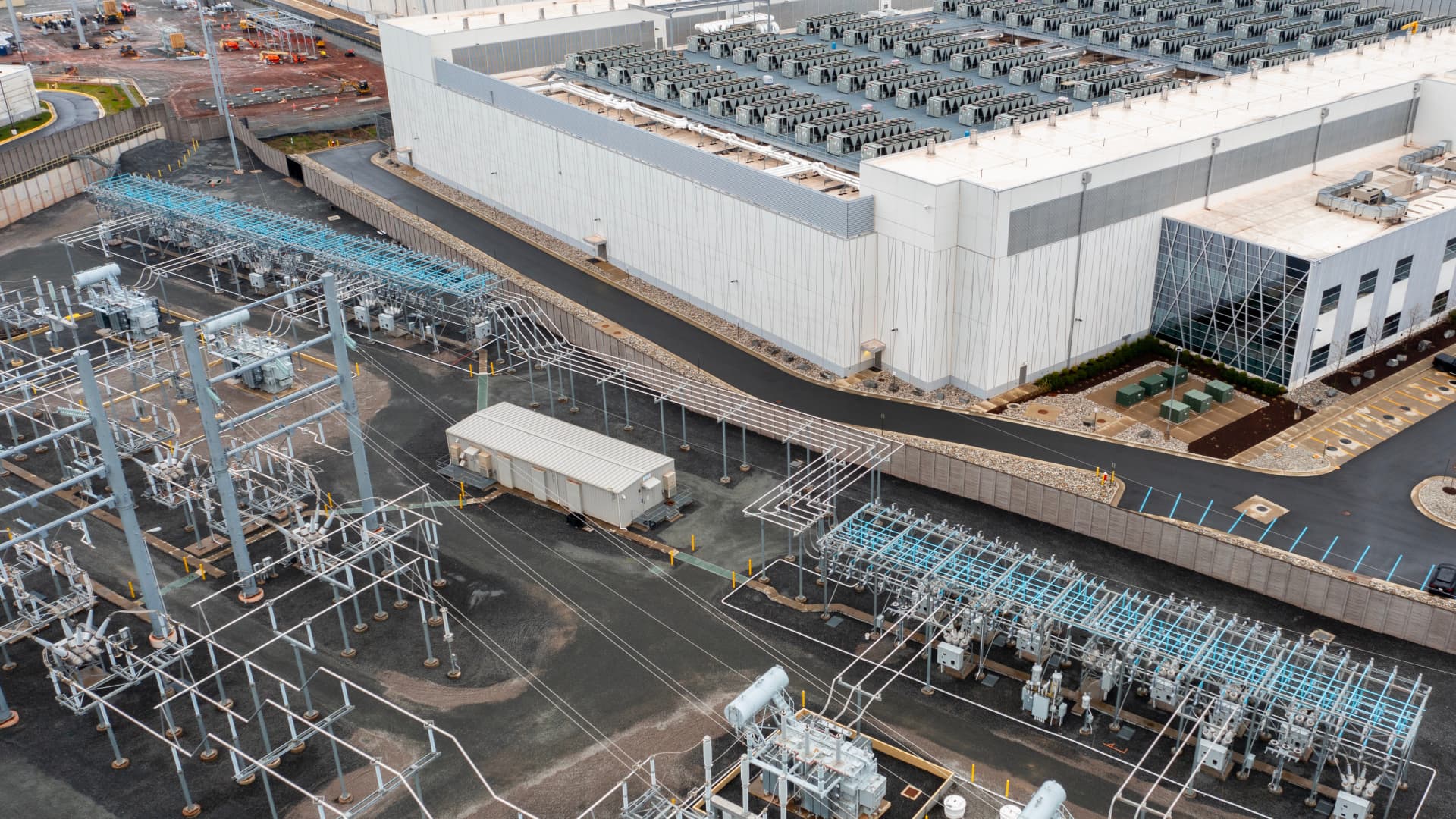
- Production Expansion: GE Vernova's gas turbine plant in Greenville, South Carolina, hired 200 workers last year and plans to add 300 more by year-end, reflecting strong demand driven by AI data centers.
- Market Demand: The company's order book is full through 2029, with expectations extending into 2030 and 2031, indicating a surge in power needs driven by AI applications, particularly from major tech firms like Microsoft and Amazon.
- Price Surge: The cost of a gas turbine exceeds $250 million, with prices soaring 300% over the past three years, highlighting the increase in AI capital expenditure budgets, which has positively impacted GE Vernova's stock by nearly 60%.
- Sustainability Efforts: GE Vernova is focused on enhancing the environmental performance of its turbines, with current models being twice as efficient as those produced 20 years ago, addressing public pushback against data center development and environmental concerns.
Berkshire CEO Greg Abel Becomes U.S. Citizen


- Citizenship Achievement: Berkshire Hathaway CEO Greg Abel was sworn in as a U.S. citizen during a baseball game in Iowa, marking a significant transition from his Canadian citizenship and reflecting his pursuit of the American dream.
- Wealth Background: With an estimated net worth of around $1 billion, Abel leads a company valued at over $1 trillion, and while he generally maintains a low profile, this event highlights the intersection of his personal achievements and the company's stature.
- Naturalization Ceremony: The ceremony, hosted by the Iowa Cubs, welcomed 533 new citizens, showcasing America's welcoming nature towards immigrants, with Abel's participation further enhancing this symbolic significance.
- Market Implications: Abel's new citizenship may influence Berkshire Hathaway's future market strategies, particularly regarding its potential inclusion in the Dow Jones Industrial Average, reflecting the company's growing importance and impact in the financial markets.
Microsoft Signs Long-Term Energy Deal with Chevron for New Data Center
- Project Foundation: Microsoft's long-term energy purchase agreement with Chevron will support a new data center in Texas, expected to deliver approximately 2.7 gigawatts of power, sufficient for 2 million households, demonstrating responsiveness to the growing demand for AI workloads.
- Market Share Advantage: GE Vernova holds about 25% of the global electricity market, with backlog projected to reach $200 billion by the end of 2027, reflecting strong demand and pricing power in the heavy-duty turbine sector, further driving margin expansion.
- Project Progress: The Chevron power plant, dubbed Project Kilby, is expected to start supplying power to Microsoft's data center in 2028; despite facing supply chain challenges, the project has community support, highlighting potential local economic benefits.
- Industry Outlook: Analysts note that as the AI sector continues to thrive, demand for GE Vernova's heavy-duty turbines remains robust; despite competitive pressures, the company maintains a positive market outlook and is expected to attract more large-scale project collaborations.

NetJets' First Fatal Crash Claims Prominent VC Founder


- Crash Impact: NetJets experienced its first fatal crash in Laredo, Texas, resulting in the death of prominent VC Joshua Baer, highlighting safety challenges in the fractional ownership market for private jets.
- Safety Commitment: In the wake of the incident, NetJets reiterated that safety has always been the foundation of its operations and pledged full cooperation with the National Transportation Safety Board's investigation, demonstrating its commitment to client safety.
- Market Position: This incident marks the first fatality for NetJets since its inception in 1986, which could have long-term implications for its brand image and market trust, particularly in the high-end aviation service sector.
- Investor Reaction: Following the crash, there has been increased scrutiny on NetJets, prompting investors to reassess its operational model and future strategies under Berkshire Hathaway's ownership.
Vanguard Research Favors Value and International Stocks in AI Era
- Positive Outlook for Value Stocks: Vanguard's research suggests that U.S. value stocks may outperform tech stocks in the upcoming AI-driven productivity era, with the Vanguard Small-Cap Value ETF achieving approximately 27% returns over the past year, indicating strong market competitiveness.
- International Dividend ETF Performance: The Vanguard International Dividend Appreciation ETF currently offers a trailing 12-month dividend yield of 2.12% and holds 343 international stocks; despite underperforming the S&P 500 over the past five years, its stable dividend payments attract income-seeking investors.
- Opportunities in Small-Cap Stocks: The Vanguard Small-Cap Value ETF, holding 835 small-cap stocks, delivered a 15.9% return in the first half of the year and charges a low expense ratio of 0.05%, providing a diversified investment option for those optimistic about the growth potential of smaller companies.
- International Market Potential: Vanguard's research indicates that future AI gains may flow to international markets, particularly companies in Japan, Canada, and Western Europe, which have a solid foundation for leveraging AI to enhance profitability, potentially yielding significant returns for investors.
Vanguard Sees AI Boosting Value Stocks Over Tech
- AI Investment Outlook: Vanguard's research indicates that the largest future gains from AI may not go to major tech firms but rather to U.S. value stocks and international developed market equities, as these companies are better positioned to leverage AI for enhanced profitability and efficiency, thereby gaining a competitive edge.
- Small-Cap Value ETF Performance: The Vanguard Small-Cap Value ETF (VBR), which holds 835 stocks, achieved a 27.1% return over the past year, outperforming the S&P 500, and charges a low expense ratio of 0.05%, indicating significant growth potential amid rising AI productivity.
- International Dividend ETF Analysis: The Vanguard International Dividend Appreciation ETF (VIGI) consists of 343 international stocks with an 8.4% annualized return over the past decade; despite underperforming the S&P 500, its 2.12% dividend yield remains competitive among peers, appealing to investors optimistic about international markets.
- Market Distribution and Risks: VIGI's portfolio is primarily focused on developed markets, particularly Japan and Canada, and while it has underperformed historically, the potential for AI to enhance profitability in these firms could yield substantial returns for investors in the future.
Surge in Demand for GE Vernova Gas Turbines Amid AI Boom
- Production Expansion: GE Vernova's gas turbine plant in Greenville, South Carolina, hired 200 workers last year and plans to add 300 more by year-end, reflecting strong demand driven by AI data centers.
- Market Demand: The company's order book is full through 2029, with expectations extending into 2030 and 2031, indicating a surge in power needs driven by AI applications, particularly from major tech firms like Microsoft and Amazon.
- Price Surge: The cost of a gas turbine exceeds $250 million, with prices soaring 300% over the past three years, highlighting the increase in AI capital expenditure budgets, which has positively impacted GE Vernova's stock by nearly 60%.
- Sustainability Efforts: GE Vernova is focused on enhancing the environmental performance of its turbines, with current models being twice as efficient as those produced 20 years ago, addressing public pushback against data center development and environmental concerns.
Berkshire CEO Greg Abel Becomes U.S. Citizen
- Citizenship Achievement: Berkshire Hathaway CEO Greg Abel was sworn in as a U.S. citizen during a baseball game in Iowa, marking a significant transition from his Canadian citizenship and reflecting his pursuit of the American dream.
- Wealth Background: With an estimated net worth of around $1 billion, Abel leads a company valued at over $1 trillion, and while he generally maintains a low profile, this event highlights the intersection of his personal achievements and the company's stature.
- Naturalization Ceremony: The ceremony, hosted by the Iowa Cubs, welcomed 533 new citizens, showcasing America's welcoming nature towards immigrants, with Abel's participation further enhancing this symbolic significance.
- Market Implications: Abel's new citizenship may influence Berkshire Hathaway's future market strategies, particularly regarding its potential inclusion in the Dow Jones Industrial Average, reflecting the company's growing importance and impact in the financial markets.
Microsoft Signs Long-Term Energy Deal with Chevron for New Data Center
- Project Foundation: Microsoft's long-term energy purchase agreement with Chevron will support a new data center in Texas, expected to deliver approximately 2.7 gigawatts of power, sufficient for 2 million households, demonstrating responsiveness to the growing demand for AI workloads.
- Market Share Advantage: GE Vernova holds about 25% of the global electricity market, with backlog projected to reach $200 billion by the end of 2027, reflecting strong demand and pricing power in the heavy-duty turbine sector, further driving margin expansion.
- Project Progress: The Chevron power plant, dubbed Project Kilby, is expected to start supplying power to Microsoft's data center in 2028; despite facing supply chain challenges, the project has community support, highlighting potential local economic benefits.
- Industry Outlook: Analysts note that as the AI sector continues to thrive, demand for GE Vernova's heavy-duty turbines remains robust; despite competitive pressures, the company maintains a positive market outlook and is expected to attract more large-scale project collaborations.
NetJets' First Fatal Crash Claims Prominent VC Founder
- Crash Impact: NetJets experienced its first fatal crash in Laredo, Texas, resulting in the death of prominent VC Joshua Baer, highlighting safety challenges in the fractional ownership market for private jets.
- Safety Commitment: In the wake of the incident, NetJets reiterated that safety has always been the foundation of its operations and pledged full cooperation with the National Transportation Safety Board's investigation, demonstrating its commitment to client safety.
- Market Position: This incident marks the first fatality for NetJets since its inception in 1986, which could have long-term implications for its brand image and market trust, particularly in the high-end aviation service sector.
- Investor Reaction: Following the crash, there has been increased scrutiny on NetJets, prompting investors to reassess its operational model and future strategies under Berkshire Hathaway's ownership.