Viking Holdings Reports Strong Q4 Earnings, Exceeds Expectations
Written by Emily J. Thompson, Senior Investment Analyst
Updated: Mar 04 2026
0mins

Should l Buy VIK?
Source: Benzinga
Viking Holdings shares fell by 4.03% and hit a 20-day low amid broader market declines, with the Nasdaq-100 down 1.34% and the S&P 500 down 1.46%.
Despite reporting better-than-expected Q4 earnings of 67 cents per share and sales of $1.724 billion, Viking Holdings' stock declined due to sector rotation, as the overall market sentiment was negative. Analysts have raised their price targets following the strong results, indicating increased confidence in the company's future growth potential.
The strong earnings performance and sales growth suggest that Viking Holdings remains well-positioned in the market, but the stock's decline highlights the impact of broader market conditions on investor sentiment.
Trade with 70% Backtested Accuracy
Stop guessing "Should I Buy VIK?" and start using high-conviction signals backed by rigorous historical data.
Sign up today to access powerful investing tools and make smarter, data-driven decisions.
Analyst Views on VIK
Wall Street analysts forecast VIK stock price to rise
12 Analyst Rating
8 Buy
3 Hold
1 Sell
Moderate Buy
Current: 71.870

Low
59.00
Averages
71.93
High
85.00
Current: 71.870
Low
59.00
Averages
71.93
High
85.00
About VIK
Viking Holdings Ltd provides destination-focused journeys on rivers, oceans, and lakes around the world. The Company offers travel experiences on all seven continents in all three categories of the cruise industry - river, ocean, and expedition cruising. Its cruise line offers experiences on all seven continents with itineraries across five oceans, 21 rivers and five lakes, and a focus primarily on destinations in Europe and the Mediterranean, rather than the Caribbean. The Company’s fleet includes 58 longships accommodating 190 passengers, 11 ocean ships, including the Viking Yi Dun, accommodating 930 or 998 passengers and two expedition ships accommodating 378 passengers. Its in-house operations include Nautical, Hotel Services and Land Operations Departments. Its fleet comprised of various ships, such as Viking Gymir, Viking Fjorgyn, Viking Radgrid, Viking Kari, Viking Vilhjalm, Viking Hermod, Viking Hemming, Viking Neptune, Viking Polaris, Viking Octantis, among others.
About the author

Emily J. Thompson
Emily J. Thompson, a Chartered Financial Analyst (CFA) with 12 years in investment research, graduated with honors from the Wharton School. Specializing in industrial and technology stocks, she provides in-depth analysis for Intellectia’s earnings and market brief reports.
Cruise Industry Faces Challenges and Opportunities Amidst Conflict

- Market Volatility Impact: The cruise industry has faced significant downturns in March due to escalating conflict in Iran, with shares of Royal Caribbean, Carnival, and Norwegian Cruise Line falling 15%, 24%, and 24% respectively, although a 6% rebound on Monday indicates some recovery, yet overall market sentiment remains low.
- Rising Oil Price Pressure: Attacks on energy sites in the Gulf have led to surging oil prices, increasing transportation costs for cruise lines, where fuel is one of their highest variable costs, potentially further squeezing profit margins.
- Uncertain Demand Outlook: Despite the cruise industry's growth in recent years, global conflicts may lead passengers to reconsider their 2026 bookings, especially in the context of rising interest rates and economic concerns that could increase cancellation risks.
- Critical Earnings Season: The upcoming earnings season will be crucial for the cruise companies' future performance; while current low price-to-earnings ratios suggest potential value, market confidence remains fragile, particularly as Norwegian Cruise Line's profit expectations have been downgraded, indicating a possible value trap.
See More

Cruise Industry Faces Challenges and Opportunities Amid Market Fluctuations
- Market Recovery: On Monday, leading cruise lines saw stock prices rise approximately 6%, despite the three largest operators experiencing declines of 15%, 24%, and 24% in March, indicating cautious optimism in the market about future recovery.
- Rising Cost Pressures: The surge in oil prices due to conflicts in the Gulf has increased fuel costs, one of the cruise lines' highest variable expenses, which could further squeeze profit margins and impact overall financial performance.
- Uncertain Demand Outlook: While the cruise industry has thrived in recent years, global conflicts may lead consumers to rethink their 2026 bookings, particularly in the context of a volatile economic environment and rising interest rates.
- Critical Earnings Season: The upcoming earnings season is crucial for cruise companies; although current stock prices are trading at low valuations, market expectations for future performance and the companies' ability to maintain profitability will directly influence investor confidence.
See More

Viking Libra Hydrogen-Powered Cruise Ship Floats Out for the First Time
- First Hydrogen-Powered Cruise Ship: The Viking Libra has floated out at Fincantieri's Ancona shipyard, marking a significant construction milestone, with delivery scheduled for November 2026 and inaugural itineraries in the Mediterranean and Northern Europe, showcasing Viking's leadership in eco-friendly maritime travel.
- Eco-Friendly Design Philosophy: The ship features a hybrid propulsion system based partially on liquefied hydrogen and fuel cells, enabling zero emissions and access to environmentally sensitive areas, reflecting the company's commitment to sustainability and responsiveness to market demands.
- Technological Innovation Support: The propulsion system, capable of producing up to six megawatts of power, is provided by Fincantieri's subsidiary Isotta Fraschini Motori, enhancing operational efficiency and environmental performance, thereby solidifying Viking's competitive edge in the premium cruise market.
- Industry Recognition: Viking has been rated #1 for Oceans and #1 for Rivers in the 2025 Readers' Choice Awards for the fifth consecutive year, demonstrating strong appeal and customer loyalty in the luxury travel market, further enhancing the brand's market position.
See More
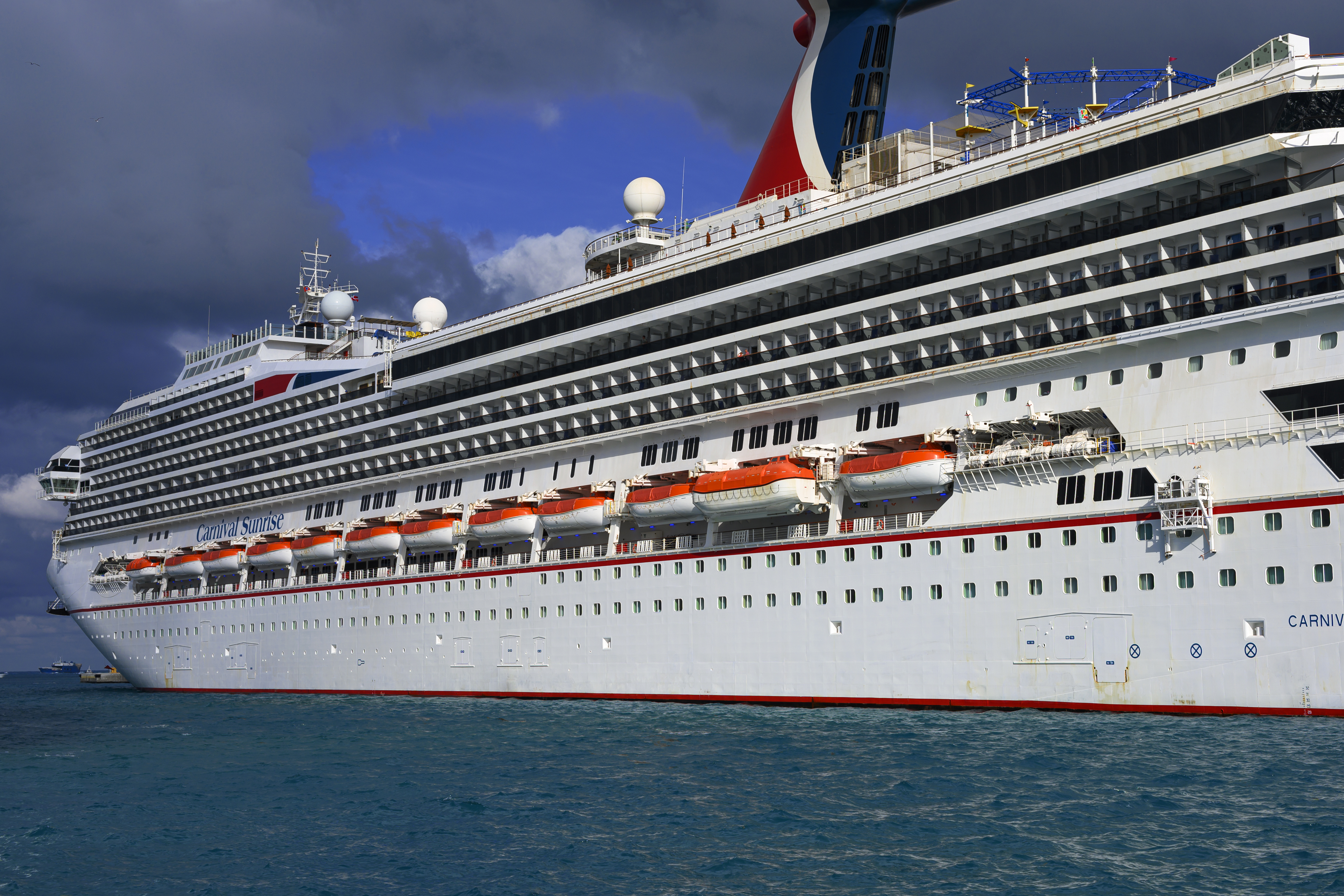
Morgan Stanley Upgrades Carnival to Overweight Amidst Market Challenges
- Rating Upgrade: Morgan Stanley upgraded Carnival (CCL) from Equal Weight to Overweight, with analyst Jamie Rollo noting that despite lowering FY26 and FY27 earnings estimates due to softer revenue yields and higher fuel costs, the stock's 28% year-to-date decline aligns with historical downturns that were followed by significant rebounds.
- Financial Health Improvement: Carnival is demonstrating good progress in improving returns by reallocating ships between brands, exiting underperforming hardware, adding high-return private destinations, and reducing costs, with falling net debt and interest costs identified as key drivers of EPS growth.
- Industry Outlook Comparison: Morgan Stanley maintained an Equal Weight rating on Royal Caribbean (RCL), citing a less compelling risk-reward profile, while keeping Overweight on Viking Holdings (VIK) despite higher European exposure, due to a longer booking curve and a more resilient consumer base.
- Market Volatility Impact: All four cruise line stocks have dropped over 15% in the past three weeks, reflecting market concerns about the cruise industry, particularly amid rising oil prices and external shocks, with Carnival's upgrade indicating its relative strength in uncertain conditions.
See More

U.S. Stocks Drop Amid Iran War Escalation and Rising Oil Prices

- Market Turmoil: U.S. stocks fell sharply as the Iran war escalated and oil prices surged by 6%, pushing Brent crude futures higher and causing the Dow to hit a new low for 2026, reflecting heightened market concerns over inflation data.
- Micron's Strong Quarter: Micron Technology reported impressive sales and earnings beats, yet its stock faced pressure due to management's cautious spending comments, with Deutsche Bank raising its price target to $550, indicating confidence in its future growth potential despite market confusion.
- Natural Gas Supply-Demand Imbalance: Sempra's CEO Jeffrey Martin highlighted the U.S. oversupply of natural gas, contrasting with shortages elsewhere, suggesting significant potential for U.S. LNG exports that could reshape future energy market dynamics.
- Robust Pharmaceutical Sales: Barclays raised Johnson & Johnson's price target to $234, citing strong U.S. pharmaceutical sales growth, particularly after the FDA approval of its oral psoriasis drug, indicating optimistic market expectations for its future performance.
See More

Northern Right Capital Fully Sells Norwegian Cruise Line Shares

- Share Sale Details: Northern Right Capital Management reported on February 17, 2026, that it sold its entire holding of 790,760 shares in Norwegian Cruise Line Holdings, with an estimated transaction value of $19.48 million, indicating a complete divestment from the company.
- Impact on AUM: This sale resulted in a $19.48 million decrease in the fund's quarter-end position value, reducing its reported assets under management (AUM) from 6.0% to 5.1%, reflecting a diminished confidence in Norwegian Cruise Line's prospects.
- Industry Context: Despite the cruise industry performing well with full ships, Northern Right's sale suggests a cautious outlook on Norwegian Cruise Line's future growth potential, particularly when compared to larger competitors like Carnival and Royal Caribbean.
- Competitive Landscape: Norwegian Cruise Line, which accumulated $14.6 billion in debt during the pandemic, continues to turn a profit despite high debt service costs, yet struggles to effectively compete against upscale rivals like Viking Cruises, which have redefined the industry with a focus on premium experiences.
See More
Cruise Industry Faces Challenges and Opportunities Amidst Conflict
- Market Volatility Impact: The cruise industry has faced significant downturns in March due to escalating conflict in Iran, with shares of Royal Caribbean, Carnival, and Norwegian Cruise Line falling 15%, 24%, and 24% respectively, although a 6% rebound on Monday indicates some recovery, yet overall market sentiment remains low.
- Rising Oil Price Pressure: Attacks on energy sites in the Gulf have led to surging oil prices, increasing transportation costs for cruise lines, where fuel is one of their highest variable costs, potentially further squeezing profit margins.
- Uncertain Demand Outlook: Despite the cruise industry's growth in recent years, global conflicts may lead passengers to reconsider their 2026 bookings, especially in the context of rising interest rates and economic concerns that could increase cancellation risks.
- Critical Earnings Season: The upcoming earnings season will be crucial for the cruise companies' future performance; while current low price-to-earnings ratios suggest potential value, market confidence remains fragile, particularly as Norwegian Cruise Line's profit expectations have been downgraded, indicating a possible value trap.
See More
Cruise Industry Faces Challenges and Opportunities Amid Market Fluctuations
- Market Recovery: On Monday, leading cruise lines saw stock prices rise approximately 6%, despite the three largest operators experiencing declines of 15%, 24%, and 24% in March, indicating cautious optimism in the market about future recovery.
- Rising Cost Pressures: The surge in oil prices due to conflicts in the Gulf has increased fuel costs, one of the cruise lines' highest variable expenses, which could further squeeze profit margins and impact overall financial performance.
- Uncertain Demand Outlook: While the cruise industry has thrived in recent years, global conflicts may lead consumers to rethink their 2026 bookings, particularly in the context of a volatile economic environment and rising interest rates.
- Critical Earnings Season: The upcoming earnings season is crucial for cruise companies; although current stock prices are trading at low valuations, market expectations for future performance and the companies' ability to maintain profitability will directly influence investor confidence.
See More
Viking Libra Hydrogen-Powered Cruise Ship Floats Out for the First Time
- First Hydrogen-Powered Cruise Ship: The Viking Libra has floated out at Fincantieri's Ancona shipyard, marking a significant construction milestone, with delivery scheduled for November 2026 and inaugural itineraries in the Mediterranean and Northern Europe, showcasing Viking's leadership in eco-friendly maritime travel.
- Eco-Friendly Design Philosophy: The ship features a hybrid propulsion system based partially on liquefied hydrogen and fuel cells, enabling zero emissions and access to environmentally sensitive areas, reflecting the company's commitment to sustainability and responsiveness to market demands.
- Technological Innovation Support: The propulsion system, capable of producing up to six megawatts of power, is provided by Fincantieri's subsidiary Isotta Fraschini Motori, enhancing operational efficiency and environmental performance, thereby solidifying Viking's competitive edge in the premium cruise market.
- Industry Recognition: Viking has been rated #1 for Oceans and #1 for Rivers in the 2025 Readers' Choice Awards for the fifth consecutive year, demonstrating strong appeal and customer loyalty in the luxury travel market, further enhancing the brand's market position.
See More
Morgan Stanley Upgrades Carnival to Overweight Amidst Market Challenges
- Rating Upgrade: Morgan Stanley upgraded Carnival (CCL) from Equal Weight to Overweight, with analyst Jamie Rollo noting that despite lowering FY26 and FY27 earnings estimates due to softer revenue yields and higher fuel costs, the stock's 28% year-to-date decline aligns with historical downturns that were followed by significant rebounds.
- Financial Health Improvement: Carnival is demonstrating good progress in improving returns by reallocating ships between brands, exiting underperforming hardware, adding high-return private destinations, and reducing costs, with falling net debt and interest costs identified as key drivers of EPS growth.
- Industry Outlook Comparison: Morgan Stanley maintained an Equal Weight rating on Royal Caribbean (RCL), citing a less compelling risk-reward profile, while keeping Overweight on Viking Holdings (VIK) despite higher European exposure, due to a longer booking curve and a more resilient consumer base.
- Market Volatility Impact: All four cruise line stocks have dropped over 15% in the past three weeks, reflecting market concerns about the cruise industry, particularly amid rising oil prices and external shocks, with Carnival's upgrade indicating its relative strength in uncertain conditions.
See More
U.S. Stocks Drop Amid Iran War Escalation and Rising Oil Prices
- Market Turmoil: U.S. stocks fell sharply as the Iran war escalated and oil prices surged by 6%, pushing Brent crude futures higher and causing the Dow to hit a new low for 2026, reflecting heightened market concerns over inflation data.
- Micron's Strong Quarter: Micron Technology reported impressive sales and earnings beats, yet its stock faced pressure due to management's cautious spending comments, with Deutsche Bank raising its price target to $550, indicating confidence in its future growth potential despite market confusion.
- Natural Gas Supply-Demand Imbalance: Sempra's CEO Jeffrey Martin highlighted the U.S. oversupply of natural gas, contrasting with shortages elsewhere, suggesting significant potential for U.S. LNG exports that could reshape future energy market dynamics.
- Robust Pharmaceutical Sales: Barclays raised Johnson & Johnson's price target to $234, citing strong U.S. pharmaceutical sales growth, particularly after the FDA approval of its oral psoriasis drug, indicating optimistic market expectations for its future performance.
See More
Northern Right Capital Fully Sells Norwegian Cruise Line Shares
- Share Sale Details: Northern Right Capital Management reported on February 17, 2026, that it sold its entire holding of 790,760 shares in Norwegian Cruise Line Holdings, with an estimated transaction value of $19.48 million, indicating a complete divestment from the company.
- Impact on AUM: This sale resulted in a $19.48 million decrease in the fund's quarter-end position value, reducing its reported assets under management (AUM) from 6.0% to 5.1%, reflecting a diminished confidence in Norwegian Cruise Line's prospects.
- Industry Context: Despite the cruise industry performing well with full ships, Northern Right's sale suggests a cautious outlook on Norwegian Cruise Line's future growth potential, particularly when compared to larger competitors like Carnival and Royal Caribbean.
- Competitive Landscape: Norwegian Cruise Line, which accumulated $14.6 billion in debt during the pandemic, continues to turn a profit despite high debt service costs, yet struggles to effectively compete against upscale rivals like Viking Cruises, which have redefined the industry with a focus on premium experiences.
See More