

VeriSign Reports Strong Q1 2026 Earnings with Record Domain Registrations
VeriSign, Inc. experienced a decline of 5.03% in its stock price, hitting a 5-day low amid a broader market rally where the Nasdaq-100 rose by 1.18% and the S&P 500 increased by 0.27%.
The company reported strong Q1 2026 earnings, with a GAAP EPS of $2.34, exceeding estimates by $0.09, and revenue of $428.9 million, surpassing expectations by $1.97 million. Additionally, VeriSign announced a $0.71 increase in the wholesale price of .com domain names, effective November 1, 2026, which may impact future registration behaviors. Despite the stock's decline, the strong earnings report and positive outlook for domain growth indicate robust market demand and effective cost control.
The implications of these results suggest that while the stock is currently under pressure, the fundamentals remain strong, and the company's strategic pricing adjustments could enhance revenue growth moving forward.
Trade with 70% Backtested Accuracy
Analyst Views on VRSN

About VRSN
About the author


Digital Brands Group Partners with Outdoor Brand to Combat Counterfeiting


- Strategic Partnership: Digital Brands Group (NASDAQ:DBGI) has formed a strategic alliance with a globally recognized outdoor performance brand to leverage AI technology in addressing the $467 billion global counterfeit issue, thereby solidifying its market position in brand protection.
- Technological Support: This collaboration will utilize SECUR3D's technology to identify unauthorized digital assets and counterfeit products, which is expected to significantly enhance intellectual property protection capabilities across digital marketplaces and bolster consumer trust.
- Market Potential: According to OECD-EUIPO data, 83% of online counterfeiting occurs through social and e-commerce channels, and Digital Brands Group's AI brand protection strategy positions it favorably in the rapidly evolving e-commerce landscape, addressing brands' urgent security needs.
- Strategic Transformation: Digital Brands Group is transitioning from a traditional apparel brand to an AI infrastructure platform, enhancing its capabilities in consumer brand operations and digital asset protection through partnerships with multiple AI companies, which is anticipated to yield long-term growth potential for the company.

Digital Brands Group Partners with Outdoor Brand to Combat Counterfeiting


- Massive Counterfeit Market: According to the latest OECD-EUIPO data, the global counterfeit goods market is estimated at $467 billion, with 83% of online counterfeiting occurring through social and e-commerce channels, highlighting the urgency and importance of brand protection.
- Strategic Partnership Enhancement: Digital Brands Group (NASDAQ:DBGI) has established a new AI and brand protection collaboration with a globally recognized outdoor brand, leveraging SECUR3D's technology to identify unauthorized digital assets and counterfeit-related listings, aiming to enhance brand competitiveness in the market.
- Early Data Reveals Losses: In its first AI brand protection deployment with Herschel Supply Co., SECUR3D's AssetSafe platform identified approximately $500,000 in counterfeit activity during the initial scan phase, underscoring the effectiveness of this technology in safeguarding brand assets.
- Ongoing Technology Strategy Deepening: The CEO of Digital Brands Group stated that AI tools will become increasingly important in rapidly evolving digital commerce environments, and the company will continue to explore technology partnerships related to AI to enhance brand protection and consumer trust.
Berkshire Hathaway Reenters Airline Sector with Delta Stake

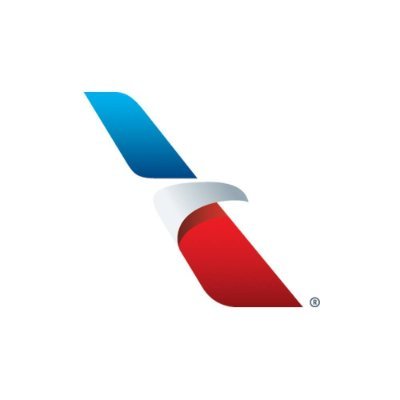
- Return to Airlines: Berkshire Hathaway has acquired a stake worth over $2.6 billion in Delta Air Lines, marking its return to the airline industry after exiting entirely during the pandemic in 2020, which reflects confidence in the recovery of the aviation market.
- Portfolio Adjustments: In the first quarter, Berkshire trimmed its stake in Chevron while significantly increasing its investment in Alphabet, now its seventh-largest holding, indicating a strategic shift towards technology stocks.
- Impact of Executive Changes: Following the departure of investment manager Todd Combs, Berkshire sold several stocks last quarter, including a complete exit from Amazon, highlighting the necessity of adjusting investment strategies in response to leadership changes.
- Cash Reserve Challenges: Buffett acknowledged the current investment environment is not ideal, with Berkshire's cash reserves nearing $400 billion; nevertheless, the company resumed stock buybacks in the first quarter, signaling a search for suitable investment opportunities.
Buffett's Stable Investment Choices


- Credit Card Payment Growth: U.S. retail spending rose 3.7% last quarter despite rising prices, with Visa reporting a 9% increase in total payment volume, driving a 17% year-over-year revenue growth, indicating a sustained consumer reliance on credit cards and reflecting potential economic recovery.
- VeriSign's Stability: VeriSign achieved $1.66 billion in revenue last year, up 6.4%, with net income of $8.81 per share; while growth is slow, its monopoly in global domain management ensures long-term profitability and resilience against economic fluctuations.
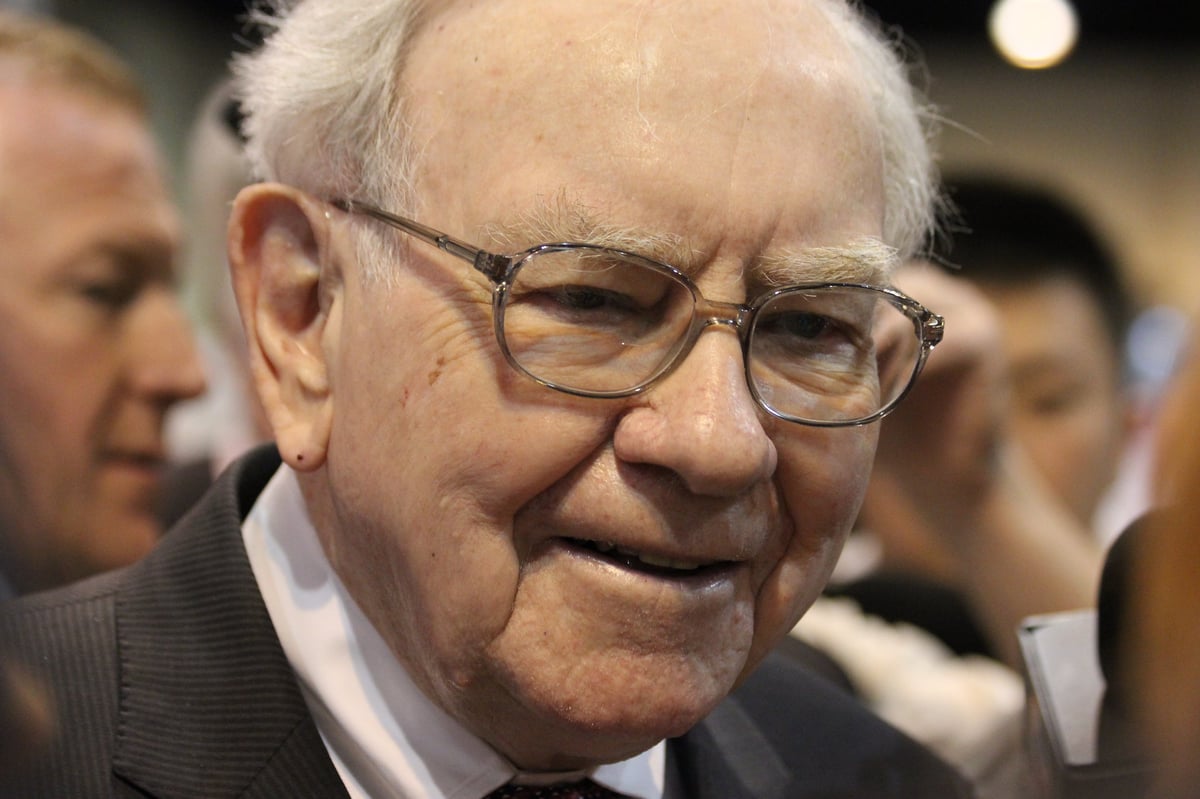
- Coca-Cola's Consistent Returns: Coca-Cola, as Berkshire's third-largest holding valued over $30 billion, boasts a 64-year track record of consecutive dividend increases, demonstrating strong cash flow capabilities that provide stable support for investments during economic uncertainty.
- Buffett's Investment Philosophy: Although Buffett stepped down as CEO last year, his investment choices continue to dominate Berkshire's portfolio, emphasizing the importance of quality investing amidst market volatility and encouraging investors to focus on long-term value.

Investment Outlook for Visa, VeriSign, and Coca-Cola
- Consumer Payment Trends: U.S. retail spending rose 3.7% last quarter despite rising prices, indicating a shift from cash to credit card payments, leading Visa to report a 9% increase in payment volume and a 17% year-over-year revenue growth, showcasing the company's resilience amid economic uncertainty.
- VeriSign's Market Position: As a key gatekeeper of global domain registration, VeriSign achieved $1.66 billion in revenue last year, up 6.4%, and its stable income stream and near-monopoly status make it attractive even in economic downturns, reflecting the value of long-term investments.
- Coca-Cola's Dividend Growth: Coca-Cola, Berkshire Hathaway's third-largest holding valued over $30 billion, has increased its per-share dividend for 64 consecutive years, demonstrating strong cash flow and market adaptability, making it a safe haven for investors in uncertain economic environments.
- Buffett's Investment Strategy: Although Buffett has stepped down as CEO, his stock-picking strategy continues to influence Berkshire's portfolio, particularly with stable investments like Visa, VeriSign, and Coca-Cola, emphasizing the importance of quality amidst market volatility.
Berkshire Hathaway Shares Decline Amid Market Gains


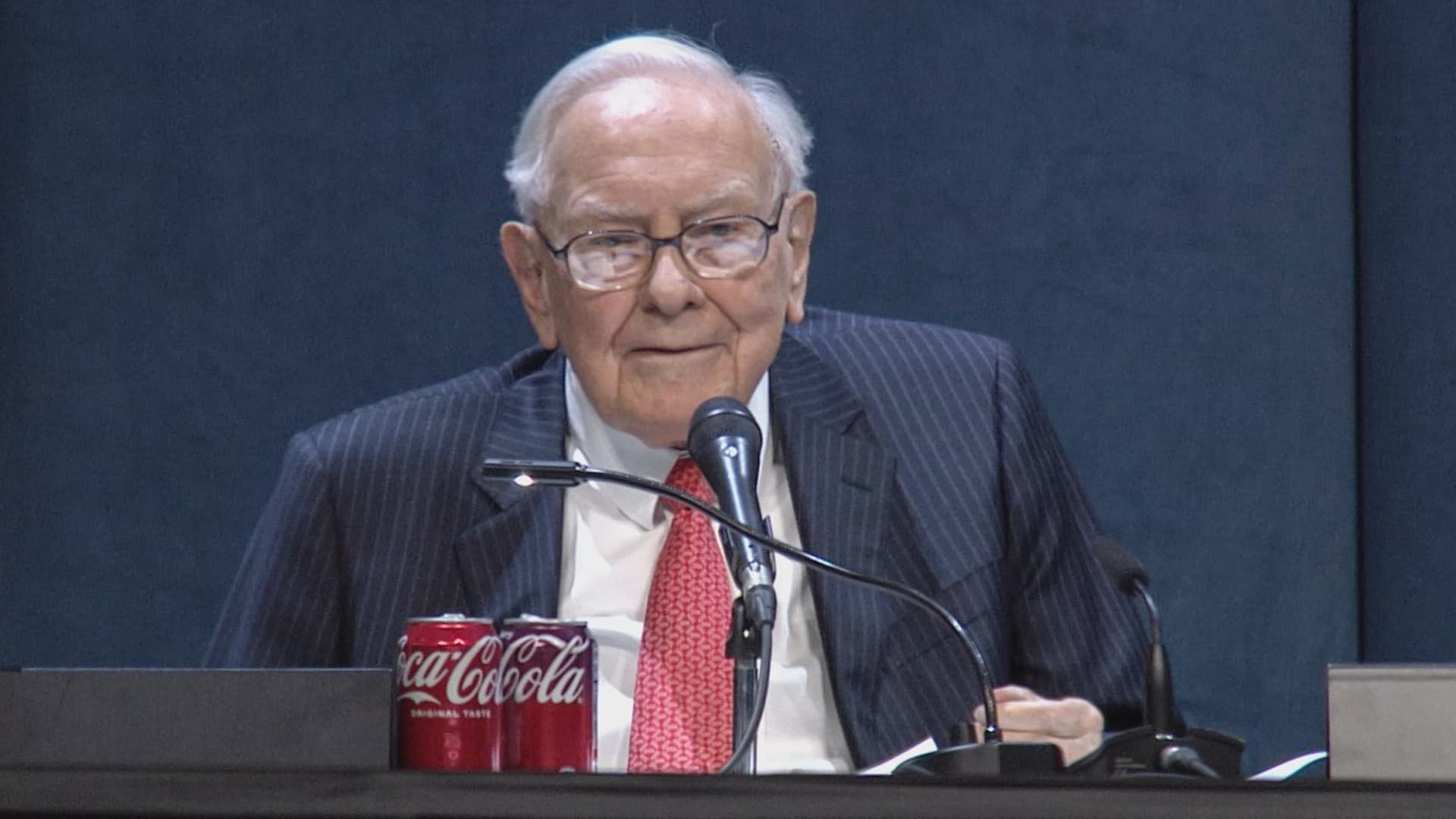
- Stock Underperformance: Berkshire Hathaway's B shares fell approximately 1% this week while the S&P 500 rose 0.6%, increasing the relative underperformance to 11.3 percentage points, indicating investor concerns about the company's future prospects.
- Buyback Potential: UBS analyst Brian Meredith estimates Berkshire is trading at an 8% discount to its intrinsic value, with expectations for 2026 repurchases raised to $1.7 billion, which could attract more investor interest in the stock.
- Management Changes Impact: New CEO Greg Abel has unloaded approximately $16 billion in stocks managed by Todd Combs, which may affect portfolio diversity but also provides Abel with a chance for direct management of the remaining assets.
- Market Value Shift: Walmart's market value has surged over 35% in the past year, surpassing Berkshire to become the ninth largest company in the U.S., reflecting market preference for retail over concerns regarding Berkshire's growth trajectory.
Digital Brands Group Partners with Outdoor Brand to Combat Counterfeiting
- Strategic Partnership: Digital Brands Group (NASDAQ:DBGI) has formed a strategic alliance with a globally recognized outdoor performance brand to leverage AI technology in addressing the $467 billion global counterfeit issue, thereby solidifying its market position in brand protection.
- Technological Support: This collaboration will utilize SECUR3D's technology to identify unauthorized digital assets and counterfeit products, which is expected to significantly enhance intellectual property protection capabilities across digital marketplaces and bolster consumer trust.
- Market Potential: According to OECD-EUIPO data, 83% of online counterfeiting occurs through social and e-commerce channels, and Digital Brands Group's AI brand protection strategy positions it favorably in the rapidly evolving e-commerce landscape, addressing brands' urgent security needs.
- Strategic Transformation: Digital Brands Group is transitioning from a traditional apparel brand to an AI infrastructure platform, enhancing its capabilities in consumer brand operations and digital asset protection through partnerships with multiple AI companies, which is anticipated to yield long-term growth potential for the company.
Digital Brands Group Partners with Outdoor Brand to Combat Counterfeiting
- Massive Counterfeit Market: According to the latest OECD-EUIPO data, the global counterfeit goods market is estimated at $467 billion, with 83% of online counterfeiting occurring through social and e-commerce channels, highlighting the urgency and importance of brand protection.
- Strategic Partnership Enhancement: Digital Brands Group (NASDAQ:DBGI) has established a new AI and brand protection collaboration with a globally recognized outdoor brand, leveraging SECUR3D's technology to identify unauthorized digital assets and counterfeit-related listings, aiming to enhance brand competitiveness in the market.
- Early Data Reveals Losses: In its first AI brand protection deployment with Herschel Supply Co., SECUR3D's AssetSafe platform identified approximately $500,000 in counterfeit activity during the initial scan phase, underscoring the effectiveness of this technology in safeguarding brand assets.
- Ongoing Technology Strategy Deepening: The CEO of Digital Brands Group stated that AI tools will become increasingly important in rapidly evolving digital commerce environments, and the company will continue to explore technology partnerships related to AI to enhance brand protection and consumer trust.
Berkshire Hathaway Reenters Airline Sector with Delta Stake
- Return to Airlines: Berkshire Hathaway has acquired a stake worth over $2.6 billion in Delta Air Lines, marking its return to the airline industry after exiting entirely during the pandemic in 2020, which reflects confidence in the recovery of the aviation market.
- Portfolio Adjustments: In the first quarter, Berkshire trimmed its stake in Chevron while significantly increasing its investment in Alphabet, now its seventh-largest holding, indicating a strategic shift towards technology stocks.
- Impact of Executive Changes: Following the departure of investment manager Todd Combs, Berkshire sold several stocks last quarter, including a complete exit from Amazon, highlighting the necessity of adjusting investment strategies in response to leadership changes.
- Cash Reserve Challenges: Buffett acknowledged the current investment environment is not ideal, with Berkshire's cash reserves nearing $400 billion; nevertheless, the company resumed stock buybacks in the first quarter, signaling a search for suitable investment opportunities.
Buffett's Stable Investment Choices
- Credit Card Payment Growth: U.S. retail spending rose 3.7% last quarter despite rising prices, with Visa reporting a 9% increase in total payment volume, driving a 17% year-over-year revenue growth, indicating a sustained consumer reliance on credit cards and reflecting potential economic recovery.
- VeriSign's Stability: VeriSign achieved $1.66 billion in revenue last year, up 6.4%, with net income of $8.81 per share; while growth is slow, its monopoly in global domain management ensures long-term profitability and resilience against economic fluctuations.
- Coca-Cola's Consistent Returns: Coca-Cola, as Berkshire's third-largest holding valued over $30 billion, boasts a 64-year track record of consecutive dividend increases, demonstrating strong cash flow capabilities that provide stable support for investments during economic uncertainty.
- Buffett's Investment Philosophy: Although Buffett stepped down as CEO last year, his investment choices continue to dominate Berkshire's portfolio, emphasizing the importance of quality investing amidst market volatility and encouraging investors to focus on long-term value.
Investment Outlook for Visa, VeriSign, and Coca-Cola
- Consumer Payment Trends: U.S. retail spending rose 3.7% last quarter despite rising prices, indicating a shift from cash to credit card payments, leading Visa to report a 9% increase in payment volume and a 17% year-over-year revenue growth, showcasing the company's resilience amid economic uncertainty.
- VeriSign's Market Position: As a key gatekeeper of global domain registration, VeriSign achieved $1.66 billion in revenue last year, up 6.4%, and its stable income stream and near-monopoly status make it attractive even in economic downturns, reflecting the value of long-term investments.
- Coca-Cola's Dividend Growth: Coca-Cola, Berkshire Hathaway's third-largest holding valued over $30 billion, has increased its per-share dividend for 64 consecutive years, demonstrating strong cash flow and market adaptability, making it a safe haven for investors in uncertain economic environments.
- Buffett's Investment Strategy: Although Buffett has stepped down as CEO, his stock-picking strategy continues to influence Berkshire's portfolio, particularly with stable investments like Visa, VeriSign, and Coca-Cola, emphasizing the importance of quality amidst market volatility.
Berkshire Hathaway Shares Decline Amid Market Gains
- Stock Underperformance: Berkshire Hathaway's B shares fell approximately 1% this week while the S&P 500 rose 0.6%, increasing the relative underperformance to 11.3 percentage points, indicating investor concerns about the company's future prospects.
- Buyback Potential: UBS analyst Brian Meredith estimates Berkshire is trading at an 8% discount to its intrinsic value, with expectations for 2026 repurchases raised to $1.7 billion, which could attract more investor interest in the stock.
- Management Changes Impact: New CEO Greg Abel has unloaded approximately $16 billion in stocks managed by Todd Combs, which may affect portfolio diversity but also provides Abel with a chance for direct management of the remaining assets.
- Market Value Shift: Walmart's market value has surged over 35% in the past year, surpassing Berkshire to become the ninth largest company in the U.S., reflecting market preference for retail over concerns regarding Berkshire's growth trajectory.




