U.S. Space Force Budget Increase Expected to Drive Growth

Sidus Space Inc. saw a decline of 5.63% as it crossed below the 5-day SMA amid broader market gains in the Nasdaq-100 and S&P 500.
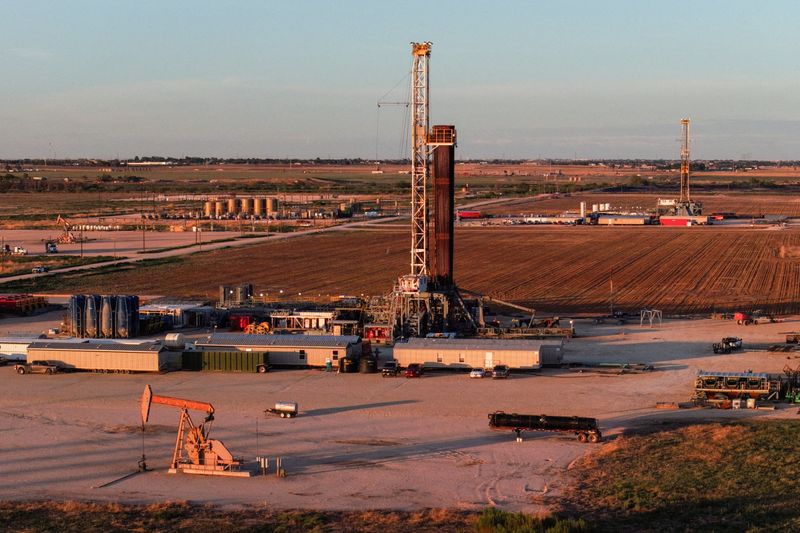
The U.S. Space Force's budget for fiscal 2026 has significantly increased to approximately $40 billion, more than doubling from $15 billion in 2021. This surge reflects Congress's heightened focus on space defense, which is expected to create growth opportunities for companies in the sector, including Sidus Space. However, despite the positive market conditions, Sidus Space's stock declined, indicating a potential sector rotation.
The implications of this budget increase suggest a growing demand for space-related services and technologies, which could benefit Sidus Space in the long term, but current market dynamics may be affecting its stock performance.
Trade with 70% Backtested Accuracy
Analyst Views on SIDU
About SIDU
About the author

Sidus Space Unveils Modular C&DH Platform for Space and Defense
- Accelerated Development: Sidus Space's strategic collaboration with Microchip Technology significantly enhances the development speed of the Fortis C&DH platform by leveraging Microchip's space-grade technologies to reduce integration complexity, thereby accelerating the transition from design to mission-ready architectures and strengthening the company's competitive position in the space and defense markets.
- Modular Design Benefits: The Fortis platform, built on a 3U OpenVPX architecture and aligned with SOSA and MOSA standards, integrates radiation-tolerant processing, high-speed data interfaces, and modular payload configurations, ensuring resilient mission operations across space, airborne, maritime, and terrestrial domains.
- Performance Assurance: The Fortis platform incorporates Microchip's PolarFire FPGAs and high-reliability networking components, delivering predictable performance and power efficiency while enabling secure, high-throughput edge processing capabilities in contested environments, meeting future mission requirements.
- Strategic Market Positioning: According to Sidus Space CEO Carol Craig, the launch of the Fortis platform reflects the company's strategy to deliver scalable platforms that evolve with customer needs, thereby solidifying its position across commercial and government space and defense markets.

Sidus Space and Microchip Collaborate on OpenVPX Architecture Advancements
- Technological Collaboration: Sidus Space's strategic partnership with Microchip enables the Fortis Command and Data Handling platform to achieve modular design on a 3U OpenVPX architecture, supporting rapid development and long-term scalability, significantly enhancing adaptability for space and defense missions.
- Advanced Technology Integration: The Fortis system integrates Microchip's space-grade processors and PolarFire FPGAs, reducing system integration complexity and ensuring rapid transitions from design to mission readiness, thereby enhancing competitiveness in both commercial and government markets.
- Modular Design Advantages: The platform's modular configuration allows for flexible deployment of commercial or radiation-hardened components based on mission requirements, thereby improving operational resilience across space, airborne, maritime, and terrestrial domains while meeting multi-sensor integration needs.
- Strengthened Market Positioning: Through the innovative design of the Fortis platform, Sidus Space demonstrates its commitment to rapid innovation and adaptable solutions, further solidifying its leadership position in the global space and defense markets.

Sidus Space Closes Offering of 13.45 Million Shares
- Offering Size: Sidus Space successfully closed its best-efforts offering of 13.45 million shares of Class A common stock at a price of $4.35 per share, generating approximately $58.5 million in gross proceeds intended for working capital and general corporate purposes, thereby enhancing the company's financial flexibility and competitive position in the market.
- Underwriter Role: ThinkEquity acted as the sole placement agent for the offering, ensuring a smooth issuance process that bolsters Sidus Space's credibility and influence in the capital markets, further solidifying its position in the space and defense technology sectors.
- Registration Statement: The securities were offered under a shelf registration statement on Form S-3 filed with the SEC on January 20, 2026, and declared effective on February 4, 2026, demonstrating the company's commitment to compliance and transparency, which is likely to attract more investor interest.
- Market Outlook: Sidus Space is focused on providing flexible and cost-effective space solutions, leveraging its expertise in satellite manufacturing and technology integration, and is expected to further expand its market share in government, defense, and commercial sectors, driving long-term growth.

Sidus Space Prices Direct Offering at $4.35
- Offering Size: Sidus Space announced a direct offering of approximately 13.4 million shares priced at $4.35 each, targeting gross proceeds of $58.5 million, indicating the company's proactive fundraising strategy in the capital markets.
- Use of Proceeds: The net proceeds from this offering will be allocated to working capital and general corporate purposes, demonstrating the company's preparation for future operations and expansion, thereby enhancing its competitive position in the market.
- Transaction Timeline: The offering is expected to close on April 21, 2026, reflecting the company's confidence in timing the market and its future growth prospects.
- Market Attention: Sidus Space is viewed as an emerging player in the space technology sector, garnering significant market interest, which could position the company prominently in the future space industry.
Sidus Space Prices Direct Offering of 13.45 Million Shares
- Offering Size: Sidus Space announced a direct offering of 13,453,700 shares of Class A common stock at $4.35 per share, aiming for gross proceeds of approximately $58.5 million, which will be utilized for working capital and general corporate purposes, thereby enhancing the company's financial flexibility.
- Underwriting Arrangement: The offering is being managed by ThinkEquity as the sole placement agent, with an expected closing date of April 21, 2026, subject to customary closing conditions, reflecting market confidence in the company's fundraising capabilities.
- Registration Statement: The securities are being offered under a shelf registration statement on Form S-3 filed on January 20, 2026, and declared effective on February 4, 2026, ensuring compliance and providing transparency for investors.
- Company Background: Sidus Space is an innovative space and defense technology firm offering flexible, cost-effective solutions, operating a 35,000-square-foot manufacturing and testing facility strategically located on Florida's Space Coast, which enhances its competitive position in the market.
Sidus Space Prices Direct Offering of 13.45 Million Shares
- Offering Size: Sidus Space announced a direct offering of 13,453,700 shares of Class A common stock at $4.35 per share, aiming for gross proceeds of approximately $58.5 million, which will be utilized for working capital and general corporate purposes, thereby enhancing the company's financial flexibility.
- Underwriting Arrangement: The offering is being managed by ThinkEquity as the sole placement agent and is expected to close on April 21, 2026, subject to customary closing conditions, reflecting market confidence in the company's prospects.
- Registration Statement: The securities are being offered under a shelf registration statement on Form S-3 filed with the SEC, ensuring compliance and providing transparency to investors, which enhances investor trust and interest.
- Company Background: Sidus Space focuses on space and defense technology, offering flexible and cost-effective solutions, operating a 35,000-square-foot manufacturing and testing facility, and is committed to rapid innovation and optimization of space systems to strengthen its market competitiveness.
Sidus Space Unveils Modular C&DH Platform for Space and Defense
- Accelerated Development: Sidus Space's strategic collaboration with Microchip Technology significantly enhances the development speed of the Fortis C&DH platform by leveraging Microchip's space-grade technologies to reduce integration complexity, thereby accelerating the transition from design to mission-ready architectures and strengthening the company's competitive position in the space and defense markets.
- Modular Design Benefits: The Fortis platform, built on a 3U OpenVPX architecture and aligned with SOSA and MOSA standards, integrates radiation-tolerant processing, high-speed data interfaces, and modular payload configurations, ensuring resilient mission operations across space, airborne, maritime, and terrestrial domains.
- Performance Assurance: The Fortis platform incorporates Microchip's PolarFire FPGAs and high-reliability networking components, delivering predictable performance and power efficiency while enabling secure, high-throughput edge processing capabilities in contested environments, meeting future mission requirements.
- Strategic Market Positioning: According to Sidus Space CEO Carol Craig, the launch of the Fortis platform reflects the company's strategy to deliver scalable platforms that evolve with customer needs, thereby solidifying its position across commercial and government space and defense markets.
Sidus Space and Microchip Collaborate on OpenVPX Architecture Advancements
- Technological Collaboration: Sidus Space's strategic partnership with Microchip enables the Fortis Command and Data Handling platform to achieve modular design on a 3U OpenVPX architecture, supporting rapid development and long-term scalability, significantly enhancing adaptability for space and defense missions.
- Advanced Technology Integration: The Fortis system integrates Microchip's space-grade processors and PolarFire FPGAs, reducing system integration complexity and ensuring rapid transitions from design to mission readiness, thereby enhancing competitiveness in both commercial and government markets.
- Modular Design Advantages: The platform's modular configuration allows for flexible deployment of commercial or radiation-hardened components based on mission requirements, thereby improving operational resilience across space, airborne, maritime, and terrestrial domains while meeting multi-sensor integration needs.
- Strengthened Market Positioning: Through the innovative design of the Fortis platform, Sidus Space demonstrates its commitment to rapid innovation and adaptable solutions, further solidifying its leadership position in the global space and defense markets.
Sidus Space Closes Offering of 13.45 Million Shares
- Offering Size: Sidus Space successfully closed its best-efforts offering of 13.45 million shares of Class A common stock at a price of $4.35 per share, generating approximately $58.5 million in gross proceeds intended for working capital and general corporate purposes, thereby enhancing the company's financial flexibility and competitive position in the market.
- Underwriter Role: ThinkEquity acted as the sole placement agent for the offering, ensuring a smooth issuance process that bolsters Sidus Space's credibility and influence in the capital markets, further solidifying its position in the space and defense technology sectors.
- Registration Statement: The securities were offered under a shelf registration statement on Form S-3 filed with the SEC on January 20, 2026, and declared effective on February 4, 2026, demonstrating the company's commitment to compliance and transparency, which is likely to attract more investor interest.
- Market Outlook: Sidus Space is focused on providing flexible and cost-effective space solutions, leveraging its expertise in satellite manufacturing and technology integration, and is expected to further expand its market share in government, defense, and commercial sectors, driving long-term growth.
Sidus Space Prices Direct Offering at $4.35
- Offering Size: Sidus Space announced a direct offering of approximately 13.4 million shares priced at $4.35 each, targeting gross proceeds of $58.5 million, indicating the company's proactive fundraising strategy in the capital markets.
- Use of Proceeds: The net proceeds from this offering will be allocated to working capital and general corporate purposes, demonstrating the company's preparation for future operations and expansion, thereby enhancing its competitive position in the market.
- Transaction Timeline: The offering is expected to close on April 21, 2026, reflecting the company's confidence in timing the market and its future growth prospects.
- Market Attention: Sidus Space is viewed as an emerging player in the space technology sector, garnering significant market interest, which could position the company prominently in the future space industry.
Sidus Space Prices Direct Offering of 13.45 Million Shares
- Offering Size: Sidus Space announced a direct offering of 13,453,700 shares of Class A common stock at $4.35 per share, aiming for gross proceeds of approximately $58.5 million, which will be utilized for working capital and general corporate purposes, thereby enhancing the company's financial flexibility.
- Underwriting Arrangement: The offering is being managed by ThinkEquity as the sole placement agent, with an expected closing date of April 21, 2026, subject to customary closing conditions, reflecting market confidence in the company's fundraising capabilities.
- Registration Statement: The securities are being offered under a shelf registration statement on Form S-3 filed on January 20, 2026, and declared effective on February 4, 2026, ensuring compliance and providing transparency for investors.
- Company Background: Sidus Space is an innovative space and defense technology firm offering flexible, cost-effective solutions, operating a 35,000-square-foot manufacturing and testing facility strategically located on Florida's Space Coast, which enhances its competitive position in the market.
Sidus Space Prices Direct Offering of 13.45 Million Shares
- Offering Size: Sidus Space announced a direct offering of 13,453,700 shares of Class A common stock at $4.35 per share, aiming for gross proceeds of approximately $58.5 million, which will be utilized for working capital and general corporate purposes, thereby enhancing the company's financial flexibility.
- Underwriting Arrangement: The offering is being managed by ThinkEquity as the sole placement agent and is expected to close on April 21, 2026, subject to customary closing conditions, reflecting market confidence in the company's prospects.
- Registration Statement: The securities are being offered under a shelf registration statement on Form S-3 filed with the SEC, ensuring compliance and providing transparency to investors, which enhances investor trust and interest.
- Company Background: Sidus Space focuses on space and defense technology, offering flexible and cost-effective solutions, operating a 35,000-square-foot manufacturing and testing facility, and is committed to rapid innovation and optimization of space systems to strengthen its market competitiveness.