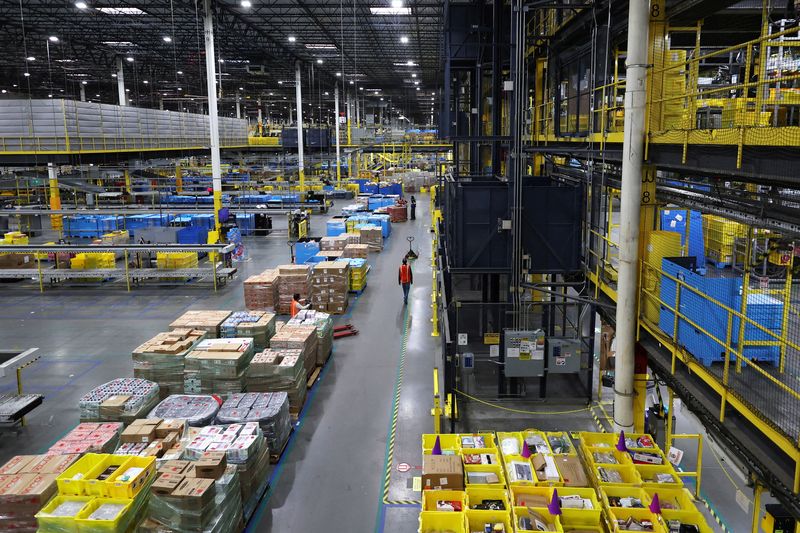
Truist Financial's Grandbridge Launches New Servicing Platform
Truist Financial Corp's stock fell 5.01% as it crossed below the 5-day SMA, reflecting a significant decline in market confidence despite broader market gains.
The recent launch of Grandbridge's Master Servicing platform, supported by Truist, aims to enhance commercial mortgage servicing capabilities and solidify Truist's leadership in the sector. This initiative is expected to attract more clients and increase market share, showcasing Truist's commitment to providing comprehensive solutions in commercial real estate. However, the stock's decline indicates a potential sector rotation as investors react to the broader market's upward movement.
This development highlights Truist's strategic investments in its Wholesale Banking business, aiming to deliver best-in-class services. The market's positive sentiment towards the broader indices contrasts with Truist's stock performance, suggesting that investors may be reallocating their portfolios in response to sector dynamics.
Trade with 70% Backtested Accuracy
Analyst Views on TFC

About TFC
About the author


Truist Financial to Report Q2 2026 Earnings on July 17

- Earnings Release Schedule: Truist Financial Corporation is set to report its Q2 2026 financial results before the market opens on July 17, providing investors with crucial performance data that will aid in assessing the company's operational health.
- Executive Conference Call: CEO Bill Rogers and CFO Mike Maguire will host a conference call at 8 a.m. ET, allowing investors to engage directly through a live webcast or dial-in, enhancing investor relations and transparency.
- Investor Access Options: Investors can participate in the earnings call via a live webcast link or by dialing 1-877-883-0383 with passcode 0575894, ensuring timely access to information and boosting investor confidence.
- Company Background: Headquartered in Charlotte, North Carolina, Truist Financial reported total assets of $549 billion as of March 31, 2026, highlighting its leading position in many high-growth U.S. markets and reinforcing its status as a top 10 commercial bank.

Truist Financial to Report Q2 2026 Earnings on July 17
- Earnings Release Schedule: Truist Financial Corporation will report its Q2 2026 financial results before the market opens on July 17, providing investors with insights into its latest financial health and operational performance.
- Executive Conference Call: Chairman and CEO Bill Rogers, along with CFO Mike Maguire, will host a conference call at 8 a.m. ET to analyze the financial results in detail and address investor inquiries.
- Investor Access Options: Investors can join the earnings call via live webcast or by dialing in at 1-877-883-0383 with passcode 0575894, ensuring they receive real-time updates on the company's performance.
- Replay and Material Access: A replay of the call will be available on the company’s website for 30 days post-event, and the news release along with presentation materials will be accessible at ir.truist.com under the “Events & Presentations” section, facilitating investor review.

Fiserv CEO Resignation Raises Market Concerns


- Executive Change Impact: Fiserv's CEO Michael Lyons has resigned to become the CEO of Truist, a move that occurs amidst significant turnaround challenges for the company, potentially heightening investor anxiety about its future direction.
- Performance Decline Warning: In its third-quarter earnings report, Fiserv missed earnings estimates by 23% and cut its full-year forecast by 16%, leading to a stock price drop of over 40% post-report, indicating a decline in competitiveness in core banking processing technology.
- Management Confidence Shaken: Lyons' departure raises concerns about Fiserv's future, especially after he was incentivized with a $70 million pay package, prompting investors to question whether he believed he could achieve performance targets at Fiserv.
- New CEO Outlook: Takis Georgakopoulos has been appointed as the new CEO, bringing extensive experience in the payments sector and a successful track record from JPMorgan, which may offer new hope for Fiserv, although the market remains cautious about the implications of Lyons' exit.

Mike Lyons' Departure Raises Concerns for Fiserv's Future
- Leadership Change: Mike Lyons' resignation as CEO of Fiserv to lead Truist comes at a critical time as the company attempts a turnaround, prompting investors to reassess their investment thesis amid ongoing challenges.
- Performance Decline: Fiserv's third-quarter earnings report last year revealed a 16% cut in full-year forecasts, leading to a stock price drop of over 40% post-report and a staggering 70% decline over the past year, indicating severe competitive pressures in core banking processing technology.
- New CEO Background: Takis Georgakopoulos, appointed as the new CEO, brings 17 years of experience in payments from JPMorgan Chase, where he led global payment operations, instilling investor confidence that he may drive new growth opportunities for the company.
- Incentive Concerns: Lyons' departure raises concerns about Fiserv's future; although his salary at Truist is comparable to Fiserv's, his $70 million compensation package included significant performance-based stock awards, leading investors to question whether the new management can effectively steer the company towards recovery.
SpaceX IPO Raises Record $75 Billion, Valued at $2.1 Trillion


- Record IPO Financing: SpaceX went public on June 12, raising an unprecedented $75 billion, nearly tripling the previous record, with a market cap of $2.1 trillion, making it the seventh-largest public company in the U.S., indicating strong market confidence in its future potential.
- Analyst Optimism: KGI Securities' Rob Chang set a price target of $227 for SpaceX, representing a 41% upside, projecting a valuation of $2.97 trillion, which would surpass Amazon and Microsoft, reflecting recognition of its leading position in the space economy.
- Innovation and Cost Advantages: The development of SpaceX's reusable rocket, Starship, is expected to lower launch costs and create multiple revenue streams, particularly driven by demand for Starlink satellites and data center computing, potentially achieving superior margins.
- Market Risk Warning: While short-term factors like inclusion in the Nasdaq-100 may boost stock prices, historical data shows that large IPOs typically face a 55% drawdown in their first year, prompting investors to approach SpaceX's high valuation and potential bubble risks with caution.

SpaceX Surpasses Saudi Aramco in Historic IPO

- Record IPO: SpaceX went public on June 12, raising $75 billion, nearly tripling the previous record for IPOs, with a market cap of $2.1 trillion, positioning it as the seventh-largest public company in the U.S., highlighting its leadership in the space economy.
- Analyst Optimism: Rob Chang from KGI Securities rated SpaceX as outperform with a price target of $227, indicating a 41% upside from its first-day close, reflecting market expectations for its future growth potential.
- Innovation-Driven Growth: The development of SpaceX's reusable rocket, Starship, is expected to reduce launch costs and create multiple revenue streams, particularly in the context of increasing demand for Starlink satellites and data center computing, potentially leading to superior margins.
- Historical Challenges: Despite the market's optimism for SpaceX's future, historical data shows that the largest tech IPOs over the past 14 years have averaged a 55% drawdown in their first year, indicating that investors should be cautious about the risks of high valuations.
Truist Financial to Report Q2 2026 Earnings on July 17
- Earnings Release Schedule: Truist Financial Corporation is set to report its Q2 2026 financial results before the market opens on July 17, providing investors with crucial performance data that will aid in assessing the company's operational health.
- Executive Conference Call: CEO Bill Rogers and CFO Mike Maguire will host a conference call at 8 a.m. ET, allowing investors to engage directly through a live webcast or dial-in, enhancing investor relations and transparency.
- Investor Access Options: Investors can participate in the earnings call via a live webcast link or by dialing 1-877-883-0383 with passcode 0575894, ensuring timely access to information and boosting investor confidence.
- Company Background: Headquartered in Charlotte, North Carolina, Truist Financial reported total assets of $549 billion as of March 31, 2026, highlighting its leading position in many high-growth U.S. markets and reinforcing its status as a top 10 commercial bank.
Truist Financial to Report Q2 2026 Earnings on July 17
- Earnings Release Schedule: Truist Financial Corporation will report its Q2 2026 financial results before the market opens on July 17, providing investors with insights into its latest financial health and operational performance.
- Executive Conference Call: Chairman and CEO Bill Rogers, along with CFO Mike Maguire, will host a conference call at 8 a.m. ET to analyze the financial results in detail and address investor inquiries.
- Investor Access Options: Investors can join the earnings call via live webcast or by dialing in at 1-877-883-0383 with passcode 0575894, ensuring they receive real-time updates on the company's performance.
- Replay and Material Access: A replay of the call will be available on the company’s website for 30 days post-event, and the news release along with presentation materials will be accessible at ir.truist.com under the “Events & Presentations” section, facilitating investor review.
Fiserv CEO Resignation Raises Market Concerns
- Executive Change Impact: Fiserv's CEO Michael Lyons has resigned to become the CEO of Truist, a move that occurs amidst significant turnaround challenges for the company, potentially heightening investor anxiety about its future direction.
- Performance Decline Warning: In its third-quarter earnings report, Fiserv missed earnings estimates by 23% and cut its full-year forecast by 16%, leading to a stock price drop of over 40% post-report, indicating a decline in competitiveness in core banking processing technology.
- Management Confidence Shaken: Lyons' departure raises concerns about Fiserv's future, especially after he was incentivized with a $70 million pay package, prompting investors to question whether he believed he could achieve performance targets at Fiserv.
- New CEO Outlook: Takis Georgakopoulos has been appointed as the new CEO, bringing extensive experience in the payments sector and a successful track record from JPMorgan, which may offer new hope for Fiserv, although the market remains cautious about the implications of Lyons' exit.
Mike Lyons' Departure Raises Concerns for Fiserv's Future
- Leadership Change: Mike Lyons' resignation as CEO of Fiserv to lead Truist comes at a critical time as the company attempts a turnaround, prompting investors to reassess their investment thesis amid ongoing challenges.
- Performance Decline: Fiserv's third-quarter earnings report last year revealed a 16% cut in full-year forecasts, leading to a stock price drop of over 40% post-report and a staggering 70% decline over the past year, indicating severe competitive pressures in core banking processing technology.
- New CEO Background: Takis Georgakopoulos, appointed as the new CEO, brings 17 years of experience in payments from JPMorgan Chase, where he led global payment operations, instilling investor confidence that he may drive new growth opportunities for the company.
- Incentive Concerns: Lyons' departure raises concerns about Fiserv's future; although his salary at Truist is comparable to Fiserv's, his $70 million compensation package included significant performance-based stock awards, leading investors to question whether the new management can effectively steer the company towards recovery.
SpaceX IPO Raises Record $75 Billion, Valued at $2.1 Trillion
- Record IPO Financing: SpaceX went public on June 12, raising an unprecedented $75 billion, nearly tripling the previous record, with a market cap of $2.1 trillion, making it the seventh-largest public company in the U.S., indicating strong market confidence in its future potential.
- Analyst Optimism: KGI Securities' Rob Chang set a price target of $227 for SpaceX, representing a 41% upside, projecting a valuation of $2.97 trillion, which would surpass Amazon and Microsoft, reflecting recognition of its leading position in the space economy.
- Innovation and Cost Advantages: The development of SpaceX's reusable rocket, Starship, is expected to lower launch costs and create multiple revenue streams, particularly driven by demand for Starlink satellites and data center computing, potentially achieving superior margins.
- Market Risk Warning: While short-term factors like inclusion in the Nasdaq-100 may boost stock prices, historical data shows that large IPOs typically face a 55% drawdown in their first year, prompting investors to approach SpaceX's high valuation and potential bubble risks with caution.
SpaceX Surpasses Saudi Aramco in Historic IPO
- Record IPO: SpaceX went public on June 12, raising $75 billion, nearly tripling the previous record for IPOs, with a market cap of $2.1 trillion, positioning it as the seventh-largest public company in the U.S., highlighting its leadership in the space economy.
- Analyst Optimism: Rob Chang from KGI Securities rated SpaceX as outperform with a price target of $227, indicating a 41% upside from its first-day close, reflecting market expectations for its future growth potential.
- Innovation-Driven Growth: The development of SpaceX's reusable rocket, Starship, is expected to reduce launch costs and create multiple revenue streams, particularly in the context of increasing demand for Starlink satellites and data center computing, potentially leading to superior margins.
- Historical Challenges: Despite the market's optimism for SpaceX's future, historical data shows that the largest tech IPOs over the past 14 years have averaged a 55% drawdown in their first year, indicating that investors should be cautious about the risks of high valuations.