

Supreme Court to Hear Suncor Climate Lawsuit Appeal
Suncor Energy shares rose as the company reached a 52-week high amid market conditions.
The U.S. Supreme Court has agreed to hear an appeal from Suncor Energy regarding a Colorado Supreme Court ruling that allows Boulder to pursue a lawsuit for unspecified damages related to climate change. This legal challenge could impose significant financial pressure on Suncor, raising concerns among investors about the company's future profitability in light of increasing climate change litigation. The outcome of this case may influence the long-term value of Suncor and similar companies in the oil industry.
Investors are closely monitoring the implications of this legal battle, as it could reshape the landscape for oil companies facing climate-related lawsuits, potentially affecting their market performance.
Trade with 70% Backtested Accuracy
Analyst Views on SU

About SU
About the author


Goldman Sachs Downgrades Suncor to Neutral
- Rating Downgrade Impact: Goldman Sachs downgraded Suncor Energy from Buy to Neutral with a price target of $72, resulting in a 4.8% drop in the stock on Friday, reflecting market caution regarding its future performance.
- Operational Turnaround Success: Under CEO Rich Kruger, Suncor has successfully executed an operational turnaround that has improved overall efficiency and execution, and despite limited relative upside, analysts maintain a positive outlook on its prospects.
- Financial Resilience: With net debt below C$8 billion, Suncor supports robust capital returns, as analysts note the company's commitment to return 100% of excess funds to shareholders, indicating a healthy financial position.
- Production Mix Optimization: Suncor is expected to enhance profit margins by shifting its production mix from approximately 70% mining to about 60% in-situ operations, which currently generate twice the cash flow per barrel compared to traditional mining, although this strategic decision is already reflected in the current stock price.

Latest Ratings and Outlook from Wall Street


- Qualcomm Investor Day: Qualcomm is set to host its highly anticipated Investor Day on June 24, discussing growth and diversification strategies in the rapidly evolving AI landscape; JPMorgan maintains a neutral rating but remains optimistic about future performance.
- Nvidia Buy Reiteration: Bank of America reiterates its buy rating on Nvidia after a meeting with management, highlighting the stock's strong performance across the board, particularly following the positive outlook shared during the GTC Taipei conference.
- Tesla Rating Upgrade: JPMorgan upgrades Tesla from underperform to neutral, citing its unique vertical integration across hardware and software products, which positions the company favorably for scaling in the industry.
- Disney Price Target Increase: Rosenblatt raises Disney's price target from $121 to $126, based on optimistic projections for its movie slate, particularly with the upcoming release of Toy Story 5, which is expected to drive earnings growth.

Suncor Energy Options Trading Analysis
- Put Option Strategy: The current bid for the $64.00 put option is $1.00, meaning that if an investor sells this option, they commit to buying the stock at $64.00, effectively lowering their cost basis to $63.00, which is approximately a 1% discount from the current price of $64.36, making it attractive for those interested in SU shares.
- Yield Potential: Should the put option expire worthless, the premium would yield a 1.56% return on cash commitment, equating to an annualized yield of 11.41%, referred to as YieldBoost, highlighting the strategy's appeal.
- Call Option Opportunity: The $65.00 call option currently bids at $1.15, and if an investor buys SU shares at $64.36 and sells this call, they could achieve a total return of 2.78% if the stock is called away at expiration, showcasing the potential upside of this strategy.
- Risk Assessment: Current analytics indicate a 56% chance of the $64.00 put option expiring worthless and a 49% chance for the $65.00 call option, suggesting that investors should carefully consider these risks to make informed investment decisions.

Suncor Energy Options Trading Analysis
- Put Option Strategy: Selling a put option with a strike price of $63.00 allows investors to collect a premium of 20 cents, effectively lowering their cost basis to $62.80, which represents a 1% discount to the current stock price of $63.92, making it an attractive option for those looking to buy SU shares at a lower price.
- Put Option Yield: Should the put option expire worthless, it would yield a 0.32% return on the cash commitment, translating to an annualized yield of 2.69%, referred to as YieldBoost, highlighting potential profit opportunities under current market conditions.
- Call Option Strategy: Selling a call option at a strike price of $65.00 while purchasing shares at $63.92 could yield a total return of 2.71% if the stock is called away, although significant upside may be missed if SU shares rise substantially.
- Call Option Yield: If the call option expires worthless, investors retain both their shares and the premium collected, resulting in an additional return of 1.02%, or an annualized yield of 8.63%, further enhancing the investor's profit potential.
Smart Home Products Market Set for Significant Growth Driven by AI and Energy Efficiency


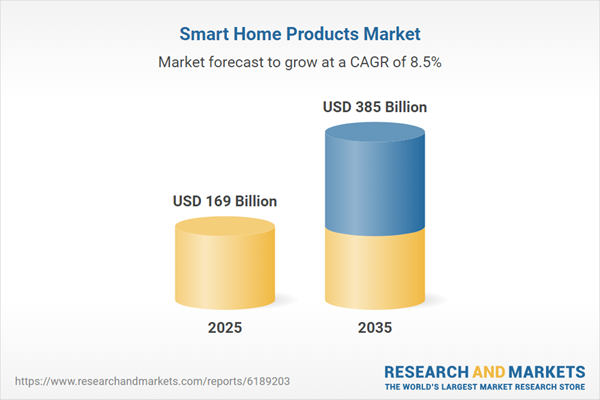
- Market Size Forecast: The global smart home products market is valued at $169 billion in 2025 and is projected to grow at a CAGR of 8.5% to reach $385 billion by 2035, indicating strong market potential and increasing consumer prioritization of smart home solutions.
- Security Monitoring Demand: The smart security and monitoring systems segment held a 25.3% market share, generating $42.8 billion in revenue in 2025, reflecting consumer safety concerns and the proliferation of IoT devices driving growth in this segment.
- Dominance of Wireless Protocols: The wireless protocols segment accounted for 85% of the market share, generating $143.6 billion in revenue in 2025, highlighting the significance of standards like Wi-Fi, Zigbee, and Z-Wave in smart home integration, which enhances consumer demand for remote control and energy efficiency.
- U.S. Market Advantage: The U.S. smart home products market holds an 84% share of the global market, generating $58.5 billion in 2025, driven by high disposable incomes and the presence of technology innovators, ensuring sustained growth and widespread adoption of smart home solutions.

Suncor Energy Options Trading Analysis
- Put Option Appeal: Selling a put option at a $67.00 strike price allows investors to collect a 35-cent premium, effectively lowering their cost basis to $66.65, which represents a 2% discount compared to the current stock price of $68.55, making it attractive for those interested in SU shares.
- Put Option Yield Potential: If the put option expires worthless, it would yield a 0.52% return on cash commitment, or an annualized 4.54%, referred to as YieldBoost, highlighting its investment attractiveness in the current market environment.
- Call Option Return Analysis: Selling a call option at a $69.00 strike price could provide a total return of 1.90% if the stock is called away at expiration, and if the contract expires worthless, investors retain both their shares and the premium collected.
- Volatility and Risk Assessment: The implied volatility for the put option is 35%, while for the call option it is 32%, compared to an actual trailing volatility of 23%, indicating market expectations for future price fluctuations of SU stock, which investors should monitor for informed decision-making.
Goldman Sachs Downgrades Suncor to Neutral
- Rating Downgrade Impact: Goldman Sachs downgraded Suncor Energy from Buy to Neutral with a price target of $72, resulting in a 4.8% drop in the stock on Friday, reflecting market caution regarding its future performance.
- Operational Turnaround Success: Under CEO Rich Kruger, Suncor has successfully executed an operational turnaround that has improved overall efficiency and execution, and despite limited relative upside, analysts maintain a positive outlook on its prospects.
- Financial Resilience: With net debt below C$8 billion, Suncor supports robust capital returns, as analysts note the company's commitment to return 100% of excess funds to shareholders, indicating a healthy financial position.
- Production Mix Optimization: Suncor is expected to enhance profit margins by shifting its production mix from approximately 70% mining to about 60% in-situ operations, which currently generate twice the cash flow per barrel compared to traditional mining, although this strategic decision is already reflected in the current stock price.
Latest Ratings and Outlook from Wall Street
- Qualcomm Investor Day: Qualcomm is set to host its highly anticipated Investor Day on June 24, discussing growth and diversification strategies in the rapidly evolving AI landscape; JPMorgan maintains a neutral rating but remains optimistic about future performance.
- Nvidia Buy Reiteration: Bank of America reiterates its buy rating on Nvidia after a meeting with management, highlighting the stock's strong performance across the board, particularly following the positive outlook shared during the GTC Taipei conference.
- Tesla Rating Upgrade: JPMorgan upgrades Tesla from underperform to neutral, citing its unique vertical integration across hardware and software products, which positions the company favorably for scaling in the industry.
- Disney Price Target Increase: Rosenblatt raises Disney's price target from $121 to $126, based on optimistic projections for its movie slate, particularly with the upcoming release of Toy Story 5, which is expected to drive earnings growth.
Suncor Energy Options Trading Analysis
- Put Option Strategy: The current bid for the $64.00 put option is $1.00, meaning that if an investor sells this option, they commit to buying the stock at $64.00, effectively lowering their cost basis to $63.00, which is approximately a 1% discount from the current price of $64.36, making it attractive for those interested in SU shares.
- Yield Potential: Should the put option expire worthless, the premium would yield a 1.56% return on cash commitment, equating to an annualized yield of 11.41%, referred to as YieldBoost, highlighting the strategy's appeal.
- Call Option Opportunity: The $65.00 call option currently bids at $1.15, and if an investor buys SU shares at $64.36 and sells this call, they could achieve a total return of 2.78% if the stock is called away at expiration, showcasing the potential upside of this strategy.
- Risk Assessment: Current analytics indicate a 56% chance of the $64.00 put option expiring worthless and a 49% chance for the $65.00 call option, suggesting that investors should carefully consider these risks to make informed investment decisions.
Suncor Energy Options Trading Analysis
- Put Option Strategy: Selling a put option with a strike price of $63.00 allows investors to collect a premium of 20 cents, effectively lowering their cost basis to $62.80, which represents a 1% discount to the current stock price of $63.92, making it an attractive option for those looking to buy SU shares at a lower price.
- Put Option Yield: Should the put option expire worthless, it would yield a 0.32% return on the cash commitment, translating to an annualized yield of 2.69%, referred to as YieldBoost, highlighting potential profit opportunities under current market conditions.
- Call Option Strategy: Selling a call option at a strike price of $65.00 while purchasing shares at $63.92 could yield a total return of 2.71% if the stock is called away, although significant upside may be missed if SU shares rise substantially.
- Call Option Yield: If the call option expires worthless, investors retain both their shares and the premium collected, resulting in an additional return of 1.02%, or an annualized yield of 8.63%, further enhancing the investor's profit potential.
Smart Home Products Market Set for Significant Growth Driven by AI and Energy Efficiency
- Market Size Forecast: The global smart home products market is valued at $169 billion in 2025 and is projected to grow at a CAGR of 8.5% to reach $385 billion by 2035, indicating strong market potential and increasing consumer prioritization of smart home solutions.
- Security Monitoring Demand: The smart security and monitoring systems segment held a 25.3% market share, generating $42.8 billion in revenue in 2025, reflecting consumer safety concerns and the proliferation of IoT devices driving growth in this segment.
- Dominance of Wireless Protocols: The wireless protocols segment accounted for 85% of the market share, generating $143.6 billion in revenue in 2025, highlighting the significance of standards like Wi-Fi, Zigbee, and Z-Wave in smart home integration, which enhances consumer demand for remote control and energy efficiency.
- U.S. Market Advantage: The U.S. smart home products market holds an 84% share of the global market, generating $58.5 billion in 2025, driven by high disposable incomes and the presence of technology innovators, ensuring sustained growth and widespread adoption of smart home solutions.
Suncor Energy Options Trading Analysis
- Put Option Appeal: Selling a put option at a $67.00 strike price allows investors to collect a 35-cent premium, effectively lowering their cost basis to $66.65, which represents a 2% discount compared to the current stock price of $68.55, making it attractive for those interested in SU shares.
- Put Option Yield Potential: If the put option expires worthless, it would yield a 0.52% return on cash commitment, or an annualized 4.54%, referred to as YieldBoost, highlighting its investment attractiveness in the current market environment.
- Call Option Return Analysis: Selling a call option at a $69.00 strike price could provide a total return of 1.90% if the stock is called away at expiration, and if the contract expires worthless, investors retain both their shares and the premium collected.
- Volatility and Risk Assessment: The implied volatility for the put option is 35%, while for the call option it is 32%, compared to an actual trailing volatility of 23%, indicating market expectations for future price fluctuations of SU stock, which investors should monitor for informed decision-making.





