Southwest Airlines CEO to Speak at Strategic Conference
Southwest Airlines Co's stock rose 4.75% and reached a 20-day high amid a broader market decline.
Bob Jordan, President and CEO of Southwest Airlines, will participate in Bernstein's 42nd Annual Strategic Decisions Conference on May 28, 2026. This event aims to showcase the company's strategic direction and enhance transparency with investors through a live webcast. Jordan's participation is expected to provide insights into future business developments, potentially boosting investor confidence in the airline's market position.
The implications of this conference participation could be significant for Southwest Airlines, as it highlights the company's commitment to strategic decision-making and may foster trust between the company and its investors, especially in a competitive industry landscape.
Trade with 70% Backtested Accuracy
Analyst Views on LUV

About LUV
About the author


Decline of Low-Cost Airline Options in the U.S.


- Market Shift: The exit of Spirit Airlines has reduced low-cost flight options, forcing consumers to face higher fares during the busy summer travel season, which may adversely affect families and budget travelers.
- Premium Market Growth: Delta Air Lines reported a record annual revenue of $58.3 billion for 2025, despite a $1.1 billion drop in economy ticket sales, with 60% of revenue now coming from premium cabins and loyalty programs, indicating a shift in consumer preference towards higher-end services.
- Fuel Cost Pressure: U.S. carriers spent 56.4% more on jet fuel in March 2026 compared to February, totaling $5.06 billion, which compels airlines to raise fares to cope with rising costs, significantly impacting smaller carriers.
- Future of Low-Cost Carriers: While new entrants like Breeze Airways aim to fill the void left by Spirit, high fuel costs and competitive pressures pose challenges to the profitability of low-cost airlines, leaving their future growth uncertain.
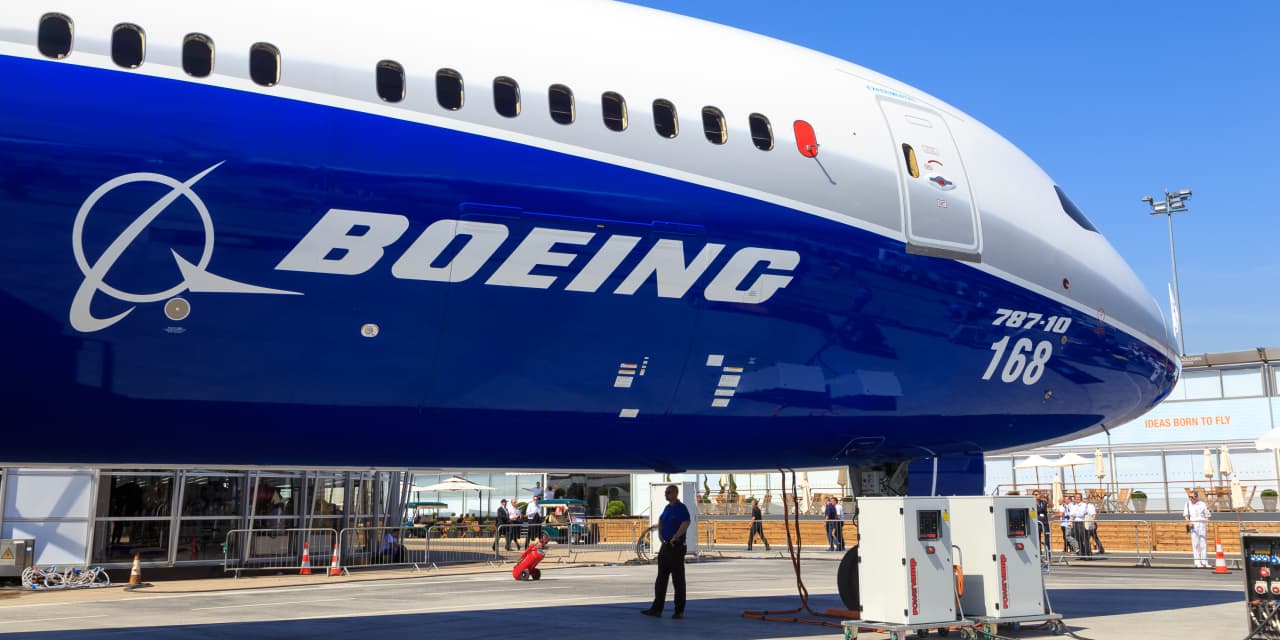
US Stocks Rise on US-Iran Peace Deal Optimism


- Market Rally: The S&P 500 rose 1.08%, the Dow Jones increased by 0.14%, and the Nasdaq 100 surged 2.48% as optimism over the US-Iran peace deal eased inflation risks, reflecting a positive market sentiment.
- Chip Sector Surge: Intel's stock jumped over 10% after President Trump announced a partnership with Apple to design and produce semiconductors domestically, leading the iShares Semiconductor ETF to rise more than 7%, indicating strong momentum in the tech sector.
- Energy Stocks Weaken: WTI crude oil prices fell to a 3.5-month low, causing significant declines in energy stocks, with SLB, ConocoPhillips, and Halliburton dropping over 3%, highlighting concerns over energy price volatility.
- Supportive Economic Data: Initial jobless claims fell to 226,000, close to the expected 225,000, indicating labor market strength, while the Philadelphia Fed business outlook index rose to 10.3, surpassing expectations, further boosting investor confidence.
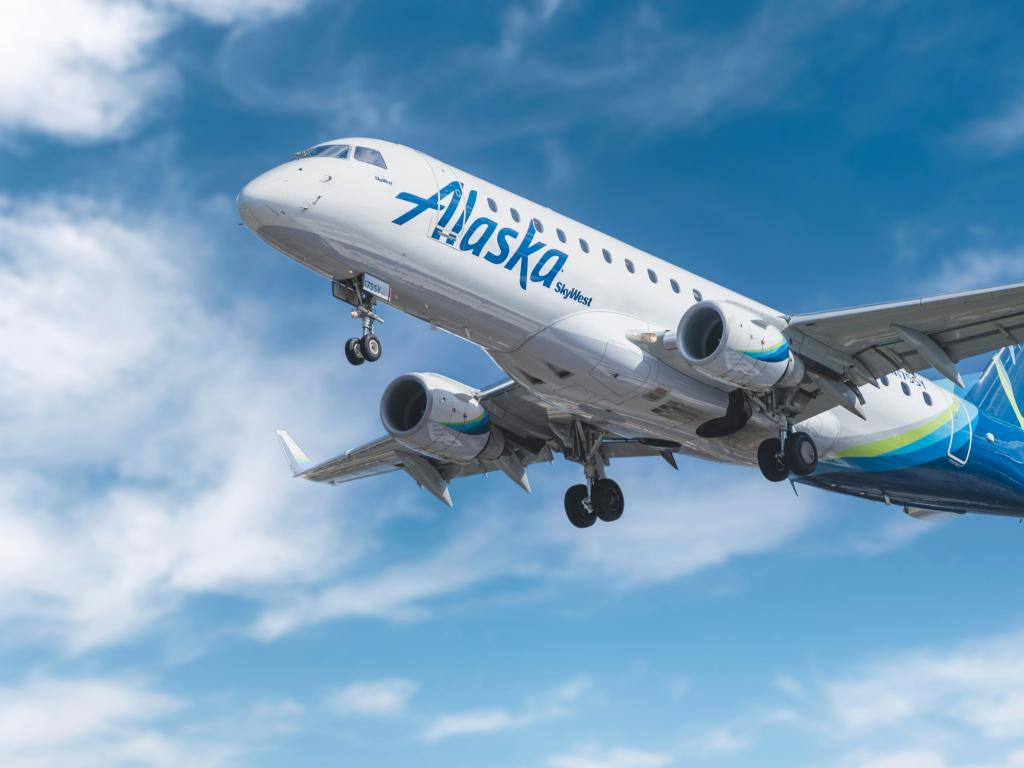
US Stocks Surge as Geopolitical Risks Ease
- Market Rebound: The signing of a preliminary deal by President Trump to end the US-Iran war has driven crude oil prices to a 3.5-month low, resulting in a broad market rally with the S&P 500 up 0.99% and the Nasdaq 100 up 2.16%, indicating a resurgence in risk appetite among investors.
- Chip Stocks Lead Gains: Intel shares surged 7% after Trump announced a partnership with Apple to design and produce semiconductors domestically, propelling the entire semiconductor sector higher, with the iShares Semiconductor ETF rising over 5%, reflecting strong investor confidence in tech stocks.
- Energy Stocks Under Pressure: Crude oil prices fell more than 3%, putting pressure on energy producers, with major companies like ExxonMobil and Chevron experiencing declines, highlighting market concerns regarding the energy sector's outlook amid falling oil prices.
- Supportive Economic Data: Initial jobless claims in the US fell to 226,000, close to the expected 225,000, indicating labor market resilience, while the Philadelphia Fed business outlook index rose to 10.3, exceeding expectations, further bolstering market optimism.

US Stocks Surge as Chipmakers Lead Gains Amid Positive Economic News

- Market Rally: Following President Trump's signing of a preliminary US-Iran ceasefire agreement, the S&P 500 rose by 0.73%, the Dow Jones by 0.53%, and the Nasdaq 100 by 1.62%, reflecting a risk-on sentiment in asset markets.
- Chipmaker Surge: Intel's stock jumped 8% after Trump announced a partnership with Apple to design and produce semiconductors domestically, leading the semiconductor sector higher, with the iShares Semiconductor ETF up over 4%.
- Supportive Economic Data: Weekly initial unemployment claims fell by 4,000 to 226,000, close to the expected 225,000, while the Philadelphia Fed business outlook survey rose by 10.7 to 10.3, exceeding expectations and bolstering market confidence.
- Oil Price Decline Impact: WTI crude oil prices dropped over 2% to a new 3.5-month low, potentially releasing over 100 oil-laden tankers stuck in the Persian Gulf, which could increase market supply and influence future oil price trends.
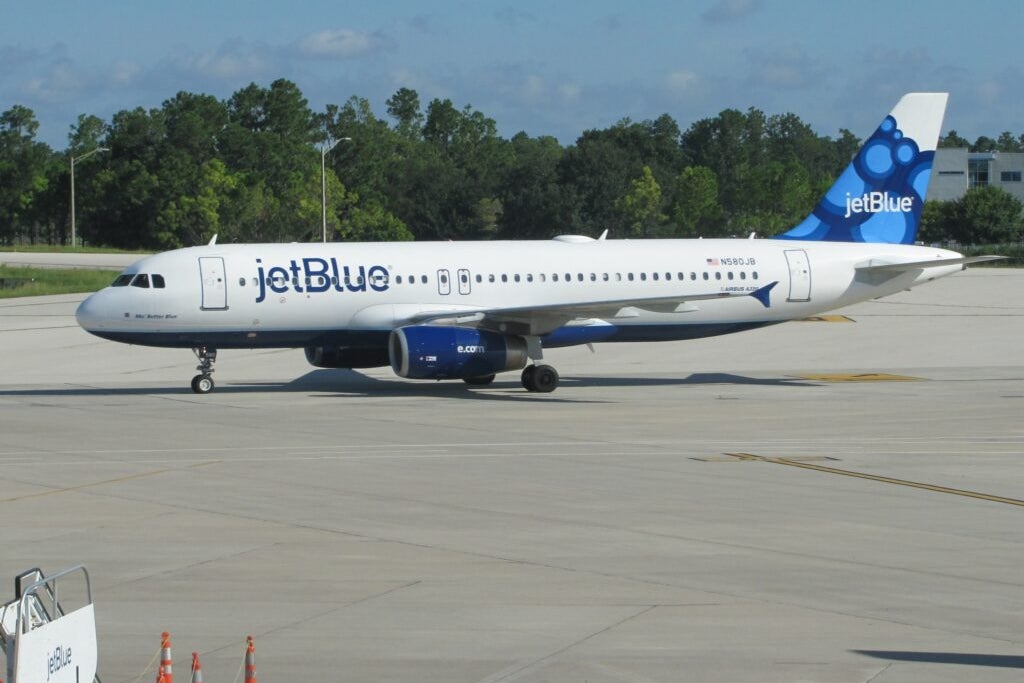
Hearing on U.S. Airline Competition and Regulation Scheduled

- Hearing Scheduled: A House Judiciary subcommittee will hold a hearing on June 24 regarding competition and regulation in the U.S. airline industry, with Airlines for America CEO Chris Sununu expected to testify, highlighting significant concerns about the current state of the airline sector.
- Impact of Spirit's Collapse: The collapse of Spirit Airlines in May resulted in approximately 15,000 job losses for employees and contractors, underscoring the vulnerability of low-cost carriers in the current market environment and raising further questions about airline competition policies.
- Escalating Policy Debate: Republicans are likely to use the hearing to criticize the Biden administration's airline competition policies for failing to protect jobs, while Democrats will emphasize the rollback of aviation consumer protection measures under the Trump administration, illustrating the sharp partisan divide over airline policy.
- Regulatory Investigation Updates: This week, the USDOT closed its investigation into a July 2024 incident involving Delta Air Lines that disrupted travel for 1.3 million customers, while also waiving an $11 million fine against Southwest Airlines, indicating a shift in regulatory attitudes towards airline accountability.
Southwest Airlines Partners with AWS for Cloud Transformation


- Technology Modernization: Southwest Airlines is partnering with Amazon Web Services (AWS) to transition to a fully cloud-based and AI-enabled airline by 2028, marking a significant shift from a traditional on-premises environment that enhances operational efficiency and customer experience.
- Operational Efficiency Gains: By adopting tools like AWS Kiro and Quick, Southwest can shorten development cycles and automate testing processes, reducing tasks that previously took hours to mere minutes, thereby significantly improving the flexibility and reliability of its technology infrastructure.
- Customer Experience Innovation: The deployment of AI agents across customer experience, operations, and software development is expected to accelerate innovation for 134 million travelers, demonstrating measurable business results from the partnership with AWS and enhancing market competitiveness.
- Strategic Transformation Goals: This technological transition aims not only to simplify the technology environment but also to support the evolution of the company's business model with greater speed and flexibility, ensuring a competitive edge in the rapidly changing airline market.
Decline of Low-Cost Airline Options in the U.S.
- Market Shift: The exit of Spirit Airlines has reduced low-cost flight options, forcing consumers to face higher fares during the busy summer travel season, which may adversely affect families and budget travelers.
- Premium Market Growth: Delta Air Lines reported a record annual revenue of $58.3 billion for 2025, despite a $1.1 billion drop in economy ticket sales, with 60% of revenue now coming from premium cabins and loyalty programs, indicating a shift in consumer preference towards higher-end services.
- Fuel Cost Pressure: U.S. carriers spent 56.4% more on jet fuel in March 2026 compared to February, totaling $5.06 billion, which compels airlines to raise fares to cope with rising costs, significantly impacting smaller carriers.
- Future of Low-Cost Carriers: While new entrants like Breeze Airways aim to fill the void left by Spirit, high fuel costs and competitive pressures pose challenges to the profitability of low-cost airlines, leaving their future growth uncertain.
US Stocks Rise on US-Iran Peace Deal Optimism
- Market Rally: The S&P 500 rose 1.08%, the Dow Jones increased by 0.14%, and the Nasdaq 100 surged 2.48% as optimism over the US-Iran peace deal eased inflation risks, reflecting a positive market sentiment.
- Chip Sector Surge: Intel's stock jumped over 10% after President Trump announced a partnership with Apple to design and produce semiconductors domestically, leading the iShares Semiconductor ETF to rise more than 7%, indicating strong momentum in the tech sector.
- Energy Stocks Weaken: WTI crude oil prices fell to a 3.5-month low, causing significant declines in energy stocks, with SLB, ConocoPhillips, and Halliburton dropping over 3%, highlighting concerns over energy price volatility.
- Supportive Economic Data: Initial jobless claims fell to 226,000, close to the expected 225,000, indicating labor market strength, while the Philadelphia Fed business outlook index rose to 10.3, surpassing expectations, further boosting investor confidence.
US Stocks Surge as Geopolitical Risks Ease
- Market Rebound: The signing of a preliminary deal by President Trump to end the US-Iran war has driven crude oil prices to a 3.5-month low, resulting in a broad market rally with the S&P 500 up 0.99% and the Nasdaq 100 up 2.16%, indicating a resurgence in risk appetite among investors.
- Chip Stocks Lead Gains: Intel shares surged 7% after Trump announced a partnership with Apple to design and produce semiconductors domestically, propelling the entire semiconductor sector higher, with the iShares Semiconductor ETF rising over 5%, reflecting strong investor confidence in tech stocks.
- Energy Stocks Under Pressure: Crude oil prices fell more than 3%, putting pressure on energy producers, with major companies like ExxonMobil and Chevron experiencing declines, highlighting market concerns regarding the energy sector's outlook amid falling oil prices.
- Supportive Economic Data: Initial jobless claims in the US fell to 226,000, close to the expected 225,000, indicating labor market resilience, while the Philadelphia Fed business outlook index rose to 10.3, exceeding expectations, further bolstering market optimism.
US Stocks Surge as Chipmakers Lead Gains Amid Positive Economic News
- Market Rally: Following President Trump's signing of a preliminary US-Iran ceasefire agreement, the S&P 500 rose by 0.73%, the Dow Jones by 0.53%, and the Nasdaq 100 by 1.62%, reflecting a risk-on sentiment in asset markets.
- Chipmaker Surge: Intel's stock jumped 8% after Trump announced a partnership with Apple to design and produce semiconductors domestically, leading the semiconductor sector higher, with the iShares Semiconductor ETF up over 4%.
- Supportive Economic Data: Weekly initial unemployment claims fell by 4,000 to 226,000, close to the expected 225,000, while the Philadelphia Fed business outlook survey rose by 10.7 to 10.3, exceeding expectations and bolstering market confidence.
- Oil Price Decline Impact: WTI crude oil prices dropped over 2% to a new 3.5-month low, potentially releasing over 100 oil-laden tankers stuck in the Persian Gulf, which could increase market supply and influence future oil price trends.
Hearing on U.S. Airline Competition and Regulation Scheduled
- Hearing Scheduled: A House Judiciary subcommittee will hold a hearing on June 24 regarding competition and regulation in the U.S. airline industry, with Airlines for America CEO Chris Sununu expected to testify, highlighting significant concerns about the current state of the airline sector.
- Impact of Spirit's Collapse: The collapse of Spirit Airlines in May resulted in approximately 15,000 job losses for employees and contractors, underscoring the vulnerability of low-cost carriers in the current market environment and raising further questions about airline competition policies.
- Escalating Policy Debate: Republicans are likely to use the hearing to criticize the Biden administration's airline competition policies for failing to protect jobs, while Democrats will emphasize the rollback of aviation consumer protection measures under the Trump administration, illustrating the sharp partisan divide over airline policy.
- Regulatory Investigation Updates: This week, the USDOT closed its investigation into a July 2024 incident involving Delta Air Lines that disrupted travel for 1.3 million customers, while also waiving an $11 million fine against Southwest Airlines, indicating a shift in regulatory attitudes towards airline accountability.
Southwest Airlines Partners with AWS for Cloud Transformation
- Technology Modernization: Southwest Airlines is partnering with Amazon Web Services (AWS) to transition to a fully cloud-based and AI-enabled airline by 2028, marking a significant shift from a traditional on-premises environment that enhances operational efficiency and customer experience.
- Operational Efficiency Gains: By adopting tools like AWS Kiro and Quick, Southwest can shorten development cycles and automate testing processes, reducing tasks that previously took hours to mere minutes, thereby significantly improving the flexibility and reliability of its technology infrastructure.
- Customer Experience Innovation: The deployment of AI agents across customer experience, operations, and software development is expected to accelerate innovation for 134 million travelers, demonstrating measurable business results from the partnership with AWS and enhancing market competitiveness.
- Strategic Transformation Goals: This technological transition aims not only to simplify the technology environment but also to support the evolution of the company's business model with greater speed and flexibility, ensuring a competitive edge in the rapidly changing airline market.