

Sidus Space Reports Declining Financial Performance Amid Strategic Transition
Sidus Space Inc. experienced a significant price increase of 10.36% as it reached a 20-day high.
The company reported its 2025 financial results, revealing a total revenue of approximately $3.4 million, a 28% decrease year-over-year. This decline reflects Sidus Space's ongoing transition towards higher-margin satellite manufacturing and data business lines, which has negatively impacted short-term financial performance. Additionally, the cost of revenue rose by 48% to approximately $9.1 million, primarily due to increased depreciation costs associated with the expansion of the LizzieSat satellite fleet. Despite these challenges, Sidus Space's cash reserves improved to $43.2 million, providing a solid foundation for future growth.
The implications of these results indicate that while Sidus Space is facing short-term financial pressures, its strategic focus on higher-margin projects may position it for better long-term profitability as the satellite and data sectors expand.
Trade with 70% Backtested Accuracy
Analyst Views on SIDU
About SIDU
About the author


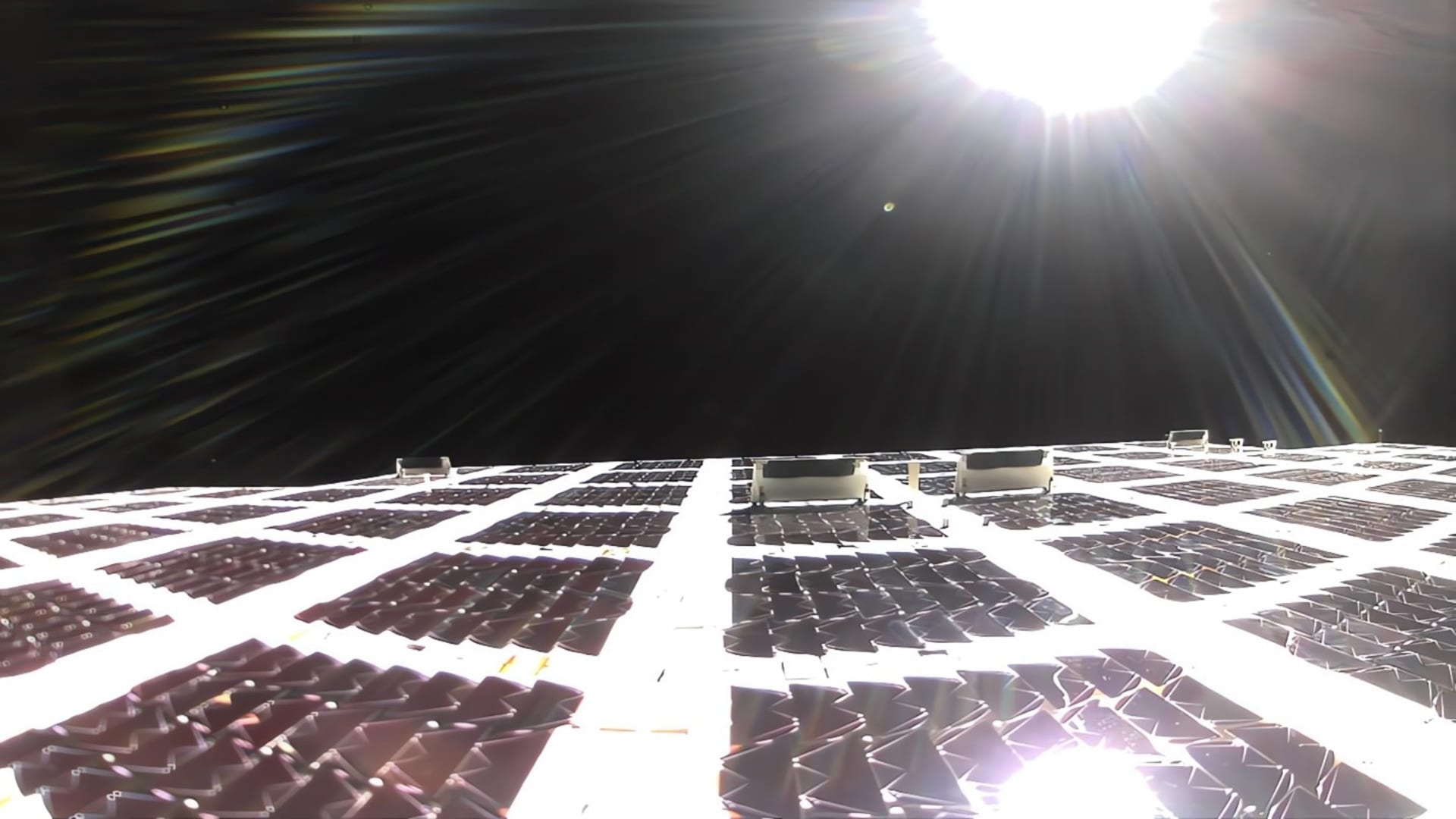
Sidus Space Completes Vibration Testing for LizzieSat Ahead of Transporter-18 Launch

- Successful Vibration Testing: Sidus Space's LizzieSat has successfully completed vibration testing, a critical environmental qualification milestone for SpaceX's Transporter-18 mission, ensuring the satellite's structure and components can withstand intense mechanical loads during launch, thus preparing for final integration and shipment.
- Technology Maturity Advancement: This mission will be the first to carry the Fortis™ Maxima proprietary Command and Data Handling system, marking a significant step in demonstrating Sidus's technology across space, air, land, and sea, with expectations to elevate the system to Technology Readiness Level 9 (TRL-9), providing efficient solutions for defense and commercial customers.
- Rapid Integration Process: Following the successful vibration testing, LizzieSat will proceed to final integration and testing, reflecting Sidus Space's vertically integrated model at its Cape Canaveral facility, enabling rapid and cost-effective mission delivery.
- Market Positioning Strategy: By maturing the Fortis Maxima technology in orbit, Sidus Space aims to lay the groundwork for broader adoption among its defense and commercial customer base, further enhancing its competitiveness in the rapidly evolving space and defense markets.

Sidus Space Completes Vibration Testing for LizzieSat
- Successful Vibration Testing: Sidus Space's LizzieSat has successfully completed vibration testing, a crucial environmental qualification milestone for SpaceX's Transporter-18 mission, ensuring that the satellite's structure and components can withstand the intense mechanical loads during launch, thus preparing for final integration and shipment.
- Enhanced Technology Maturity: This mission will be the first to carry the Fortis™ Maxima proprietary Command and Data Handling system, marking an elevation of Sidus's technology maturity to Technology Readiness Level 9 (TRL-9), providing robust support for defense and commercial customers across various domains including space, air, land, and sea.
- Rapid Integration Capability: Sidus designs, manufactures, and tests LizzieSat in-house at its Cape Canaveral facility, showcasing the advantages of its vertically integrated model that enables rapid and cost-effective mission delivery, thereby enhancing its competitive edge in the market.
- Future Development Potential: By maturing the Fortis Maxima technology in orbit, Sidus aims to lay the groundwork for broader adoption among its defense and commercial customer base, positioning the company strategically in the rapidly evolving space technology market.
Fugazi Questions Economic Rationale Behind Space Ventures


- Valuation Warning: Fugazi highlights that six publicly traded space companies have generated only $361 million in revenue while accumulating $4.72 billion in losses, indicating a severe disconnect between their valuations and financial performance, which could lead to a collapse in investor confidence.
- Investor Fund Reallocation: Fugazi suggests that investors may shift funds from smaller space stocks to SpaceX, thereby reducing speculative demand for companies often viewed as proxies for the industry, which could intensify the market's reality check.
- Hardware Failure Risks: The report emphasizes that risks associated with rocket explosions and technical setbacks can destroy assets and significantly delay project timelines, raising concerns among investors, particularly in capital-intensive projects.
- Poor ETF Performance: ETFs tracking the space sector, such as Procure Space ETF and Tema Space Innovators ETF, have both declined over 6%, reflecting mixed retail investor sentiment, with UFO trending bearish while NASA is in extremely bullish territory.
Greenland Energy Appoints New Board Member

- New Board Member: Greenland Energy Company appointed Carol Craig to its Board of Directors effective June 5, 2026, filling the vacancy left by Daniel M. McCabe's resignation, with Craig also serving on the Audit Committee, which is expected to enhance the company's oil and gas exploration efforts in Greenland.
- Technical Leadership Background: As the founder and CEO of Sidus Space, Inc., a company focused on space and defense technology, Craig led Sidus Space to a successful IPO in December 2021, showcasing her strong capabilities in technological innovation and market expansion.
- Exploration Potential: Greenland Energy is focused on developing the Jameson Land Basin in East Greenland, covering approximately 2 million acres, and Craig's addition is seen as a strategic move to enhance the company's exploration capabilities in this underdeveloped area, with plans for the first modern onshore drilling campaign.
- Strategic Vision: Craig emphasized that the Jameson Land Basin represents an overlooked opportunity, and her goal is to assist Greenland Energy in fully leveraging this resource, indicating the company's proactive approach to future oil and gas development.
Greenland Energy Appoints New Board Member
- New Board Member: Greenland Energy Company appointed Carol Craig to its Board of Directors effective June 5, 2026, filling the vacancy left by Daniel M. McCabe's resignation, with Craig also serving on the Audit Committee, which is expected to enhance the company's oil and gas exploration efforts in Greenland.
- Extensive Industry Experience: As the founder and CEO of Sidus Space, Inc., Craig successfully took the company public in December 2021 and brings a wealth of experience in aerospace and defense, which will provide significant support for Greenland Energy's strategic development.
- Driving Technological Innovation: Under Craig's leadership, Sidus Space developed and launched several 3D-printed satellites, and her innovative mindset is anticipated to help Greenland Energy achieve technological breakthroughs in the underexplored Jameson Land Basin, enhancing exploration efficiency.
- Vision for Future Development: Craig emphasized that the Jameson Land Basin represents an overlooked opportunity, and her commitment to advancing exploration efforts signals Greenland Energy's strong confidence in the future development of hydrocarbon resources.
Musk Unveils AI Satellite Vision, Space Stocks Surge


- AI Satellite Concept Unveiled: Musk introduced the 'AI 1' satellite concept, capable of 150 kilowatts peak power and 120 kilowatts sustained compute, expected to connect via Starlink's laser network, simplifying satellite design and potentially accelerating the commercialization of space computing.
- Launch Capacity Enhancement Goal: SpaceX aims to increase annual payload deliveries from 2,500 tons to millions of tons, with future Starships expected to achieve multiple launches per hour, which, if realized, would significantly enhance the company's competitive position in the global aerospace market.
- IPO Pricing and Market Reaction: SpaceX is set to debut on June 11 at $135 per share, raising $75 billion and reaching a valuation of $1.77 trillion, with increasing scrutiny on its valuation, especially following a reported net loss of $4.94 billion in 2025.
- Market Sentiment and Stock Volatility: While SpaceX's IPO has generated extreme market enthusiasm, with stocks like Rocket Lab and Firefly Aerospace rising, Morningstar expresses a bearish outlook on SpaceX's valuation, citing reliance on unresolved technological challenges.
Sidus Space Completes Vibration Testing for LizzieSat Ahead of Transporter-18 Launch
- Successful Vibration Testing: Sidus Space's LizzieSat has successfully completed vibration testing, a critical environmental qualification milestone for SpaceX's Transporter-18 mission, ensuring the satellite's structure and components can withstand intense mechanical loads during launch, thus preparing for final integration and shipment.
- Technology Maturity Advancement: This mission will be the first to carry the Fortis™ Maxima proprietary Command and Data Handling system, marking a significant step in demonstrating Sidus's technology across space, air, land, and sea, with expectations to elevate the system to Technology Readiness Level 9 (TRL-9), providing efficient solutions for defense and commercial customers.
- Rapid Integration Process: Following the successful vibration testing, LizzieSat will proceed to final integration and testing, reflecting Sidus Space's vertically integrated model at its Cape Canaveral facility, enabling rapid and cost-effective mission delivery.
- Market Positioning Strategy: By maturing the Fortis Maxima technology in orbit, Sidus Space aims to lay the groundwork for broader adoption among its defense and commercial customer base, further enhancing its competitiveness in the rapidly evolving space and defense markets.
Sidus Space Completes Vibration Testing for LizzieSat
- Successful Vibration Testing: Sidus Space's LizzieSat has successfully completed vibration testing, a crucial environmental qualification milestone for SpaceX's Transporter-18 mission, ensuring that the satellite's structure and components can withstand the intense mechanical loads during launch, thus preparing for final integration and shipment.
- Enhanced Technology Maturity: This mission will be the first to carry the Fortis™ Maxima proprietary Command and Data Handling system, marking an elevation of Sidus's technology maturity to Technology Readiness Level 9 (TRL-9), providing robust support for defense and commercial customers across various domains including space, air, land, and sea.
- Rapid Integration Capability: Sidus designs, manufactures, and tests LizzieSat in-house at its Cape Canaveral facility, showcasing the advantages of its vertically integrated model that enables rapid and cost-effective mission delivery, thereby enhancing its competitive edge in the market.
- Future Development Potential: By maturing the Fortis Maxima technology in orbit, Sidus aims to lay the groundwork for broader adoption among its defense and commercial customer base, positioning the company strategically in the rapidly evolving space technology market.
Fugazi Questions Economic Rationale Behind Space Ventures
- Valuation Warning: Fugazi highlights that six publicly traded space companies have generated only $361 million in revenue while accumulating $4.72 billion in losses, indicating a severe disconnect between their valuations and financial performance, which could lead to a collapse in investor confidence.
- Investor Fund Reallocation: Fugazi suggests that investors may shift funds from smaller space stocks to SpaceX, thereby reducing speculative demand for companies often viewed as proxies for the industry, which could intensify the market's reality check.
- Hardware Failure Risks: The report emphasizes that risks associated with rocket explosions and technical setbacks can destroy assets and significantly delay project timelines, raising concerns among investors, particularly in capital-intensive projects.
- Poor ETF Performance: ETFs tracking the space sector, such as Procure Space ETF and Tema Space Innovators ETF, have both declined over 6%, reflecting mixed retail investor sentiment, with UFO trending bearish while NASA is in extremely bullish territory.
Greenland Energy Appoints New Board Member
- New Board Member: Greenland Energy Company appointed Carol Craig to its Board of Directors effective June 5, 2026, filling the vacancy left by Daniel M. McCabe's resignation, with Craig also serving on the Audit Committee, which is expected to enhance the company's oil and gas exploration efforts in Greenland.
- Technical Leadership Background: As the founder and CEO of Sidus Space, Inc., a company focused on space and defense technology, Craig led Sidus Space to a successful IPO in December 2021, showcasing her strong capabilities in technological innovation and market expansion.
- Exploration Potential: Greenland Energy is focused on developing the Jameson Land Basin in East Greenland, covering approximately 2 million acres, and Craig's addition is seen as a strategic move to enhance the company's exploration capabilities in this underdeveloped area, with plans for the first modern onshore drilling campaign.
- Strategic Vision: Craig emphasized that the Jameson Land Basin represents an overlooked opportunity, and her goal is to assist Greenland Energy in fully leveraging this resource, indicating the company's proactive approach to future oil and gas development.
Greenland Energy Appoints New Board Member
- New Board Member: Greenland Energy Company appointed Carol Craig to its Board of Directors effective June 5, 2026, filling the vacancy left by Daniel M. McCabe's resignation, with Craig also serving on the Audit Committee, which is expected to enhance the company's oil and gas exploration efforts in Greenland.
- Extensive Industry Experience: As the founder and CEO of Sidus Space, Inc., Craig successfully took the company public in December 2021 and brings a wealth of experience in aerospace and defense, which will provide significant support for Greenland Energy's strategic development.
- Driving Technological Innovation: Under Craig's leadership, Sidus Space developed and launched several 3D-printed satellites, and her innovative mindset is anticipated to help Greenland Energy achieve technological breakthroughs in the underexplored Jameson Land Basin, enhancing exploration efficiency.
- Vision for Future Development: Craig emphasized that the Jameson Land Basin represents an overlooked opportunity, and her commitment to advancing exploration efforts signals Greenland Energy's strong confidence in the future development of hydrocarbon resources.
Musk Unveils AI Satellite Vision, Space Stocks Surge
- AI Satellite Concept Unveiled: Musk introduced the 'AI 1' satellite concept, capable of 150 kilowatts peak power and 120 kilowatts sustained compute, expected to connect via Starlink's laser network, simplifying satellite design and potentially accelerating the commercialization of space computing.
- Launch Capacity Enhancement Goal: SpaceX aims to increase annual payload deliveries from 2,500 tons to millions of tons, with future Starships expected to achieve multiple launches per hour, which, if realized, would significantly enhance the company's competitive position in the global aerospace market.
- IPO Pricing and Market Reaction: SpaceX is set to debut on June 11 at $135 per share, raising $75 billion and reaching a valuation of $1.77 trillion, with increasing scrutiny on its valuation, especially following a reported net loss of $4.94 billion in 2025.
- Market Sentiment and Stock Volatility: While SpaceX's IPO has generated extreme market enthusiasm, with stocks like Rocket Lab and Firefly Aerospace rising, Morningstar expresses a bearish outlook on SpaceX's valuation, citing reliance on unresolved technological challenges.




