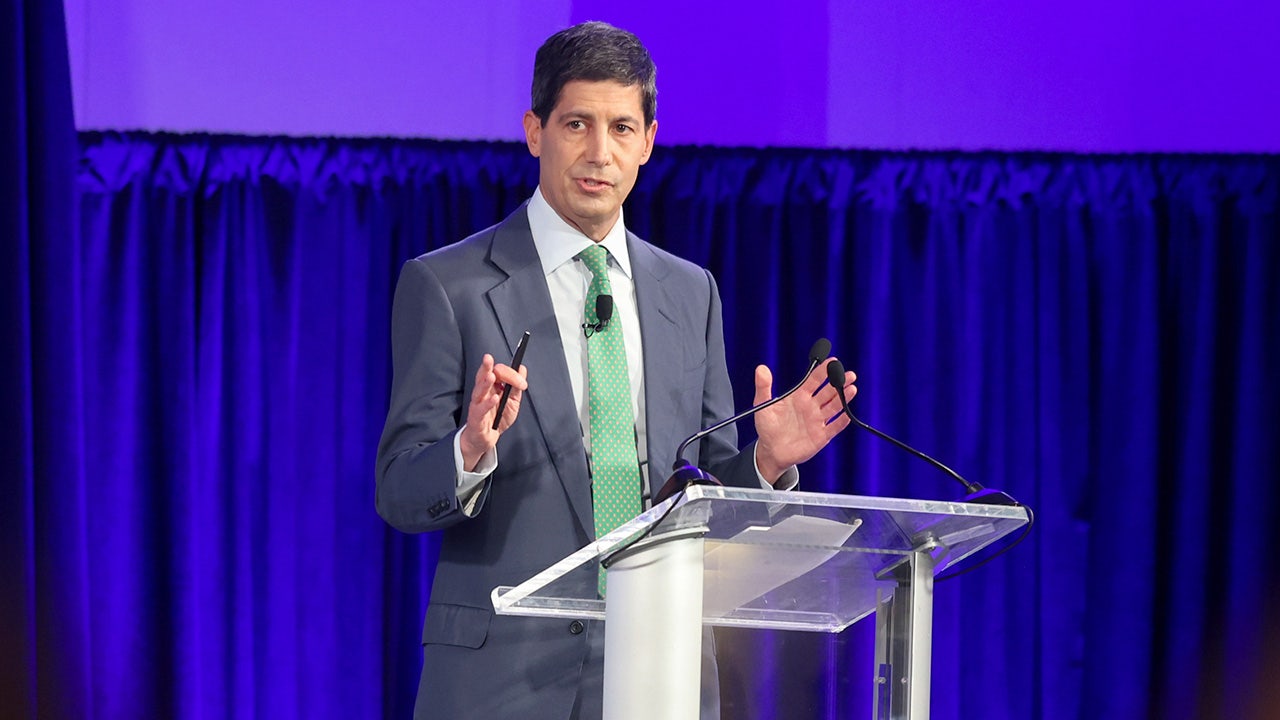
SentinelOne Stock Rises Amid Cybersecurity Sector Recovery

SentinelOne Inc's stock increased by 3.28%, reaching a 20-day high, as the cybersecurity sector shows signs of recovery.
The rise in SentinelOne's stock is attributed to a broader recovery in the cybersecurity industry, where companies like CrowdStrike and Tenable also saw gains. This recovery is driven by increasing investor confidence following a significant sell-off earlier this year due to AI concerns. Additionally, SentinelOne's collaboration with Google Cloud to enhance its AI capabilities is expected to bolster its market position and attract further investment.
The implications of this stock movement suggest a renewed interest in cybersecurity stocks, particularly as the industry is projected to grow significantly in the coming years. Investors are likely to keep a close eye on SentinelOne's performance and its strategic initiatives in the AI space.
Trade with 70% Backtested Accuracy
Analyst Views on S

About S
About the author


Cybersecurity Stocks Decline as Wall Street Shifts Focus

- Market Shift Impact: Wall Street's pivot away from tech stocks in 2026 has led to significant declines in share prices for cybersecurity firms like Palo Alto Networks, SentinelOne, and Zscaler, despite these companies achieving double-digit year-over-year sales growth, indicating market concerns about their future prospects.
- Investment Opportunities Arise: The cybersecurity industry is projected to grow from $248 billion in 2026 to $699 billion by 2034, and with stock prices at multiyear lows, investors now have the chance to buy these stocks at attractive valuations, reflecting ongoing demand for cybersecurity solutions.
- CEO Share Purchases: Palo Alto Networks' CEO Nikesh Arora purchased approximately $10 million in company shares in March 2026, marking his first buy since 2019, which demonstrates his confidence in the company's future growth potential.
- AI and Cybersecurity Collaboration: Despite concerns that AI could threaten cybersecurity companies, partnerships between Palo Alto Networks and SentinelOne with Google Cloud suggest that cybersecurity firms are more likely to collaborate with AI companies rather than be replaced, underscoring the ongoing necessity of IT security.

Investment Opportunities Emerge in Cybersecurity Stocks
- Market Recovery Signal: The cybersecurity industry is projected to grow from $248 billion in 2026 to $699 billion by 2034, indicating strong market demand that encourages investors to buy at current attractive valuations.
- Executive Buy Signal: Palo Alto Networks CEO Nikesh Arora purchased approximately $10 million in company shares in March, marking his first buy since 2019, which reflects executive confidence in the company's future prospects.
- Collaboration and Innovation: Palo Alto Networks and SentinelOne are collaborating with Google Cloud to secure AI infrastructure, indicating that the integration of cybersecurity firms with AI technology will be a crucial trend for future development.
- Strong Sales Growth: Both Palo Alto Networks and SentinelOne reported robust sales growth in their latest earnings reports, with the former's revenue rising 15% year-over-year to $2.6 billion and the latter's revenue increasing 20% year-over-year to $271.2 million, reflecting ongoing demand for cybersecurity services.

SentinelOne's AI Platform Leads Cybersecurity Transformation
- Market Reaction: SentinelOne's stock has fallen nearly 45% from its 52-week high due to fears that AI will replace human security analysts, currently trading at around $12 per share with a sales multiple of only 4.5, significantly below historical averages.
- AI-Native Architecture: The Singularity platform is built around AI from the ground up, with Purple AI enabling automatic investigations that compress security inquiry times from hours to minutes, enhancing enterprises' ability to respond to security incidents effectively.
- Customer Adoption Rate: In Q4, Purple AI was included in over 50% of all SentinelOne licenses sold, marking a record attach rate that indicates strong demand and acceptance from existing customers.
- Strategic Partnership: The new AI-focused partnership with Google Cloud enhances Purple AI's capabilities in cloud workloads, removing significant adoption barriers for enterprises and further solidifying SentinelOne's market position.

SentinelOne's AI Platform Revolutionizes Security Operations
- AI-Native Platform: SentinelOne built its Singularity platform around AI from the start, with Purple AI significantly reducing traditional security investigation times from hours to minutes, thereby enhancing security teams' responsiveness and efficiency in addressing potential threats.
- Strong Demand Signal: In Q4, Purple AI achieved an attach rate exceeding 50%, indicating strong recognition and demand from existing customers, reflecting its competitive edge and customer stickiness, even as the company has yet to achieve profitability.
- New Partnership: SentinelOne has formed a new partnership with Alphabet's Google Cloud, extending Purple AI's capabilities into cloud workloads, which removes a major adoption barrier for enterprises and enhances its market appeal.
- Competitive Pressure: Despite SentinelOne's first-mover advantage in embedding AI into workflows, it faces competitive pressure from CrowdStrike, which has a larger installed base and more mature channels; if CrowdStrike's AI product catches up quickly, SentinelOne's differentiation could narrow.
Oracle Rallies 11%, Leading Software Stocks Bounce Amid Peace Hopes


- Market Rebound: Oracle's stock surged 11%, leading a bounce in software stocks as hopes for a U.S.-Iran peace deal increased, alleviating market panic caused by AI disruption and private credit default risks.
- Software Stock Performance: Despite a sell-off this year due to AI concerns, Adobe and Salesforce rose approximately 6% and 5%, respectively, while ServiceNow, HubSpot, and Workday each gained over 7%, indicating a recovery in market sentiment.
- Cybersecurity Stocks Rise: Cybersecurity stocks also gained, with CrowdStrike, Tenable, and SentinelOne each adding more than 6%, reflecting a gradual restoration of investor confidence in the cybersecurity sector.
- Industry Outlook Concerns: Despite the market rebound, the software industry faces long-term risks from AI models potentially displacing traditional business models, with HubSpot and Atlassian seeing their market values shrink by nearly half and over 60%, respectively, highlighting structural challenges within the sector.
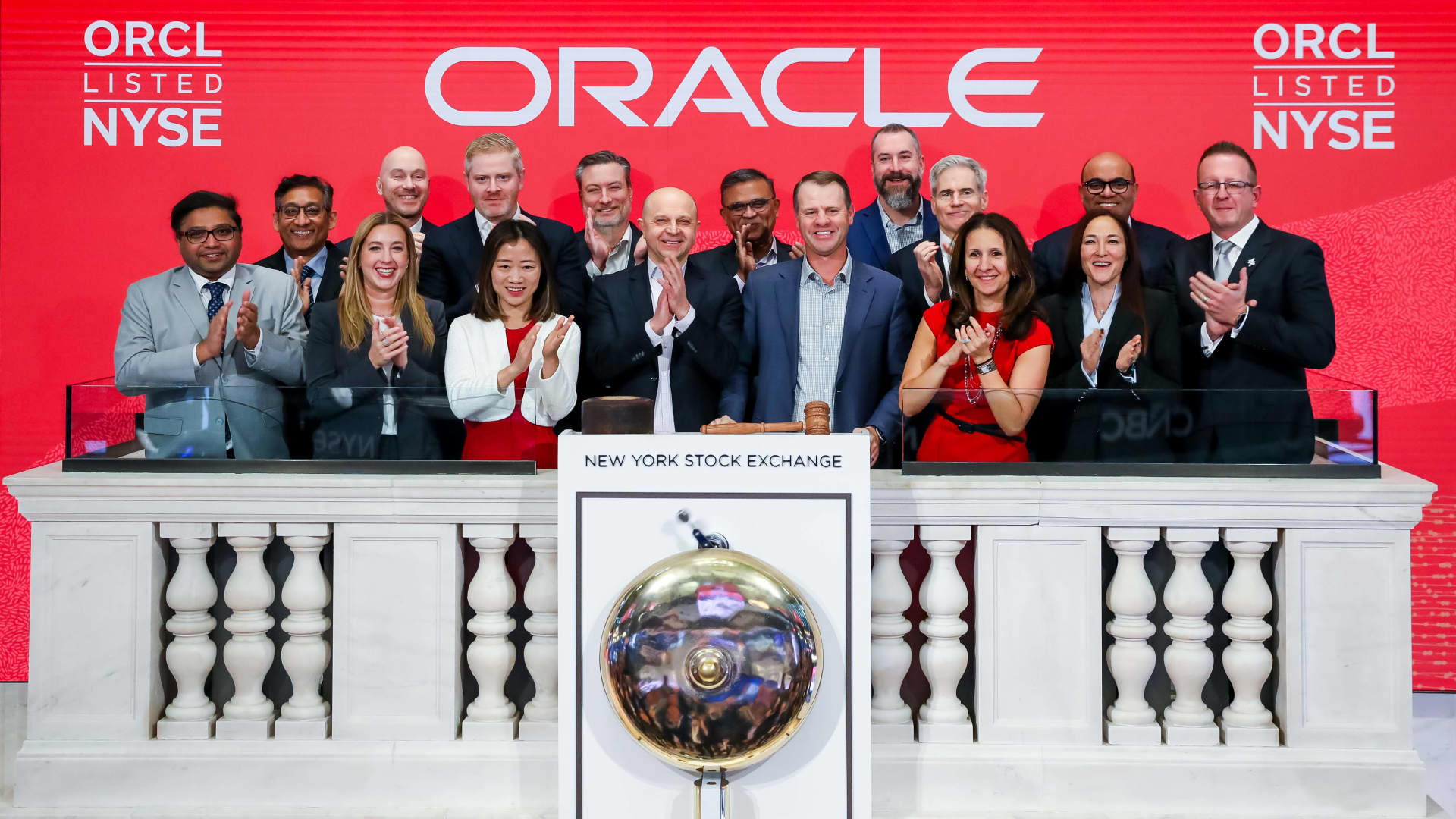
Oracle's Stock Surges 11% for Best Trading Day Amid AI Concerns

- Stock Rebound: Oracle's stock surged 11% on February 3, marking its best trading day since September, reflecting investor optimism regarding a potential peace deal between Iran and the U.S., despite the software sector facing significant challenges from AI disruptions.
- Sector Recovery: Major software companies like Adobe, Salesforce, ServiceNow, HubSpot, and Workday also saw rebounds with gains exceeding 5%, indicating a gradual restoration of market confidence that could help mitigate year-to-date losses.
- Ongoing Market Concerns: Despite the stock rally, concerns persist regarding AI tools potentially displacing traditional software business models, leading to significant market value losses for companies like HubSpot and Atlassian, which have dropped nearly 50% and over 60%, respectively.
- Credit Market Impact: The sell-off in the software sector has also triggered panic in the private credit market, with investors worried that this trend could elevate default risks across the industry, affecting future financing conditions.
Cybersecurity Stocks Decline as Wall Street Shifts Focus
- Market Shift Impact: Wall Street's pivot away from tech stocks in 2026 has led to significant declines in share prices for cybersecurity firms like Palo Alto Networks, SentinelOne, and Zscaler, despite these companies achieving double-digit year-over-year sales growth, indicating market concerns about their future prospects.
- Investment Opportunities Arise: The cybersecurity industry is projected to grow from $248 billion in 2026 to $699 billion by 2034, and with stock prices at multiyear lows, investors now have the chance to buy these stocks at attractive valuations, reflecting ongoing demand for cybersecurity solutions.
- CEO Share Purchases: Palo Alto Networks' CEO Nikesh Arora purchased approximately $10 million in company shares in March 2026, marking his first buy since 2019, which demonstrates his confidence in the company's future growth potential.
- AI and Cybersecurity Collaboration: Despite concerns that AI could threaten cybersecurity companies, partnerships between Palo Alto Networks and SentinelOne with Google Cloud suggest that cybersecurity firms are more likely to collaborate with AI companies rather than be replaced, underscoring the ongoing necessity of IT security.
Investment Opportunities Emerge in Cybersecurity Stocks
- Market Recovery Signal: The cybersecurity industry is projected to grow from $248 billion in 2026 to $699 billion by 2034, indicating strong market demand that encourages investors to buy at current attractive valuations.
- Executive Buy Signal: Palo Alto Networks CEO Nikesh Arora purchased approximately $10 million in company shares in March, marking his first buy since 2019, which reflects executive confidence in the company's future prospects.
- Collaboration and Innovation: Palo Alto Networks and SentinelOne are collaborating with Google Cloud to secure AI infrastructure, indicating that the integration of cybersecurity firms with AI technology will be a crucial trend for future development.
- Strong Sales Growth: Both Palo Alto Networks and SentinelOne reported robust sales growth in their latest earnings reports, with the former's revenue rising 15% year-over-year to $2.6 billion and the latter's revenue increasing 20% year-over-year to $271.2 million, reflecting ongoing demand for cybersecurity services.
SentinelOne's AI Platform Leads Cybersecurity Transformation
- Market Reaction: SentinelOne's stock has fallen nearly 45% from its 52-week high due to fears that AI will replace human security analysts, currently trading at around $12 per share with a sales multiple of only 4.5, significantly below historical averages.
- AI-Native Architecture: The Singularity platform is built around AI from the ground up, with Purple AI enabling automatic investigations that compress security inquiry times from hours to minutes, enhancing enterprises' ability to respond to security incidents effectively.
- Customer Adoption Rate: In Q4, Purple AI was included in over 50% of all SentinelOne licenses sold, marking a record attach rate that indicates strong demand and acceptance from existing customers.
- Strategic Partnership: The new AI-focused partnership with Google Cloud enhances Purple AI's capabilities in cloud workloads, removing significant adoption barriers for enterprises and further solidifying SentinelOne's market position.
SentinelOne's AI Platform Revolutionizes Security Operations
- AI-Native Platform: SentinelOne built its Singularity platform around AI from the start, with Purple AI significantly reducing traditional security investigation times from hours to minutes, thereby enhancing security teams' responsiveness and efficiency in addressing potential threats.
- Strong Demand Signal: In Q4, Purple AI achieved an attach rate exceeding 50%, indicating strong recognition and demand from existing customers, reflecting its competitive edge and customer stickiness, even as the company has yet to achieve profitability.
- New Partnership: SentinelOne has formed a new partnership with Alphabet's Google Cloud, extending Purple AI's capabilities into cloud workloads, which removes a major adoption barrier for enterprises and enhances its market appeal.
- Competitive Pressure: Despite SentinelOne's first-mover advantage in embedding AI into workflows, it faces competitive pressure from CrowdStrike, which has a larger installed base and more mature channels; if CrowdStrike's AI product catches up quickly, SentinelOne's differentiation could narrow.
Oracle Rallies 11%, Leading Software Stocks Bounce Amid Peace Hopes
- Market Rebound: Oracle's stock surged 11%, leading a bounce in software stocks as hopes for a U.S.-Iran peace deal increased, alleviating market panic caused by AI disruption and private credit default risks.
- Software Stock Performance: Despite a sell-off this year due to AI concerns, Adobe and Salesforce rose approximately 6% and 5%, respectively, while ServiceNow, HubSpot, and Workday each gained over 7%, indicating a recovery in market sentiment.
- Cybersecurity Stocks Rise: Cybersecurity stocks also gained, with CrowdStrike, Tenable, and SentinelOne each adding more than 6%, reflecting a gradual restoration of investor confidence in the cybersecurity sector.
- Industry Outlook Concerns: Despite the market rebound, the software industry faces long-term risks from AI models potentially displacing traditional business models, with HubSpot and Atlassian seeing their market values shrink by nearly half and over 60%, respectively, highlighting structural challenges within the sector.
Oracle's Stock Surges 11% for Best Trading Day Amid AI Concerns
- Stock Rebound: Oracle's stock surged 11% on February 3, marking its best trading day since September, reflecting investor optimism regarding a potential peace deal between Iran and the U.S., despite the software sector facing significant challenges from AI disruptions.
- Sector Recovery: Major software companies like Adobe, Salesforce, ServiceNow, HubSpot, and Workday also saw rebounds with gains exceeding 5%, indicating a gradual restoration of market confidence that could help mitigate year-to-date losses.
- Ongoing Market Concerns: Despite the stock rally, concerns persist regarding AI tools potentially displacing traditional software business models, leading to significant market value losses for companies like HubSpot and Atlassian, which have dropped nearly 50% and over 60%, respectively.
- Credit Market Impact: The sell-off in the software sector has also triggered panic in the private credit market, with investors worried that this trend could elevate default risks across the industry, affecting future financing conditions.