Sea Limited faces challenges despite revenue growth
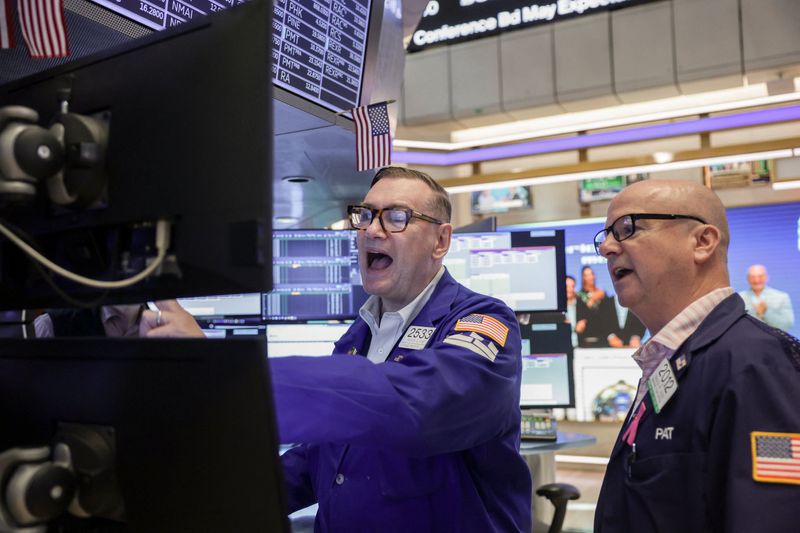
Sea Limited's stock has increased by 3.26% and reached a 20-day high amid positive market conditions, with the Nasdaq-100 up 1.28% and the S&P 500 up 1.23%.
Despite this price increase, Sea Limited has faced significant challenges, including a 20% drop in Garena bookings and a 77% rise in Monee's credit losses, which have raised concerns about its future growth potential. The company's revenue grew 36% to $22.9 billion in 2025, and net income surged 260% to $1.6 billion, but these positive figures are overshadowed by the ongoing issues affecting investor sentiment.
The implications of these challenges suggest that while Sea Limited's stock has seen a short-term gain, the long-term outlook remains uncertain due to the pressures on its core business segments.
Trade with 70% Backtested Accuracy
Analyst Views on SE

About SE
About the author


Market Advantages of Strong Cash Flow Companies


- Sea's Performance: Sea (NYSE:SE) has achieved a 22.7% annual growth in paying users over the past two years, with a free cash flow margin of 20.7%, significantly enhancing its competitive edge in the Southeast Asian market, allowing for flexible investments and stock buybacks.
- OSI Systems Growth: OSI Systems (NASDAQ:OSIS) reported a remarkable 10.9% annual revenue growth over the past two years, driven by market share gains and a stock buyback strategy that accelerated earnings per share growth beyond revenue growth, showcasing its strong performance in security and monitoring sectors.
- Pfizer's Market Position: Pfizer (NYSE:PFE) dominates the biopharmaceutical industry with $63.32 billion in revenue and a 15% free cash flow margin, while adjusted operating profits have increased over the past two years, reflecting management's efficiency in leveraging fixed costs.
- Investment Opportunity Analysis: These companies exhibit exceptional free cash flow performance, with Sea and Pfizer trading at forward P/E ratios of 4x and 9.2x respectively, indicating that now may be an opportune time for investment, especially as market demand for high-growth stocks continues to rise.

Tree Line Advisors Fully Exits Futu Holdings with $57.52 Million Sale


- Full Exit: On May 14, 2026, Tree Line Advisors (Hong Kong) Ltd. disclosed a complete exit from its 370,000 shares in Futu Holdings, with an estimated transaction value of $57.52 million, indicating a significant shift in confidence regarding the company's future prospects.
- Asset Management Impact: This transaction resulted in a $60.76 million decrease in Tree Line Advisors' quarter-end value in Futu Holdings, reflecting not only the sale activity but also the impact of share price changes on its assets under management.
- Regulatory Pressure: Futu Holdings faces proposed penalties from China's securities regulator totaling approximately RMB 1.85 billion (about $271 million), causing its stock price to drop roughly 30% following the announcement, which significantly undermines investor confidence.
- Market Performance Comparison: As of last Friday, Futu Holdings' shares were priced at $89.76, down 20% over the past year, significantly underperforming the S&P 500, which rose about 28% during the same period, highlighting its relative weakness in the market.

Sea Limited Reports Strong Q1 Growth Across All Segments
- Significant Revenue Growth: Sea Limited generated $7.1 billion in total revenue during Q1 2026, reflecting a robust year-over-year growth of 46.6%, indicating the company's sustained growth potential across its e-commerce, digital financial services, and digital entertainment segments.
- E-commerce Platform Performance: Shopee's revenue reached $5.1 billion in Q1, marking a 45.1% increase, which not only solidifies its leadership position in Southeast Asia but also provides strong support for the company's overall performance amid concerns about consumer spending due to rising oil prices.
- Digital Financial Services Innovation: Monee's loan portfolio hit a record $9.9 billion in Q1, up 71% year-over-year, with Brazilian borrowers accounting for $1 billion, a staggering increase of 250%, showcasing Sea's successful strategy in enhancing consumer purchasing power.
- Profitability Improvement: The company achieved $1 billion in adjusted EBITDA for the first time, with Garena contributing $573.6 million despite Shopee's low margins, highlighting the profitability of its diversified business model and boosting investor confidence in future growth.

Sea Limited: A Triple Threat in the Digital Economy
- E-commerce Growth: Sea Limited's Shopee processed over $37 billion in orders during Q1 2026, reflecting a 30% year-over-year increase, which not only solidifies its leadership in Southeast Asia's e-commerce market but also lays the groundwork for future market expansion.
- Financial Services Innovation: Sea's digital financial services platform Monee reported a record $9.9 billion in loans at the end of Q1, marking a 71% year-over-year increase, with Brazilian borrowers accounting for $1 billion, a staggering 250% growth, indicating success in enhancing consumer spending power.
- Digital Entertainment Performance: Garena's user base reached 666.5 million in Q1, showing modest year-over-year growth, but the 10.9% in-game purchase rate is the best in five years, highlighting the profitability potential and market appeal of its gaming products.
- Financial Robustness: Sea achieved $7.1 billion in total revenue in Q1, a 46.6% year-over-year growth, and delivered $1 billion in adjusted EBITDA for the first time, demonstrating strong performance across its diversified business and solid financial health.

Sea Limited: A Triple Threat in the Digital Economy

- E-commerce Growth: Sea Limited's Shopee processed over $37 billion in orders during Q1 2026, reflecting a 30% year-over-year increase, which not only solidifies its leadership in Southeast Asia's e-commerce market but also lays a strong foundation for future expansion.
- Financial Services Innovation: Sea's digital financial services platform Monee reported a record $9.9 billion in loans at the end of Q1, marking a 71% year-over-year increase, with Brazilian borrowers accounting for $1 billion, up 250%, showcasing robust growth potential in the Latin American market.
- Digital Entertainment Performance: Garena's user base reached 666.5 million in Q1, with a modest year-over-year increase, yet the 10.9% of paying users represents the best performance in five years, indicating enhanced profitability of its gaming products.
- Financial Health: Sea achieved $7.1 billion in total revenue in Q1, a 46.6% year-over-year growth, and delivered $1 billion in adjusted EBITDA for the first time, demonstrating the resilience of its diversified business and potential for future growth.

Sea Limited's Impressive Market Share Push
- Market Share Growth: Sea Limited is actively pushing for an increase in market share, although specific growth figures have not been disclosed, the strategic intent is clear, aiming to strengthen its position in a competitive market.
- Stock Performance: As of the afternoon of May 18, 2026, Sea Limited's stock price stood at 0.84%, reflecting a cautiously optimistic market sentiment regarding its growth potential, which may influence investor confidence and future capital inflows.
- Video Release Impact: The video published on May 20, 2026, may provide the company with a platform to showcase its market strategies and future plans, thereby attracting more attention and investment.
- Strategic Significance: Through these initiatives, Sea Limited aims not only to enhance market share but also to achieve long-term sustainable growth by increasing brand awareness and customer loyalty.
Market Advantages of Strong Cash Flow Companies
- Sea's Performance: Sea (NYSE:SE) has achieved a 22.7% annual growth in paying users over the past two years, with a free cash flow margin of 20.7%, significantly enhancing its competitive edge in the Southeast Asian market, allowing for flexible investments and stock buybacks.
- OSI Systems Growth: OSI Systems (NASDAQ:OSIS) reported a remarkable 10.9% annual revenue growth over the past two years, driven by market share gains and a stock buyback strategy that accelerated earnings per share growth beyond revenue growth, showcasing its strong performance in security and monitoring sectors.
- Pfizer's Market Position: Pfizer (NYSE:PFE) dominates the biopharmaceutical industry with $63.32 billion in revenue and a 15% free cash flow margin, while adjusted operating profits have increased over the past two years, reflecting management's efficiency in leveraging fixed costs.
- Investment Opportunity Analysis: These companies exhibit exceptional free cash flow performance, with Sea and Pfizer trading at forward P/E ratios of 4x and 9.2x respectively, indicating that now may be an opportune time for investment, especially as market demand for high-growth stocks continues to rise.
Tree Line Advisors Fully Exits Futu Holdings with $57.52 Million Sale
- Full Exit: On May 14, 2026, Tree Line Advisors (Hong Kong) Ltd. disclosed a complete exit from its 370,000 shares in Futu Holdings, with an estimated transaction value of $57.52 million, indicating a significant shift in confidence regarding the company's future prospects.
- Asset Management Impact: This transaction resulted in a $60.76 million decrease in Tree Line Advisors' quarter-end value in Futu Holdings, reflecting not only the sale activity but also the impact of share price changes on its assets under management.
- Regulatory Pressure: Futu Holdings faces proposed penalties from China's securities regulator totaling approximately RMB 1.85 billion (about $271 million), causing its stock price to drop roughly 30% following the announcement, which significantly undermines investor confidence.
- Market Performance Comparison: As of last Friday, Futu Holdings' shares were priced at $89.76, down 20% over the past year, significantly underperforming the S&P 500, which rose about 28% during the same period, highlighting its relative weakness in the market.
Sea Limited Reports Strong Q1 Growth Across All Segments
- Significant Revenue Growth: Sea Limited generated $7.1 billion in total revenue during Q1 2026, reflecting a robust year-over-year growth of 46.6%, indicating the company's sustained growth potential across its e-commerce, digital financial services, and digital entertainment segments.
- E-commerce Platform Performance: Shopee's revenue reached $5.1 billion in Q1, marking a 45.1% increase, which not only solidifies its leadership position in Southeast Asia but also provides strong support for the company's overall performance amid concerns about consumer spending due to rising oil prices.
- Digital Financial Services Innovation: Monee's loan portfolio hit a record $9.9 billion in Q1, up 71% year-over-year, with Brazilian borrowers accounting for $1 billion, a staggering increase of 250%, showcasing Sea's successful strategy in enhancing consumer purchasing power.
- Profitability Improvement: The company achieved $1 billion in adjusted EBITDA for the first time, with Garena contributing $573.6 million despite Shopee's low margins, highlighting the profitability of its diversified business model and boosting investor confidence in future growth.
Sea Limited: A Triple Threat in the Digital Economy
- E-commerce Growth: Sea Limited's Shopee processed over $37 billion in orders during Q1 2026, reflecting a 30% year-over-year increase, which not only solidifies its leadership in Southeast Asia's e-commerce market but also lays the groundwork for future market expansion.
- Financial Services Innovation: Sea's digital financial services platform Monee reported a record $9.9 billion in loans at the end of Q1, marking a 71% year-over-year increase, with Brazilian borrowers accounting for $1 billion, a staggering 250% growth, indicating success in enhancing consumer spending power.
- Digital Entertainment Performance: Garena's user base reached 666.5 million in Q1, showing modest year-over-year growth, but the 10.9% in-game purchase rate is the best in five years, highlighting the profitability potential and market appeal of its gaming products.
- Financial Robustness: Sea achieved $7.1 billion in total revenue in Q1, a 46.6% year-over-year growth, and delivered $1 billion in adjusted EBITDA for the first time, demonstrating strong performance across its diversified business and solid financial health.
Sea Limited: A Triple Threat in the Digital Economy
- E-commerce Growth: Sea Limited's Shopee processed over $37 billion in orders during Q1 2026, reflecting a 30% year-over-year increase, which not only solidifies its leadership in Southeast Asia's e-commerce market but also lays a strong foundation for future expansion.
- Financial Services Innovation: Sea's digital financial services platform Monee reported a record $9.9 billion in loans at the end of Q1, marking a 71% year-over-year increase, with Brazilian borrowers accounting for $1 billion, up 250%, showcasing robust growth potential in the Latin American market.
- Digital Entertainment Performance: Garena's user base reached 666.5 million in Q1, with a modest year-over-year increase, yet the 10.9% of paying users represents the best performance in five years, indicating enhanced profitability of its gaming products.
- Financial Health: Sea achieved $7.1 billion in total revenue in Q1, a 46.6% year-over-year growth, and delivered $1 billion in adjusted EBITDA for the first time, demonstrating the resilience of its diversified business and potential for future growth.
Sea Limited's Impressive Market Share Push
- Market Share Growth: Sea Limited is actively pushing for an increase in market share, although specific growth figures have not been disclosed, the strategic intent is clear, aiming to strengthen its position in a competitive market.
- Stock Performance: As of the afternoon of May 18, 2026, Sea Limited's stock price stood at 0.84%, reflecting a cautiously optimistic market sentiment regarding its growth potential, which may influence investor confidence and future capital inflows.
- Video Release Impact: The video published on May 20, 2026, may provide the company with a platform to showcase its market strategies and future plans, thereby attracting more attention and investment.
- Strategic Significance: Through these initiatives, Sea Limited aims not only to enhance market share but also to achieve long-term sustainable growth by increasing brand awareness and customer loyalty.