Salesforce Updates Revenue Reporting Structure Amid Market Rally
Salesforce Inc's stock fell 5.01% and hit a 5-day low amid a strong market rally, with the Nasdaq-100 up 1.02% and the S&P 500 up 0.49%.
The company announced an update to its revenue reporting structure for fiscal year 2027, categorizing revenues into two main segments: Agentforce Apps and Data 360, Platform & Other. This move aims to enhance transparency and investor confidence, reflecting the evolution of its product architecture. Additionally, Salesforce will provide recast disaggregated revenue data for fiscal years 2025 and 2026, which is expected to strengthen expectations for future performance.
This update comes at a time when the broader market is experiencing significant gains, driven by strong earnings growth projections for S&P 500 companies. Salesforce's strategic commitment to leveraging AI and data platforms to enhance customer service efficiency positions it well for future growth, despite the current stock decline.
Trade with 70% Backtested Accuracy
Analyst Views on CRM

About CRM
About the author


Salesforce Q1 Results Exceed Expectations Amid AI Concerns
- Revenue Growth: Salesforce reported Q1 revenue of $11.13 billion for Fiscal 2027, slightly exceeding analyst expectations of $11.05 billion, with a year-over-year increase of 13%, indicating potential in the AI sector.
- Earnings Performance: The adjusted earnings per share of $3.88 significantly surpassed the market's expectation of $3.12, demonstrating improved profitability, although the overall market reaction remained subdued.
- Guidance Outlook: Despite a strong Q1, the company's revenue guidance for the next quarter is projected between $11.27 billion and $11.35 billion, slightly below the $11.36 billion analysts anticipated, reflecting cautious sentiment about future growth.
- AI Potential: Annual recurring revenue from Agentforce surged by 205% to $1.2 billion, yet analysts remain skeptical about Salesforce's ability to maintain competitiveness in an AI-driven market landscape.

Market Dynamics and Corporate Performance Analysis


- Dell's Quarter Performance: Dell reported a quarter that exceeded expectations, with shares rising over 30%, indicating strong performance across all business levels, particularly in data center servers, which is expected to boost overall market confidence.
- Costco Membership Renewal Rates Up: Costco's latest earnings report showed improved membership renewal rates in the U.S. and Canada; although market reaction was muted, record performance in its gas business is likely to enhance membership loyalty and solidify its market position.
- Anthropic Surpasses OpenAI: Anthropic raised $65 billion at a $965 billion valuation, becoming the most valuable AI startup, a significant increase from $380 billion in February, showcasing explosive revenue growth and wealth creation potential in the AI sector.
- Cybersecurity Market Volatility: Okta beat expectations in its earnings report, with shares rising over 8%, while Zscaler's stock fell due to disappointing guidance, highlighting a divergence in the cybersecurity industry that affected the performance of other companies, including CrowdStrike.

Salesforce Declares $0.44 Quarterly Dividend, Maintains Yield
- Dividend Declaration: Salesforce has declared a quarterly dividend of $0.44 per share, consistent with previous payouts, indicating the company's ongoing ability to maintain stable cash flows, which is likely to attract more investor interest.
- Payment Schedule: The dividend is payable on July 2, with a record date of June 11 and an ex-dividend date also set for June 11, ensuring shareholders receive their returns in a timely manner.
- Revenue Guidance Increase: Salesforce has raised its fiscal year 2027 revenue guidance to between $45.9 billion and $46.2 billion, reflecting the company's confidence in future growth prospects, which could drive stock price appreciation.
- Share Repurchase Program: The company has also launched a $25 billion accelerated share repurchase program aimed at enhancing shareholder value by reducing the number of shares outstanding, thereby increasing earnings per share.

US-Iran Conflict Escalates, Oil Prices Surge Amid Economic Uncertainty


- Escalation of US-Iran Conflict: Following weeks of paused action, the US and Iran have resumed airstrikes, complicating hopes for a permanent resolution to the conflict, which is impacting global oil supplies and market sentiment.
- Strong Stock Market Performance: Despite rising geopolitical tensions, both the S&P 500 and Nasdaq Composite closed at record highs, primarily driven by a surge in AI-related stocks, indicating strong market confidence in the technology sector.
- Oil Price Warning: ExxonMobil has warned that oil inventories are on track to reach dangerously low levels in the coming weeks, forcing prices to spike and curbing demand, reflecting market concerns over energy supply.
- Wealthy Investors Pulling Out: According to the UBS Global Family Office Report, 60% of family offices plan to adjust their investment allocations in the next year, with many reducing US holdings and increasing exposure to emerging markets, highlighting a growing trend of 'de-dollarization'.
Salesforce Declares Quarterly Cash Dividend
- Quarterly Cash Dividend: Salesforce's board has declared a cash dividend of $0.44 per share, payable on July 2, 2026, reflecting the company's commitment to shareholder returns and enhancing investor confidence.
- Record Date for Shareholders: The record date for this dividend is set for June 11, 2026, ensuring that investors holding shares before this date will receive the dividend, which may encourage long-term investment.
- Growth Strategy: Salesforce aids organizations of all sizes in becoming agentic enterprises by integrating humans, agents, apps, and data on a unified platform, underscoring its leadership position in the market.
- Strengthening Investor Relations: The announcement of this dividend not only boosts the company's appeal among investors but may also attract more institutional investors, thereby enhancing the company's market performance.
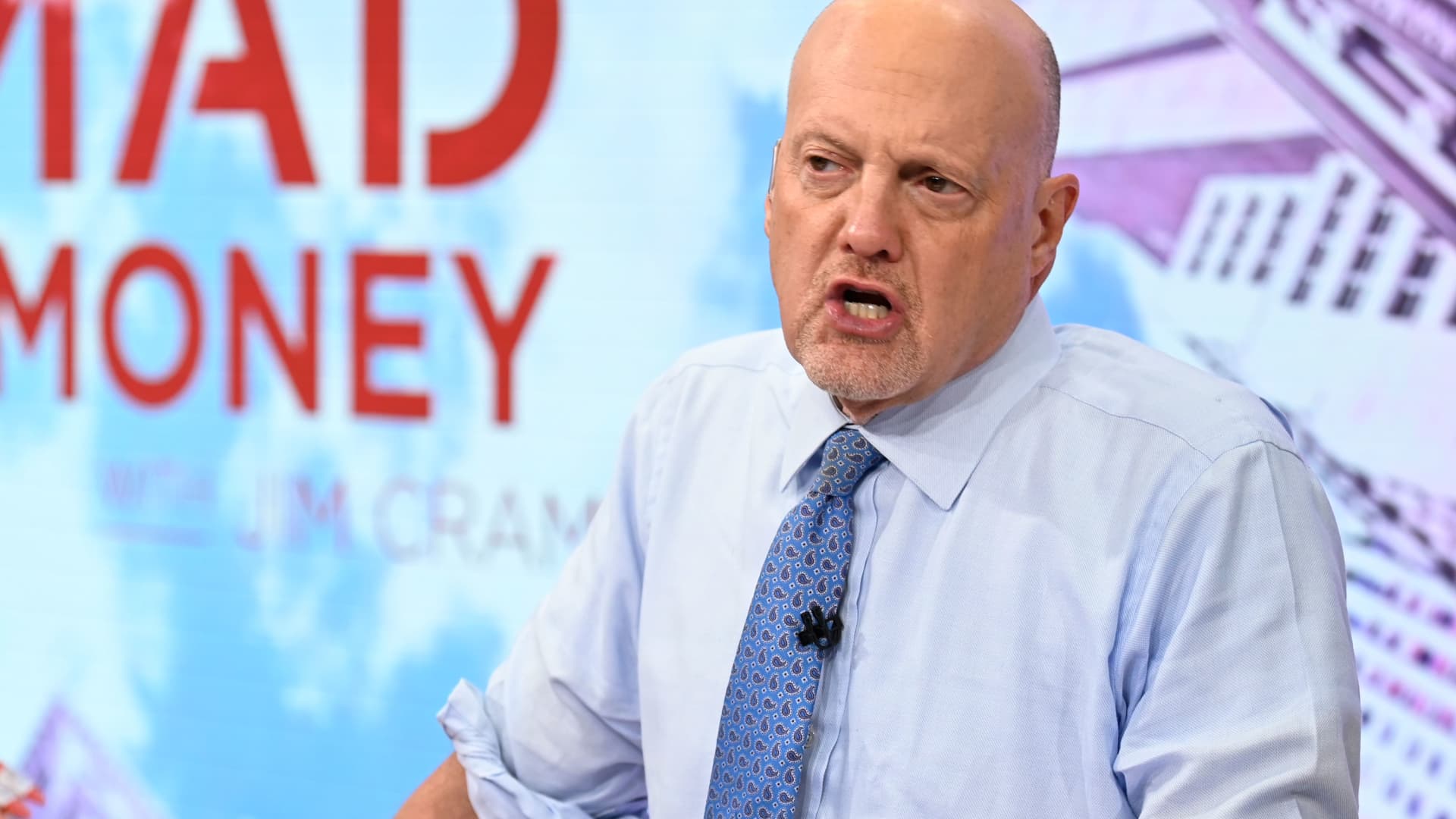
Investors Missing Out on Market Winners

- Market Surge: Snowflake's stock surged approximately 36% on Thursday following strong earnings and a $6 billion commitment to Amazon Web Services, indicating robust growth potential in the cloud computing sector.
- Investor Reliance on Index Funds: Cramer highlighted that many investors are overly reliant on index funds and ETFs, which prevents them from capitalizing on significant gains in individual stocks, stressing that this strategy limits their investment opportunities.
- Overlooking Obvious Opportunities: Cramer believes that investors often dismiss opportunities because the investment thesis seems too obvious, particularly in the AI space, where other companies like Salesforce, Oracle, and Microsoft could also benefit from successful AI strategies.
- Profitability of AI Leaders: Unlike the speculative companies during the 2000 internet bubble, Cramer asserts that today's AI leaders are largely profitable businesses generating substantial earnings and cash flow, urging investors not to overlook this market opportunity.
Salesforce Q1 Results Exceed Expectations Amid AI Concerns
- Revenue Growth: Salesforce reported Q1 revenue of $11.13 billion for Fiscal 2027, slightly exceeding analyst expectations of $11.05 billion, with a year-over-year increase of 13%, indicating potential in the AI sector.
- Earnings Performance: The adjusted earnings per share of $3.88 significantly surpassed the market's expectation of $3.12, demonstrating improved profitability, although the overall market reaction remained subdued.
- Guidance Outlook: Despite a strong Q1, the company's revenue guidance for the next quarter is projected between $11.27 billion and $11.35 billion, slightly below the $11.36 billion analysts anticipated, reflecting cautious sentiment about future growth.
- AI Potential: Annual recurring revenue from Agentforce surged by 205% to $1.2 billion, yet analysts remain skeptical about Salesforce's ability to maintain competitiveness in an AI-driven market landscape.
Market Dynamics and Corporate Performance Analysis
- Dell's Quarter Performance: Dell reported a quarter that exceeded expectations, with shares rising over 30%, indicating strong performance across all business levels, particularly in data center servers, which is expected to boost overall market confidence.
- Costco Membership Renewal Rates Up: Costco's latest earnings report showed improved membership renewal rates in the U.S. and Canada; although market reaction was muted, record performance in its gas business is likely to enhance membership loyalty and solidify its market position.
- Anthropic Surpasses OpenAI: Anthropic raised $65 billion at a $965 billion valuation, becoming the most valuable AI startup, a significant increase from $380 billion in February, showcasing explosive revenue growth and wealth creation potential in the AI sector.
- Cybersecurity Market Volatility: Okta beat expectations in its earnings report, with shares rising over 8%, while Zscaler's stock fell due to disappointing guidance, highlighting a divergence in the cybersecurity industry that affected the performance of other companies, including CrowdStrike.
Salesforce Declares $0.44 Quarterly Dividend, Maintains Yield
- Dividend Declaration: Salesforce has declared a quarterly dividend of $0.44 per share, consistent with previous payouts, indicating the company's ongoing ability to maintain stable cash flows, which is likely to attract more investor interest.
- Payment Schedule: The dividend is payable on July 2, with a record date of June 11 and an ex-dividend date also set for June 11, ensuring shareholders receive their returns in a timely manner.
- Revenue Guidance Increase: Salesforce has raised its fiscal year 2027 revenue guidance to between $45.9 billion and $46.2 billion, reflecting the company's confidence in future growth prospects, which could drive stock price appreciation.
- Share Repurchase Program: The company has also launched a $25 billion accelerated share repurchase program aimed at enhancing shareholder value by reducing the number of shares outstanding, thereby increasing earnings per share.
US-Iran Conflict Escalates, Oil Prices Surge Amid Economic Uncertainty
- Escalation of US-Iran Conflict: Following weeks of paused action, the US and Iran have resumed airstrikes, complicating hopes for a permanent resolution to the conflict, which is impacting global oil supplies and market sentiment.
- Strong Stock Market Performance: Despite rising geopolitical tensions, both the S&P 500 and Nasdaq Composite closed at record highs, primarily driven by a surge in AI-related stocks, indicating strong market confidence in the technology sector.
- Oil Price Warning: ExxonMobil has warned that oil inventories are on track to reach dangerously low levels in the coming weeks, forcing prices to spike and curbing demand, reflecting market concerns over energy supply.
- Wealthy Investors Pulling Out: According to the UBS Global Family Office Report, 60% of family offices plan to adjust their investment allocations in the next year, with many reducing US holdings and increasing exposure to emerging markets, highlighting a growing trend of 'de-dollarization'.
Salesforce Declares Quarterly Cash Dividend
- Quarterly Cash Dividend: Salesforce's board has declared a cash dividend of $0.44 per share, payable on July 2, 2026, reflecting the company's commitment to shareholder returns and enhancing investor confidence.
- Record Date for Shareholders: The record date for this dividend is set for June 11, 2026, ensuring that investors holding shares before this date will receive the dividend, which may encourage long-term investment.
- Growth Strategy: Salesforce aids organizations of all sizes in becoming agentic enterprises by integrating humans, agents, apps, and data on a unified platform, underscoring its leadership position in the market.
- Strengthening Investor Relations: The announcement of this dividend not only boosts the company's appeal among investors but may also attract more institutional investors, thereby enhancing the company's market performance.
Investors Missing Out on Market Winners
- Market Surge: Snowflake's stock surged approximately 36% on Thursday following strong earnings and a $6 billion commitment to Amazon Web Services, indicating robust growth potential in the cloud computing sector.
- Investor Reliance on Index Funds: Cramer highlighted that many investors are overly reliant on index funds and ETFs, which prevents them from capitalizing on significant gains in individual stocks, stressing that this strategy limits their investment opportunities.
- Overlooking Obvious Opportunities: Cramer believes that investors often dismiss opportunities because the investment thesis seems too obvious, particularly in the AI space, where other companies like Salesforce, Oracle, and Microsoft could also benefit from successful AI strategies.
- Profitability of AI Leaders: Unlike the speculative companies during the 2000 internet bubble, Cramer asserts that today's AI leaders are largely profitable businesses generating substantial earnings and cash flow, urging investors not to overlook this market opportunity.