

Royal Caribbean Celebrates Delivery of Legend of the Seas
Written by Emily J. Thompson, Senior Investment Analyst
Updated: Jun 10 2026
0mins
Source: Newsfilter
Royal Caribbean Cruises Ltd. saw its stock rise by 5.31% as it reached a 20-day high, reflecting positive investor sentiment.
The increase in stock price is attributed to the company's recent delivery of the Legend of the Seas, which is set to debut in July 2026. This delivery is part of a long-term agreement with Meyer Turku, ensuring shipbuilding capacity through 2036. The ship will feature advanced environmental technologies and aims to enhance Royal Caribbean's competitive edge in the family vacation market.
This strategic move not only showcases Royal Caribbean's commitment to sustainable tourism but also positions the company for future growth, as it continues to innovate and expand its offerings in the cruise industry.
Trade with 70% Backtested Accuracy
Stop guessing "Should I Buy RCL?" and start using high-conviction signals backed by rigorous historical data.
Sign up today to access powerful investing tools and make smarter, data-driven decisions.
Analyst Views on RCL
Wall Street analysts forecast RCL stock price to rise
16 Analyst Rating
12 Buy
4 Hold
0 Sell
Strong Buy
Current: 287.780

Low
275.00
Averages
327.80
High
400.00
Current: 287.780
Low
275.00
Averages
327.80
High
400.00
About RCL
Royal Caribbean Cruises Ltd. is a cruise company, which owns and operates three global cruise brands: Royal Caribbean, Celebrity Cruises and Silversea Cruises. It also has an interest in TUI Cruises GmbH, which operates the German brands TUI Cruises and Hapag-Lloyd Cruises. Its ships offer a selection of worldwide itineraries that call on approximately 1,000 destinations on all seven continents. Royal Caribbean offers cruises and land destinations that generally feature a casual ambiance, as well as a variety of activities and entertainment venues. Celebrity Cruises offers a range of itineraries to destinations, including Alaska, Asia, Australia, Bermuda, Canada, the Caribbean, Europe, the Galapagos Islands, Hawaii, New Zealand, the Panama Canal and South America, with cruise lengths ranging from three to 14 nights. It also offers a range of private land destinations through Perfect Day at CocoCay and Royal Beach Club collection.
About the author

Emily J. Thompson
Emily J. Thompson, a Chartered Financial Analyst (CFA) with 12 years in investment research, graduated with honors from the Wharton School. Specializing in industrial and technology stocks, she provides in-depth analysis for Intellectia’s earnings and market brief reports.
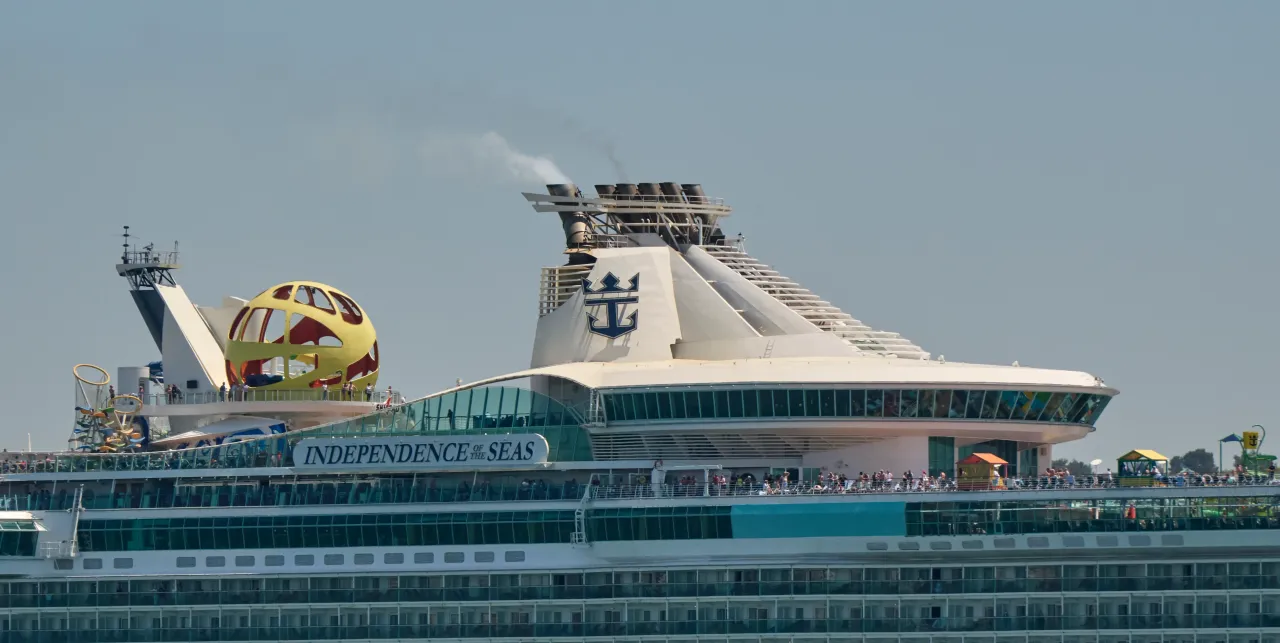
BMO Names Royal Caribbean as Top Cruise Stock with $370 Target


- Royal Caribbean Price Target: BMO sets a $370 price target for Royal Caribbean, implying a 31% upside, reflecting the company's strong ability to retain existing guests while attracting new ones, and is expected to benefit from improving industry conditions.
- Norwegian Cruise Challenges: Despite Norwegian Cruise Line's premium positioning, BMO assigns a $21 price target due to financial and operational performance lagging behind key rivals, indicating multiple challenges and an unclear investment outlook for the company.
- Carnival Lacks Catalysts: BMO maintains a balanced outlook on Carnival with a $30 price target, noting a lack of near-term catalysts post-financial restructuring, with a focus on boosting cash flow and improving fleet efficiency.
- Retail Sentiment Shift: On Stocktwits, retail sentiment around Royal Caribbean remains 'bullish', while Norwegian Cruise sentiment shifted from 'bullish' to 'neutral', and Carnival remains 'bearish', reflecting varying market perceptions of the cruise lines.
See More

US Stocks Close Lower as Chipmakers Weigh on Market


- Market Decline: On Tuesday, the S&P 500 index fell by 0.45%, the Dow Jones Industrial Average dropped by 0.25%, and the Nasdaq 100 index decreased by 1.77%, indicating a broader market decline under pressure from a selloff in chipmakers, reflecting investor concerns over high valuations.
- Samsung's Earnings Disappointment: Despite Samsung Electronics reporting a 19-fold profit surge, its stock plummeted over 8% in South Korea, suggesting market skepticism regarding the future profitability of the semiconductor sector, which could impact investor confidence in related companies.
- Geopolitical Risks Heightened: Crude oil prices surged to a 1.5-week high due to attacks on shipping in the Strait of Hormuz, raising inflation expectations and pushing bond yields higher, with the 10-year T-note yield reaching a 3.5-week high of 4.54%, adding uncertainty to the market.
- Strength in Software Stocks: Despite the overall market pressure, strong performance in software stocks indicates a rotation of funds into other sectors, with companies like Workday seeing stock price increases of over 4%, providing some support for the market.
See More
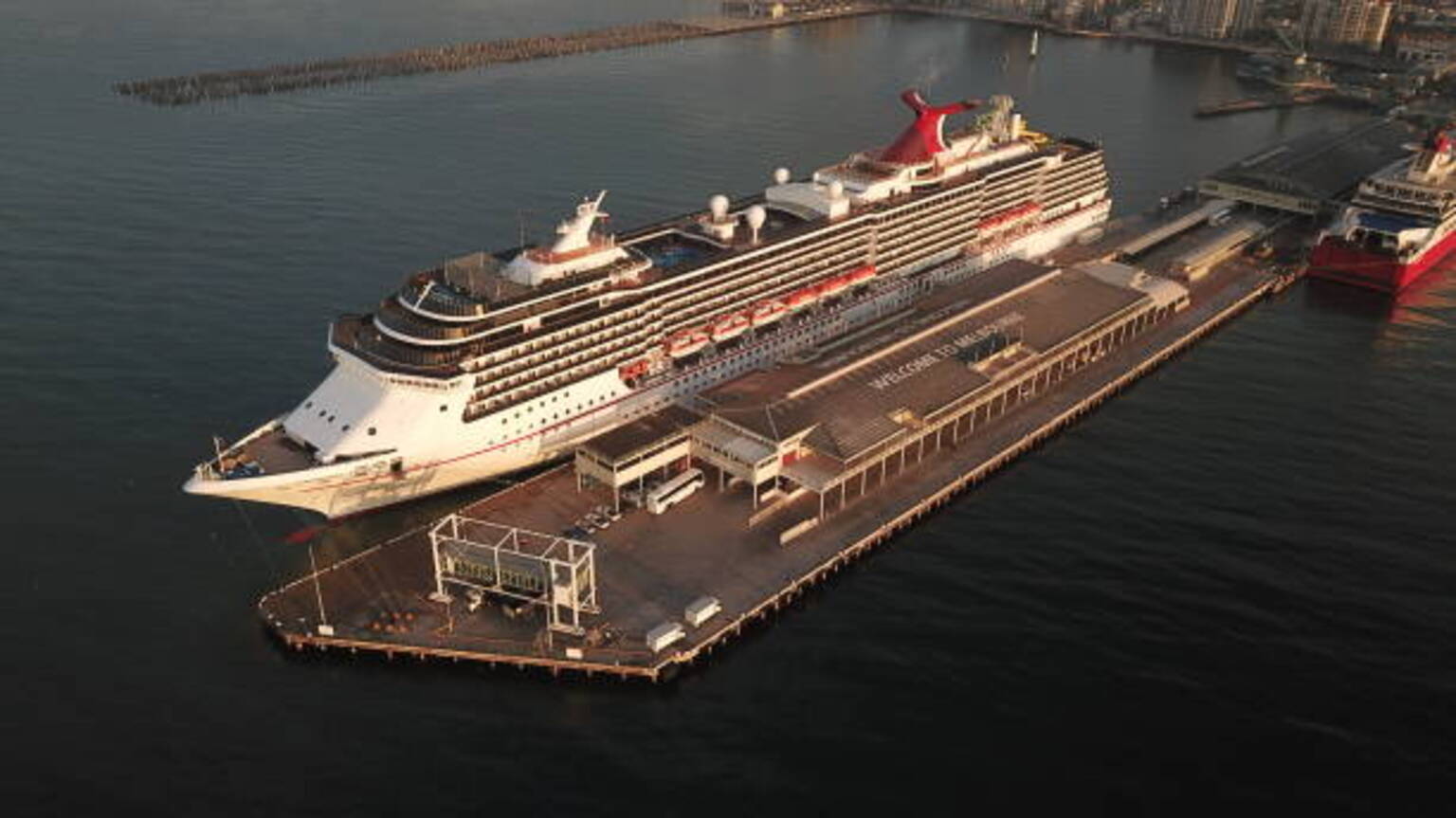
Rising Oil Prices Weigh on Cruise Stocks Performance
- Cruise Stocks Decline: Major cruise operators like Carnival Corporation (CCL) saw shares drop approximately 5.8%, Royal Caribbean (RCL) fell around 10.5%, and Norwegian Cruise Line Holdings (NCLH) declined by 12.2%, reflecting investor concerns over rising operating costs due to increasing oil prices.
- Oil Price Surge: Oil prices rose about 3% on Tuesday and continued to climb following the U.S. decision to revoke a general license for Iranian crude sales, raising fears of potential supply disruptions and further increasing crude prices.
- Cost Pressure on Operations: Higher fuel prices are a significant cost driver for cruise operators, who heavily rely on energy for their operations, and this increase could negatively impact overall travel demand as rising transportation costs limit consumer spending.
- Cautious Market Sentiment: The sustained decline in cruise and hotel stocks indicates growing investor caution as volatility in the energy market exacerbates cost concerns, leading to diminished confidence in travel-related companies.
See More

US Stocks Decline as Chipmakers Struggle
- Market Decline: The S&P 500 index fell by 0.67%, the Dow Jones Industrial Average by 0.38%, and the Nasdaq 100 by 2.14%, indicating a bearish market sentiment, particularly driven by a selloff in chipmakers.
- Samsung's Earnings Disappointment: Despite a staggering 19-fold profit increase, Samsung Electronics' stock dropped over 8% in South Korea, reflecting investor concerns over high valuations in the semiconductor sector, which could undermine overall market confidence.
- Rising Oil Prices: Following attacks in the Strait of Hormuz, WTI crude oil prices surged over 2%, raising inflation expectations and pushing bond yields higher, with the 10-year T-note yield reaching a 3.5-week high of 4.52%.
- Widening Trade Deficit: The US trade deficit for May expanded to $77.6 billion, the largest in 14 months, which may negatively impact Q2 GDP, adding to market uncertainties.
See More

Royal Caribbean on Track for Solid Q2 Performance
- Q2 Outlook: Royal Caribbean is expected to achieve solid performance in Q2, although specific financial figures are not yet disclosed, the market generally holds an optimistic view, indicating strong momentum in the company's recovery.
- Q3 Booking Risks: Despite the positive outlook for Q2, bookings for Q3 face downside risks that could impact overall revenue and profitability, reflecting uncertainty in market demand.
- Market Reaction: Investors are adopting a cautious stance regarding Royal Caribbean's prospects, particularly in light of the booking risks for Q3, which may exert pressure on its stock price and affect market confidence.
- Strategic Adjustments: The company may need to adjust its marketing strategies based on market feedback to address the challenges in Q3, ensuring continued customer attraction and revenue growth.
See More

Investment Comparison: MGM vs. Royal Caribbean

- Financial Performance Comparison: MGM Resorts reported approximately $17.5 billion in revenue for FY 2025, reflecting a modest 1.7% growth with a net income of about $206.2 million and a net margin of only 1.2%, indicating limited profitability in a competitive landscape; in contrast, Royal Caribbean achieved around $17.9 billion in revenue, an 8.8% increase, with a net income of approximately $4.3 billion and a robust net margin of 23.8%, showcasing a more profitable business model.
- Debt and Liquidity Analysis: MGM's debt-to-equity ratio stands at 11.9x with a current ratio of about 1.2, suggesting reasonable short-term debt repayment capability but high debt levels restrict capital allocation flexibility; conversely, Royal Caribbean's debt-to-equity ratio is 2.3x with a current ratio of only 0.2, indicating greater pressure on its expansion capabilities.
- Market Risk Assessment: MGM faces intense competition from emerging resorts and iGaming platforms, alongside acquisition risks and cybersecurity threats that add uncertainty; meanwhile, Royal Caribbean relies on a limited number of shipyards, facing challenges from labor shortages and environmental regulations, while being highly sensitive to global economic fluctuations.
- Future Growth Outlook: Although MGM has a diversified presence in Las Vegas and regional markets, its growth narrative is currently mixed, especially with BetMGM lowering revenue forecasts; in contrast, Royal Caribbean enjoys high visibility into future demand, with earnings projected to grow at a double-digit pace in 2026 and a consistent return of capital to shareholders, indicating stronger growth potential.
See More
BMO Names Royal Caribbean as Top Cruise Stock with $370 Target
- Royal Caribbean Price Target: BMO sets a $370 price target for Royal Caribbean, implying a 31% upside, reflecting the company's strong ability to retain existing guests while attracting new ones, and is expected to benefit from improving industry conditions.
- Norwegian Cruise Challenges: Despite Norwegian Cruise Line's premium positioning, BMO assigns a $21 price target due to financial and operational performance lagging behind key rivals, indicating multiple challenges and an unclear investment outlook for the company.
- Carnival Lacks Catalysts: BMO maintains a balanced outlook on Carnival with a $30 price target, noting a lack of near-term catalysts post-financial restructuring, with a focus on boosting cash flow and improving fleet efficiency.
- Retail Sentiment Shift: On Stocktwits, retail sentiment around Royal Caribbean remains 'bullish', while Norwegian Cruise sentiment shifted from 'bullish' to 'neutral', and Carnival remains 'bearish', reflecting varying market perceptions of the cruise lines.
See More
US Stocks Close Lower as Chipmakers Weigh on Market
- Market Decline: On Tuesday, the S&P 500 index fell by 0.45%, the Dow Jones Industrial Average dropped by 0.25%, and the Nasdaq 100 index decreased by 1.77%, indicating a broader market decline under pressure from a selloff in chipmakers, reflecting investor concerns over high valuations.
- Samsung's Earnings Disappointment: Despite Samsung Electronics reporting a 19-fold profit surge, its stock plummeted over 8% in South Korea, suggesting market skepticism regarding the future profitability of the semiconductor sector, which could impact investor confidence in related companies.
- Geopolitical Risks Heightened: Crude oil prices surged to a 1.5-week high due to attacks on shipping in the Strait of Hormuz, raising inflation expectations and pushing bond yields higher, with the 10-year T-note yield reaching a 3.5-week high of 4.54%, adding uncertainty to the market.
- Strength in Software Stocks: Despite the overall market pressure, strong performance in software stocks indicates a rotation of funds into other sectors, with companies like Workday seeing stock price increases of over 4%, providing some support for the market.
See More
Rising Oil Prices Weigh on Cruise Stocks Performance
- Cruise Stocks Decline: Major cruise operators like Carnival Corporation (CCL) saw shares drop approximately 5.8%, Royal Caribbean (RCL) fell around 10.5%, and Norwegian Cruise Line Holdings (NCLH) declined by 12.2%, reflecting investor concerns over rising operating costs due to increasing oil prices.
- Oil Price Surge: Oil prices rose about 3% on Tuesday and continued to climb following the U.S. decision to revoke a general license for Iranian crude sales, raising fears of potential supply disruptions and further increasing crude prices.
- Cost Pressure on Operations: Higher fuel prices are a significant cost driver for cruise operators, who heavily rely on energy for their operations, and this increase could negatively impact overall travel demand as rising transportation costs limit consumer spending.
- Cautious Market Sentiment: The sustained decline in cruise and hotel stocks indicates growing investor caution as volatility in the energy market exacerbates cost concerns, leading to diminished confidence in travel-related companies.
See More
US Stocks Decline as Chipmakers Struggle
- Market Decline: The S&P 500 index fell by 0.67%, the Dow Jones Industrial Average by 0.38%, and the Nasdaq 100 by 2.14%, indicating a bearish market sentiment, particularly driven by a selloff in chipmakers.
- Samsung's Earnings Disappointment: Despite a staggering 19-fold profit increase, Samsung Electronics' stock dropped over 8% in South Korea, reflecting investor concerns over high valuations in the semiconductor sector, which could undermine overall market confidence.
- Rising Oil Prices: Following attacks in the Strait of Hormuz, WTI crude oil prices surged over 2%, raising inflation expectations and pushing bond yields higher, with the 10-year T-note yield reaching a 3.5-week high of 4.52%.
- Widening Trade Deficit: The US trade deficit for May expanded to $77.6 billion, the largest in 14 months, which may negatively impact Q2 GDP, adding to market uncertainties.
See More
Royal Caribbean on Track for Solid Q2 Performance
- Q2 Outlook: Royal Caribbean is expected to achieve solid performance in Q2, although specific financial figures are not yet disclosed, the market generally holds an optimistic view, indicating strong momentum in the company's recovery.
- Q3 Booking Risks: Despite the positive outlook for Q2, bookings for Q3 face downside risks that could impact overall revenue and profitability, reflecting uncertainty in market demand.
- Market Reaction: Investors are adopting a cautious stance regarding Royal Caribbean's prospects, particularly in light of the booking risks for Q3, which may exert pressure on its stock price and affect market confidence.
- Strategic Adjustments: The company may need to adjust its marketing strategies based on market feedback to address the challenges in Q3, ensuring continued customer attraction and revenue growth.
See More
Investment Comparison: MGM vs. Royal Caribbean
- Financial Performance Comparison: MGM Resorts reported approximately $17.5 billion in revenue for FY 2025, reflecting a modest 1.7% growth with a net income of about $206.2 million and a net margin of only 1.2%, indicating limited profitability in a competitive landscape; in contrast, Royal Caribbean achieved around $17.9 billion in revenue, an 8.8% increase, with a net income of approximately $4.3 billion and a robust net margin of 23.8%, showcasing a more profitable business model.
- Debt and Liquidity Analysis: MGM's debt-to-equity ratio stands at 11.9x with a current ratio of about 1.2, suggesting reasonable short-term debt repayment capability but high debt levels restrict capital allocation flexibility; conversely, Royal Caribbean's debt-to-equity ratio is 2.3x with a current ratio of only 0.2, indicating greater pressure on its expansion capabilities.
- Market Risk Assessment: MGM faces intense competition from emerging resorts and iGaming platforms, alongside acquisition risks and cybersecurity threats that add uncertainty; meanwhile, Royal Caribbean relies on a limited number of shipyards, facing challenges from labor shortages and environmental regulations, while being highly sensitive to global economic fluctuations.
- Future Growth Outlook: Although MGM has a diversified presence in Las Vegas and regional markets, its growth narrative is currently mixed, especially with BetMGM lowering revenue forecasts; in contrast, Royal Caribbean enjoys high visibility into future demand, with earnings projected to grow at a double-digit pace in 2026 and a consistent return of capital to shareholders, indicating stronger growth potential.
See More





