Rocket Lab's stock declines amid market weakness
Rocket Lab Corp (NASDAQ: RKLB) experienced a decline of 5.01% as it crossed below its 5-day SMA, reflecting broader market weakness with the Nasdaq-100 down 1.54% and the S&P 500 down 1.04%.
The decline in Rocket Lab's stock price is primarily attributed to sector rotation, as the overall market sentiment has shifted negatively, impacting many stocks in the aerospace and defense sector. Despite the U.S. Space Force's significant budget increase to approximately $40 billion for FY2026, which is expected to drive growth for related companies, Rocket Lab's performance remains under pressure.
Investors are advised to monitor Rocket Lab's upcoming developments closely, particularly its Neutron rocket platform, which could provide future growth opportunities. However, the current market conditions suggest caution as the stock reacts to broader trends rather than company-specific catalysts.
Trade with 70% Backtested Accuracy
Analyst Views on RKLB

About RKLB
About the author


Rocket Lab Reports Strong Q1 Earnings Amid SpaceX IPO Buzz
- Strong Earnings Performance: Rocket Lab reported Q1 revenue of $200.3 million, reflecting a 63.5% year-over-year increase and surpassing analyst expectations of $189.41 million, indicating robust growth potential in the aerospace market.
- Record Backlog: The company’s backlog exceeded $2 billion, driven by contracts for Electron, Haste, and Neutron, suggesting sustained strong demand for future launches and bolstering investor confidence in the company’s long-term prospects.
- Increased Stock Volatility: Despite Rocket Lab's stock jumping over 11% on Monday, it slid more than 4% on Tuesday after ARK Invest sold 23,237 shares, reflecting the market's heightened sensitivity to potential impacts from the SpaceX IPO.
- Optimistic Investor Sentiment: On Stocktwits, retail sentiment for RKLB was extremely bullish, with a 580% surge in message volume over 24 hours, indicating strong market confidence in Rocket Lab's future performance.

Rocket Lab Shares Surge 11.09% on Analyst Target Hikes

- Stock Surge: Rocket Lab (RKLB) shares rose 11.09% to close at $117.35, driven primarily by analyst price target hikes and a record first-quarter earnings beat, reflecting strong market confidence in its future growth prospects.
- Strong Performance: The company reported approximately $200 million in first-quarter revenue and guided for second-quarter revenue between $225 million and $240 million, indicating sustained demand in launch services and Space Systems, further bolstering investor confidence.
- Backlog Growth: Rocket Lab's backlog reached about $2.2 billion after adding 36 new launch contracts, showcasing the company's competitive position and future growth potential, particularly in enhancing satellite manufacturing capabilities.
- Acquisition Strategy: The planned acquisition of Motiv Space Systems will enhance Rocket Lab's satellite manufacturing capabilities, especially in robotics and precision mechanisms, which will help improve internal production efficiency and profit margins.
Rocket Lab Signs Largest Launch Contract in History
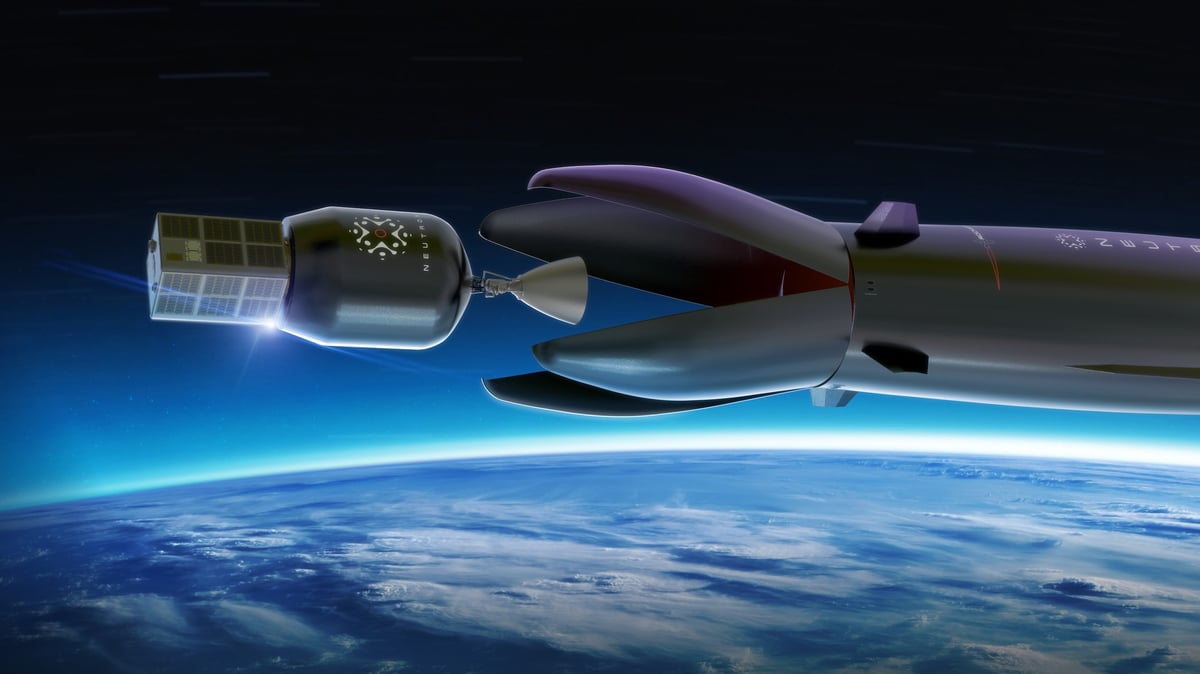
- Record Contract Size: Rocket Lab has signed the largest launch contract in its history, committing to launch five Neutron rockets and three Electron rockets over the next three years for an undisclosed customer, with an estimated contract value of around $220 million, significantly enhancing revenue potential.
- Backlog Surge: Driven by the new contract, Rocket Lab's total backlog has surpassed $2.2 billion, an increase of $350 million from the previous $1.85 billion, indicating strong market demand for its launch services.
- Competitive Pricing Advantage: The estimated price for a Neutron launch is $44 million, significantly lower than SpaceX's $74 million for a Falcon 9, demonstrating Rocket Lab's strategy to capture market share in the medium-lift launch sector through competitive pricing.
- Future Growth Potential: With increasing demand for Neutron rockets, Rocket Lab is likely to face a supply crunch, allowing it to raise prices in the future, which will enhance profitability and solidify its position in the space launch market.

Trump Upgrades Golden Dome Missile Defense Initiative


- Golden Dome Initiative Launched: President Trump’s Executive Order 14186, published on January 27, 2025, inaugurated the Golden Dome program aimed at constructing a next-generation missile defense system to deter any foreign aerial attacks, reflecting the U.S. strategic commitment to national defense.
- Massive Contract Value: The U.S. Space Force announced awarding $3.2 billion in defense contracts to 12 companies to develop space-based interceptors, which are expected to significantly enhance the country's missile defense capabilities by filling existing gaps in the system.
- Diverse Participation: The contract includes well-known defense firms like Lockheed Martin and Northrop Grumman, alongside emerging space technology companies such as Gitai and True Anomaly, showcasing the Space Force's strategy to attract both traditional and non-traditional vendors for this initiative.
- Investment Opportunities Arise: Lockheed Martin stands out with a price-to-earnings ratio of 15.8 and a projected earnings growth rate of 18.5%, making it a focal point for investors looking to capitalize on the Golden Dome initiative, as it is expected to benefit from future contracts and solidify its leadership in the defense market.

Emerging Investment Opportunities in Aerospace Industry

- Rocket Lab's Growth Potential: Rocket Lab has successfully launched its Electron rocket 87 times and plans to increase revenue from $602 million to $1.53 billion between 2025 and 2028, showcasing strong growth potential in the small payload market; despite a high P/E ratio of 40, it still holds considerable upside over the next 20 years.
- Diverse Customer Base: Rocket Lab's clientele includes prominent organizations such as NASA and the U.S. Space Force, and its reusable rocket technology has carved out a niche in the small payload market, enhancing its strategic position in the competitive aerospace industry.
- Joby Aviation's Innovative Design: Joby Aviation's S4 eVTOL aircraft features a single propeller design, achieving a maximum speed of 200 mph and a range of 150 miles on a single charge, with revenue expected to rise from $53 million to $458 million between 2025 and 2028, indicating significant potential in the electric vertical takeoff and landing market.
- Optimistic Market Outlook: The global eVTOL market is projected to grow at a CAGR of 36.8% from 2026 to 2034; although Joby's P/E ratio stands at 23, partnerships with major companies like Toyota and Delta Air Lines will drive its future commercial success, further solidifying its market position.

Rocket Lab Expands into Broader Commercial Space Services
- Strong Financial Performance: Rocket Lab reported Q1 revenue of $200.3 million, reflecting a 63.5% year-on-year growth that exceeded analyst expectations of $189.41 million, indicating a faster-than-expected move towards profitability with a projected $232.5 million in Q2 and its first $23 million EBITDA.
- New Launch System Progress: The completion of a key stage separation test for the Neutron rocket marks a significant milestone in validating one of the most complex elements of its design, positioning Rocket Lab for long-term expansion into medium-lift reusable launch services.
- Defense Market Opportunity: A new agreement with defense technology firm Anduril for multiple hypersonic test missions expands the application of Rocket Lab's HASTE launch system, highlighting the company's growth potential in military applications.
- Rising Market Demand: Executives noted increasing demand for high-cadence launches from government and defense customers, prompting Rocket Lab to actively expand its launch services and space infrastructure capabilities to meet this market trend.
Rocket Lab Reports Strong Q1 Earnings Amid SpaceX IPO Buzz
- Strong Earnings Performance: Rocket Lab reported Q1 revenue of $200.3 million, reflecting a 63.5% year-over-year increase and surpassing analyst expectations of $189.41 million, indicating robust growth potential in the aerospace market.
- Record Backlog: The company’s backlog exceeded $2 billion, driven by contracts for Electron, Haste, and Neutron, suggesting sustained strong demand for future launches and bolstering investor confidence in the company’s long-term prospects.
- Increased Stock Volatility: Despite Rocket Lab's stock jumping over 11% on Monday, it slid more than 4% on Tuesday after ARK Invest sold 23,237 shares, reflecting the market's heightened sensitivity to potential impacts from the SpaceX IPO.
- Optimistic Investor Sentiment: On Stocktwits, retail sentiment for RKLB was extremely bullish, with a 580% surge in message volume over 24 hours, indicating strong market confidence in Rocket Lab's future performance.
Rocket Lab Shares Surge 11.09% on Analyst Target Hikes
- Stock Surge: Rocket Lab (RKLB) shares rose 11.09% to close at $117.35, driven primarily by analyst price target hikes and a record first-quarter earnings beat, reflecting strong market confidence in its future growth prospects.
- Strong Performance: The company reported approximately $200 million in first-quarter revenue and guided for second-quarter revenue between $225 million and $240 million, indicating sustained demand in launch services and Space Systems, further bolstering investor confidence.
- Backlog Growth: Rocket Lab's backlog reached about $2.2 billion after adding 36 new launch contracts, showcasing the company's competitive position and future growth potential, particularly in enhancing satellite manufacturing capabilities.
- Acquisition Strategy: The planned acquisition of Motiv Space Systems will enhance Rocket Lab's satellite manufacturing capabilities, especially in robotics and precision mechanisms, which will help improve internal production efficiency and profit margins.
Rocket Lab Signs Largest Launch Contract in History
- Record Contract Size: Rocket Lab has signed the largest launch contract in its history, committing to launch five Neutron rockets and three Electron rockets over the next three years for an undisclosed customer, with an estimated contract value of around $220 million, significantly enhancing revenue potential.
- Backlog Surge: Driven by the new contract, Rocket Lab's total backlog has surpassed $2.2 billion, an increase of $350 million from the previous $1.85 billion, indicating strong market demand for its launch services.
- Competitive Pricing Advantage: The estimated price for a Neutron launch is $44 million, significantly lower than SpaceX's $74 million for a Falcon 9, demonstrating Rocket Lab's strategy to capture market share in the medium-lift launch sector through competitive pricing.
- Future Growth Potential: With increasing demand for Neutron rockets, Rocket Lab is likely to face a supply crunch, allowing it to raise prices in the future, which will enhance profitability and solidify its position in the space launch market.
Trump Upgrades Golden Dome Missile Defense Initiative
- Golden Dome Initiative Launched: President Trump’s Executive Order 14186, published on January 27, 2025, inaugurated the Golden Dome program aimed at constructing a next-generation missile defense system to deter any foreign aerial attacks, reflecting the U.S. strategic commitment to national defense.
- Massive Contract Value: The U.S. Space Force announced awarding $3.2 billion in defense contracts to 12 companies to develop space-based interceptors, which are expected to significantly enhance the country's missile defense capabilities by filling existing gaps in the system.
- Diverse Participation: The contract includes well-known defense firms like Lockheed Martin and Northrop Grumman, alongside emerging space technology companies such as Gitai and True Anomaly, showcasing the Space Force's strategy to attract both traditional and non-traditional vendors for this initiative.
- Investment Opportunities Arise: Lockheed Martin stands out with a price-to-earnings ratio of 15.8 and a projected earnings growth rate of 18.5%, making it a focal point for investors looking to capitalize on the Golden Dome initiative, as it is expected to benefit from future contracts and solidify its leadership in the defense market.
Emerging Investment Opportunities in Aerospace Industry
- Rocket Lab's Growth Potential: Rocket Lab has successfully launched its Electron rocket 87 times and plans to increase revenue from $602 million to $1.53 billion between 2025 and 2028, showcasing strong growth potential in the small payload market; despite a high P/E ratio of 40, it still holds considerable upside over the next 20 years.
- Diverse Customer Base: Rocket Lab's clientele includes prominent organizations such as NASA and the U.S. Space Force, and its reusable rocket technology has carved out a niche in the small payload market, enhancing its strategic position in the competitive aerospace industry.
- Joby Aviation's Innovative Design: Joby Aviation's S4 eVTOL aircraft features a single propeller design, achieving a maximum speed of 200 mph and a range of 150 miles on a single charge, with revenue expected to rise from $53 million to $458 million between 2025 and 2028, indicating significant potential in the electric vertical takeoff and landing market.
- Optimistic Market Outlook: The global eVTOL market is projected to grow at a CAGR of 36.8% from 2026 to 2034; although Joby's P/E ratio stands at 23, partnerships with major companies like Toyota and Delta Air Lines will drive its future commercial success, further solidifying its market position.
Rocket Lab Expands into Broader Commercial Space Services
- Strong Financial Performance: Rocket Lab reported Q1 revenue of $200.3 million, reflecting a 63.5% year-on-year growth that exceeded analyst expectations of $189.41 million, indicating a faster-than-expected move towards profitability with a projected $232.5 million in Q2 and its first $23 million EBITDA.
- New Launch System Progress: The completion of a key stage separation test for the Neutron rocket marks a significant milestone in validating one of the most complex elements of its design, positioning Rocket Lab for long-term expansion into medium-lift reusable launch services.
- Defense Market Opportunity: A new agreement with defense technology firm Anduril for multiple hypersonic test missions expands the application of Rocket Lab's HASTE launch system, highlighting the company's growth potential in military applications.
- Rising Market Demand: Executives noted increasing demand for high-cadence launches from government and defense customers, prompting Rocket Lab to actively expand its launch services and space infrastructure capabilities to meet this market trend.