Rivian Begins R2 Validation Production Units Ahead of 2026 Launch

Rivian Automotive Inc. shares fell 3.02% as the stock hit a 20-day low amid broader market gains in the Nasdaq-100 and S&P 500.
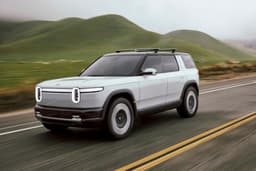
Rivian has officially begun rolling out R2 validation units from its Illinois factory, marking a critical phase in preparation for mainstream production in 2026. This move is expected to significantly enhance the company's competitiveness in the EV market. Additionally, Rivian's decision to pull production ahead and delay the Georgia factory has saved over $2.25 billion, laying a solid foundation for the company's future financial health.
The launch of the R2 model, designed for a lower cost and higher volume, is anticipated to open doors to a much larger addressable market beyond the premium price points of the R1S and R1T. However, the profitability of the R2 will have a significant impact on future stock performance, necessitating close monitoring of its effects on gross margins.
Trade with 70% Backtested Accuracy
Analyst Views on RIVN

About RIVN
About the author

Rivian Sees Largest Increase Since IPO Following Q4 2025 Earnings Report
Rivian's Stock Performance: Rivian Automotive saw a significant stock price increase of nearly 27% on February 13, marking its largest single-day gain since its IPO, although it remains over 75% down from its IPO price of $78.
Financial Results: The company reported a revenue of $1.29 billion for Q4 2025, a 26% year-over-year decrease, but managed to beat expectations with a lower adjusted loss per share of 54 cents.
Future Projections: Rivian is on track to launch its next-generation R2 vehicle by Q2 2026, with expectations to deliver 64,500 vehicles across all models, representing a 53% increase from 2025.
Analyst Sentiment: Following the latest earnings report, analysts have shown optimism towards Rivian, with several upgrading their ratings and price targets, reflecting a positive outlook despite concerns about the sustainability of recent gains.
Rivian's R2 Electric Vehicle Launch Signals Positive Outlook
- R2 Fleet Launch: Rivian is set to deliver its R2 electric vehicle fleet in Q2 2026, starting at $45,000, which is a significant reduction from the $75,000-plus price of its other models, transitioning the brand from luxury to mass market and testing consumer appetite for electric SUVs.
- Significant Delivery Increase: In 2025, Rivian delivered 42,247 vehicles, with projections for 2026 deliveries to reach between 62,000 and 67,000, indicating that the R2 fleet is expected to drive substantial sales growth despite a general slowdown in electric vehicle sales.
- Strengthened Financial Position with Volkswagen: Rivian's partnership with Volkswagen has bolstered its financials, achieving $576 million in gross profit from software and services in 2025, leading to an overall gross profit of $144 million, although the automotive segment still reported a loss of $432 million, significantly down from a $1.2 billion loss in 2024.
- Market Volatility and Execution Risks: As of February 13, Rivian's stock has dropped over 10% year-to-date and remains volatile with a beta of 1.77; despite execution risks due to supply chain issues, CEO Scaringe noted that the company has learned to navigate these challenges, and if the R2 fleet meets expectations, clearer paths lie ahead for Rivian.
Rivian Projects Significant Delivery Increase in 2026
- Delivery Projections: Rivian anticipates vehicle deliveries will reach between 62,000 and 67,000 in 2026, a significant increase from 42,247 in 2025, indicating strong sales potential following the launch of its new R2 electric vehicle lineup.
- Profitability Improvement: In 2025, Rivian achieved a gross profit of $144 million through its joint venture with Volkswagen, despite an automotive segment loss of $432 million, which is a substantial reduction from the $1.2 billion loss in 2024, reflecting progress in profitability.
- Market Position Shift: The R2 fleet starts at $45,000, a considerable drop from over $75,000 for other models, transitioning Rivian from a luxury brand to the mass market, thereby testing consumer appetite for electric SUVs.
- Supply Chain Challenges: While Rivian prepares for the R2 launch, CEO Scaringe highlighted ongoing supply chain issues as execution risks; however, the company has gained valuable experience in navigating these challenges, suggesting a positive outlook ahead.
Tesla Faces Union Lawsuit and Safety Concerns

- Union Legal Battle Escalates: The German metalworkers' union IG Metall has filed a criminal defamation complaint against the manager of Tesla's Berlin factory, accusing him of spreading false claims related to a works-council meeting, potentially increasing legal risks for Tesla's operations in Europe.
- Robotaxi Safety Record Deteriorates: New reports in the U.S. indicate that Tesla's Robotaxi fleet experienced five additional crashes in January 2026, bringing the total to 14, with an accident frequency of one crash every 57,000 miles, significantly worse than the rate Tesla claims for human drivers, which could undermine consumer confidence.
- Brand Strategy Under Scrutiny: Investor Ross Gerber criticized Tesla's brand image as having turned
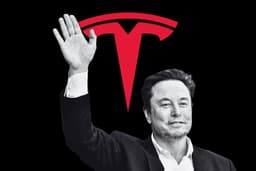
Tesla's Brand Value Significantly Declines Amid Leadership Shift
- Brand Value Decline: Investor Ross Gerber stated that Tesla's brand value has deteriorated to a negative level, indicating a significant impact on brand image as CEO Elon Musk pivots towards autonomy and robotics, which may lead to decreased investor confidence.
- Investor Concerns: Multiple investors, including ARK Invest's Cathie Wood, have expressed worries about the decline in Tesla's brand image, attributing the negative impact to Musk's political ventures, which could affect future sales and market share.
- Rivian's Rise: Gerber hailed Rivian as the leader in U.S. EVs, with its upcoming R2 Crossover SUV expected to be priced around $45,000 for the base model, highlighting the growing attention on emerging EV brands that may pose competitive pressure on Tesla.
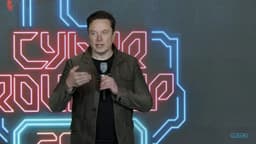
- Cybercab Production Plans: Tesla's Cybercab is set to begin production in April, with Musk confirming a radical change in its manufacturing process, indicating the company's ongoing innovation and adaptability in the electric vehicle sector.
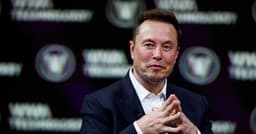
Morgan Stanley Reshuffles EV Portfolio Amid Market Volatility

- Nio Stake Reduction: Morgan Stanley cut its Nio stake by approximately 6% in Q4, ending with about 15.3 million shares valued near $75 million, reflecting a cautious approach amid market volatility following new SUV launches.
- Tesla Continued Trim: The firm reduced its Tesla holdings for the third consecutive quarter, finishing with roughly 35.8 million shares, the lowest since 2023, despite maintaining a value exceeding $14 billion, indicating a cautious outlook on future growth.
- Rivian Stake Increase: Morgan Stanley boosted its Rivian stake by nearly 47% in Q4, raising holdings to about 12.2 million shares, signaling renewed confidence ahead of the R2 mid-size SUV launch and a strategic shift in investment focus.
- Market Sentiment Shift: Retail sentiment on social media showed Nio as ‘bearish’, Tesla as ‘bullish’, while Rivian garnered ‘extremely bullish’ sentiment, indicating investor optimism about its future performance amidst changing market dynamics.
Rivian Sees Largest Increase Since IPO Following Q4 2025 Earnings Report
Rivian's Stock Performance: Rivian Automotive saw a significant stock price increase of nearly 27% on February 13, marking its largest single-day gain since its IPO, although it remains over 75% down from its IPO price of $78.
Financial Results: The company reported a revenue of $1.29 billion for Q4 2025, a 26% year-over-year decrease, but managed to beat expectations with a lower adjusted loss per share of 54 cents.
Future Projections: Rivian is on track to launch its next-generation R2 vehicle by Q2 2026, with expectations to deliver 64,500 vehicles across all models, representing a 53% increase from 2025.
Analyst Sentiment: Following the latest earnings report, analysts have shown optimism towards Rivian, with several upgrading their ratings and price targets, reflecting a positive outlook despite concerns about the sustainability of recent gains.
Rivian's R2 Electric Vehicle Launch Signals Positive Outlook
- R2 Fleet Launch: Rivian is set to deliver its R2 electric vehicle fleet in Q2 2026, starting at $45,000, which is a significant reduction from the $75,000-plus price of its other models, transitioning the brand from luxury to mass market and testing consumer appetite for electric SUVs.
- Significant Delivery Increase: In 2025, Rivian delivered 42,247 vehicles, with projections for 2026 deliveries to reach between 62,000 and 67,000, indicating that the R2 fleet is expected to drive substantial sales growth despite a general slowdown in electric vehicle sales.
- Strengthened Financial Position with Volkswagen: Rivian's partnership with Volkswagen has bolstered its financials, achieving $576 million in gross profit from software and services in 2025, leading to an overall gross profit of $144 million, although the automotive segment still reported a loss of $432 million, significantly down from a $1.2 billion loss in 2024.
- Market Volatility and Execution Risks: As of February 13, Rivian's stock has dropped over 10% year-to-date and remains volatile with a beta of 1.77; despite execution risks due to supply chain issues, CEO Scaringe noted that the company has learned to navigate these challenges, and if the R2 fleet meets expectations, clearer paths lie ahead for Rivian.
Rivian Projects Significant Delivery Increase in 2026
- Delivery Projections: Rivian anticipates vehicle deliveries will reach between 62,000 and 67,000 in 2026, a significant increase from 42,247 in 2025, indicating strong sales potential following the launch of its new R2 electric vehicle lineup.
- Profitability Improvement: In 2025, Rivian achieved a gross profit of $144 million through its joint venture with Volkswagen, despite an automotive segment loss of $432 million, which is a substantial reduction from the $1.2 billion loss in 2024, reflecting progress in profitability.
- Market Position Shift: The R2 fleet starts at $45,000, a considerable drop from over $75,000 for other models, transitioning Rivian from a luxury brand to the mass market, thereby testing consumer appetite for electric SUVs.
- Supply Chain Challenges: While Rivian prepares for the R2 launch, CEO Scaringe highlighted ongoing supply chain issues as execution risks; however, the company has gained valuable experience in navigating these challenges, suggesting a positive outlook ahead.
Tesla Faces Union Lawsuit and Safety Concerns
- Union Legal Battle Escalates: The German metalworkers' union IG Metall has filed a criminal defamation complaint against the manager of Tesla's Berlin factory, accusing him of spreading false claims related to a works-council meeting, potentially increasing legal risks for Tesla's operations in Europe.
- Robotaxi Safety Record Deteriorates: New reports in the U.S. indicate that Tesla's Robotaxi fleet experienced five additional crashes in January 2026, bringing the total to 14, with an accident frequency of one crash every 57,000 miles, significantly worse than the rate Tesla claims for human drivers, which could undermine consumer confidence.
- Brand Strategy Under Scrutiny: Investor Ross Gerber criticized Tesla's brand image as having turned
Tesla's Brand Value Significantly Declines Amid Leadership Shift
- Brand Value Decline: Investor Ross Gerber stated that Tesla's brand value has deteriorated to a negative level, indicating a significant impact on brand image as CEO Elon Musk pivots towards autonomy and robotics, which may lead to decreased investor confidence.
- Investor Concerns: Multiple investors, including ARK Invest's Cathie Wood, have expressed worries about the decline in Tesla's brand image, attributing the negative impact to Musk's political ventures, which could affect future sales and market share.
- Rivian's Rise: Gerber hailed Rivian as the leader in U.S. EVs, with its upcoming R2 Crossover SUV expected to be priced around $45,000 for the base model, highlighting the growing attention on emerging EV brands that may pose competitive pressure on Tesla.
- Cybercab Production Plans: Tesla's Cybercab is set to begin production in April, with Musk confirming a radical change in its manufacturing process, indicating the company's ongoing innovation and adaptability in the electric vehicle sector.
Morgan Stanley Reshuffles EV Portfolio Amid Market Volatility
- Nio Stake Reduction: Morgan Stanley cut its Nio stake by approximately 6% in Q4, ending with about 15.3 million shares valued near $75 million, reflecting a cautious approach amid market volatility following new SUV launches.
- Tesla Continued Trim: The firm reduced its Tesla holdings for the third consecutive quarter, finishing with roughly 35.8 million shares, the lowest since 2023, despite maintaining a value exceeding $14 billion, indicating a cautious outlook on future growth.
- Rivian Stake Increase: Morgan Stanley boosted its Rivian stake by nearly 47% in Q4, raising holdings to about 12.2 million shares, signaling renewed confidence ahead of the R2 mid-size SUV launch and a strategic shift in investment focus.
- Market Sentiment Shift: Retail sentiment on social media showed Nio as ‘bearish’, Tesla as ‘bullish’, while Rivian garnered ‘extremely bullish’ sentiment, indicating investor optimism about its future performance amidst changing market dynamics.