Petrobras Acquires Petronas' Stake for $450M, Strengthening Market Position

Petrobras' stock fell by 5.01% as it crossed below the 5-day SMA amid a broader market decline, with the Nasdaq-100 down 1.26% and the S&P 500 down 1.11%.
The company announced it will acquire Petronas' 50% stake in the Tartaruga Verde field and Module III of the Espadarte field for $450 million. This acquisition will restore Petrobras to 100% ownership of these offshore fields, enhancing its operational control and production capacity, which currently stands at around 55,000 barrels per day. The deal is structured through staged payments, with $50 million due upon signing and $350 million at closing, alongside two deferred payments of $25 million each.
This strategic acquisition not only strengthens Petrobras' asset portfolio but also positions the company for improved production efficiency and resource allocation, reinforcing its competitive edge in the global energy market.
Trade with 70% Backtested Accuracy
Analyst Views on PBR

About PBR
About the author


Petrobras Q1 2026 Net Profit Declines 7.2%
- Profit Decline: Petrobras reported a net profit of 32.7 billion reais for Q1 2026, reflecting a 7.2% decline compared to the previous year, indicating challenges in maintaining profitability amid market fluctuations.
- Revenue Growth: Despite the profit drop, the company's sales revenue in US dollars rose by 11.7% to $23.5 billion, demonstrating strong performance in international markets.
- Strong Cash Flow: The company reported operating cash flow of $8.4 billion and free cash flow of $3.9 billion, indicating robust cash generation capabilities while continuing to invest in production growth.
- Increased Production Capacity: Petrobras achieved a 3.7% increase in oil and gas production in Q1, with the startup of the P-79 FPSO unit expected to enhance Brazil's gas supply capacity, thereby strengthening its market competitiveness.

Petrobras Q1 Revenue Misses Expectations Amid Export Challenges
- Revenue Shortfall: Petrobras reported Q1 revenue of $23.54 billion, missing expectations by $3.07 billion, indicating a pessimistic market outlook regarding its financial performance.
- Adjusted EBITDA: The company delivered an adjusted EBITDA of $11.7 billion in Q1, reflecting operational stability, yet falling short of market expectations, which may impact investor confidence.
- Net Income Decline: Net income for Q1 stood at $4.5 billion, a 4.5% decrease compared to Q4 2025, suggesting that despite increased production, reduced exports negatively affected overall performance.
- Export Outlook: With an ongoing export balance of 81 Mbpd, the rise in oil prices due to the Middle East conflict is expected to positively influence Q2 exports, potentially creating new growth opportunities for the company.

TRUMP: POSITIVE DISCUSSIONS ON IRAN OVER THE PAST DAY


- Trump's Recent Talks: Donald Trump has engaged in discussions regarding Iran over the past 24 hours.
- Focus on Iran: The conversations have been characterized as very positive, indicating a potential shift in diplomatic relations.

Foreign Energy Stocks Show Strong Quant Ratings
- Strong Quant Ratings: Among foreign energy stocks, eight top companies have received Strong Buy ratings, with Petrobras (PBR) leading at a near-perfect Quant score of 4.97, showcasing its exceptional valuation and profitability metrics, thereby solidifying its position as a top large-cap energy stock globally.
- European Energy Giants: Eni (E) and Neste (NTOIY) follow closely with Quant scores of 4.93 and 4.92, respectively, reflecting strong cash generation and attractive dividend yields at current oil prices, indicating their sustained competitiveness in the market.
- Shipping Market Supports Earnings: Tanker companies like Frontline (FRO), Okeanis Eco Tankers (ECO), and DHT Holdings (DHT) boast Quant scores above 4.81, demonstrating their profitability in a tight crude shipping market, which further boosts investor confidence in these firms.
- Impact of Quant Rating System: Seeking Alpha's Quant Rating system evaluates stocks based on key metrics such as valuation, growth, stock momentum, and profitability, with scores above 3.5 considered bullish, illustrating that even within a broadly optimistic foreign energy sector, scale and transition-related spending can still weigh on some companies' performance.

New FPSO Projects in Brazil Set to Launch Between 2026 and 2030
- Growing Energy Demand: Brazil is set to launch new Floating Production, Storage and Offloading (FPSO) systems between 2026 and 2030 to meet increasing energy demands, which is expected to significantly enhance the country's oil and gas production capacity and contribute to global supply.
- Technological Partnership: SES will provide Petrobras with its O3b mPOWER high-capacity medium-Earth orbit satellite network service to ensure efficient connectivity for the new FPSO systems, thereby improving operational efficiency and data processing capabilities to support digital transformation.
- Market Leadership: As one of the largest FPSO operators globally, Petrobras's choice of SES's O3b mPOWER system underscores its leadership in new offshore projects and reflects the growing demand for high-performance communication solutions in the energy sector.
- Digital Transformation Drive: With the acceleration of digitalization in Brazil's energy sector, the demand for high-capacity connectivity continues to rise, and the ability to process real-time information quickly will lead to significant efficiency gains in the offshore oil and gas industry, further promoting sustainable development.
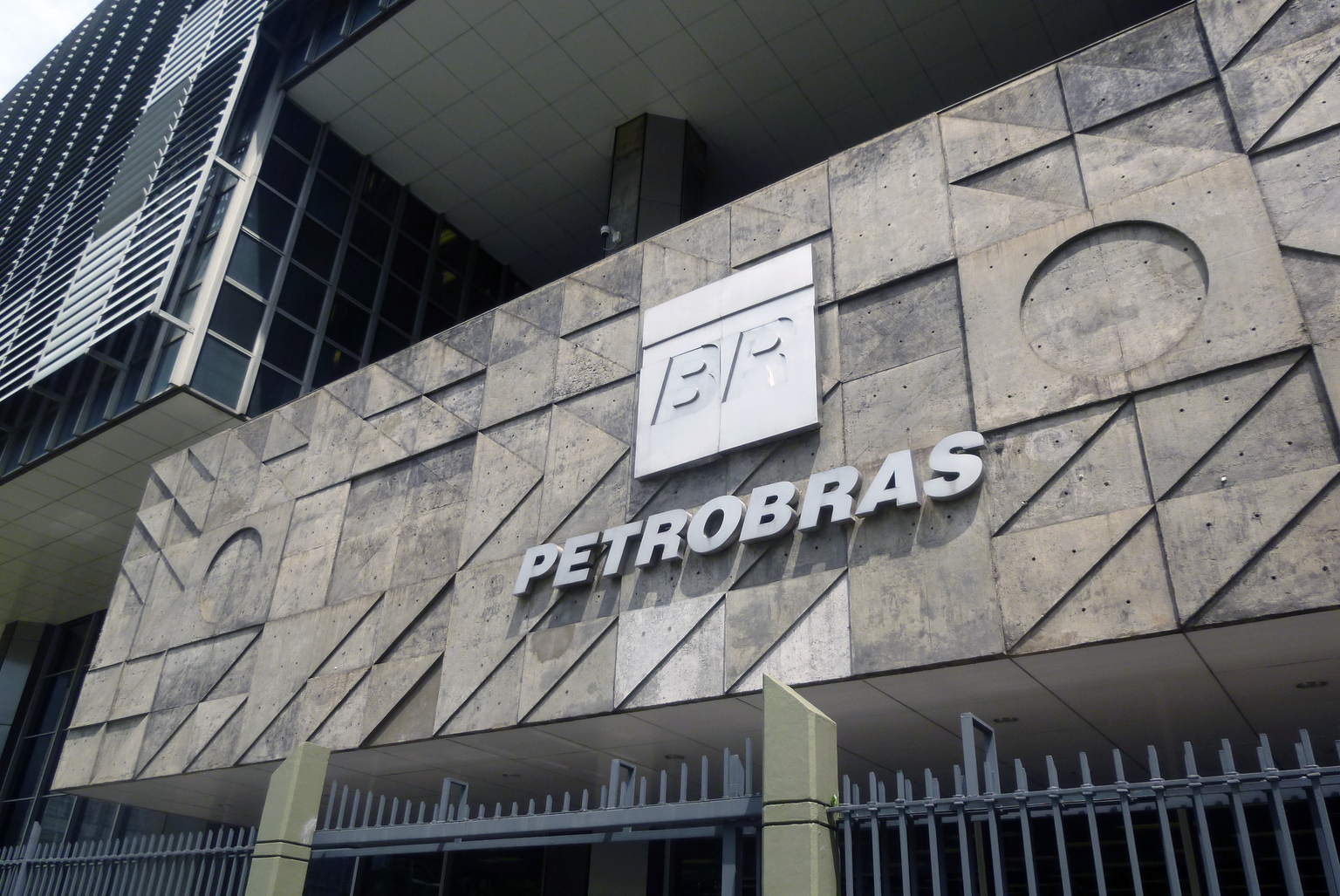
Petrobras Reports Record Oil and Gas Output in Q1
- Record Production: Petrobras reported a total production of oil, natural gas liquids, and gas reaching 3.23 million barrels of oil equivalent per day in Q1, reflecting a 16% year-over-year increase and a 3.7% rise from the previous quarter, driven by robust growth in its pre-salt fields and improved refining performance.
- Operational Milestones: The company's total operated production hit 4.65 million boe/d, with output from pre-salt reserves exceeding 4 million boe/d, reinforcing its leadership position in the global energy market amid rising demand.
- Strengthened Downstream Performance: Refining production increased by 6.7% to approximately 1.816 million barrels per day, with refinery utilization reaching 95% during the quarter, indicating significant operational efficiency improvements in its downstream business.
- Geopolitical Context: The record performance occurs against a backdrop of heightened geopolitical tensions, particularly the conflict involving Iran disrupting global crude flows and tightening supply, highlighting Petrobras's resilience and strategic significance in a volatile market.
Petrobras Q1 2026 Net Profit Declines 7.2%
- Profit Decline: Petrobras reported a net profit of 32.7 billion reais for Q1 2026, reflecting a 7.2% decline compared to the previous year, indicating challenges in maintaining profitability amid market fluctuations.
- Revenue Growth: Despite the profit drop, the company's sales revenue in US dollars rose by 11.7% to $23.5 billion, demonstrating strong performance in international markets.
- Strong Cash Flow: The company reported operating cash flow of $8.4 billion and free cash flow of $3.9 billion, indicating robust cash generation capabilities while continuing to invest in production growth.
- Increased Production Capacity: Petrobras achieved a 3.7% increase in oil and gas production in Q1, with the startup of the P-79 FPSO unit expected to enhance Brazil's gas supply capacity, thereby strengthening its market competitiveness.
Petrobras Q1 Revenue Misses Expectations Amid Export Challenges
- Revenue Shortfall: Petrobras reported Q1 revenue of $23.54 billion, missing expectations by $3.07 billion, indicating a pessimistic market outlook regarding its financial performance.
- Adjusted EBITDA: The company delivered an adjusted EBITDA of $11.7 billion in Q1, reflecting operational stability, yet falling short of market expectations, which may impact investor confidence.
- Net Income Decline: Net income for Q1 stood at $4.5 billion, a 4.5% decrease compared to Q4 2025, suggesting that despite increased production, reduced exports negatively affected overall performance.
- Export Outlook: With an ongoing export balance of 81 Mbpd, the rise in oil prices due to the Middle East conflict is expected to positively influence Q2 exports, potentially creating new growth opportunities for the company.
TRUMP: POSITIVE DISCUSSIONS ON IRAN OVER THE PAST DAY
- Trump's Recent Talks: Donald Trump has engaged in discussions regarding Iran over the past 24 hours.
- Focus on Iran: The conversations have been characterized as very positive, indicating a potential shift in diplomatic relations.
Foreign Energy Stocks Show Strong Quant Ratings
- Strong Quant Ratings: Among foreign energy stocks, eight top companies have received Strong Buy ratings, with Petrobras (PBR) leading at a near-perfect Quant score of 4.97, showcasing its exceptional valuation and profitability metrics, thereby solidifying its position as a top large-cap energy stock globally.
- European Energy Giants: Eni (E) and Neste (NTOIY) follow closely with Quant scores of 4.93 and 4.92, respectively, reflecting strong cash generation and attractive dividend yields at current oil prices, indicating their sustained competitiveness in the market.
- Shipping Market Supports Earnings: Tanker companies like Frontline (FRO), Okeanis Eco Tankers (ECO), and DHT Holdings (DHT) boast Quant scores above 4.81, demonstrating their profitability in a tight crude shipping market, which further boosts investor confidence in these firms.
- Impact of Quant Rating System: Seeking Alpha's Quant Rating system evaluates stocks based on key metrics such as valuation, growth, stock momentum, and profitability, with scores above 3.5 considered bullish, illustrating that even within a broadly optimistic foreign energy sector, scale and transition-related spending can still weigh on some companies' performance.
New FPSO Projects in Brazil Set to Launch Between 2026 and 2030
- Growing Energy Demand: Brazil is set to launch new Floating Production, Storage and Offloading (FPSO) systems between 2026 and 2030 to meet increasing energy demands, which is expected to significantly enhance the country's oil and gas production capacity and contribute to global supply.
- Technological Partnership: SES will provide Petrobras with its O3b mPOWER high-capacity medium-Earth orbit satellite network service to ensure efficient connectivity for the new FPSO systems, thereby improving operational efficiency and data processing capabilities to support digital transformation.
- Market Leadership: As one of the largest FPSO operators globally, Petrobras's choice of SES's O3b mPOWER system underscores its leadership in new offshore projects and reflects the growing demand for high-performance communication solutions in the energy sector.
- Digital Transformation Drive: With the acceleration of digitalization in Brazil's energy sector, the demand for high-capacity connectivity continues to rise, and the ability to process real-time information quickly will lead to significant efficiency gains in the offshore oil and gas industry, further promoting sustainable development.
Petrobras Reports Record Oil and Gas Output in Q1
- Record Production: Petrobras reported a total production of oil, natural gas liquids, and gas reaching 3.23 million barrels of oil equivalent per day in Q1, reflecting a 16% year-over-year increase and a 3.7% rise from the previous quarter, driven by robust growth in its pre-salt fields and improved refining performance.
- Operational Milestones: The company's total operated production hit 4.65 million boe/d, with output from pre-salt reserves exceeding 4 million boe/d, reinforcing its leadership position in the global energy market amid rising demand.
- Strengthened Downstream Performance: Refining production increased by 6.7% to approximately 1.816 million barrels per day, with refinery utilization reaching 95% during the quarter, indicating significant operational efficiency improvements in its downstream business.
- Geopolitical Context: The record performance occurs against a backdrop of heightened geopolitical tensions, particularly the conflict involving Iran disrupting global crude flows and tightening supply, highlighting Petrobras's resilience and strategic significance in a volatile market.