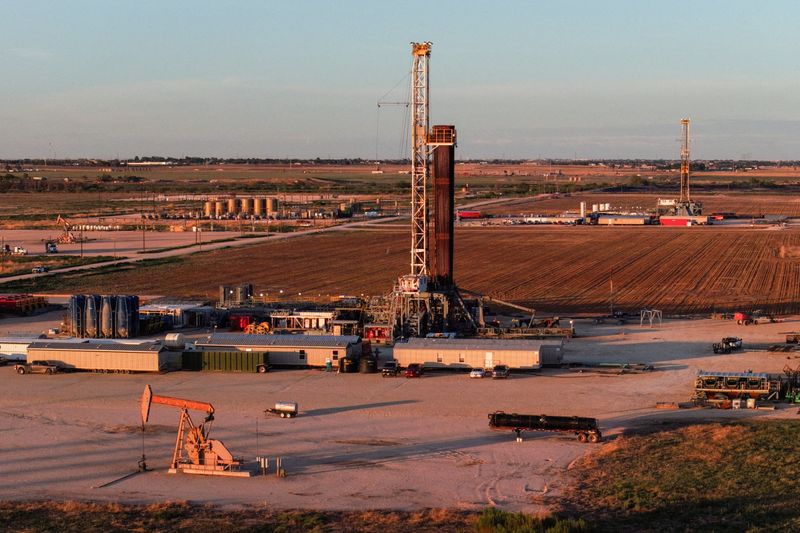
NuScale Power Faces Market Challenges Amid Regulatory Approval

NuScale Power Corp's stock has dropped 7.35% as it crosses below the 5-day SMA, reflecting ongoing market challenges.
Despite having the first NRC-approved design for small modular reactors (SMRs), NuScale Power's stock has fallen nearly 70% over the past six months, indicating a lack of market confidence. The company has yet to finalize its first reactor sale, which is crucial for its growth, and faces high project costs that may deter potential customers. This situation highlights the risks associated with investing in a startup reliant on the acceptance of SMRs in the market.
The implications for NuScale Power are significant, as the company must navigate these challenges to regain investor confidence and secure future contracts. The market's perception of its growth potential remains cautious, and the company needs to demonstrate its ability to convert regulatory approvals into tangible sales.
Trade with 70% Backtested Accuracy
Analyst Views on SMR

About SMR
About the author


NuScale Power: The Future of Small Modular Reactors
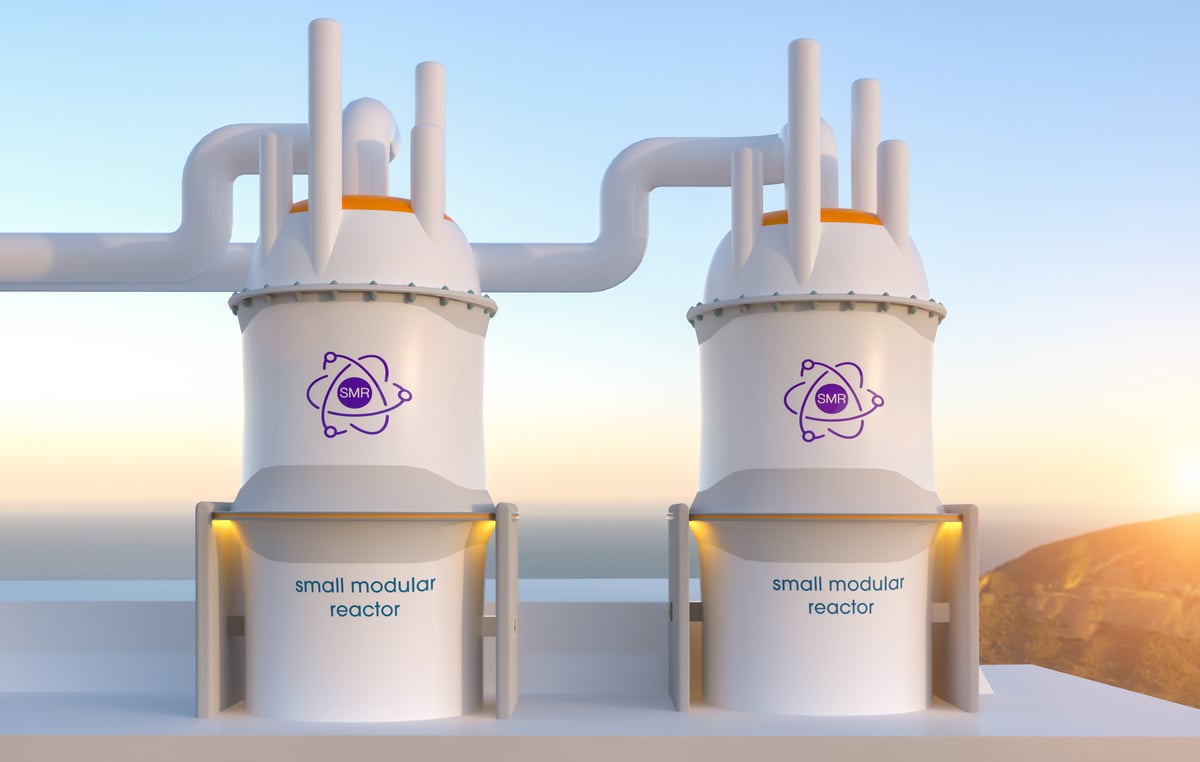
- Massive Market Opportunity: As a pioneer in small modular reactors (SMRs), NuScale Power is positioned to tap into a potential $10 trillion market, particularly as the U.S. power grid requires urgent upgrades, with Gartner predicting that 40% of AI data centers may face operational constraints due to power shortages by next year.
- Clear Technological Advantage: NuScale's SMR can produce 77 megawatts of power, scaling up to 924 megawatts in a 12-module plant, and its compact design allows for installation on retired coal plants or near industrial sites, expected to be faster and cheaper than traditional nuclear plants.
- Regulatory Approval Ahead: While several U.S. companies are still seeking regulatory approval for advanced reactor designs, NuScale has already secured the NRC's approval for two designs, ensuring its leading position in the nuclear energy renaissance.
- Revenue Growth Potential: Revenue is projected to grow by over 900% in the next two years, and successful deployment of projects in the U.S. and Romania could not only mark its first commercial SMR deployment but also alleviate customer hesitance towards new technology, enhancing the company's long-term profitability.
Three Growth Stocks Targeting Trillion-Dollar Markets

- Robotaxi Market Potential: Ark Invest CEO Cathie Wood predicts that the robotaxi market could reach a staggering $10 trillion globally, with Tesla expected to dominate due to its capital access and infrastructure, while Rivian, with its smaller market cap and a $1.25 billion order from Uber, shows greater upside potential.
- Nuclear Energy Opportunity: Analysts at Bank of America believe that the nuclear energy market could also reach $10 trillion, particularly with the commercialization of small modular reactor (SMR) technology, which offers enhanced safety and lower carbon emissions; NuScale Power is the only company approved to build SMRs in the U.S., positioning it at the forefront of this market.
- SpaceX IPO Outlook: SpaceX is expected to go public next month with a valuation between $1.5 trillion and $2 trillion, aiming to raise up to $75 billion, which will create trillion-dollar opportunities in global satellite communication and space data centers, although detailed financials are still pending.
- High-Risk, High-Reward Investment: With a market cap of less than $5 billion, NuScale Power presents a high-risk, high-reward investment opportunity despite facing project cancellations, especially in the context of surging electricity demand, making it a compelling choice for investors seeking growth in the energy sector.

Cameco Predicts Uranium Supply Shortage by 2030s

- Growing Nuclear Demand: Cameco estimates that with 72 new reactors under construction and older ones being restarted, nuclear power demand will surge in the 2030s, potentially leading to uranium supply shortages that could drive prices up and enhance the company's profits.
- Potential of Small Modular Reactors: NuScale and Oklo are developing small modular reactors, and while neither has connected a reactor to the grid yet, successful technology deployment could provide long-term growth opportunities for both companies, despite their current financial losses.
- Cameco's Market Position: As a reliable global supplier of nuclear fuel, Cameco's stock has surged over 300% in the past three years, reflecting its strong performance in the nuclear market, with expectations of benefiting from rising uranium prices in the future.
- Brookfield's Steady Income: Brookfield Renewable Partners, through its 50% stake in Westinghouse, generates consistent cash flow that supports a 4.5% dividend yield, making it an ideal choice for conservative investors, especially amid rising nuclear energy demand.

Nuclear Demand Surge: Positive Outlook for Cameco
- Growing Nuclear Demand: Cameco estimates that nuclear power demand will surge by the 2030s, with 72 new reactors under construction and older ones being restarted or having their lifespans extended, leading to a projected uranium supply shortage that will boost prices and enhance company profits.
- Diverse Investment Options: For conservative investors, Cameco and Brookfield Renewable are ideal choices for entering the nuclear sector, while more aggressive investors may prefer NuScale and Oklo, despite the latter's lack of commercial reactors and high-risk profile.
- Synergistic Benefits from Westinghouse: Cameco owns 50% of Westinghouse, which designs and builds reactors, providing a stable revenue stream that smooths out Cameco's financial results, while Brookfield Renewable benefits from the cash flow generated by this partnership.
- Nuclear Renaissance Driven by Power Demand: Factors such as electric vehicles, artificial intelligence, and data centers are increasing electricity demand, positioning nuclear energy as a viable solution, with Cameco and Brookfield Renewable offering relatively low-risk investment opportunities as established players in the industry.

Nuclear Power Industry Outlook and Investment Opportunities
- Growing Nuclear Demand: Cameco estimates that nuclear power demand will surge in the 2030s, leading to uranium supply shortages, with 72 new reactors currently under construction and older ones being restarted or having their lifespans extended, thus revitalizing the nuclear sector.
- Potential of Small Modular Reactors: NuScale and Oklo are developing small modular reactors, and while neither has connected to the grid and both are currently losing money, successful technology adoption could provide long-term growth opportunities, albeit with significant risks.
- Cameco's Market Advantage: As a uranium fuel producer, Cameco anticipates rising uranium prices due to supply-demand dynamics, which would significantly boost its profits, and its long-standing history in the industry positions it as a reliable fuel supplier to nuclear power plants.
- Conservative Investment Option: For risk-averse investors, Brookfield Renewable offers a lower-risk income option, benefiting from stable cash flow through its 50% stake in Westinghouse, making it suitable for those seeking dividends.

NuScale Power Stock Experiences Significant Volatility

- Stock Price Volatility: NuScale Power's stock peaked at $57.42 last year but has since plummeted by as much as 82%, currently trading around $12, reflecting market concerns about its future viability.
- Historical Recovery Potential: A Morgan Stanley study found that 49% of stocks experiencing an 80% to 85% drawdown managed to recover to previous peaks, averaging 4.2 years for recovery, offering a glimmer of hope for NuScale investors, albeit with significant risk.
- Industry Risk Warning: The study highlights that if NuScale were to face bankruptcy, the historical recovery patterns would not apply, necessitating careful assessment of its financial health by investors.
- Technological Development Outlook: Although small modular reactors can be deployed faster than traditional nuclear reactors, the process still takes about seven years, posing execution risks; however, the potential market returns may appeal to risk-tolerant investors.
NuScale Power: The Future of Small Modular Reactors
- Massive Market Opportunity: As a pioneer in small modular reactors (SMRs), NuScale Power is positioned to tap into a potential $10 trillion market, particularly as the U.S. power grid requires urgent upgrades, with Gartner predicting that 40% of AI data centers may face operational constraints due to power shortages by next year.
- Clear Technological Advantage: NuScale's SMR can produce 77 megawatts of power, scaling up to 924 megawatts in a 12-module plant, and its compact design allows for installation on retired coal plants or near industrial sites, expected to be faster and cheaper than traditional nuclear plants.
- Regulatory Approval Ahead: While several U.S. companies are still seeking regulatory approval for advanced reactor designs, NuScale has already secured the NRC's approval for two designs, ensuring its leading position in the nuclear energy renaissance.
- Revenue Growth Potential: Revenue is projected to grow by over 900% in the next two years, and successful deployment of projects in the U.S. and Romania could not only mark its first commercial SMR deployment but also alleviate customer hesitance towards new technology, enhancing the company's long-term profitability.
Three Growth Stocks Targeting Trillion-Dollar Markets
- Robotaxi Market Potential: Ark Invest CEO Cathie Wood predicts that the robotaxi market could reach a staggering $10 trillion globally, with Tesla expected to dominate due to its capital access and infrastructure, while Rivian, with its smaller market cap and a $1.25 billion order from Uber, shows greater upside potential.
- Nuclear Energy Opportunity: Analysts at Bank of America believe that the nuclear energy market could also reach $10 trillion, particularly with the commercialization of small modular reactor (SMR) technology, which offers enhanced safety and lower carbon emissions; NuScale Power is the only company approved to build SMRs in the U.S., positioning it at the forefront of this market.
- SpaceX IPO Outlook: SpaceX is expected to go public next month with a valuation between $1.5 trillion and $2 trillion, aiming to raise up to $75 billion, which will create trillion-dollar opportunities in global satellite communication and space data centers, although detailed financials are still pending.
- High-Risk, High-Reward Investment: With a market cap of less than $5 billion, NuScale Power presents a high-risk, high-reward investment opportunity despite facing project cancellations, especially in the context of surging electricity demand, making it a compelling choice for investors seeking growth in the energy sector.
Cameco Predicts Uranium Supply Shortage by 2030s
- Growing Nuclear Demand: Cameco estimates that with 72 new reactors under construction and older ones being restarted, nuclear power demand will surge in the 2030s, potentially leading to uranium supply shortages that could drive prices up and enhance the company's profits.
- Potential of Small Modular Reactors: NuScale and Oklo are developing small modular reactors, and while neither has connected a reactor to the grid yet, successful technology deployment could provide long-term growth opportunities for both companies, despite their current financial losses.
- Cameco's Market Position: As a reliable global supplier of nuclear fuel, Cameco's stock has surged over 300% in the past three years, reflecting its strong performance in the nuclear market, with expectations of benefiting from rising uranium prices in the future.
- Brookfield's Steady Income: Brookfield Renewable Partners, through its 50% stake in Westinghouse, generates consistent cash flow that supports a 4.5% dividend yield, making it an ideal choice for conservative investors, especially amid rising nuclear energy demand.
Nuclear Demand Surge: Positive Outlook for Cameco
- Growing Nuclear Demand: Cameco estimates that nuclear power demand will surge by the 2030s, with 72 new reactors under construction and older ones being restarted or having their lifespans extended, leading to a projected uranium supply shortage that will boost prices and enhance company profits.
- Diverse Investment Options: For conservative investors, Cameco and Brookfield Renewable are ideal choices for entering the nuclear sector, while more aggressive investors may prefer NuScale and Oklo, despite the latter's lack of commercial reactors and high-risk profile.
- Synergistic Benefits from Westinghouse: Cameco owns 50% of Westinghouse, which designs and builds reactors, providing a stable revenue stream that smooths out Cameco's financial results, while Brookfield Renewable benefits from the cash flow generated by this partnership.
- Nuclear Renaissance Driven by Power Demand: Factors such as electric vehicles, artificial intelligence, and data centers are increasing electricity demand, positioning nuclear energy as a viable solution, with Cameco and Brookfield Renewable offering relatively low-risk investment opportunities as established players in the industry.
Nuclear Power Industry Outlook and Investment Opportunities
- Growing Nuclear Demand: Cameco estimates that nuclear power demand will surge in the 2030s, leading to uranium supply shortages, with 72 new reactors currently under construction and older ones being restarted or having their lifespans extended, thus revitalizing the nuclear sector.
- Potential of Small Modular Reactors: NuScale and Oklo are developing small modular reactors, and while neither has connected to the grid and both are currently losing money, successful technology adoption could provide long-term growth opportunities, albeit with significant risks.
- Cameco's Market Advantage: As a uranium fuel producer, Cameco anticipates rising uranium prices due to supply-demand dynamics, which would significantly boost its profits, and its long-standing history in the industry positions it as a reliable fuel supplier to nuclear power plants.
- Conservative Investment Option: For risk-averse investors, Brookfield Renewable offers a lower-risk income option, benefiting from stable cash flow through its 50% stake in Westinghouse, making it suitable for those seeking dividends.
NuScale Power Stock Experiences Significant Volatility
- Stock Price Volatility: NuScale Power's stock peaked at $57.42 last year but has since plummeted by as much as 82%, currently trading around $12, reflecting market concerns about its future viability.
- Historical Recovery Potential: A Morgan Stanley study found that 49% of stocks experiencing an 80% to 85% drawdown managed to recover to previous peaks, averaging 4.2 years for recovery, offering a glimmer of hope for NuScale investors, albeit with significant risk.
- Industry Risk Warning: The study highlights that if NuScale were to face bankruptcy, the historical recovery patterns would not apply, necessitating careful assessment of its financial health by investors.
- Technological Development Outlook: Although small modular reactors can be deployed faster than traditional nuclear reactors, the process still takes about seven years, posing execution risks; however, the potential market returns may appeal to risk-tolerant investors.