Northrop Grumman shares fall amid defense sector uncertainty

Northrop Grumman Corp's shares fell by 5.01% as the stock crossed below the 5-day SMA, reflecting concerns in the defense sector.
This decline follows recent comments from Trump prohibiting dividends and buybacks for defense firms until they increase production speeds. The announcement has created uncertainty in the market, leading to a sector rotation as investors reassess their positions in defense stocks, including Northrop Grumman.
The implications of these restrictions could significantly impact the financial strategies of defense companies, potentially leading to reduced investor confidence and a reevaluation of stock valuations in the sector.
Trade with 70% Backtested Accuracy
Analyst Views on NOC

About NOC
About the author


Implications of Canada's Military Plans for Lockheed and Defense Stocks.


U.S.-Canada Relations: Recent tensions have emerged between the U.S. and Canada, affecting various sectors beyond just sports.
Canada's Defense Strategy: Canada has introduced a new defense strategy that may influence investment opportunities in the defense industry.

Surge in U.S. Defense Contracts in January 2026

- Total Defense Contracts: In January 2026, the U.S. Defense Security Cooperation Agency submitted 11 arms deals to Congress, totaling $22.5 billion, indicating a robust growth in defense investments that could drive stock prices of involved companies higher.
- Lockheed Martin's Gains: Among these deals, Lockheed Martin secured a $9 billion contract for 730 PAC-3 MSE missiles from Saudi Arabia, making it the largest beneficiary and further solidifying its leadership position in the global defense market.
- Boeing's Contract: Boeing won a $2.3 billion contract in Singapore for four P-8A Poseidon patrol aircraft and their weapon systems, although RTX will not gain additional revenue, Boeing's defense division is expected to improve its financial performance.
- Israel's Order: Israel placed a $3.8 billion order for 30 AH-64E Apache attack helicopters and related equipment from Boeing and Lockheed Martin, reflecting Israel's ongoing demand for advanced military equipment and further driving growth for both companies in the international market.
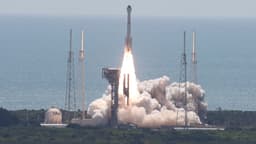
US Defense Agency Proposes $22.5 Billion in Arms Sales
- Total Arms Sales: The U.S. Defense Security Cooperation Agency (DSCA) submitted 11 arms deals to Congress in January, totaling $22.5 billion, indicating a robust growth trend in defense investments that could further boost stock prices of involved companies.
- Major Contract Beneficiary: Lockheed Martin secured a $9 billion contract for 730 PAC-3 MSE missiles and related equipment for Saudi Arabia on January 30, underscoring its dominant position in the international defense market and expected to significantly enhance the company's revenue and profits.
- Boeing's Contract: Boeing won a $2.3 billion contract on January 20 for Singapore's purchase of four P-8A Poseidon patrol aircraft, which, despite its defense division still being unprofitable, will provide crucial cash flow that may improve its financial standing.
- Israeli Orders: Israel is ordering 30 AH-64E Apache attack helicopters and related equipment from Lockheed and Boeing for a total of $3.8 billion, showcasing the strong competitive edge of both companies in the global defense market while laying a foundation for future growth.
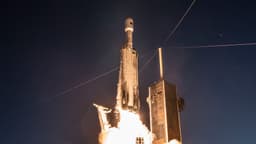
Northrop Grumman Appoints Admiral Grady to Board of Directors
- New Board Member: Northrop Grumman has appointed Admiral Christopher Grady, former Vice Chairman of the Joint Chiefs of Staff, to its board, with expectations that his extensive military experience will provide strategic insights to enhance the company's ongoing innovation in technology delivery.
- Military Background: Grady served over 40 years in the U.S. Navy, holding the position of 12th Vice Chairman and participating in nearly every major military operation, which will bolster Northrop Grumman's competitiveness in the defense sector.
- Educational Credentials: Grady holds an undergraduate degree from the University of Notre Dame and master's degrees from Georgetown University and the National War College, providing a strong academic foundation for his decision-making on the board.
- Company Vision: Northrop Grumman is committed to delivering differentiating technology to the U.S. and its allies, and Grady's appointment is expected to further strengthen the company's leadership in the global aerospace and defense technology landscape.
CHRISTOPHER GRADY APPOINTED TO NORTHROP GRUMMAN BOARD OF DIRECTORS
- New Appointment: Christopher Grady has joined the Northrop Grumman Board of Directors.
- Background: Grady brings extensive experience and leadership skills to the board, enhancing its strategic capabilities.

Exxon, Walmart, and 9 Other Stocks Thriving as Cash Reigns Supreme Again


- Shift in Investment Focus: Wall Street is increasingly concerned that artificial intelligence may threaten white-collar jobs, leading to a renewed interest in hard-hat and "real economy" stocks.
- Market Trends: The fear of AI's impact on employment is influencing investment strategies, making traditional industries more appealing to investors.
Implications of Canada's Military Plans for Lockheed and Defense Stocks.
U.S.-Canada Relations: Recent tensions have emerged between the U.S. and Canada, affecting various sectors beyond just sports.
Canada's Defense Strategy: Canada has introduced a new defense strategy that may influence investment opportunities in the defense industry.
Surge in U.S. Defense Contracts in January 2026
- Total Defense Contracts: In January 2026, the U.S. Defense Security Cooperation Agency submitted 11 arms deals to Congress, totaling $22.5 billion, indicating a robust growth in defense investments that could drive stock prices of involved companies higher.
- Lockheed Martin's Gains: Among these deals, Lockheed Martin secured a $9 billion contract for 730 PAC-3 MSE missiles from Saudi Arabia, making it the largest beneficiary and further solidifying its leadership position in the global defense market.
- Boeing's Contract: Boeing won a $2.3 billion contract in Singapore for four P-8A Poseidon patrol aircraft and their weapon systems, although RTX will not gain additional revenue, Boeing's defense division is expected to improve its financial performance.
- Israel's Order: Israel placed a $3.8 billion order for 30 AH-64E Apache attack helicopters and related equipment from Boeing and Lockheed Martin, reflecting Israel's ongoing demand for advanced military equipment and further driving growth for both companies in the international market.
US Defense Agency Proposes $22.5 Billion in Arms Sales
- Total Arms Sales: The U.S. Defense Security Cooperation Agency (DSCA) submitted 11 arms deals to Congress in January, totaling $22.5 billion, indicating a robust growth trend in defense investments that could further boost stock prices of involved companies.
- Major Contract Beneficiary: Lockheed Martin secured a $9 billion contract for 730 PAC-3 MSE missiles and related equipment for Saudi Arabia on January 30, underscoring its dominant position in the international defense market and expected to significantly enhance the company's revenue and profits.
- Boeing's Contract: Boeing won a $2.3 billion contract on January 20 for Singapore's purchase of four P-8A Poseidon patrol aircraft, which, despite its defense division still being unprofitable, will provide crucial cash flow that may improve its financial standing.
- Israeli Orders: Israel is ordering 30 AH-64E Apache attack helicopters and related equipment from Lockheed and Boeing for a total of $3.8 billion, showcasing the strong competitive edge of both companies in the global defense market while laying a foundation for future growth.
Northrop Grumman Appoints Admiral Grady to Board of Directors
- New Board Member: Northrop Grumman has appointed Admiral Christopher Grady, former Vice Chairman of the Joint Chiefs of Staff, to its board, with expectations that his extensive military experience will provide strategic insights to enhance the company's ongoing innovation in technology delivery.
- Military Background: Grady served over 40 years in the U.S. Navy, holding the position of 12th Vice Chairman and participating in nearly every major military operation, which will bolster Northrop Grumman's competitiveness in the defense sector.
- Educational Credentials: Grady holds an undergraduate degree from the University of Notre Dame and master's degrees from Georgetown University and the National War College, providing a strong academic foundation for his decision-making on the board.
- Company Vision: Northrop Grumman is committed to delivering differentiating technology to the U.S. and its allies, and Grady's appointment is expected to further strengthen the company's leadership in the global aerospace and defense technology landscape.
CHRISTOPHER GRADY APPOINTED TO NORTHROP GRUMMAN BOARD OF DIRECTORS
- New Appointment: Christopher Grady has joined the Northrop Grumman Board of Directors.
- Background: Grady brings extensive experience and leadership skills to the board, enhancing its strategic capabilities.
Exxon, Walmart, and 9 Other Stocks Thriving as Cash Reigns Supreme Again
- Shift in Investment Focus: Wall Street is increasingly concerned that artificial intelligence may threaten white-collar jobs, leading to a renewed interest in hard-hat and "real economy" stocks.
- Market Trends: The fear of AI's impact on employment is influencing investment strategies, making traditional industries more appealing to investors.