

Microsoft Expands AI Infrastructure with OpenAI Partnership
Written by Emily J. Thompson, Senior Investment Analyst
Updated: Jun 12 2024
0mins
Source: Coinmarketcap
Microsoft's stock rose by 3.00% as it reached a 20-day high, reflecting positive market conditions.
The increase is attributed to Microsoft taking over the spare compute capacity at OpenAI's planned 'Stargate Norway' facility, indicating a strategic move to expand its AI infrastructure capabilities. This partnership solidifies Microsoft's position in the AI market, especially as OpenAI shifts its focus towards cost control amid a potential IPO.
This development not only enhances Microsoft's competitive edge in AI but also signals investor confidence in its growth trajectory, particularly in the rapidly evolving AI sector.
Trade with 70% Backtested Accuracy
Stop guessing "Should I Buy MSFT?" and start using high-conviction signals backed by rigorous historical data.
Sign up today to access powerful investing tools and make smarter, data-driven decisions.
Analyst Views on MSFT
Wall Street analysts forecast MSFT stock price to rise
34 Analyst Rating
32 Buy
2 Hold
0 Sell
Strong Buy
Current: 399.760

Low
500.00
Averages
631.36
High
678.00
Current: 399.760
Low
500.00
Averages
631.36
High
678.00
About MSFT
Microsoft Corporation is a technology company. The Company develops and supports software, services, devices, and solutions. The Company’s segments include Productivity and Business Processes, Intelligent Cloud, and More Personal Computing. The Productivity and Business Processes segment consists of products and services in its portfolio of productivity, communication, and information services. This segment primarily comprises: Office Commercial, Office Consumer, LinkedIn, and Dynamics business solutions. The Intelligent Cloud segment consists of server products and cloud services, including Azure and other cloud services, SQL Server, Windows Server, Visual Studio, System Center, and related Client Access Licenses (CALs), and Nuance and GitHub; and Enterprise Services, including enterprise support services, industry solutions and Nuance professional services. The More Personal Computing segment primarily comprises Windows, Devices, Gaming, and search and news advertising.
About the author

Emily J. Thompson
Emily J. Thompson, a Chartered Financial Analyst (CFA) with 12 years in investment research, graduated with honors from the Wharton School. Specializing in industrial and technology stocks, she provides in-depth analysis for Intellectia’s earnings and market brief reports.

AI Stocks Face Increasing Market Challenges


- CoreWeave Financial Highlights: CoreWeave reported a 111.6% year-over-year revenue increase to $2.1 billion in Q1, yet its net losses widened to $740 million, significantly exceeding last year's $315 million loss, indicating financial strain amid rapid growth.
- Missed Market Expectations: Despite strong revenue figures, CoreWeave's guidance fell short of Wall Street's expectations, leading to a sharp stock price decline, prompting investors to approach with caution due to potential market volatility.
- Broadcom's Strong Performance: Broadcom's Q2 revenue reached $22.2 billion, a 48% year-over-year increase, with its AI semiconductor revenue hitting $10.8 billion, up 143%, showcasing robust performance in the AI sector.
- Uncertain Future Outlook: Although Broadcom anticipates a 200% revenue growth in AI chips to $16 billion next quarter, its guidance did not meet market expectations, reflecting high market expectations and associated risks for AI stocks.
See More

Mixed Earnings Impact AI Stocks
- CoreWeave Earnings Review: CoreWeave's Q1 revenue surged 111.6% year-over-year to $2.1 billion, yet its net losses widened to $740 million, significantly exceeding last year's $315 million, indicating financial strain amid rapid growth.
- Market Expectations and Risks: Despite strong revenue growth, CoreWeave's guidance fell short of Wall Street expectations, leading to a sharp stock price drop, and investors should be cautious due to its 67% revenue dependence on Microsoft.
- Broadcom Financial Performance: Broadcom reported Q2 revenue of $22.2 billion, a 48% increase year-over-year, with AI semiconductor revenue reaching $10.8 billion, up 143%, but its future guidance disappointed the market, causing a stock decline.
- Industry Outlook and Competition: Although Broadcom faces high valuation and customer concentration risks, its leadership in custom AI chips and the ongoing growth in AI spending provide solid support for future performance, making it a potential buy on dips.
See More

Microsoft Launches New Surface Laptops Amid Rising AI-Driven Prices


- Product Launch: Microsoft unveiled its latest Surface line on Tuesday, featuring the 13-inch Surface Pro starting at $1,499 and the Surface Laptop at $1,599, significantly higher than the previous generation's $999 price point, reflecting the pressures the PC industry faces due to AI-driven cost increases.
- Performance Boost: Both the new Surface Pro and Surface Laptop are equipped with Qualcomm's Snapdragon X2 processors, with graphics performance improvements of up to 53% for the Surface Pro and 58% for the Surface Laptop, enhancing user experience and potentially attracting performance-driven consumers.
- Battery Life: The Surface Laptop boasts up to 15.5 hours of battery life, with the 13.8-inch model achieving 20 hours and the 15-inch model lasting 19 hours, significantly improving mobile productivity for users, especially in long-use scenarios.
- Storage and Memory Options: The Surface Pro offers memory options ranging from 16GB to 64GB and storage from 256GB to 1TB, while the Surface Laptop's 13.8-inch model provides 256GB to 2TB and the 15-inch model offers 512GB to 2TB, catering to diverse user needs with rich configuration choices.
See More
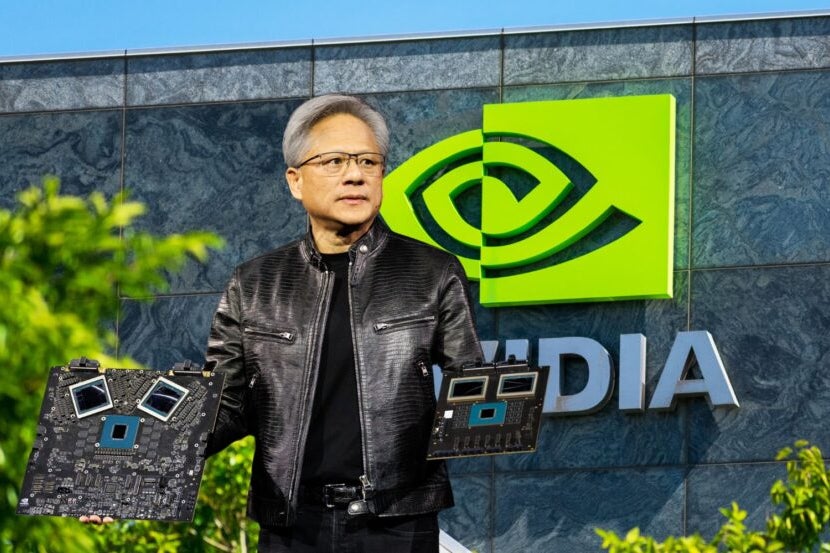
Record Capital Expenditures Expected from AI Giants in 2026

- Capital Expenditure Outlook: In 2026, the big four AI hyperscalers are expected to reach a record $650 billion in capital expenditures, indicating a massive investment demand for data centers that will drive rapid growth for related companies.
- Nvidia's Growth Potential: Nvidia anticipates an 81% revenue increase in fiscal year 2027 and a 41% growth in 2026, with a current P/E ratio of 31, suggesting that its stock price has yet to reflect its future growth potential, making it a prime investment choice.
- Broadcom's Market Prospects: Broadcom expects a 66% revenue growth in fiscal 2026 and a 62% increase in 2027, with its AI semiconductor business projected to exceed $100 billion in revenue next year, showcasing strong market demand and potential for stock price appreciation.
- Sandisk's Rapid Growth: Sandisk is projected to see a 336% revenue growth in Q4 of fiscal 2026 and a 122% increase in 2027, driven by a shortage of solid-state drives, which boosts its performance and positions it as a beneficiary of increased data center spending.
See More

Nvidia and the Future of AI Chip Market
- Surge in Data Center Spending: In 2026, capital expenditures from the big four AI hyperscalers are expected to reach $650 billion, with Nvidia projecting $1 trillion in data center capital expenditures for 2027, creating substantial market opportunities for related companies.
- Nvidia's Growth Potential: Analysts forecast an 81% revenue increase for Nvidia in fiscal 2027 and a 41% increase in 2026, with a current P/E ratio of 31, indicating that its stock price has yet to reflect future growth potential, making it a top investment choice.
- Broadcom's Custom Chips: Broadcom anticipates a 66% revenue growth in fiscal 2026 and 62% in 2027, primarily driven by its AI semiconductor business, which is expected to exceed $100 billion in revenue next year, showcasing its strong growth potential in the AI market.
- Sandisk's Market Advantage: Due to a shortage of SSDs, Sandisk is expected to see a 336% revenue growth in Q4 of fiscal 2026 and a 122% increase in 2027, benefiting from high demand as data center spending continues to expand.
See More

Community Concerns Arise Over Meta's Data Center Construction


- Gas Plant Construction: Meta's Apollo power plant in Ohio will supply electricity to its 800-acre data center, capable of powering 100,000 homes, yet it was approved in less than three months after plan submission, alarming local residents.
- Lack of Transparency: Numerous natural gas power projects related to data centers are advancing rapidly without public hearings or environmental studies, with developers using non-disclosure agreements and shell companies to evade oversight, raising concerns about air quality and climate impact among residents.
- Accelerated Policy Support: Ohio's new law allows certain power plants to gain approval in as little as 45 days, facilitating rapid data center development, with state officials aiming to attract ten hyperscale data centers to boost the local economy.
- Community Opposition: Residents express concerns over the construction of multiple gas plants, fearing potential regional public health issues, especially given the lack of transparency and community involvement, leaving many feeling their safety is at risk.
See More
AI Stocks Face Increasing Market Challenges
- CoreWeave Financial Highlights: CoreWeave reported a 111.6% year-over-year revenue increase to $2.1 billion in Q1, yet its net losses widened to $740 million, significantly exceeding last year's $315 million loss, indicating financial strain amid rapid growth.
- Missed Market Expectations: Despite strong revenue figures, CoreWeave's guidance fell short of Wall Street's expectations, leading to a sharp stock price decline, prompting investors to approach with caution due to potential market volatility.
- Broadcom's Strong Performance: Broadcom's Q2 revenue reached $22.2 billion, a 48% year-over-year increase, with its AI semiconductor revenue hitting $10.8 billion, up 143%, showcasing robust performance in the AI sector.
- Uncertain Future Outlook: Although Broadcom anticipates a 200% revenue growth in AI chips to $16 billion next quarter, its guidance did not meet market expectations, reflecting high market expectations and associated risks for AI stocks.
See More
Mixed Earnings Impact AI Stocks
- CoreWeave Earnings Review: CoreWeave's Q1 revenue surged 111.6% year-over-year to $2.1 billion, yet its net losses widened to $740 million, significantly exceeding last year's $315 million, indicating financial strain amid rapid growth.
- Market Expectations and Risks: Despite strong revenue growth, CoreWeave's guidance fell short of Wall Street expectations, leading to a sharp stock price drop, and investors should be cautious due to its 67% revenue dependence on Microsoft.
- Broadcom Financial Performance: Broadcom reported Q2 revenue of $22.2 billion, a 48% increase year-over-year, with AI semiconductor revenue reaching $10.8 billion, up 143%, but its future guidance disappointed the market, causing a stock decline.
- Industry Outlook and Competition: Although Broadcom faces high valuation and customer concentration risks, its leadership in custom AI chips and the ongoing growth in AI spending provide solid support for future performance, making it a potential buy on dips.
See More
Microsoft Launches New Surface Laptops Amid Rising AI-Driven Prices
- Product Launch: Microsoft unveiled its latest Surface line on Tuesday, featuring the 13-inch Surface Pro starting at $1,499 and the Surface Laptop at $1,599, significantly higher than the previous generation's $999 price point, reflecting the pressures the PC industry faces due to AI-driven cost increases.
- Performance Boost: Both the new Surface Pro and Surface Laptop are equipped with Qualcomm's Snapdragon X2 processors, with graphics performance improvements of up to 53% for the Surface Pro and 58% for the Surface Laptop, enhancing user experience and potentially attracting performance-driven consumers.
- Battery Life: The Surface Laptop boasts up to 15.5 hours of battery life, with the 13.8-inch model achieving 20 hours and the 15-inch model lasting 19 hours, significantly improving mobile productivity for users, especially in long-use scenarios.
- Storage and Memory Options: The Surface Pro offers memory options ranging from 16GB to 64GB and storage from 256GB to 1TB, while the Surface Laptop's 13.8-inch model provides 256GB to 2TB and the 15-inch model offers 512GB to 2TB, catering to diverse user needs with rich configuration choices.
See More
Record Capital Expenditures Expected from AI Giants in 2026
- Capital Expenditure Outlook: In 2026, the big four AI hyperscalers are expected to reach a record $650 billion in capital expenditures, indicating a massive investment demand for data centers that will drive rapid growth for related companies.
- Nvidia's Growth Potential: Nvidia anticipates an 81% revenue increase in fiscal year 2027 and a 41% growth in 2026, with a current P/E ratio of 31, suggesting that its stock price has yet to reflect its future growth potential, making it a prime investment choice.
- Broadcom's Market Prospects: Broadcom expects a 66% revenue growth in fiscal 2026 and a 62% increase in 2027, with its AI semiconductor business projected to exceed $100 billion in revenue next year, showcasing strong market demand and potential for stock price appreciation.
- Sandisk's Rapid Growth: Sandisk is projected to see a 336% revenue growth in Q4 of fiscal 2026 and a 122% increase in 2027, driven by a shortage of solid-state drives, which boosts its performance and positions it as a beneficiary of increased data center spending.
See More
Nvidia and the Future of AI Chip Market
- Surge in Data Center Spending: In 2026, capital expenditures from the big four AI hyperscalers are expected to reach $650 billion, with Nvidia projecting $1 trillion in data center capital expenditures for 2027, creating substantial market opportunities for related companies.
- Nvidia's Growth Potential: Analysts forecast an 81% revenue increase for Nvidia in fiscal 2027 and a 41% increase in 2026, with a current P/E ratio of 31, indicating that its stock price has yet to reflect future growth potential, making it a top investment choice.
- Broadcom's Custom Chips: Broadcom anticipates a 66% revenue growth in fiscal 2026 and 62% in 2027, primarily driven by its AI semiconductor business, which is expected to exceed $100 billion in revenue next year, showcasing its strong growth potential in the AI market.
- Sandisk's Market Advantage: Due to a shortage of SSDs, Sandisk is expected to see a 336% revenue growth in Q4 of fiscal 2026 and a 122% increase in 2027, benefiting from high demand as data center spending continues to expand.
See More
Community Concerns Arise Over Meta's Data Center Construction
- Gas Plant Construction: Meta's Apollo power plant in Ohio will supply electricity to its 800-acre data center, capable of powering 100,000 homes, yet it was approved in less than three months after plan submission, alarming local residents.
- Lack of Transparency: Numerous natural gas power projects related to data centers are advancing rapidly without public hearings or environmental studies, with developers using non-disclosure agreements and shell companies to evade oversight, raising concerns about air quality and climate impact among residents.
- Accelerated Policy Support: Ohio's new law allows certain power plants to gain approval in as little as 45 days, facilitating rapid data center development, with state officials aiming to attract ten hyperscale data centers to boost the local economy.
- Community Opposition: Residents express concerns over the construction of multiple gas plants, fearing potential regional public health issues, especially given the lack of transparency and community involvement, leaving many feeling their safety is at risk.
See More





