Markel Appoints Head of AI and Launches AI Centre of Enablement
Markel Group Inc. has seen its stock price decline by 3.09%, hitting a 20-day low amid broader market weakness, with the Nasdaq-100 down 1.13% and the S&P 500 down 1.18%.
The company has appointed Maureen Tomlinson as the Head of AI and launched the AI Centre of Enablement, marking a significant investment aimed at enhancing operational excellence and accelerating responsible AI adoption across its five business units. This strategic move is expected to improve broker and client experiences and drive business growth, as emphasized by COO Carys Lawton-Bryce, who highlighted AI's role in supporting the company's ambitious growth targets.
This appointment and the establishment of the AI Centre are seen as crucial steps in Markel's digital transformation strategy, which aims to leverage technology for better operational capabilities and competitive advantage in the insurance sector.
Trade with 70% Backtested Accuracy
Analyst Views on MKL
About MKL
About the author


Investment Choices in the Insurance Sector


- Markel Group Overview: Markel operates as a diversified financial holding company, reporting nearly $16.6 billion in revenue for FY 2025, a 1% decrease year-over-year, with a net income of approximately $2.1 billion and a net margin of about 12.7%, indicating its stability and profitability in the insurance sector.
- Skyward Specialty Growth: Skyward Specialty Insurance Group achieved a revenue increase of about 23% in FY 2025, reaching nearly $1.4 billion, with a net income exceeding $170 million and a net margin close to 12%, demonstrating its rapid expansion and profitability in niche markets.
- Risk Comparison: Markel faces significant catastrophe-related risks and relies heavily on five brokers for 37% of its premiums, increasing its revenue volatility, while Skyward must manage risks associated with climate change that can elevate insurance claims, highlighting their differing risk management strategies.
- Valuation Comparison: Skyward's forward P/E ratio stands at 9.5x, lower than Markel's 16.3x, and its P/S ratio is 1.3x, slightly below Markel's 1.4x, suggesting that Skyward may present a more attractive investment opportunity in the market.

Markel Appoints New Executives to Drive Growth
- Executive Appointments: Markel International has appointed Alisha Everett as Assistant Vice President and Nicholas Doy as Manager within the CTCS team, effective immediately, aimed at enhancing the company's strategic execution in the Canadian market.
- Market Strategy Leadership: Everett will lead Markel's CTCS strategy, focusing on profitable growth within the Contractors and Trades segment, enhancing market engagement and risk appetite through close collaboration with national underwriting and distribution teams.
- Enhanced Expertise: Doy's addition will support underwriting performance and portfolio development, strengthening Markel's ability to deliver responsive, tailored underwriting solutions for contractors and trades clients.
- Ongoing Investment: These executive appointments reflect Markel Canada's continued investment in its Contractors and Trades capabilities, emphasizing the company's commitment to strategic growth and strengthening broker relationships in the Canadian construction market.

Investment Strategies of Insurance Float

- Definition of Float: Insurance companies like Progressive accumulate float by collecting premiums, which are invested before claims are paid, generating significant profits for shareholders; in Q1 2026, Progressive's investment income reached $917 million, annualizing to nearly $3.7 billion, highlighting the profit potential of float.
- Buffett's Investment Model: Berkshire Hathaway employs a more aggressive investment strategy using float to buy stocks and companies, establishing a unique model that has made it a household name on Wall Street, while most insurers like Progressive adopt a more conservative approach to mitigate risks.
- Market Risk Warning: While float can yield substantial returns, it also carries risks; during bear markets or rising interest rates, the value of an insurer's investments may decline, with Progressive warning that significant losses could adversely affect its financial position and operational results.
- Investment Opportunities and Risks: Insurance companies face risks in float investments, but patient investors may find attractive opportunities during bear markets, with Berkshire Hathaway and Progressive likely to be on investors' radar, especially if their prices become more appealing.
The Profit Potential of Insurance Float
- Definition of Float: Insurance companies like Progressive accumulate float by collecting premiums, which can be invested before claims are paid, generating substantial profits for shareholders; in Q1 2026, Progressive's investment income reached $917 million, annualizing to nearly $3.7 billion, showcasing the float's profit potential.
- Divergent Investment Strategies: While Berkshire Hathaway employs a more aggressive investment strategy using float for stock purchases and acquisitions, most insurers like Progressive adopt a conservative approach, primarily investing in bonds to ensure stable income, a strategy that proves crucial during market fluctuations.
- Market Risk Warning: Although float can create wealth in bull markets, during bear markets or rising interest rates, the value of an insurer's investments may decline; Progressive explicitly warns that significant decreases in fixed-income or equity portfolios could materially adversely affect its financial position and operational results, underscoring the importance of prudent investing.
- Seizing Investment Opportunities: Despite the risks faced by insurance companies, patient investors may find the insurance sector attractive during bear markets, with Berkshire Hathaway and Progressive likely to be on investors' radar, especially when prices drop, making it worthwhile to create a wishlist of potential investments.

Markel Group Q4 2025 Earnings Beat Estimates Significantly

- Strong Earnings Report: Markel Group reported Q4 2025 EPS of $48.75, significantly exceeding the expected $25.73, demonstrating robust profitability under its insurance float model and reinforcing its competitive position in the market.
- Operating Income Growth: In 2025, Markel achieved operating income of $3.2 billion, with adjusted operating income surpassing $2.3 billion, indicating solid growth across all reportable segments and highlighting the company's operational strength.
- Increased Shareholder Returns: Markel repurchased $429.5 million in shares during Q4 2025, with shareholders' equity reaching $18.6 billion, reflecting the company's commitment to shareholder returns and its strong cash flow and capital allocation capabilities.
- Improved Combined Ratio: The combined ratio improved from 95.5% to 94.6%, indicating effective risk management and cost control, which enhances the company's long-term profitability and market appeal.
Markel Insurance Appoints New Managing Director for Marine, Energy and Construction Division
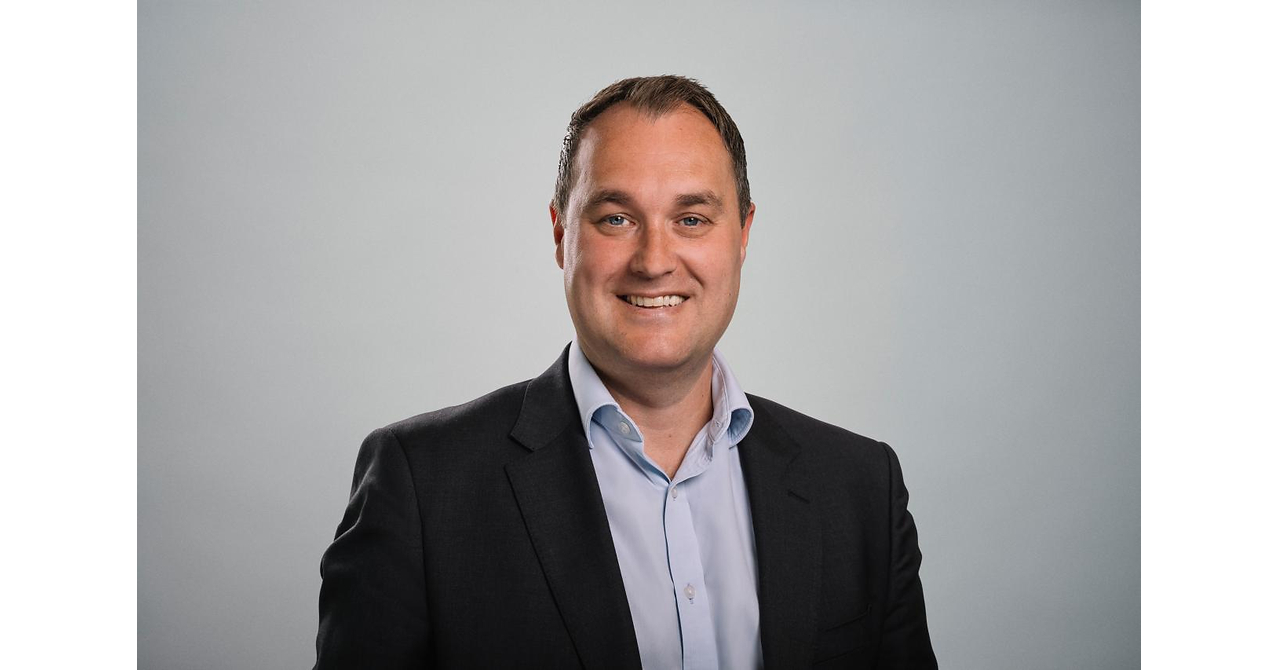
- New Appointment: Markel Insurance has appointed Dan McCarthy as Managing Director of its newly structured Marine, Energy, and Construction division, aiming to support sustainable growth through a clearer structure that enhances brokers' access to specialist underwriting expertise.
- Department Structure Optimization: The new division will comprise four specialist teams that integrate various classes related to Marine and Transportation, helping brokers better identify opportunities and access connected expertise, thereby improving overall trading efficiency.
- Leadership Experience: McCarthy brings nearly 30 years of global marine insurance experience, having previously served as Director of Marine at Markel International, where he successfully rebuilt key product lines and strengthened market presence, which is expected to drive profitable growth for the division.
- Future Growth Objectives: Under McCarthy's leadership, the division aims to achieve significant profitable growth over the next five years, focusing on technology investment, talent development, and partnerships to address complex marine, energy, and construction risks.
Investment Choices in the Insurance Sector
- Markel Group Overview: Markel operates as a diversified financial holding company, reporting nearly $16.6 billion in revenue for FY 2025, a 1% decrease year-over-year, with a net income of approximately $2.1 billion and a net margin of about 12.7%, indicating its stability and profitability in the insurance sector.
- Skyward Specialty Growth: Skyward Specialty Insurance Group achieved a revenue increase of about 23% in FY 2025, reaching nearly $1.4 billion, with a net income exceeding $170 million and a net margin close to 12%, demonstrating its rapid expansion and profitability in niche markets.
- Risk Comparison: Markel faces significant catastrophe-related risks and relies heavily on five brokers for 37% of its premiums, increasing its revenue volatility, while Skyward must manage risks associated with climate change that can elevate insurance claims, highlighting their differing risk management strategies.
- Valuation Comparison: Skyward's forward P/E ratio stands at 9.5x, lower than Markel's 16.3x, and its P/S ratio is 1.3x, slightly below Markel's 1.4x, suggesting that Skyward may present a more attractive investment opportunity in the market.
Markel Appoints New Executives to Drive Growth
- Executive Appointments: Markel International has appointed Alisha Everett as Assistant Vice President and Nicholas Doy as Manager within the CTCS team, effective immediately, aimed at enhancing the company's strategic execution in the Canadian market.
- Market Strategy Leadership: Everett will lead Markel's CTCS strategy, focusing on profitable growth within the Contractors and Trades segment, enhancing market engagement and risk appetite through close collaboration with national underwriting and distribution teams.
- Enhanced Expertise: Doy's addition will support underwriting performance and portfolio development, strengthening Markel's ability to deliver responsive, tailored underwriting solutions for contractors and trades clients.
- Ongoing Investment: These executive appointments reflect Markel Canada's continued investment in its Contractors and Trades capabilities, emphasizing the company's commitment to strategic growth and strengthening broker relationships in the Canadian construction market.
Investment Strategies of Insurance Float
- Definition of Float: Insurance companies like Progressive accumulate float by collecting premiums, which are invested before claims are paid, generating significant profits for shareholders; in Q1 2026, Progressive's investment income reached $917 million, annualizing to nearly $3.7 billion, highlighting the profit potential of float.
- Buffett's Investment Model: Berkshire Hathaway employs a more aggressive investment strategy using float to buy stocks and companies, establishing a unique model that has made it a household name on Wall Street, while most insurers like Progressive adopt a more conservative approach to mitigate risks.
- Market Risk Warning: While float can yield substantial returns, it also carries risks; during bear markets or rising interest rates, the value of an insurer's investments may decline, with Progressive warning that significant losses could adversely affect its financial position and operational results.
- Investment Opportunities and Risks: Insurance companies face risks in float investments, but patient investors may find attractive opportunities during bear markets, with Berkshire Hathaway and Progressive likely to be on investors' radar, especially if their prices become more appealing.
The Profit Potential of Insurance Float
- Definition of Float: Insurance companies like Progressive accumulate float by collecting premiums, which can be invested before claims are paid, generating substantial profits for shareholders; in Q1 2026, Progressive's investment income reached $917 million, annualizing to nearly $3.7 billion, showcasing the float's profit potential.
- Divergent Investment Strategies: While Berkshire Hathaway employs a more aggressive investment strategy using float for stock purchases and acquisitions, most insurers like Progressive adopt a conservative approach, primarily investing in bonds to ensure stable income, a strategy that proves crucial during market fluctuations.
- Market Risk Warning: Although float can create wealth in bull markets, during bear markets or rising interest rates, the value of an insurer's investments may decline; Progressive explicitly warns that significant decreases in fixed-income or equity portfolios could materially adversely affect its financial position and operational results, underscoring the importance of prudent investing.
- Seizing Investment Opportunities: Despite the risks faced by insurance companies, patient investors may find the insurance sector attractive during bear markets, with Berkshire Hathaway and Progressive likely to be on investors' radar, especially when prices drop, making it worthwhile to create a wishlist of potential investments.
Markel Group Q4 2025 Earnings Beat Estimates Significantly
- Strong Earnings Report: Markel Group reported Q4 2025 EPS of $48.75, significantly exceeding the expected $25.73, demonstrating robust profitability under its insurance float model and reinforcing its competitive position in the market.
- Operating Income Growth: In 2025, Markel achieved operating income of $3.2 billion, with adjusted operating income surpassing $2.3 billion, indicating solid growth across all reportable segments and highlighting the company's operational strength.
- Increased Shareholder Returns: Markel repurchased $429.5 million in shares during Q4 2025, with shareholders' equity reaching $18.6 billion, reflecting the company's commitment to shareholder returns and its strong cash flow and capital allocation capabilities.
- Improved Combined Ratio: The combined ratio improved from 95.5% to 94.6%, indicating effective risk management and cost control, which enhances the company's long-term profitability and market appeal.
Markel Insurance Appoints New Managing Director for Marine, Energy and Construction Division
- New Appointment: Markel Insurance has appointed Dan McCarthy as Managing Director of its newly structured Marine, Energy, and Construction division, aiming to support sustainable growth through a clearer structure that enhances brokers' access to specialist underwriting expertise.
- Department Structure Optimization: The new division will comprise four specialist teams that integrate various classes related to Marine and Transportation, helping brokers better identify opportunities and access connected expertise, thereby improving overall trading efficiency.
- Leadership Experience: McCarthy brings nearly 30 years of global marine insurance experience, having previously served as Director of Marine at Markel International, where he successfully rebuilt key product lines and strengthened market presence, which is expected to drive profitable growth for the division.
- Future Growth Objectives: Under McCarthy's leadership, the division aims to achieve significant profitable growth over the next five years, focusing on technology investment, talent development, and partnerships to address complex marine, energy, and construction risks.