

Macy's Announces Dividend Increase Amid Sales Challenges
Macy's Inc. shares rose 4.74% as the stock reached a 20-day high.
The company announced a 5% increase in its quarterly dividend to over $0.19 per share, despite a 2.4% decline in net sales to $21.8 billion for fiscal 2025. Comparable sales rose by 1.5%, indicating some market recovery, although net income fell by 14% to $643 million, reflecting ongoing challenges in the retail sector. The guidance for fiscal 2026 suggests a potential revenue drop to $21.4 billion, highlighting the competitive environment.
This dividend increase may attract investors looking for yield, even as Macy's faces significant operational challenges. The market's positive reaction to the dividend news suggests that investors are weighing the company's commitment to returning value to shareholders against its current financial difficulties.
Trade with 70% Backtested Accuracy
Analyst Views on M

About M
About the author


Berkshire Hathaway Increases Stake in Macy's Amid Recovery


- Investment Return Potential: Macy's P/E ratio stands at 10, having dropped as low as 7.5 in Q1 2026, indicating the stock is undervalued and attracting Warren Buffett's interest, with expectations that future prices will reflect its intrinsic value.
- Sales Growth Recovery: Macy's achieved its strongest sales growth in four years during Q1 of fiscal 2026, with net sales rising and guidance for the year improved, now projecting comparable sales growth between 0.5% and 1.2%, signaling market recovery.
- Asset Value Advantage: Macy's holds up to $9 billion in real estate assets while its market cap is around $6.3 billion, allowing investors to acquire its asset base at a significant discount, enhancing its investment appeal.
- Stable Dividend Yield: Macy's pays an annual dividend of nearly $0.77 per share, yielding over 3%, and recently raised the payout by 5%, providing investors with returns while waiting for recovery, despite being below pre-pandemic levels.

Reasons Behind Macy's Undervalued Stock Price
- Attractive P/E Ratio: Macy's P/E ratio stands at 10, having dipped to 7.5 in Q1 2026, indicating its stock is undervalued in the market, which has drawn interest from Buffett despite overall retail sector challenges.
- Sales Growth Recovery: Macy's achieved its strongest sales growth in four years during Q1 of fiscal 2026, with net sales rising and guidance for comparable sales now expected to increase between 0.5% and 1.2%, signaling a revival in company performance.
- Real Estate Asset Value: Macy's real estate holdings are estimated at $9 billion, while its market cap is only $6.7 billion, allowing investors to purchase its asset base at a significant discount, highlighting its potential intrinsic value.
- Dividend Yield Advantage: Macy's pays an annual dividend of nearly $0.77 per share, yielding about 3%, well above the S&P 500 average of 1%, and has recently increased its payout by 5%, indicating the company's ability to sustain and grow dividends, appealing to income-seeking investors.
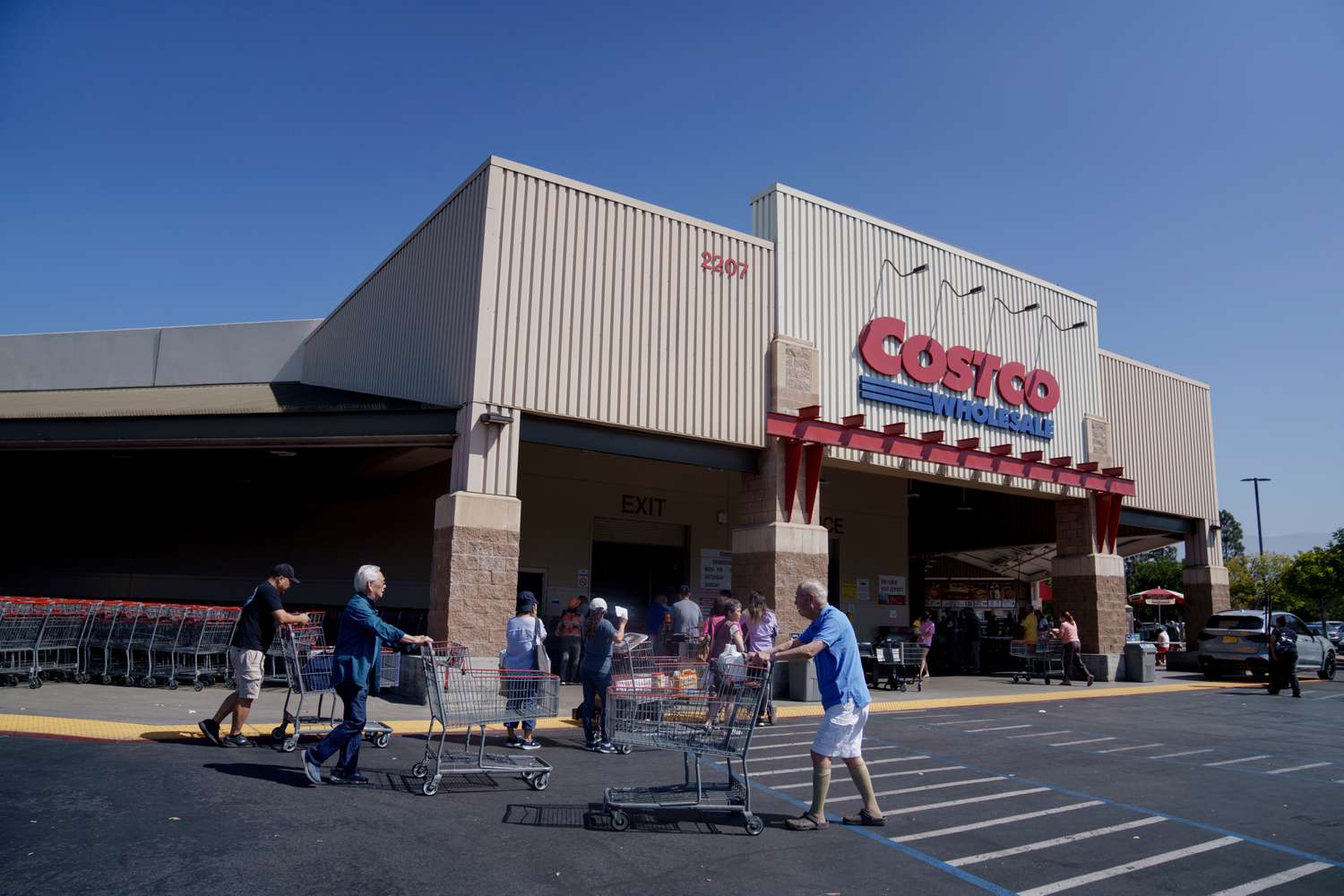
Middle East Peace Deal Boosts Consumer Stocks


- Oil Price Impact: The peace deal in the Middle East has driven U.S. crude prices to a three-month low, reducing gas costs for consumers and potentially boosting retail stocks like Home Depot, Target, and Macy's, which is expected to enhance consumer spending and alleviate inflationary pressures.
- Market Rotation Expectations: With easing geopolitical tensions, investors may shift focus to cyclical stocks, particularly in consumer goods and small-cap companies, as strategists from JPMorgan and Morgan Stanley anticipate that cyclical stocks will outperform tech in the second half of the year.
- Consumer Sector Confidence: BCA Research strategists have initiated a

Macy’s Shares Hit New 52-Week High Amid Turnaround Efforts
- Stock Performance: Macy’s (M) shares continue to rise, hitting a new 52-week high on Friday, putting the stock on track for a fourth consecutive week of gains, indicating a strong short-term recovery momentum for the company.
- Strategic Transformation: Under the leadership of a new CEO, Macy’s has launched a 'Bold New Chapter,' closing hundreds of underperforming stores and upgrading its merchandise to a more luxurious assortment, aimed at enhancing brand image and market competitiveness.
- Investment Appeal: Berkshire Hathaway made a $55 million investment in Macy’s, which has already yielded a 40% return since May 18, reflecting market confidence in Macy’s turnaround efforts.
- Future Outlook: Macy’s projects FY2026 net sales between $21.5 billion and $21.75 billion, while raising its adjusted EPS guidance to $2 to $2.20, indicating an optimistic outlook for future growth.
Macy's Reports Strong Q1 Performance with 85% Stock Surge
- Significant Growth: Macy's reported a 2% revenue increase to $4.9 billion in Q1, with net income soaring 66% to $63 million, demonstrating a recovery after three years of declining earnings and boosting market confidence with two consecutive quarters of growth.
- Successful Strategic Shift: The 'Bold New Chapter' initiative, which involved closing around 150 underperforming stores and focusing on 350 core locations, has successfully met sales and expense targets, driving growth in Bloomingdale's and Blue Mercury, indicating the effectiveness of the strategic adjustments.
- Store Revamp Initiative: Macy's plans to reimagine 200 stores to enhance customer experience, with the revamped locations achieving a 2.4% increase in comparable sales in Q1, surpassing the overall 1.6% growth, showcasing the success of the renovation strategy.
- Optimistic Outlook: Following Q1's success, Macy's raised its full-year sales and earnings guidance, now expecting net sales of $21.5 to $21.75 billion and adjusted earnings per share of $2.00 to $2.20, reflecting strong confidence in future growth.
Macy's Stock Surges as Berkshire Hathaway Invests
- Strong Stock Performance: Macy's stock has surged approximately 85% over the past 12 months, indicating a significant recovery in the retail market and increased investor confidence, particularly following its successful first-quarter earnings report.
- Notable Revenue Growth: The company reported a 2% increase in revenue to $4.9 billion in the first quarter, with same-store sales rising 3%, notably driven by a 10.2% surge in Bloomingdale's sales, which underscores the strong demand for luxury brands and solidifies Macy's market position.
- Successful Strategic Transformation: Macy's 'Bold New Chapter' initiative has effectively improved customer experience by closing 150 underperforming stores and reimagining 200 locations, leading to overall sales growth and setting the stage for enhanced financial performance in the future.
- Upward Earnings Guidance: Macy's has raised its fiscal year net sales guidance to between $21.5 billion and $21.75 billion, reflecting confidence in future performance, while also increasing its adjusted earnings per share target to between $2.00 and $2.20, indicating improved profitability.
Berkshire Hathaway Increases Stake in Macy's Amid Recovery
- Investment Return Potential: Macy's P/E ratio stands at 10, having dropped as low as 7.5 in Q1 2026, indicating the stock is undervalued and attracting Warren Buffett's interest, with expectations that future prices will reflect its intrinsic value.
- Sales Growth Recovery: Macy's achieved its strongest sales growth in four years during Q1 of fiscal 2026, with net sales rising and guidance for the year improved, now projecting comparable sales growth between 0.5% and 1.2%, signaling market recovery.
- Asset Value Advantage: Macy's holds up to $9 billion in real estate assets while its market cap is around $6.3 billion, allowing investors to acquire its asset base at a significant discount, enhancing its investment appeal.
- Stable Dividend Yield: Macy's pays an annual dividend of nearly $0.77 per share, yielding over 3%, and recently raised the payout by 5%, providing investors with returns while waiting for recovery, despite being below pre-pandemic levels.
Reasons Behind Macy's Undervalued Stock Price
- Attractive P/E Ratio: Macy's P/E ratio stands at 10, having dipped to 7.5 in Q1 2026, indicating its stock is undervalued in the market, which has drawn interest from Buffett despite overall retail sector challenges.
- Sales Growth Recovery: Macy's achieved its strongest sales growth in four years during Q1 of fiscal 2026, with net sales rising and guidance for comparable sales now expected to increase between 0.5% and 1.2%, signaling a revival in company performance.
- Real Estate Asset Value: Macy's real estate holdings are estimated at $9 billion, while its market cap is only $6.7 billion, allowing investors to purchase its asset base at a significant discount, highlighting its potential intrinsic value.
- Dividend Yield Advantage: Macy's pays an annual dividend of nearly $0.77 per share, yielding about 3%, well above the S&P 500 average of 1%, and has recently increased its payout by 5%, indicating the company's ability to sustain and grow dividends, appealing to income-seeking investors.
Middle East Peace Deal Boosts Consumer Stocks
- Oil Price Impact: The peace deal in the Middle East has driven U.S. crude prices to a three-month low, reducing gas costs for consumers and potentially boosting retail stocks like Home Depot, Target, and Macy's, which is expected to enhance consumer spending and alleviate inflationary pressures.
- Market Rotation Expectations: With easing geopolitical tensions, investors may shift focus to cyclical stocks, particularly in consumer goods and small-cap companies, as strategists from JPMorgan and Morgan Stanley anticipate that cyclical stocks will outperform tech in the second half of the year.
- Consumer Sector Confidence: BCA Research strategists have initiated a
Macy’s Shares Hit New 52-Week High Amid Turnaround Efforts
- Stock Performance: Macy’s (M) shares continue to rise, hitting a new 52-week high on Friday, putting the stock on track for a fourth consecutive week of gains, indicating a strong short-term recovery momentum for the company.
- Strategic Transformation: Under the leadership of a new CEO, Macy’s has launched a 'Bold New Chapter,' closing hundreds of underperforming stores and upgrading its merchandise to a more luxurious assortment, aimed at enhancing brand image and market competitiveness.
- Investment Appeal: Berkshire Hathaway made a $55 million investment in Macy’s, which has already yielded a 40% return since May 18, reflecting market confidence in Macy’s turnaround efforts.
- Future Outlook: Macy’s projects FY2026 net sales between $21.5 billion and $21.75 billion, while raising its adjusted EPS guidance to $2 to $2.20, indicating an optimistic outlook for future growth.
Macy's Reports Strong Q1 Performance with 85% Stock Surge
- Significant Growth: Macy's reported a 2% revenue increase to $4.9 billion in Q1, with net income soaring 66% to $63 million, demonstrating a recovery after three years of declining earnings and boosting market confidence with two consecutive quarters of growth.
- Successful Strategic Shift: The 'Bold New Chapter' initiative, which involved closing around 150 underperforming stores and focusing on 350 core locations, has successfully met sales and expense targets, driving growth in Bloomingdale's and Blue Mercury, indicating the effectiveness of the strategic adjustments.
- Store Revamp Initiative: Macy's plans to reimagine 200 stores to enhance customer experience, with the revamped locations achieving a 2.4% increase in comparable sales in Q1, surpassing the overall 1.6% growth, showcasing the success of the renovation strategy.
- Optimistic Outlook: Following Q1's success, Macy's raised its full-year sales and earnings guidance, now expecting net sales of $21.5 to $21.75 billion and adjusted earnings per share of $2.00 to $2.20, reflecting strong confidence in future growth.
Macy's Stock Surges as Berkshire Hathaway Invests
- Strong Stock Performance: Macy's stock has surged approximately 85% over the past 12 months, indicating a significant recovery in the retail market and increased investor confidence, particularly following its successful first-quarter earnings report.
- Notable Revenue Growth: The company reported a 2% increase in revenue to $4.9 billion in the first quarter, with same-store sales rising 3%, notably driven by a 10.2% surge in Bloomingdale's sales, which underscores the strong demand for luxury brands and solidifies Macy's market position.
- Successful Strategic Transformation: Macy's 'Bold New Chapter' initiative has effectively improved customer experience by closing 150 underperforming stores and reimagining 200 locations, leading to overall sales growth and setting the stage for enhanced financial performance in the future.
- Upward Earnings Guidance: Macy's has raised its fiscal year net sales guidance to between $21.5 billion and $21.75 billion, reflecting confidence in future performance, while also increasing its adjusted earnings per share target to between $2.00 and $2.20, indicating improved profitability.




