Lowe's Increases Quarterly Dividend Amid Market Challenges
Lowe's Companies Inc. saw its stock price drop by 3.00% as it hit a 52-week low.
The company announced an increase in its quarterly cash dividend from $1.20 to $1.25 per share, reflecting a 4% rise and showcasing its confidence in future growth. This decision comes despite the current market challenges, including a slight decline in the S&P 500. Lowe's has maintained a consistent dividend record for over 25 years, which reinforces its status as a Dividend Aristocrat and boosts investor confidence.
This dividend increase is expected to attract more income-seeking investors, particularly in the current market environment. Analysts believe that while short-term growth may be wobbly, Lowe's fundamentals remain strong, indicating potential for long-term investment.
Trade with 70% Backtested Accuracy
Analyst Views on LOW

About LOW
About the author


Lowe's Stock Performance Analysis and Future Outlook
- Stock Fluctuation: Lowe's recent closing price of $223.78 reflects a 1.64% decline from the previous trading day, underperforming against the S&P 500's gain of 0.72%, indicating market caution regarding its short-term performance.
- Earnings Expectations: Lowe's is set to release its earnings report on August 19, 2026, with an expected EPS of $4.26, representing a 1.62% decline year-over-year, while revenue is projected at $26.25 billion, showing a 9.54% increase, highlighting the company's revenue growth potential.
- Valuation Analysis: Currently, Lowe's has a forward P/E ratio of 18.23, which is below the industry average of 23.84, suggesting that its stock may be undervalued in the current market environment, potentially attracting value investors.
- Industry Ranking: The Retail-Home Furnishings industry, where Lowe's operates, ranks 209 in the Zacks Industry Rank, placing it in the bottom 16% of over 250 industries, which may affect investor confidence in its long-term growth prospects.

Investors Concerned About Returns on AI Spending Amid Market Volatility

- Increased Market Volatility: Investor concerns regarding the returns on AI spending by major tech companies have led to significant market volatility, with the S&P 500 momentum index outperforming the broader market by over 70% since 2024, nearing levels seen during the dot-com bubble of the 1990s.
- Investment Strategy Shift: Jefferies recommends that investors hold high-quality, low-momentum stocks to navigate potential AI-induced market turbulence this summer, emphasizing the selection of companies with market values exceeding $10 billion and free cash flow yields above 3%.
- AI Investment Risks: Jefferies highlights that hyperscalers' capital spending in AI is projected to reach $700 billion, yet rising costs and shifting market sentiment could increase the risks associated with AI-led momentum strategies, which previously included materials and defense stocks before the outbreak of war with Iran.
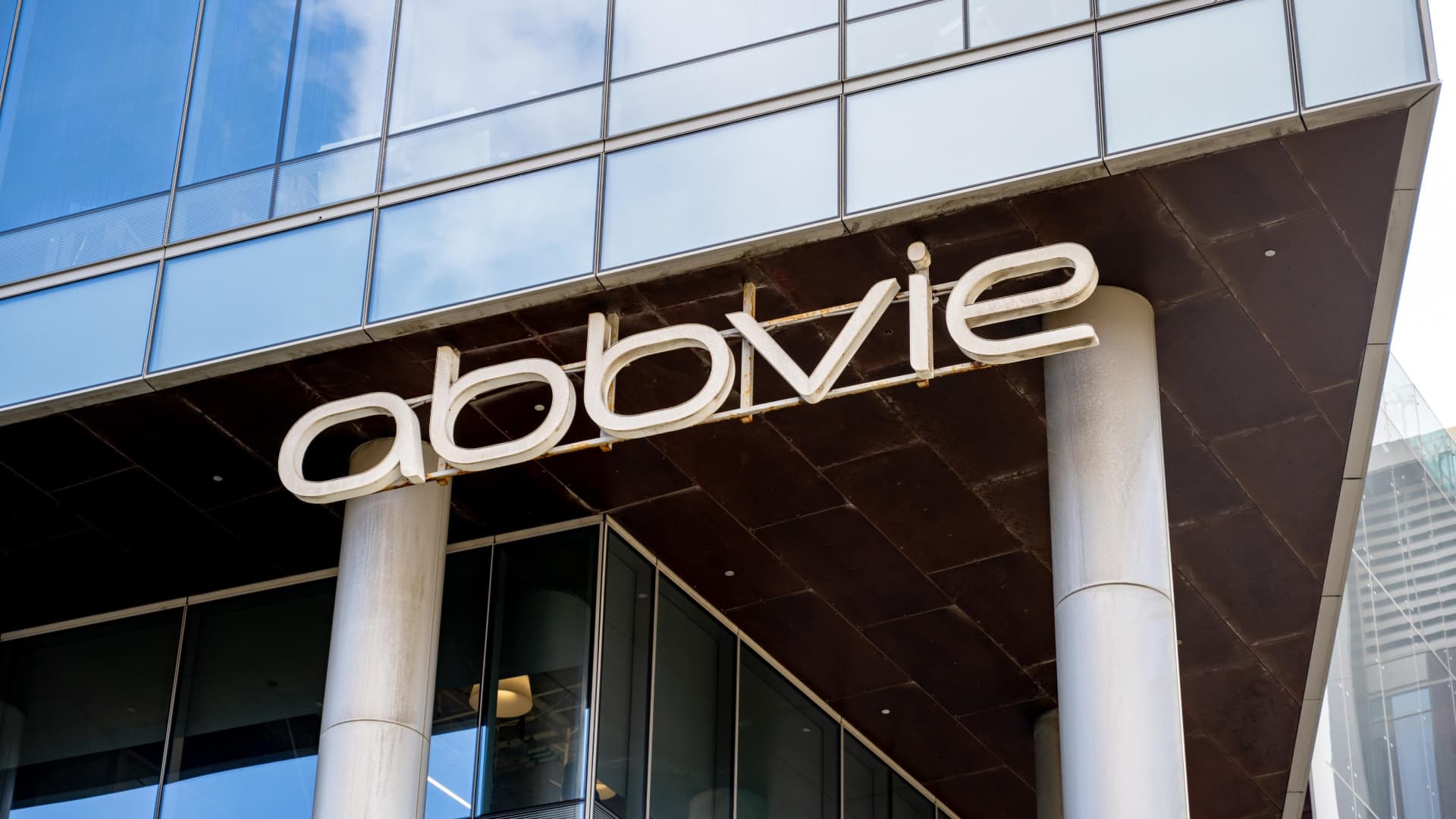
- Strong Individual Stock Performance: AbbVie is rated as a high-quality stock by Jefferies, with an expected compound annual growth rate of nearly 28% from 2026 to 2027 and first-quarter global net revenues of $15 billion, primarily driven by a $7.3 billion immunology portfolio, while Netflix also features on Jefferies' list despite an 18% decline in its stock price so far in 2026.
Jefferies Recommends Low-Stress Quality Stocks Amid AI Volatility
- AI Investment Risks: Jefferies highlights increasing market volatility due to concerns over AI investments, recommending that investors hold low-stress quality stocks to navigate potential risks, particularly as overinvestment in AI could lead to market corrections.
- Quality Company Screening: The high-quality companies recommended by Jefferies must have market values exceeding $10 billion, solid fundamentals, and long-term free cash flow yields above 3%, while also being valued at less than 20 times expected earnings over the next year to ensure stability in uncertain markets.
- AbbVie Standout Performance: AbbVie is rated as a top-quality stock by Jefferies, with an expected compound annual growth rate of nearly 28% for 2026-2027 and a free cash flow yield of 5.2%, reflecting a strong growth and cash flow combination, reporting $15 billion in global net revenues in Q1, largely driven by a $7.3 billion immunology portfolio.
- Cautious Outlook for Netflix: Although Netflix also received a high-quality score in Jefferies' model, forecasting a 13% revenue growth for Q2, its stock fell 10% in mid-April due to concentrated content spending in the first half, indicating market caution regarding its future performance.

Analysis of Retirement Income Growth Strategies

- Income Growth Potential: Starting with a 3.5% yield and assuming an 8% annual growth, a $35,000 income can grow to approximately $140,000 in 20 years, highlighting the critical importance of compounding effects in long-term retirement income.
- High-Yield Risks: High-yield instruments like mortgage REITs may offer substantial initial income, but as principal erodes, retirees will face significant purchasing power loss over a 25-year retirement, underscoring the need for stable growth investments.
- Advantages of Dividend Growth: Companies like Johnson & Johnson and Procter & Gamble have consistently raised dividends over the past decade, achieving 175% and 70 years of dividend growth respectively, demonstrating the effectiveness of dividend growth strategies in long-term investing.
- Capital Requirement Analysis: To achieve an annual income of $60,000, a 3.5% yield requires approximately $1.714 million in capital, while a 12% yield only needs $500,000; although high yields seem attractive, stable growth investments may prove more advantageous in the long run.

Home Improvement Showdown: Comparing Home Depot and Lowe's Growth Strategies
- Performance Comparison: For FY 2025, Home Depot reported sales of $164.7 billion, reflecting a 3.2% increase with a net income of $14.8 billion, showcasing its strong position in the professional market, while Lowe's generated $86.3 billion in revenue, up 3.1%, with a net income of $6.7 billion, indicating solid growth in the DIY segment.
- Acquisition and Expansion Strategies: Home Depot has enhanced its service capabilities for professional contractors by acquiring companies like SRS and GMS, aiming to become a one-stop shop for large renovation projects; Lowe's has expanded its branch network through the acquisitions of Foundation Building Materials and Artisan Design Group to better serve both homeowners and commercial clients.
- Risks and Challenges: Home Depot faces significant risks related to cybersecurity and regulatory scrutiny over data privacy, with recent legal challenges potentially impacting its reputation; Lowe's is sensitive to macroeconomic factors affecting the housing market, and it also faces operational risks during the integration of large acquisitions and its multi-year technology transformation.
- Future Growth Expectations: Analysts project Home Depot's sales to grow nearly 4% and net income to increase just over 1% in FY 2026, while Lowe's is expected to see sales growth of about 8% and net income growth of around 2.5%, with initiatives to enhance contractor customer experience through AI tools that reduce order fulfillment time from days to hours.
Analysis of Competition Among Home Improvement Giants
- Market Leadership: Home Depot achieved sales of $164.7 billion in FY 2025, reflecting a 3.2% year-over-year growth with a net income of $14.8 billion, underscoring its strong influence in the professional contractor market, which is expected to continue attracting high-value clients.
- Acquisition Expansion Strategy: Lowe's expanded its branch network through the acquisitions of Foundation Building Materials and Artisan Design Group, generating revenue of approximately $86.3 billion in FY 2025, a 3.1% increase, indicating its accelerating penetration into the professional market while balancing the needs of homeowners and commercial clients.
- Technological Innovation Drive: Lowe's introduced an AI-assisted tool that is expected to reduce pro order fulfillment time from days to hours, with first-quarter sales rising by 10%, demonstrating its effectiveness in enhancing customer experience and attracting contractor clients.
- Financial Health Comparison: Home Depot's debt-to-equity ratio stands at 5.1x, while Lowe's is at -4.5x; despite Lowe's being more attractive on a price-to-earnings and price-to-sales basis, the differences in their financial structures may influence investor choices.
Lowe's Stock Performance Analysis and Future Outlook
- Stock Fluctuation: Lowe's recent closing price of $223.78 reflects a 1.64% decline from the previous trading day, underperforming against the S&P 500's gain of 0.72%, indicating market caution regarding its short-term performance.
- Earnings Expectations: Lowe's is set to release its earnings report on August 19, 2026, with an expected EPS of $4.26, representing a 1.62% decline year-over-year, while revenue is projected at $26.25 billion, showing a 9.54% increase, highlighting the company's revenue growth potential.
- Valuation Analysis: Currently, Lowe's has a forward P/E ratio of 18.23, which is below the industry average of 23.84, suggesting that its stock may be undervalued in the current market environment, potentially attracting value investors.
- Industry Ranking: The Retail-Home Furnishings industry, where Lowe's operates, ranks 209 in the Zacks Industry Rank, placing it in the bottom 16% of over 250 industries, which may affect investor confidence in its long-term growth prospects.
Investors Concerned About Returns on AI Spending Amid Market Volatility
- Increased Market Volatility: Investor concerns regarding the returns on AI spending by major tech companies have led to significant market volatility, with the S&P 500 momentum index outperforming the broader market by over 70% since 2024, nearing levels seen during the dot-com bubble of the 1990s.
- Investment Strategy Shift: Jefferies recommends that investors hold high-quality, low-momentum stocks to navigate potential AI-induced market turbulence this summer, emphasizing the selection of companies with market values exceeding $10 billion and free cash flow yields above 3%.
- AI Investment Risks: Jefferies highlights that hyperscalers' capital spending in AI is projected to reach $700 billion, yet rising costs and shifting market sentiment could increase the risks associated with AI-led momentum strategies, which previously included materials and defense stocks before the outbreak of war with Iran.
- Strong Individual Stock Performance: AbbVie is rated as a high-quality stock by Jefferies, with an expected compound annual growth rate of nearly 28% from 2026 to 2027 and first-quarter global net revenues of $15 billion, primarily driven by a $7.3 billion immunology portfolio, while Netflix also features on Jefferies' list despite an 18% decline in its stock price so far in 2026.
Jefferies Recommends Low-Stress Quality Stocks Amid AI Volatility
- AI Investment Risks: Jefferies highlights increasing market volatility due to concerns over AI investments, recommending that investors hold low-stress quality stocks to navigate potential risks, particularly as overinvestment in AI could lead to market corrections.
- Quality Company Screening: The high-quality companies recommended by Jefferies must have market values exceeding $10 billion, solid fundamentals, and long-term free cash flow yields above 3%, while also being valued at less than 20 times expected earnings over the next year to ensure stability in uncertain markets.
- AbbVie Standout Performance: AbbVie is rated as a top-quality stock by Jefferies, with an expected compound annual growth rate of nearly 28% for 2026-2027 and a free cash flow yield of 5.2%, reflecting a strong growth and cash flow combination, reporting $15 billion in global net revenues in Q1, largely driven by a $7.3 billion immunology portfolio.
- Cautious Outlook for Netflix: Although Netflix also received a high-quality score in Jefferies' model, forecasting a 13% revenue growth for Q2, its stock fell 10% in mid-April due to concentrated content spending in the first half, indicating market caution regarding its future performance.
Analysis of Retirement Income Growth Strategies
- Income Growth Potential: Starting with a 3.5% yield and assuming an 8% annual growth, a $35,000 income can grow to approximately $140,000 in 20 years, highlighting the critical importance of compounding effects in long-term retirement income.
- High-Yield Risks: High-yield instruments like mortgage REITs may offer substantial initial income, but as principal erodes, retirees will face significant purchasing power loss over a 25-year retirement, underscoring the need for stable growth investments.
- Advantages of Dividend Growth: Companies like Johnson & Johnson and Procter & Gamble have consistently raised dividends over the past decade, achieving 175% and 70 years of dividend growth respectively, demonstrating the effectiveness of dividend growth strategies in long-term investing.
- Capital Requirement Analysis: To achieve an annual income of $60,000, a 3.5% yield requires approximately $1.714 million in capital, while a 12% yield only needs $500,000; although high yields seem attractive, stable growth investments may prove more advantageous in the long run.
Home Improvement Showdown: Comparing Home Depot and Lowe's Growth Strategies
- Performance Comparison: For FY 2025, Home Depot reported sales of $164.7 billion, reflecting a 3.2% increase with a net income of $14.8 billion, showcasing its strong position in the professional market, while Lowe's generated $86.3 billion in revenue, up 3.1%, with a net income of $6.7 billion, indicating solid growth in the DIY segment.
- Acquisition and Expansion Strategies: Home Depot has enhanced its service capabilities for professional contractors by acquiring companies like SRS and GMS, aiming to become a one-stop shop for large renovation projects; Lowe's has expanded its branch network through the acquisitions of Foundation Building Materials and Artisan Design Group to better serve both homeowners and commercial clients.
- Risks and Challenges: Home Depot faces significant risks related to cybersecurity and regulatory scrutiny over data privacy, with recent legal challenges potentially impacting its reputation; Lowe's is sensitive to macroeconomic factors affecting the housing market, and it also faces operational risks during the integration of large acquisitions and its multi-year technology transformation.
- Future Growth Expectations: Analysts project Home Depot's sales to grow nearly 4% and net income to increase just over 1% in FY 2026, while Lowe's is expected to see sales growth of about 8% and net income growth of around 2.5%, with initiatives to enhance contractor customer experience through AI tools that reduce order fulfillment time from days to hours.
Analysis of Competition Among Home Improvement Giants
- Market Leadership: Home Depot achieved sales of $164.7 billion in FY 2025, reflecting a 3.2% year-over-year growth with a net income of $14.8 billion, underscoring its strong influence in the professional contractor market, which is expected to continue attracting high-value clients.
- Acquisition Expansion Strategy: Lowe's expanded its branch network through the acquisitions of Foundation Building Materials and Artisan Design Group, generating revenue of approximately $86.3 billion in FY 2025, a 3.1% increase, indicating its accelerating penetration into the professional market while balancing the needs of homeowners and commercial clients.
- Technological Innovation Drive: Lowe's introduced an AI-assisted tool that is expected to reduce pro order fulfillment time from days to hours, with first-quarter sales rising by 10%, demonstrating its effectiveness in enhancing customer experience and attracting contractor clients.
- Financial Health Comparison: Home Depot's debt-to-equity ratio stands at 5.1x, while Lowe's is at -4.5x; despite Lowe's being more attractive on a price-to-earnings and price-to-sales basis, the differences in their financial structures may influence investor choices.