Lowe's AI Strategy Compared to Home Depot Amid Market Decline
Lowe's Companies Inc. saw its stock drop as it hit a 20-day low, reflecting broader market trends with the Nasdaq-100 down 1.22% and the S&P 500 down 1.27%.
Despite the decline, Lowe's is actively enhancing its customer service through the launch of the Mylow digital assistant in collaboration with OpenAI, aimed at improving the DIY customer experience. This strategic move highlights Lowe's commitment to leveraging AI technology to boost sales efficiency and customer interaction, even as it faces challenges in a competitive market.
The implications of Lowe's AI initiatives could position the company favorably in the long term, as it seeks to differentiate itself from competitors like Home Depot, which is focusing on contractor services. Investors may want to monitor how these technological advancements impact Lowe's market share and overall performance.
Trade with 70% Backtested Accuracy
Analyst Views on LOW

About LOW
About the author


Investment Choices in Home Improvement Market Analysis
- Lowe's Performance Overview: In fiscal 2025, Lowe's achieved revenue of $86 billion, reflecting a growth of approximately 3%, with a net income of about $6.7 billion and a net margin of 7.7%, indicating its stability and profitability in the home improvement market.
- Home Depot Highlights: Home Depot reported nearly $165 billion in revenue for 2025, growing around 3.2%, with a net income of approximately $14.2 billion and a net margin of 8.6%, showcasing its strong performance and profitability in the market.
- Competitive Risk Analysis: Lowe's faces intense competition from retail giants like Walmart and Amazon, with its performance heavily reliant on the health of the housing market and consumer spending, while Home Depot is sensitive to high interest rates that may slow down large renovation projects.
- Valuation Comparison: Lowe's forward P/E ratio stands at 17x, lower than Home Depot's 20.7x, and its P/S ratio is 1.4x compared to Home Depot's 1.9x, indicating a more attractive value proposition and growth potential moving forward.

Lowe's vs Home Depot: Market Competition Analysis
- Market Positioning Differences: Lowe's focuses on DIY consumers with 1,748 stores and $86 billion in revenue for fiscal 2025, yielding a net income of approximately $6.7 billion and a net margin of 7.7%, while Home Depot serves a broader customer base with nearly $165 billion in revenue and a net income of about $14.2 billion, reflecting a net margin of 8.6%.
- Financial Health Comparison: As of January 2026, Lowe's debt-to-equity ratio stands at 4.2 with a current ratio of approximately 1.1 and free cash flow nearing $7.7 billion; in contrast, Home Depot's debt-to-equity ratio is 5.1 with free cash flow reaching $12.6 billion, highlighting differing financial management strategies.
- Growth Potential Assessment: Analysts project Lowe's annual earnings growth at about 9%, surpassing Home Depot's 5%, while Lowe's forward P/E ratio of 17 is lower than Home Depot's 21, indicating that Lowe's may offer higher investment return potential in the current market environment.
- Competitive Risk Analysis: Lowe's faces intense competition from Walmart and Amazon, with its performance heavily reliant on the health of the housing market, whereas Home Depot may be impacted by high interest rates affecting large renovation projects, necessitating both companies to maintain competitiveness in pricing and service to avoid market share loss.

Market Performance Review Since Last CNBC Investing Club Meeting


- Overall Market Performance: Since the April 16 meeting, the S&P 500 has risen by 6.7% and the Nasdaq by 10.6%, indicating a strong market rebound and significantly boosting investor confidence in equities.
- Outstanding Performance by Arm: Arm's stock surged 97.9% since our position initiation, driven by robust demand expectations for CPUs, particularly in the AI sector, with projected revenues of $20 billion this year greatly enhancing its royalty business.
- Cybersecurity Stocks Rebound: CrowdStrike and Palo Alto Networks saw increases of 60.6% and 53.8%, respectively, and despite ZScaler's negative impact, the market remains optimistic about their growth prospects, with price targets raised by multiple Wall Street firms.
- Underperformance of Meta and Home Depot: Meta's stock fell 9.5% primarily due to investor concerns over its spending on generative AI, while Home Depot dropped 7.9% as high mortgage rates dampened growth expectations, reflecting a lack of confidence in their future performance.
Wall Street Trading Week Outlook and Focus
- Salesforce Earnings Outlook: Salesforce is set to report earnings on Wednesday, with market concerns about its AI business still prevalent; analysts expect revenue of $11.05 billion and EPS of $3.12, and strong revenue growth could alleviate worries about slowing growth in its legacy business.
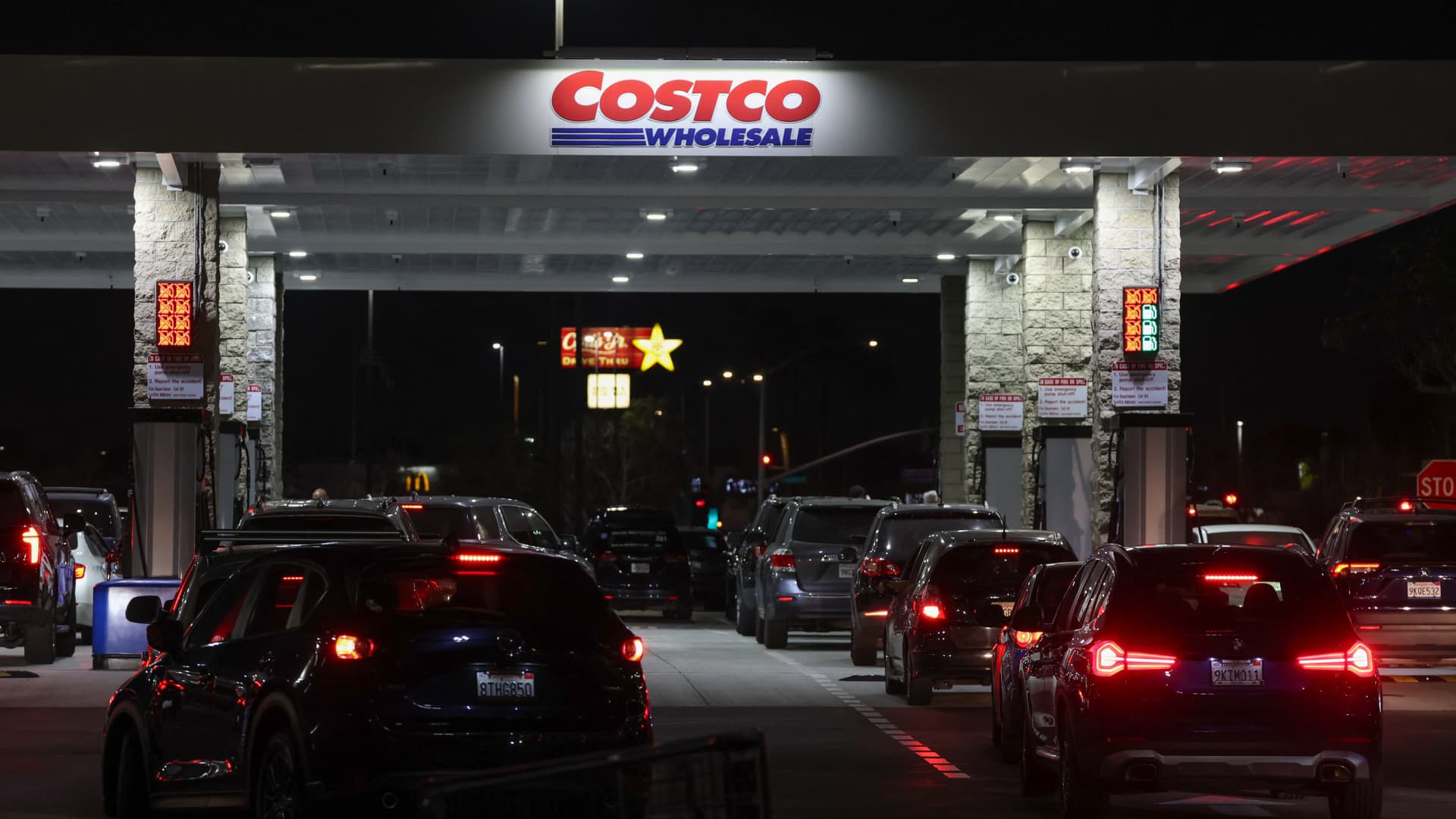
- Costco Membership Renewal Challenges: Costco will report earnings on Thursday, with expected revenue of $69.73 billion and EPS of $4.93; while high oil prices may pressure profit margins, its membership model and bulk selling strategy are likely to attract consumers, especially during periods of rising gas prices.
- Economic Data Focus: The personal consumption expenditures (PCE) price index will be released on Thursday, with a year-over-year increase expected at 3.8% and a core increase of 3.3%, which will influence the Federal Reserve's rate hike decisions, leaving the market uncertain about future rate changes.
- Investor Conference Season: This week marks the start of investor conference season, with Boeing, Johnson & Johnson, and others attending the Bernstein Strategic Decisions Conference, where analyst questions may reveal insights into market perceptions of company futures, making it a key event to watch.
Home Depot Matches Lowe's Comparable Sales, Boosting Investor Confidence
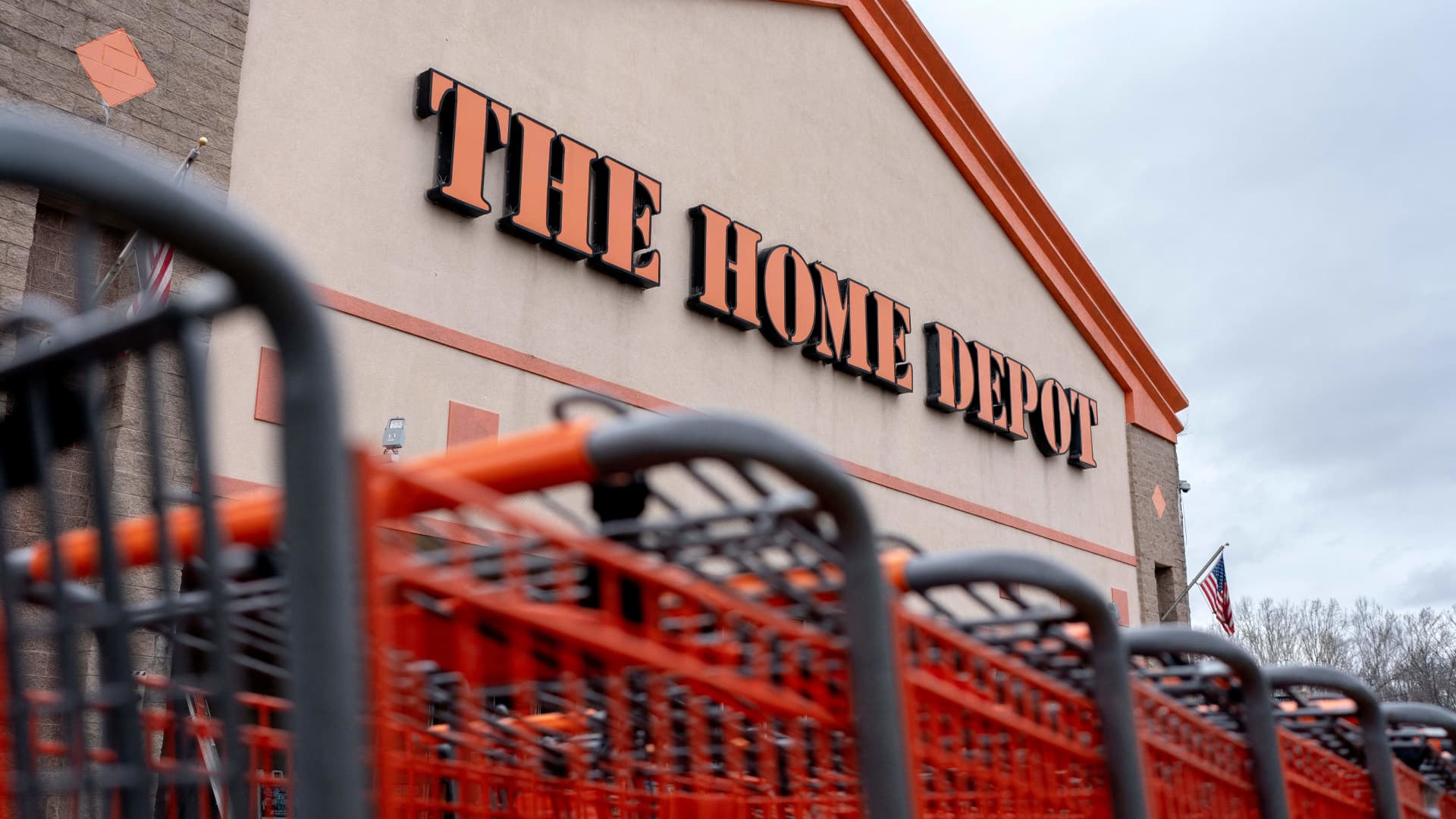
- Comparable Sales Growth: Home Depot and Lowe's both reported a 0.6% increase in comparable sales for Q1, indicating a leveling competitive landscape that boosts investor confidence in Home Depot, despite a 15% decline in its stock over the past year.
- Stock Price Surge: Following its earnings report, Home Depot's shares jumped over 5%, reflecting market approval of its strategic shift towards the Pro market, while Lowe's shares fell by 1.5% due to underwhelming results.
- Future Outlook: Analysts predict that Home Depot will maintain parity with Lowe's in the upcoming quarters, with growth rates of 0.9% and 1.5%, respectively, and may begin to outpace Lowe's thereafter, showcasing its strong performance in the Pro market.
- Acquisition Strategy: Home Depot's completion of the over $18 billion acquisition of SRS in 2024 enhances its market share in the Pro business, expected to drive future growth, although current high mortgage rates pose challenges to the overall market.
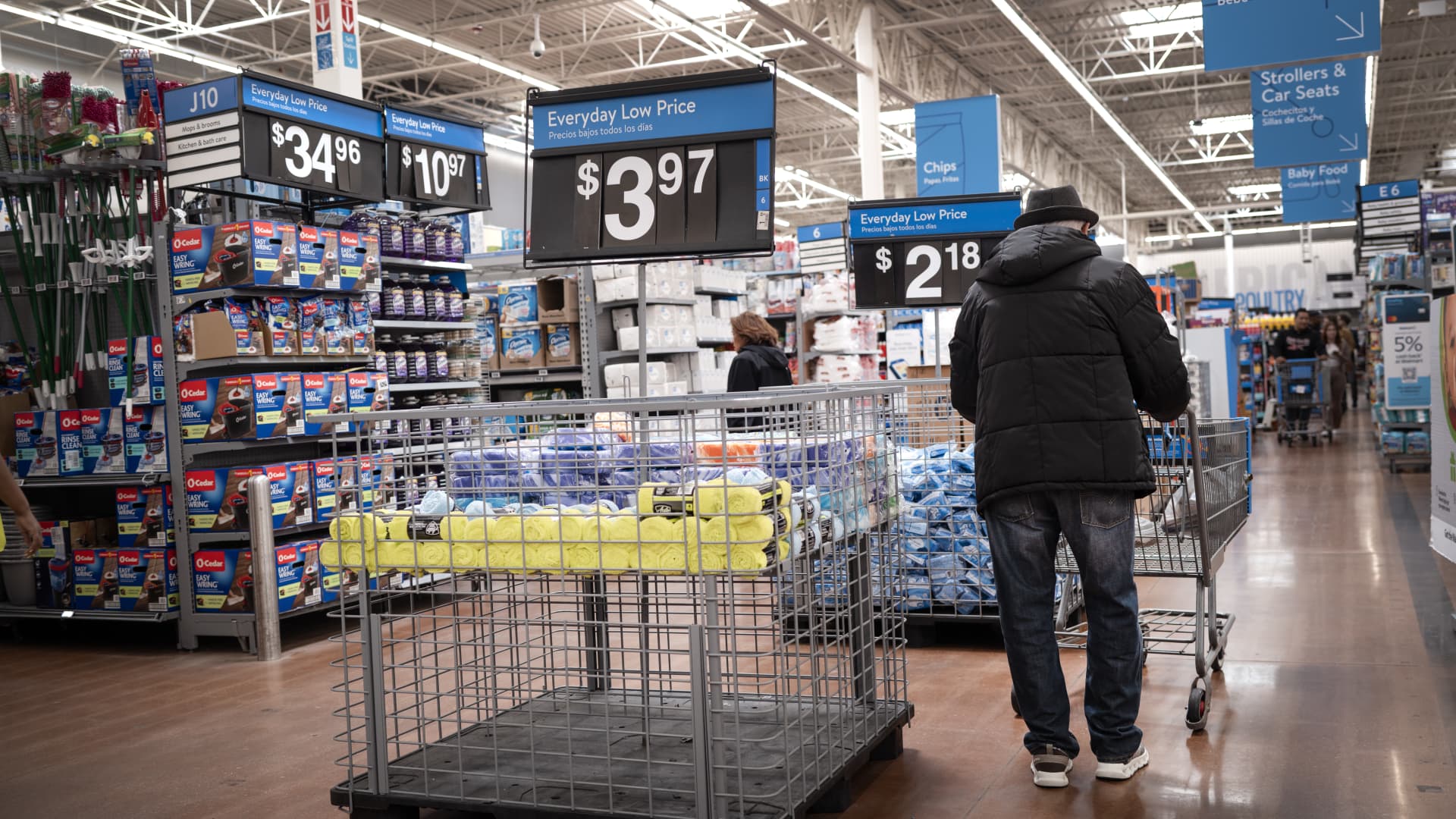
U.S. Companies Rush to Apply for Tariff Refunds


- Corporate Refund Applications: Following President Trump's suggestion to monitor companies that do not seek tariff refunds, major U.S. firms like Walmart and Apple have confirmed they are applying for refunds despite potential political risks, indicating a willingness to risk government relations for financial gain.
- Significant Refund Amounts: U.S. Customs and Border Protection reported that over $35 billion in refunds have been processed, with the government owing approximately $166 billion overall, providing substantial financial incentives for companies to pursue refunds, especially under current economic pressures to maximize shareholder returns.
- Walmart's Strategy: Walmart's finance chief confirmed the company applied for IEEPA tariff refunds, although expecting minimal impact on overall business; nonetheless, it plans to use any received funds to lower consumer prices, demonstrating a commitment to customer value amid competitive market pressures.
- Apple's Innovation Investment: In response to Trump's comments, Apple has decided to apply for tariff refunds and plans to reinvest any recovered funds into U.S. innovation and advanced manufacturing, reflecting the company's strategy to align with government priorities while addressing market demands and enhancing its competitive edge.
Investment Choices in Home Improvement Market Analysis
- Lowe's Performance Overview: In fiscal 2025, Lowe's achieved revenue of $86 billion, reflecting a growth of approximately 3%, with a net income of about $6.7 billion and a net margin of 7.7%, indicating its stability and profitability in the home improvement market.
- Home Depot Highlights: Home Depot reported nearly $165 billion in revenue for 2025, growing around 3.2%, with a net income of approximately $14.2 billion and a net margin of 8.6%, showcasing its strong performance and profitability in the market.
- Competitive Risk Analysis: Lowe's faces intense competition from retail giants like Walmart and Amazon, with its performance heavily reliant on the health of the housing market and consumer spending, while Home Depot is sensitive to high interest rates that may slow down large renovation projects.
- Valuation Comparison: Lowe's forward P/E ratio stands at 17x, lower than Home Depot's 20.7x, and its P/S ratio is 1.4x compared to Home Depot's 1.9x, indicating a more attractive value proposition and growth potential moving forward.
Lowe's vs Home Depot: Market Competition Analysis
- Market Positioning Differences: Lowe's focuses on DIY consumers with 1,748 stores and $86 billion in revenue for fiscal 2025, yielding a net income of approximately $6.7 billion and a net margin of 7.7%, while Home Depot serves a broader customer base with nearly $165 billion in revenue and a net income of about $14.2 billion, reflecting a net margin of 8.6%.
- Financial Health Comparison: As of January 2026, Lowe's debt-to-equity ratio stands at 4.2 with a current ratio of approximately 1.1 and free cash flow nearing $7.7 billion; in contrast, Home Depot's debt-to-equity ratio is 5.1 with free cash flow reaching $12.6 billion, highlighting differing financial management strategies.
- Growth Potential Assessment: Analysts project Lowe's annual earnings growth at about 9%, surpassing Home Depot's 5%, while Lowe's forward P/E ratio of 17 is lower than Home Depot's 21, indicating that Lowe's may offer higher investment return potential in the current market environment.
- Competitive Risk Analysis: Lowe's faces intense competition from Walmart and Amazon, with its performance heavily reliant on the health of the housing market, whereas Home Depot may be impacted by high interest rates affecting large renovation projects, necessitating both companies to maintain competitiveness in pricing and service to avoid market share loss.
Market Performance Review Since Last CNBC Investing Club Meeting
- Overall Market Performance: Since the April 16 meeting, the S&P 500 has risen by 6.7% and the Nasdaq by 10.6%, indicating a strong market rebound and significantly boosting investor confidence in equities.
- Outstanding Performance by Arm: Arm's stock surged 97.9% since our position initiation, driven by robust demand expectations for CPUs, particularly in the AI sector, with projected revenues of $20 billion this year greatly enhancing its royalty business.
- Cybersecurity Stocks Rebound: CrowdStrike and Palo Alto Networks saw increases of 60.6% and 53.8%, respectively, and despite ZScaler's negative impact, the market remains optimistic about their growth prospects, with price targets raised by multiple Wall Street firms.
- Underperformance of Meta and Home Depot: Meta's stock fell 9.5% primarily due to investor concerns over its spending on generative AI, while Home Depot dropped 7.9% as high mortgage rates dampened growth expectations, reflecting a lack of confidence in their future performance.
Wall Street Trading Week Outlook and Focus
- Salesforce Earnings Outlook: Salesforce is set to report earnings on Wednesday, with market concerns about its AI business still prevalent; analysts expect revenue of $11.05 billion and EPS of $3.12, and strong revenue growth could alleviate worries about slowing growth in its legacy business.
- Costco Membership Renewal Challenges: Costco will report earnings on Thursday, with expected revenue of $69.73 billion and EPS of $4.93; while high oil prices may pressure profit margins, its membership model and bulk selling strategy are likely to attract consumers, especially during periods of rising gas prices.
- Economic Data Focus: The personal consumption expenditures (PCE) price index will be released on Thursday, with a year-over-year increase expected at 3.8% and a core increase of 3.3%, which will influence the Federal Reserve's rate hike decisions, leaving the market uncertain about future rate changes.
- Investor Conference Season: This week marks the start of investor conference season, with Boeing, Johnson & Johnson, and others attending the Bernstein Strategic Decisions Conference, where analyst questions may reveal insights into market perceptions of company futures, making it a key event to watch.
Home Depot Matches Lowe's Comparable Sales, Boosting Investor Confidence
- Comparable Sales Growth: Home Depot and Lowe's both reported a 0.6% increase in comparable sales for Q1, indicating a leveling competitive landscape that boosts investor confidence in Home Depot, despite a 15% decline in its stock over the past year.
- Stock Price Surge: Following its earnings report, Home Depot's shares jumped over 5%, reflecting market approval of its strategic shift towards the Pro market, while Lowe's shares fell by 1.5% due to underwhelming results.
- Future Outlook: Analysts predict that Home Depot will maintain parity with Lowe's in the upcoming quarters, with growth rates of 0.9% and 1.5%, respectively, and may begin to outpace Lowe's thereafter, showcasing its strong performance in the Pro market.
- Acquisition Strategy: Home Depot's completion of the over $18 billion acquisition of SRS in 2024 enhances its market share in the Pro business, expected to drive future growth, although current high mortgage rates pose challenges to the overall market.
U.S. Companies Rush to Apply for Tariff Refunds
- Corporate Refund Applications: Following President Trump's suggestion to monitor companies that do not seek tariff refunds, major U.S. firms like Walmart and Apple have confirmed they are applying for refunds despite potential political risks, indicating a willingness to risk government relations for financial gain.
- Significant Refund Amounts: U.S. Customs and Border Protection reported that over $35 billion in refunds have been processed, with the government owing approximately $166 billion overall, providing substantial financial incentives for companies to pursue refunds, especially under current economic pressures to maximize shareholder returns.
- Walmart's Strategy: Walmart's finance chief confirmed the company applied for IEEPA tariff refunds, although expecting minimal impact on overall business; nonetheless, it plans to use any received funds to lower consumer prices, demonstrating a commitment to customer value amid competitive market pressures.
- Apple's Innovation Investment: In response to Trump's comments, Apple has decided to apply for tariff refunds and plans to reinvest any recovered funds into U.S. innovation and advanced manufacturing, reflecting the company's strategy to align with government priorities while addressing market demands and enhancing its competitive edge.