

Lockheed Martin Reports Q1 2026 Earnings Amid Strategic Agreements
Lockheed Martin's stock fell 4.44% as it hit a 20-day low amid broader market gains, with the Nasdaq-100 up 1.78% and the S&P 500 up 0.69%.
In Q1 2026, Lockheed Martin reported stable sales of $18 billion, unchanged from Q1 2025, but net earnings declined to $1.5 billion, reflecting pressures from rising costs. The company reaffirmed its full-year guidance, expecting sales and operating profit growth of approximately 5% and 25%, respectively. Additionally, Lockheed Martin entered into several framework agreements with the U.S. government to accelerate munitions production, which is expected to increase production capacity significantly, further solidifying its leadership in the defense market.
Despite the earnings decline, the reaffirmed guidance and strategic agreements indicate a positive outlook for Lockheed Martin, suggesting potential recovery in stock performance as market conditions stabilize.
Trade with 70% Backtested Accuracy
Analyst Views on LMT

About LMT
About the author


Lockheed Martin Celebrates 75th Anniversary with Job Growth and Innovation

- Historic Milestone: Lockheed Martin celebrates its 75th anniversary in Marietta, Georgia, showcasing cutting-edge technology and innovation that ensure the delivery of solutions for the nation and its allies, highlighting its critical role in global security.
- Job Creation: The announcement of 1,200 new jobs in Marietta not only injects vitality into Georgia's economy but also creates meaningful career opportunities for local residents, supporting the production of world-class aircraft like the C-130J Super Hercules and F-35 Lightning II.
- Economic Impact: In 2025, Lockheed Martin generated $4.5 billion in economic impact for Georgia, employing 5,600 people, with the Marietta site serving as a global hub that provides production, sustainment, and a robust supply chain for U.S. and international customers.
- Community Contribution: Lockheed Martin employees contribute 21,000 volunteer hours annually to the community and partner with technical colleges and universities to promote STEM initiatives, demonstrating the company's commitment to social responsibility.
Comparing Value: Lockheed Martin vs. RTX

- Revenue Growth Comparison: Lockheed Martin reported $75.1 billion in revenue for FY 2025, reflecting a 5.7% increase, while RTX achieved $88.6 billion, marking approximately 9.8% growth, indicating RTX's robust performance in a diversified market.
- Profit and Cash Flow: Lockheed Martin generated over $5 billion in net income with free cash flow of $6.9 billion, despite a debt-to-equity ratio of 3.2x, as its long-term F-35 contracts provide stable revenue streams.
- Market Risks and Opportunities: Lockheed Martin faces risks from shifting U.S. government budget priorities and a $4.25 billion lawsuit from SDR Group, while RTX struggles with global supply chain constraints and labor shortages, impacting production efficiency.
- Investment Value Assessment: Although Lockheed Martin trades at a lower earnings multiple than RTX, its slightly lower net margin suggests that, in the current geopolitical environment, Lockheed Martin may represent a more attractive investment choice.
Value Comparison Between Lockheed Martin and RTX
- Financial Performance Comparison: Lockheed Martin's FY 2025 revenue reached approximately $75.1 billion, reflecting a 5.7% growth with a net income exceeding $5 billion, showcasing strong performance in defense, particularly with the F-35 program contributing 27% of total sales, ensuring long-term revenue stability.
- Market Share and Risks: RTX achieved $88.6 billion in revenue for FY 2025, a 9.8% increase, with a net income of around $6.7 billion and nearly 47% of sales from international customers, indicating broad global reach, but it faces challenges from global supply chain constraints and labor shortages.
- Debt and Cash Flow Status: Lockheed Martin's debt-to-equity ratio stands at 3.2x with free cash flow of $6.9 billion, indicating a higher reliance on borrowing; in contrast, RTX's ratio is 0.6x with free cash flow of $7.94 billion, reflecting a more stable financial position.
- Valuation Comparison: Lockheed Martin trades at a forward P/E of 17x, significantly lower than RTX's 26.7x, and while its net margin is slightly lower, it presents a more attractive price-to-earnings ratio, making it appealing for long-term investors.
Investment Value Comparison: Lockheed Martin vs. RTX
- Market Position of Lockheed Martin: In FY 2025, Lockheed Martin reported revenues of $75.1 billion, reflecting a 5.7% increase, with the F-35 program contributing nearly 27% of total sales, underscoring its strong influence and stability in the defense sector.
- Diversification Advantage of RTX: RTX achieved revenues of $88.6 billion in FY 2025, growing approximately 9.8%, with international customers accounting for nearly 47%, indicating its broad coverage in both commercial and government aviation markets, thereby reducing reliance on any single government program.
- Risks and Challenges: Lockheed Martin faces risks from shifting U.S. government budget priorities and ongoing cost overruns and technical performance issues related to the F-35 program, while RTX must navigate rising production costs due to global supply chain constraints and labor shortages.
- Valuation Comparison: Lockheed Martin's forward P/E ratio stands at 17x, significantly lower than RTX's 26.7x, and while its net margin is slightly lower, Lockheed Martin is viewed as a more attractive investment choice when considering price versus value.
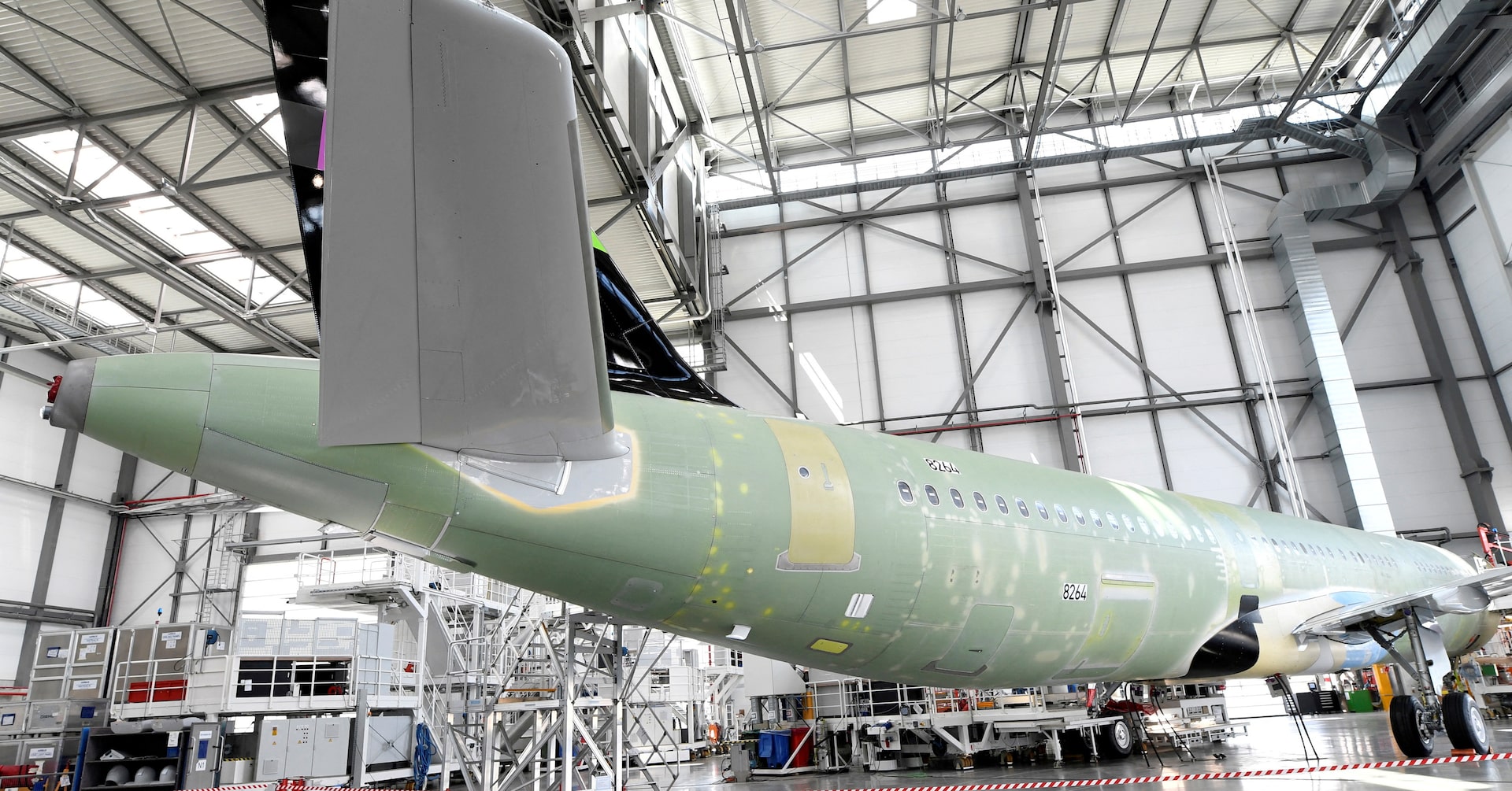
GKN Aerospace Factory to Restart Limited Production After Safety Checks

- Production Restart Plan: GKN Aerospace's California factory plans to restart limited production after safety checks, following a late May incident that prompted the evacuation of 50,000 residents, demonstrating the company's crisis management capabilities.
- Safety Checks Underway: Employees have begun returning to the facility this week to conduct safety checks, ensuring that parts of the facility unaffected by the incident can resume operations, indicating the company's commitment to employee safety while striving to meet market demand.
- Capacity Expansion: GKN announced plans to establish a new production line near the facility in 2024 to double the manufacturing capacity of F-35 canopies by January 2027, reflecting the company's confidence in future aerospace market demand.
- Supply Chain Impact Assessment: Multiple agencies are investigating the factory; while Airbus and Lockheed Martin report no current production impact, the incident may pose potential risks to supply chain stability, prompting stakeholders to reassess collaboration strategies.
Tech Stocks Surge; Lockheed Martin and RTX Show Steady Growth
- Lockheed Martin Sales Growth: Lockheed Martin's first-quarter sales reached $18 billion, a 0.3% increase year-over-year, and despite some delays, management expects annual sales growth between 3% and 7%, reaching $77.5 billion to $80 billion, indicating stability in defense spending.
- Consistent Dividend Increases: Lockheed Martin announced a 5% increase in its quarterly dividend to $3.45 per share last October, marking 23 consecutive years of increases, with a dividend yield of 2.6%, significantly higher than the S&P 500's 1.1%, boosting investor confidence.
- RTX Post-Merger Performance: Since its merger in 2020, RTX has achieved a stock return of 325.4%, outperforming the S&P 500's 227.3%, demonstrating value creation from the merger, with management projecting sales growth of 5% to 6% for 2026.
- Dividend Increase Signals Confidence: RTX recently raised its quarterly dividend by 7.4% to $0.73 per share, with a payout ratio of 51%, indicating management's confidence in future performance, while offering a 1.6% dividend yield that attracts long-term investors.
Lockheed Martin Celebrates 75th Anniversary with Job Growth and Innovation
- Historic Milestone: Lockheed Martin celebrates its 75th anniversary in Marietta, Georgia, showcasing cutting-edge technology and innovation that ensure the delivery of solutions for the nation and its allies, highlighting its critical role in global security.
- Job Creation: The announcement of 1,200 new jobs in Marietta not only injects vitality into Georgia's economy but also creates meaningful career opportunities for local residents, supporting the production of world-class aircraft like the C-130J Super Hercules and F-35 Lightning II.
- Economic Impact: In 2025, Lockheed Martin generated $4.5 billion in economic impact for Georgia, employing 5,600 people, with the Marietta site serving as a global hub that provides production, sustainment, and a robust supply chain for U.S. and international customers.
- Community Contribution: Lockheed Martin employees contribute 21,000 volunteer hours annually to the community and partner with technical colleges and universities to promote STEM initiatives, demonstrating the company's commitment to social responsibility.
Comparing Value: Lockheed Martin vs. RTX
- Revenue Growth Comparison: Lockheed Martin reported $75.1 billion in revenue for FY 2025, reflecting a 5.7% increase, while RTX achieved $88.6 billion, marking approximately 9.8% growth, indicating RTX's robust performance in a diversified market.
- Profit and Cash Flow: Lockheed Martin generated over $5 billion in net income with free cash flow of $6.9 billion, despite a debt-to-equity ratio of 3.2x, as its long-term F-35 contracts provide stable revenue streams.
- Market Risks and Opportunities: Lockheed Martin faces risks from shifting U.S. government budget priorities and a $4.25 billion lawsuit from SDR Group, while RTX struggles with global supply chain constraints and labor shortages, impacting production efficiency.
- Investment Value Assessment: Although Lockheed Martin trades at a lower earnings multiple than RTX, its slightly lower net margin suggests that, in the current geopolitical environment, Lockheed Martin may represent a more attractive investment choice.
Value Comparison Between Lockheed Martin and RTX
- Financial Performance Comparison: Lockheed Martin's FY 2025 revenue reached approximately $75.1 billion, reflecting a 5.7% growth with a net income exceeding $5 billion, showcasing strong performance in defense, particularly with the F-35 program contributing 27% of total sales, ensuring long-term revenue stability.
- Market Share and Risks: RTX achieved $88.6 billion in revenue for FY 2025, a 9.8% increase, with a net income of around $6.7 billion and nearly 47% of sales from international customers, indicating broad global reach, but it faces challenges from global supply chain constraints and labor shortages.
- Debt and Cash Flow Status: Lockheed Martin's debt-to-equity ratio stands at 3.2x with free cash flow of $6.9 billion, indicating a higher reliance on borrowing; in contrast, RTX's ratio is 0.6x with free cash flow of $7.94 billion, reflecting a more stable financial position.
- Valuation Comparison: Lockheed Martin trades at a forward P/E of 17x, significantly lower than RTX's 26.7x, and while its net margin is slightly lower, it presents a more attractive price-to-earnings ratio, making it appealing for long-term investors.
Investment Value Comparison: Lockheed Martin vs. RTX
- Market Position of Lockheed Martin: In FY 2025, Lockheed Martin reported revenues of $75.1 billion, reflecting a 5.7% increase, with the F-35 program contributing nearly 27% of total sales, underscoring its strong influence and stability in the defense sector.
- Diversification Advantage of RTX: RTX achieved revenues of $88.6 billion in FY 2025, growing approximately 9.8%, with international customers accounting for nearly 47%, indicating its broad coverage in both commercial and government aviation markets, thereby reducing reliance on any single government program.
- Risks and Challenges: Lockheed Martin faces risks from shifting U.S. government budget priorities and ongoing cost overruns and technical performance issues related to the F-35 program, while RTX must navigate rising production costs due to global supply chain constraints and labor shortages.
- Valuation Comparison: Lockheed Martin's forward P/E ratio stands at 17x, significantly lower than RTX's 26.7x, and while its net margin is slightly lower, Lockheed Martin is viewed as a more attractive investment choice when considering price versus value.
GKN Aerospace Factory to Restart Limited Production After Safety Checks
- Production Restart Plan: GKN Aerospace's California factory plans to restart limited production after safety checks, following a late May incident that prompted the evacuation of 50,000 residents, demonstrating the company's crisis management capabilities.
- Safety Checks Underway: Employees have begun returning to the facility this week to conduct safety checks, ensuring that parts of the facility unaffected by the incident can resume operations, indicating the company's commitment to employee safety while striving to meet market demand.
- Capacity Expansion: GKN announced plans to establish a new production line near the facility in 2024 to double the manufacturing capacity of F-35 canopies by January 2027, reflecting the company's confidence in future aerospace market demand.
- Supply Chain Impact Assessment: Multiple agencies are investigating the factory; while Airbus and Lockheed Martin report no current production impact, the incident may pose potential risks to supply chain stability, prompting stakeholders to reassess collaboration strategies.
Tech Stocks Surge; Lockheed Martin and RTX Show Steady Growth
- Lockheed Martin Sales Growth: Lockheed Martin's first-quarter sales reached $18 billion, a 0.3% increase year-over-year, and despite some delays, management expects annual sales growth between 3% and 7%, reaching $77.5 billion to $80 billion, indicating stability in defense spending.
- Consistent Dividend Increases: Lockheed Martin announced a 5% increase in its quarterly dividend to $3.45 per share last October, marking 23 consecutive years of increases, with a dividend yield of 2.6%, significantly higher than the S&P 500's 1.1%, boosting investor confidence.
- RTX Post-Merger Performance: Since its merger in 2020, RTX has achieved a stock return of 325.4%, outperforming the S&P 500's 227.3%, demonstrating value creation from the merger, with management projecting sales growth of 5% to 6% for 2026.
- Dividend Increase Signals Confidence: RTX recently raised its quarterly dividend by 7.4% to $0.73 per share, with a payout ratio of 51%, indicating management's confidence in future performance, while offering a 1.6% dividend yield that attracts long-term investors.





