Joby Aviation faces challenges amid market downturn

Joby Aviation Inc. saw its stock drop by 5.01%, hitting a 5-day low, as broader market indices like the Nasdaq-100 and S&P 500 fell significantly.
Despite Joby's plans to double its aircraft production by 2027 and its participation in multiple projects with the U.S. Department of Transportation, the stock's decline reflects sector rotation amid a broader market weakness, with the Nasdaq-100 down 1.74% and the S&P 500 down 1.57%. Investors are cautious as Joby reported a substantial net loss of nearly $930 million in 2025, raising concerns about its financial stability despite having over $1.4 billion in cash.
The implications of these market conditions suggest that while Joby has promising growth plans, the current economic environment poses significant challenges that could impact its stock performance in the near term.
Trade with 70% Backtested Accuracy
Analyst Views on JOBY

About JOBY
About the author

Three Stocks with Huge Growth Potential
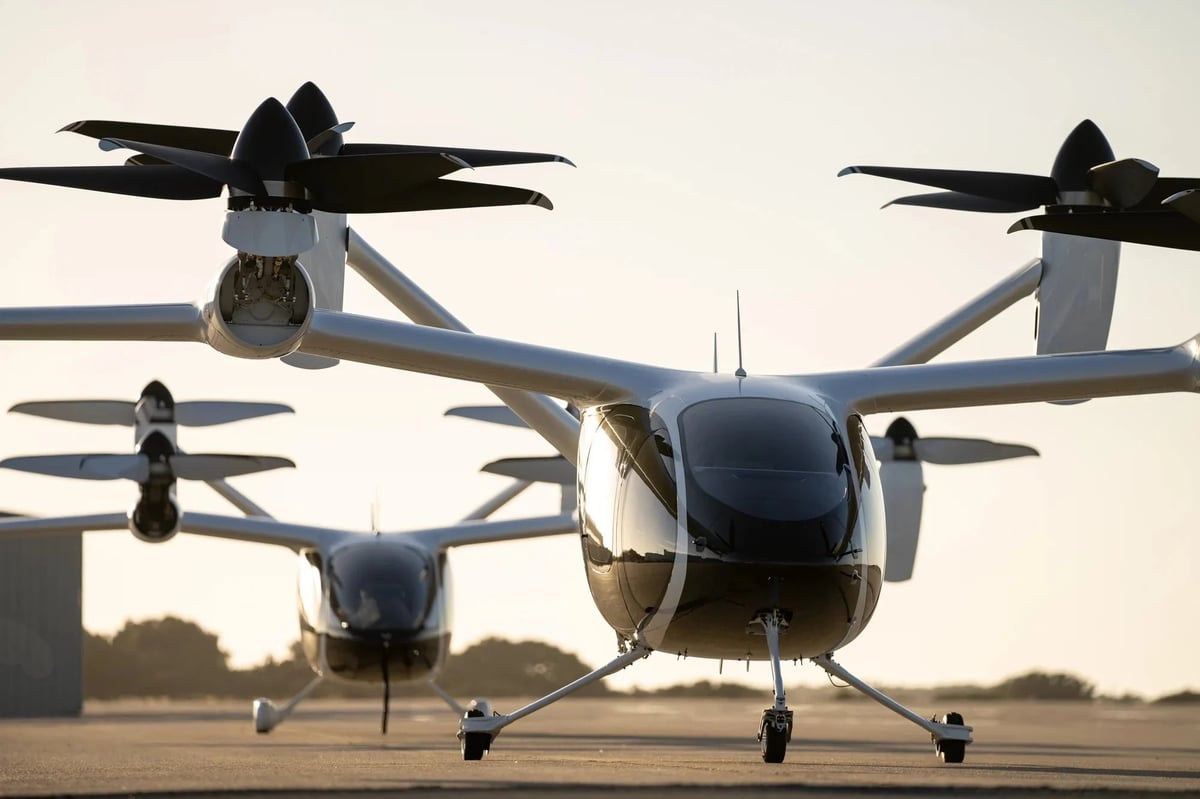
- Joby Aviation's Market Outlook: Joby Aviation's S4 eVTOL aircraft is projected to generate $53 million in revenue by 2025, soaring to $459 million by 2028; despite lacking commercial flight approvals in the U.S. and Dubai, its unique tilt-rotor design positions it competitively in the global eVTOL market.
- BYD's Vertical Integration Advantage: As China's largest automaker, BYD ceased gas vehicle production in 2022 to focus on battery electric and plug-in hybrid vehicles, with revenue and net income expected to grow at CAGRs of 13% and 24% from 2025 to 2028, showcasing its strong expansion potential in the global EV market.
- Rocket Lab's Long-Term Development: Rocket Lab has successfully launched its Electron rocket 85 times and plans to introduce the Neutron rocket by the end of 2026, with revenue expected to grow at a 37% CAGR from 2025 to 2028, indicating a promising future as the low-earth orbit satellite market expands.
- Macro Economic Challenges and Opportunities: Despite macroeconomic pressures from inflation, rising interest rates, and geopolitical conflicts affecting investor sentiment, these three stocks still present significant buying opportunities for long-term holders, particularly for investors seeking growth potential amid market volatility.

Joby Aviation Faces Market Challenges Amid Speculation

- Market Reaction: Joby Aviation (NYSE:JOBY) was among the stocks reviewed by Jim Cramer during a relief rally triggered by the Iran ceasefire, with Cramer expressing caution towards flying cars and highlighting the associated investment risks.
- Financial Condition: Cramer emphasized that Joby Aviation is currently facing significant losses, and despite the appealing concept of electric vertical takeoff and landing aircraft, companies with excessive losses struggle to attract investor interest in the challenging market environment.
- Investment Outlook: While Joby Aviation is seen as having investment potential, analysts suggest that certain AI stocks offer greater upside potential and lower downside risk, indicating that investors should be selective in their choices.
- Industry Comparison: Cramer noted that while Joby Aviation's technological prospects are exciting, he favors established companies like Boeing, reflecting a lack of confidence in emerging tech firms within the current market landscape.

Electric VTOL Aircraft Industry Competition Intensifies

- Industry Potential: Electric vertical takeoff and landing aircraft (eVTOL) are poised to redefine the transportation sector by bypassing congested highways, facilitating medical evacuations, and providing agile military solutions, with significant market opportunities amid rising urbanization and sustainability standards.
- Joby's Leading Position: Joby Aviation has made notable progress with the Federal Aviation Administration (FAA), recently commencing flight tests on its FAA-conforming aircraft and entering the final stages of type certification, which is expected to lay the groundwork for future commercial passenger services.
- Archer's Strong Backing: Archer Aviation's Midnight aircraft has secured 100% FAA acceptance of its compliance measures, indicating that it is on track to finalize remaining certifications, which will enhance its commercial prospects and competitive positioning in the market.
- Solid Financial Position: Joby ended 2025 with approximately $1.4 billion in cash and investments, bolstered by a $1.2 billion raise earlier this year, providing ample financial runway for production ramp-ups and ensuring future business growth.

eVTOL Air Taxis Poised to Transform Transportation Market
- FAA Certification Progress: Joby Aviation has recently commenced flight tests on its first FAA-compliant eVTOL and is entering the final stages of type certification, paving the way for commercial operations and enhancing its market competitiveness.
- Strategic Partnerships: Joby's long-standing collaboration with Toyota provides manufacturing support, while its acquisition of Blade Air Mobility's passenger business and integration with Uber further expand its infrastructure and revenue sources in high-demand urban corridors.
- Strong Financial Position: Joby ended 2025 with approximately $1.4 billion in cash and investments, bolstered by a $1.2 billion raise earlier this year, providing ample funding for production ramp-ups as it transitions to commercial passenger services.
- Significant Competitive Advantage: Joby's leading position in FAA certification compared to Archer is seen as a critical factor for gaining commercial traction in the eVTOL market, expected to help it achieve higher revenue milestones in the future.

Joby Aviation's Air Taxi Faces Significant Challenges
- Operational Scale Challenge: Joby's eVTOL aircraft can only carry four passengers and a pilot, meaning to significantly impact congestion in busy cities, hundreds or even thousands of these aircraft may be needed, posing a substantial challenge for airspace management.
- Significant Financial Pressure: Over the past year, Joby incurred a $930 million loss, and scaling operations could lead to significantly higher costs, resulting in larger losses and cash burn, potentially necessitating stock offerings that would dilute shareholder value.
- Lackluster Market Response: Despite a 62% stock increase last year, Joby's share price has fallen by 34% as of 2026, with a market cap of $8.5 billion, indicating a lack of investor confidence in its business model and skepticism about the overall eVTOL industry's prospects.
- Regulatory and Safety Concerns: Achieving large-scale operations requires not only regulatory approval but also addressing air traffic safety monitoring issues, which could present additional obstacles for Joby in its future expansion efforts.

Joby Aviation Showcases Air Taxi Flight in San Francisco
- Flight Demonstration: Joby Aviation recently conducted a piloted air taxi flight in San Francisco to showcase its electric vertical take-off and landing (eVTOL) aircraft capabilities, despite a 34% drop in stock price in 2026.
- Market Potential and Challenges: While the stock soared 62% last year, Joby faces significant hurdles in regulatory approval and scaling operations, particularly needing hundreds of air taxis to effectively alleviate congestion in busy cities.
- Financial Strain: Joby incurred a $930 million loss over the past year, and scaling up air taxi operations could lead to significantly higher costs, resulting in larger losses and cash burn, potentially necessitating stock offerings that would dilute shareholder value.
- Market Expectations vs. Reality: With a market cap of $8.5 billion despite a sharp decline this year, Joby's valuation reflects overly optimistic investor sentiment, while the eVTOL industry's future remains uncertain, likely leaning towards niche markets rather than mass production.
Three Stocks with Huge Growth Potential
- Joby Aviation's Market Outlook: Joby Aviation's S4 eVTOL aircraft is projected to generate $53 million in revenue by 2025, soaring to $459 million by 2028; despite lacking commercial flight approvals in the U.S. and Dubai, its unique tilt-rotor design positions it competitively in the global eVTOL market.
- BYD's Vertical Integration Advantage: As China's largest automaker, BYD ceased gas vehicle production in 2022 to focus on battery electric and plug-in hybrid vehicles, with revenue and net income expected to grow at CAGRs of 13% and 24% from 2025 to 2028, showcasing its strong expansion potential in the global EV market.
- Rocket Lab's Long-Term Development: Rocket Lab has successfully launched its Electron rocket 85 times and plans to introduce the Neutron rocket by the end of 2026, with revenue expected to grow at a 37% CAGR from 2025 to 2028, indicating a promising future as the low-earth orbit satellite market expands.
- Macro Economic Challenges and Opportunities: Despite macroeconomic pressures from inflation, rising interest rates, and geopolitical conflicts affecting investor sentiment, these three stocks still present significant buying opportunities for long-term holders, particularly for investors seeking growth potential amid market volatility.
Joby Aviation Faces Market Challenges Amid Speculation
- Market Reaction: Joby Aviation (NYSE:JOBY) was among the stocks reviewed by Jim Cramer during a relief rally triggered by the Iran ceasefire, with Cramer expressing caution towards flying cars and highlighting the associated investment risks.
- Financial Condition: Cramer emphasized that Joby Aviation is currently facing significant losses, and despite the appealing concept of electric vertical takeoff and landing aircraft, companies with excessive losses struggle to attract investor interest in the challenging market environment.
- Investment Outlook: While Joby Aviation is seen as having investment potential, analysts suggest that certain AI stocks offer greater upside potential and lower downside risk, indicating that investors should be selective in their choices.
- Industry Comparison: Cramer noted that while Joby Aviation's technological prospects are exciting, he favors established companies like Boeing, reflecting a lack of confidence in emerging tech firms within the current market landscape.
Electric VTOL Aircraft Industry Competition Intensifies
- Industry Potential: Electric vertical takeoff and landing aircraft (eVTOL) are poised to redefine the transportation sector by bypassing congested highways, facilitating medical evacuations, and providing agile military solutions, with significant market opportunities amid rising urbanization and sustainability standards.
- Joby's Leading Position: Joby Aviation has made notable progress with the Federal Aviation Administration (FAA), recently commencing flight tests on its FAA-conforming aircraft and entering the final stages of type certification, which is expected to lay the groundwork for future commercial passenger services.
- Archer's Strong Backing: Archer Aviation's Midnight aircraft has secured 100% FAA acceptance of its compliance measures, indicating that it is on track to finalize remaining certifications, which will enhance its commercial prospects and competitive positioning in the market.
- Solid Financial Position: Joby ended 2025 with approximately $1.4 billion in cash and investments, bolstered by a $1.2 billion raise earlier this year, providing ample financial runway for production ramp-ups and ensuring future business growth.
eVTOL Air Taxis Poised to Transform Transportation Market
- FAA Certification Progress: Joby Aviation has recently commenced flight tests on its first FAA-compliant eVTOL and is entering the final stages of type certification, paving the way for commercial operations and enhancing its market competitiveness.
- Strategic Partnerships: Joby's long-standing collaboration with Toyota provides manufacturing support, while its acquisition of Blade Air Mobility's passenger business and integration with Uber further expand its infrastructure and revenue sources in high-demand urban corridors.
- Strong Financial Position: Joby ended 2025 with approximately $1.4 billion in cash and investments, bolstered by a $1.2 billion raise earlier this year, providing ample funding for production ramp-ups as it transitions to commercial passenger services.
- Significant Competitive Advantage: Joby's leading position in FAA certification compared to Archer is seen as a critical factor for gaining commercial traction in the eVTOL market, expected to help it achieve higher revenue milestones in the future.
Joby Aviation's Air Taxi Faces Significant Challenges
- Operational Scale Challenge: Joby's eVTOL aircraft can only carry four passengers and a pilot, meaning to significantly impact congestion in busy cities, hundreds or even thousands of these aircraft may be needed, posing a substantial challenge for airspace management.
- Significant Financial Pressure: Over the past year, Joby incurred a $930 million loss, and scaling operations could lead to significantly higher costs, resulting in larger losses and cash burn, potentially necessitating stock offerings that would dilute shareholder value.
- Lackluster Market Response: Despite a 62% stock increase last year, Joby's share price has fallen by 34% as of 2026, with a market cap of $8.5 billion, indicating a lack of investor confidence in its business model and skepticism about the overall eVTOL industry's prospects.
- Regulatory and Safety Concerns: Achieving large-scale operations requires not only regulatory approval but also addressing air traffic safety monitoring issues, which could present additional obstacles for Joby in its future expansion efforts.
Joby Aviation Showcases Air Taxi Flight in San Francisco
- Flight Demonstration: Joby Aviation recently conducted a piloted air taxi flight in San Francisco to showcase its electric vertical take-off and landing (eVTOL) aircraft capabilities, despite a 34% drop in stock price in 2026.
- Market Potential and Challenges: While the stock soared 62% last year, Joby faces significant hurdles in regulatory approval and scaling operations, particularly needing hundreds of air taxis to effectively alleviate congestion in busy cities.
- Financial Strain: Joby incurred a $930 million loss over the past year, and scaling up air taxi operations could lead to significantly higher costs, resulting in larger losses and cash burn, potentially necessitating stock offerings that would dilute shareholder value.
- Market Expectations vs. Reality: With a market cap of $8.5 billion despite a sharp decline this year, Joby's valuation reflects overly optimistic investor sentiment, while the eVTOL industry's future remains uncertain, likely leaning towards niche markets rather than mass production.