Joby Aviation Faces Challenges Amid eVTOL Market Competition
Joby Aviation Inc. has seen its stock price decline by 5.03%, hitting a 5-day low, as the company navigates a highly competitive eVTOL market.
The eVTOL market is intensifying, with Joby Aviation competing against Archer Aviation for FAA certification. While Joby is focusing on a Transportation-as-a-Service (TaaS) model, it faces higher upfront investment risks compared to competitors like Archer, which is expected to generate earnings sooner through eVTOL sales. Additionally, Joby's reliance on partnerships with Uber and Delta for establishing its transportation service may impact its short-term financial performance.
Despite these challenges, Joby's first-mover advantage in the eVTOL market and its collaborations with Nvidia and Xwing could enhance its competitiveness in the long run, although it must overcome significant regulatory hurdles to realize its growth potential.
Trade with 70% Backtested Accuracy
Analyst Views on JOBY

About JOBY
About the author


Joby Aviation Redefines Urban Transportation

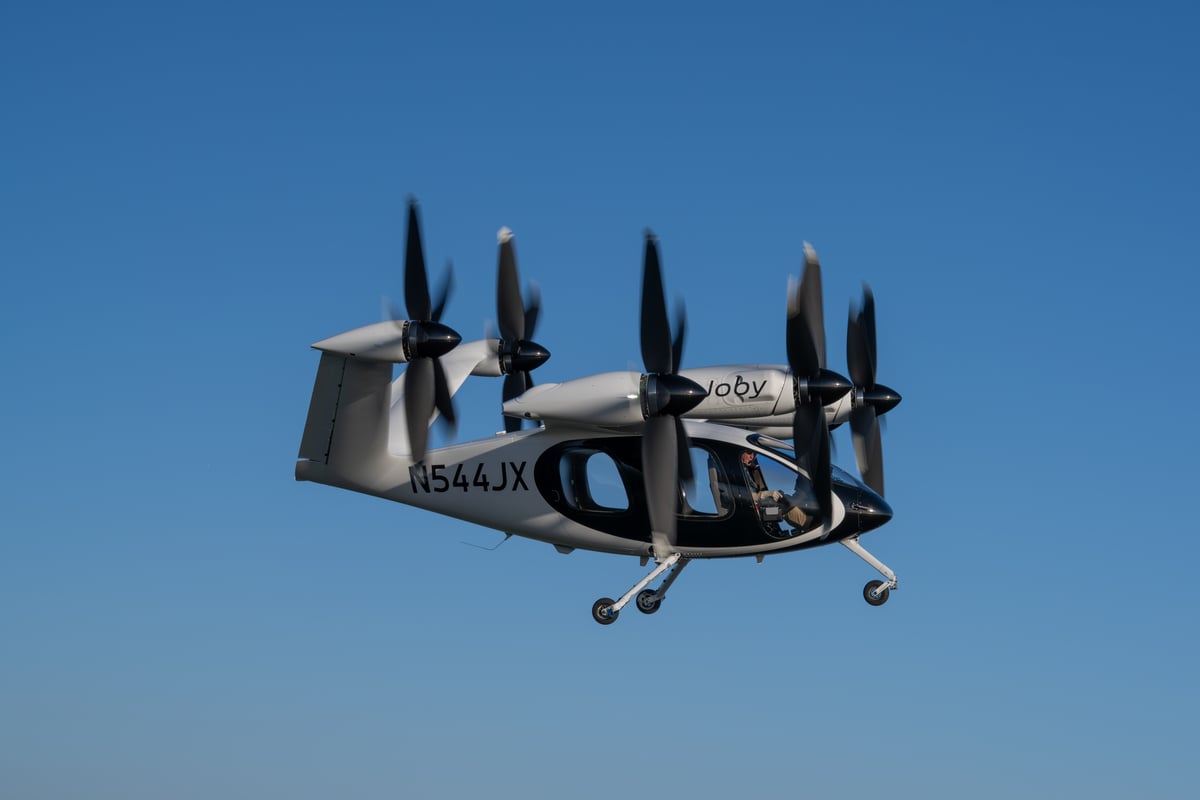
- eVTOL Aircraft Innovation: Joby Aviation's eVTOL aircraft can take off like a helicopter and fly like an airplane, utilizing electric batteries for quiet urban transportation, enabling users to bypass ground congestion and significantly enhance travel efficiency, which is expected to transform urban mobility.
- Government Support Program: The U.S. government's eVTOL Integration Pilot Program (eIPP) allows Joby to operate in 11 states, including key markets like New York, Texas, and Florida, facilitating real-world testing and accelerating the commercialization of flying taxis by reducing traditional approval timelines.
- First Flight Demonstration: Joby successfully completed its first eVTOL flights in New York City, connecting JFK International Airport to multiple Manhattan heliports, reducing a 60-minute journey to just seven minutes, showcasing the aircraft's operational readiness and potential for significant time savings for commuters.
- Market Potential: Morgan Stanley projects the Urban Air Mobility market could reach $9 trillion globally by 2050, and if Joby captures a substantial market share, it could have immense long-term wealth-creating potential; however, the company is still in the early market phase, with success dependent on scaling manufacturing and customer adoption.
Intense Competition in eVTOL Market Heats Up

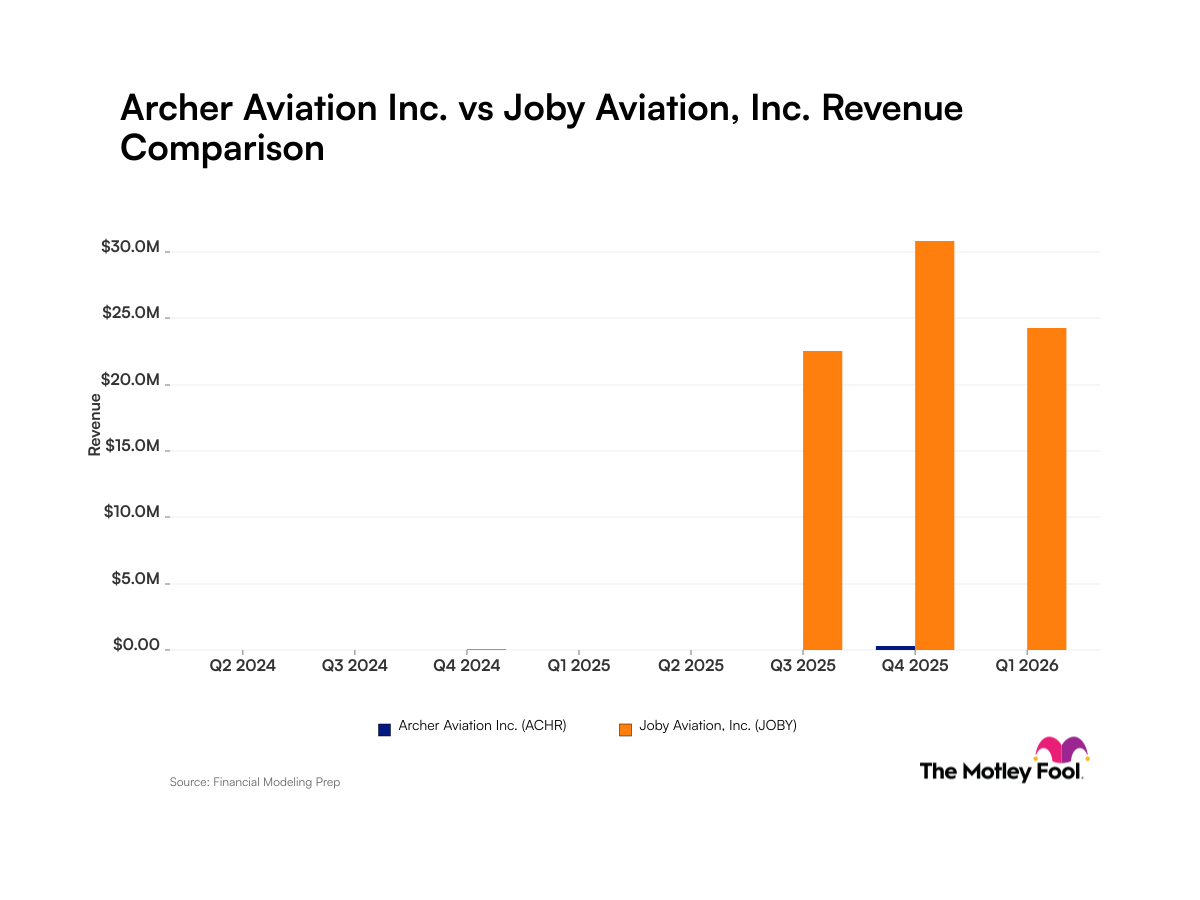
- Massive Market Potential: The eVTOL market is projected to reach $1 trillion over the next 20 years, positioning Archer Aviation and Joby Aviation as key players in a rapidly evolving industry that attracts significant investor interest.
- Revenue Comparison: Joby Aviation leads Archer in revenue generation, although both companies are still in the early stages of federal certification; Joby's revenue is bolstered by its acquisition of Blade, with full-year expectations of $105 million to $115 million.
- Financial Health: Archer reported a negative free cash flow of $181 million in Q1, indicating financial strain during its transition and certification process, while Joby's negative free cash flow stood at $222 million, highlighting challenges in its expansion efforts.
- Future Outlook: As Archer expands operations at Hawthorne Airport in Los Angeles and gradually increases revenue, investors will closely monitor the progress of both companies in manufacturing and certification, leading to an increasingly competitive landscape.
Joby Aviation's Prospects in the eVTOL Market
- Market Potential: The eVTOL industry is projected by Grand View Research to reach $28.6 billion by 2030, indicating significant growth potential that has captured the attention of numerous investors.
- Regulatory Progress: Joby Aviation has commenced FAA-compliant flight testing and aims to initiate commercial operations this year, laying a solid foundation for market entry and boosting investor confidence.
- Strategic Partnerships: Collaborations with Uber and Delta Airlines will integrate Joby's electric air taxis into ride-sharing networks, significantly enhancing market penetration and sales, thereby driving future revenue growth.
- Strong Financial Position: Despite burning through $660 million in cash over the past four quarters, Joby retains approximately $2.5 billion in cash and short-term investments as of the end of March, ensuring funding for future expansion and growth needs.

Archer Aviation Stock Continues to Decline Amid Liquidity Concerns
- Stock Decline: Archer Aviation's stock closed at $5.92 on Monday, down 2.15%, reflecting investor concerns over liquidity and execution risks, resulting in a 41% decline since its IPO.
- Surge in Trading Volume: The trading volume reached 56.2 million shares, approximately 78% above the three-month average of 31.6 million shares, indicating increased market attention but potentially exacerbating price volatility.
- Cash Burn Risk: Despite exceeding analyst expectations in last week's Q1 results, Archer's staggering $700 million annual cash burn raises investor concerns, with current liquidity at $1.8 billion and an urgent need for FAA certification.
- Regulatory Progress: This month, Archer completed the third of four FAA certification phases, bringing it closer to launching commercial operations in the U.S., yet the ability to conduct test flights and secure regulatory approval will be crucial for any stock price recovery.

New Fed Chair's Potential Rate Cuts Could Boost Key Stocks

- New Fed Chair: Kevin Warsh's appointment as Fed Chair raises expectations for interest rate cuts, which could positively impact the overall economic environment, particularly by lowering borrowing costs.
- Robinhood's Outlook: Robinhood's stock has fallen over 30% this year, primarily due to a nearly 50% drop in cryptocurrency trading revenue; however, if rates decrease, increased trading activity among younger investors could improve the company's performance.
- Joby Aviation Challenges: Joby Aviation's stock is down more than 22%, with cash burn reaching $144 million in Q1 2026; lower interest rates could ease borrowing costs, helping to manage cash flow pressures, despite its high market valuation.
- SoFi Technologies Prospects: SoFi's stock has dropped 41% this year, even with a 43% revenue growth in Q1; high valuation and economic uncertainty make investors cautious, but lower rates could enhance the lending environment and drive business growth.

Archer Aviation Faces Cash Burn Crisis Amid FAA Certification Race
- Significant Stock Decline: Archer Aviation's stock has fallen approximately 50% from its 52-week high, dropping from over $14 to the current $5.92, reflecting market concerns over its cash burn and potential dilution risks for shareholders.
- FAA Certification Progress: Archer has completed Stage 3 of the FAA certification process and is now in Stage 4, conducting flight and structural tests, with management targeting a piloted transition flight in the second half of the year, although it has yet to fly an FAA-conforming aircraft, unlike competitor Joby Aviation, which achieved its first flight in March.
- Initial Revenue Generation: The company reported its first-ever revenue of $1.6 million in Q1, primarily from leasing space at the recently acquired Hawthorne Airport in Los Angeles, providing a crucial operational hub and a small but growing income stream, albeit still in early stages.
- High-Risk Investment: With nearly $2 billion in liquidity, Archer has a runway of about two and a half years at its current burn rate, but any delays could pose significant threats to its future, making further equity raises a considerable risk to evaluate.
Joby Aviation Redefines Urban Transportation
- eVTOL Aircraft Innovation: Joby Aviation's eVTOL aircraft can take off like a helicopter and fly like an airplane, utilizing electric batteries for quiet urban transportation, enabling users to bypass ground congestion and significantly enhance travel efficiency, which is expected to transform urban mobility.
- Government Support Program: The U.S. government's eVTOL Integration Pilot Program (eIPP) allows Joby to operate in 11 states, including key markets like New York, Texas, and Florida, facilitating real-world testing and accelerating the commercialization of flying taxis by reducing traditional approval timelines.
- First Flight Demonstration: Joby successfully completed its first eVTOL flights in New York City, connecting JFK International Airport to multiple Manhattan heliports, reducing a 60-minute journey to just seven minutes, showcasing the aircraft's operational readiness and potential for significant time savings for commuters.
- Market Potential: Morgan Stanley projects the Urban Air Mobility market could reach $9 trillion globally by 2050, and if Joby captures a substantial market share, it could have immense long-term wealth-creating potential; however, the company is still in the early market phase, with success dependent on scaling manufacturing and customer adoption.
Intense Competition in eVTOL Market Heats Up
- Massive Market Potential: The eVTOL market is projected to reach $1 trillion over the next 20 years, positioning Archer Aviation and Joby Aviation as key players in a rapidly evolving industry that attracts significant investor interest.
- Revenue Comparison: Joby Aviation leads Archer in revenue generation, although both companies are still in the early stages of federal certification; Joby's revenue is bolstered by its acquisition of Blade, with full-year expectations of $105 million to $115 million.
- Financial Health: Archer reported a negative free cash flow of $181 million in Q1, indicating financial strain during its transition and certification process, while Joby's negative free cash flow stood at $222 million, highlighting challenges in its expansion efforts.
- Future Outlook: As Archer expands operations at Hawthorne Airport in Los Angeles and gradually increases revenue, investors will closely monitor the progress of both companies in manufacturing and certification, leading to an increasingly competitive landscape.
Joby Aviation's Prospects in the eVTOL Market
- Market Potential: The eVTOL industry is projected by Grand View Research to reach $28.6 billion by 2030, indicating significant growth potential that has captured the attention of numerous investors.
- Regulatory Progress: Joby Aviation has commenced FAA-compliant flight testing and aims to initiate commercial operations this year, laying a solid foundation for market entry and boosting investor confidence.
- Strategic Partnerships: Collaborations with Uber and Delta Airlines will integrate Joby's electric air taxis into ride-sharing networks, significantly enhancing market penetration and sales, thereby driving future revenue growth.
- Strong Financial Position: Despite burning through $660 million in cash over the past four quarters, Joby retains approximately $2.5 billion in cash and short-term investments as of the end of March, ensuring funding for future expansion and growth needs.
Archer Aviation Stock Continues to Decline Amid Liquidity Concerns
- Stock Decline: Archer Aviation's stock closed at $5.92 on Monday, down 2.15%, reflecting investor concerns over liquidity and execution risks, resulting in a 41% decline since its IPO.
- Surge in Trading Volume: The trading volume reached 56.2 million shares, approximately 78% above the three-month average of 31.6 million shares, indicating increased market attention but potentially exacerbating price volatility.
- Cash Burn Risk: Despite exceeding analyst expectations in last week's Q1 results, Archer's staggering $700 million annual cash burn raises investor concerns, with current liquidity at $1.8 billion and an urgent need for FAA certification.
- Regulatory Progress: This month, Archer completed the third of four FAA certification phases, bringing it closer to launching commercial operations in the U.S., yet the ability to conduct test flights and secure regulatory approval will be crucial for any stock price recovery.
New Fed Chair's Potential Rate Cuts Could Boost Key Stocks
- New Fed Chair: Kevin Warsh's appointment as Fed Chair raises expectations for interest rate cuts, which could positively impact the overall economic environment, particularly by lowering borrowing costs.
- Robinhood's Outlook: Robinhood's stock has fallen over 30% this year, primarily due to a nearly 50% drop in cryptocurrency trading revenue; however, if rates decrease, increased trading activity among younger investors could improve the company's performance.
- Joby Aviation Challenges: Joby Aviation's stock is down more than 22%, with cash burn reaching $144 million in Q1 2026; lower interest rates could ease borrowing costs, helping to manage cash flow pressures, despite its high market valuation.
- SoFi Technologies Prospects: SoFi's stock has dropped 41% this year, even with a 43% revenue growth in Q1; high valuation and economic uncertainty make investors cautious, but lower rates could enhance the lending environment and drive business growth.
Archer Aviation Faces Cash Burn Crisis Amid FAA Certification Race
- Significant Stock Decline: Archer Aviation's stock has fallen approximately 50% from its 52-week high, dropping from over $14 to the current $5.92, reflecting market concerns over its cash burn and potential dilution risks for shareholders.
- FAA Certification Progress: Archer has completed Stage 3 of the FAA certification process and is now in Stage 4, conducting flight and structural tests, with management targeting a piloted transition flight in the second half of the year, although it has yet to fly an FAA-conforming aircraft, unlike competitor Joby Aviation, which achieved its first flight in March.
- Initial Revenue Generation: The company reported its first-ever revenue of $1.6 million in Q1, primarily from leasing space at the recently acquired Hawthorne Airport in Los Angeles, providing a crucial operational hub and a small but growing income stream, albeit still in early stages.
- High-Risk Investment: With nearly $2 billion in liquidity, Archer has a runway of about two and a half years at its current burn rate, but any delays could pose significant threats to its future, making further equity raises a considerable risk to evaluate.