JBS Reports 15% Revenue Growth in Q4 Amid Strong Market Performance
JBS N.V. shares rose 6.92% and reached a 5-day high, reflecting positive investor sentiment following the company's strong revenue report.
JBS reported a 15% year-over-year revenue increase in Q4 to $23.1 billion, driven by robust performance across its multi-geography and multi-protein platform. The beef segment achieved record sales, supported by resilient U.S. demand, despite cost pressures reflected in a 7% decline in adjusted EBITDA. Morgan Stanley reiterated an Overweight rating on JBS, highlighting the company's operational outperformance and a $1.1 billion dividend announcement, which exceeded expectations.
The strong revenue growth and positive analyst outlook suggest that JBS is well-positioned to navigate market challenges, enhancing its appeal to investors amid broader market declines.
Trade with 70% Backtested Accuracy
Analyst Views on JBS

About JBS
About the author

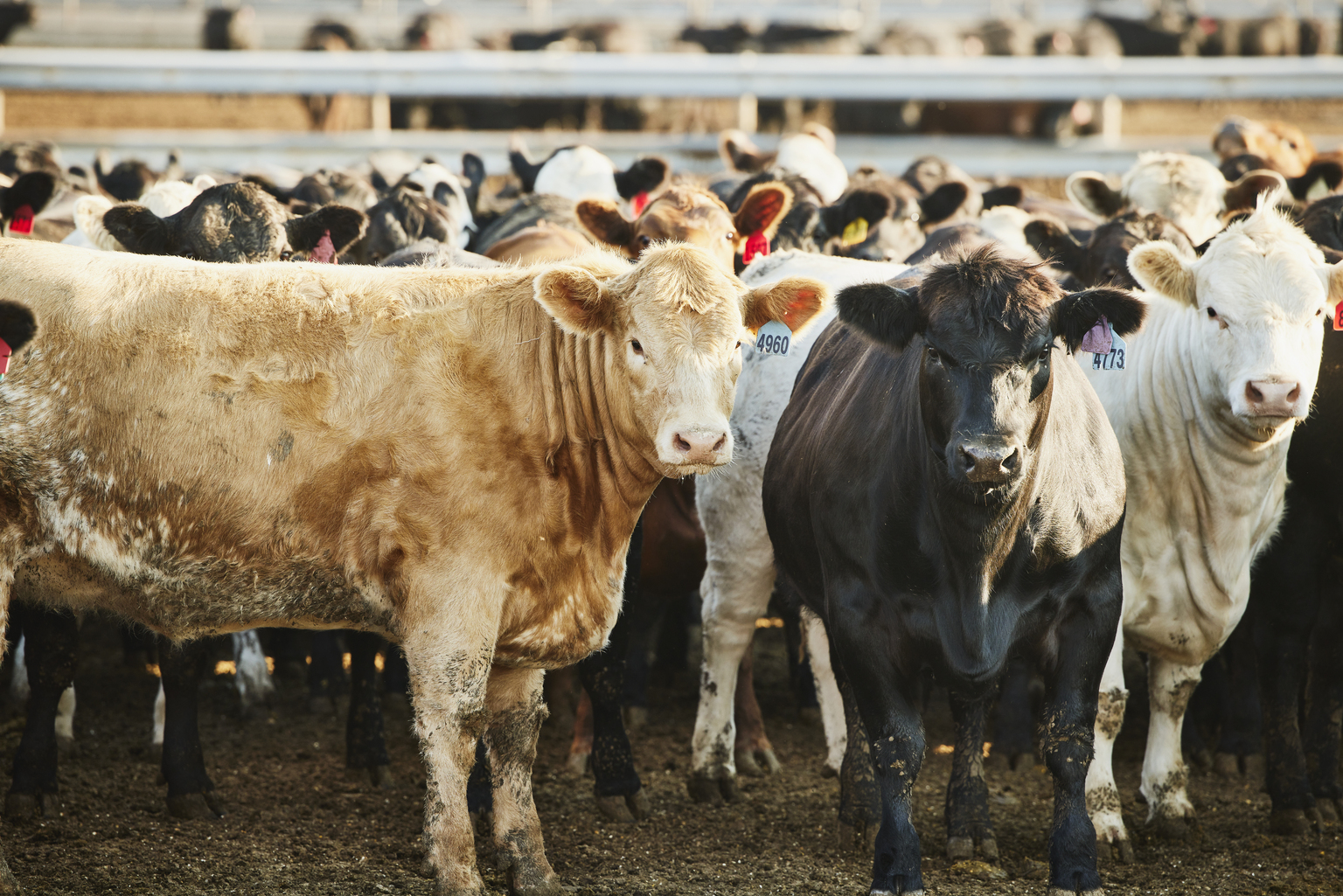
JBS Reports 56% Decline in Q1 Net Profit Amid Operational Challenges

- Significant Profit Decline: JBS reported a 56% drop in net profit for Q1, with adjusted EBITDA down 26% year-over-year to $1.13 billion, indicating operational challenges in North America that could impact future profitability.
- Market Pressures Intensify: The U.S. beef market faced significant pressure as low cattle availability drove live cattle prices up, squeezing industry margins particularly in January and February, which adversely affected the company's gross margins.
- Rising Financial Leverage: JBS's leverage ratio increased to 2.8X at the end of Q1 from 2.0X a year ago, while interest coverage fell from 7.8X to 5.7X, reflecting heightened financial pressure on the company.
- Analyst Outlook Remains Positive: Despite the weak Q1 performance, Morgan Stanley maintains a bullish outlook on JBS, suggesting that recent strategic adjustments will help improve market performance, especially with the grilling season approaching.

JBS N.V. Q1 Earnings Report Analysis
- Earnings Miss: JBS N.V. reported a Q1 GAAP EPS of $0.21, missing expectations by $0.06, indicating pressure on profitability that could undermine investor confidence.
- Revenue Shortfall: Despite a 10.7% year-over-year revenue increase to $21.61 billion, the figure fell short of market expectations by $70 million, reflecting challenges from heightened competition and rising costs.
- Stock Price Fluctuation: JBS shares have risen 26% this year; however, analysts caution that the main triggers for future performance are yet to materialize, potentially leading to a cautious outlook among investors.
- Policy Impact: The Trump administration's delay in easing beef tariffs could negatively affect JBS's export business, adding to the market's uncertainty and complicating future growth prospects.
JBS N.V. to Announce Q1 Earnings on May 12
- Earnings Announcement: JBS N.V. is set to release its Q1 2023 earnings report on May 12 after market close, with consensus EPS estimated at $0.24 and revenue expected to reach $21.68 billion, indicating significant market interest in the company's performance.
- Earnings Estimate Changes: Over the past three months, EPS estimates have seen one upward revision and five downward adjustments, while revenue estimates have experienced two upward revisions and three downward changes, reflecting analysts' differing views and uncertainties regarding the company's future performance.
- Stock Performance: JBS N.V. shares have risen 26% this year; however, the market perceives that the main trigger for this growth is yet to come, suggesting that investor expectations for future growth remain high.
- Industry Investigation: The U.S. Department of Justice has confirmed an antitrust investigation into the meatpacking industry, which could have significant implications for JBS and its competitors, increasing uncertainty within the sector.
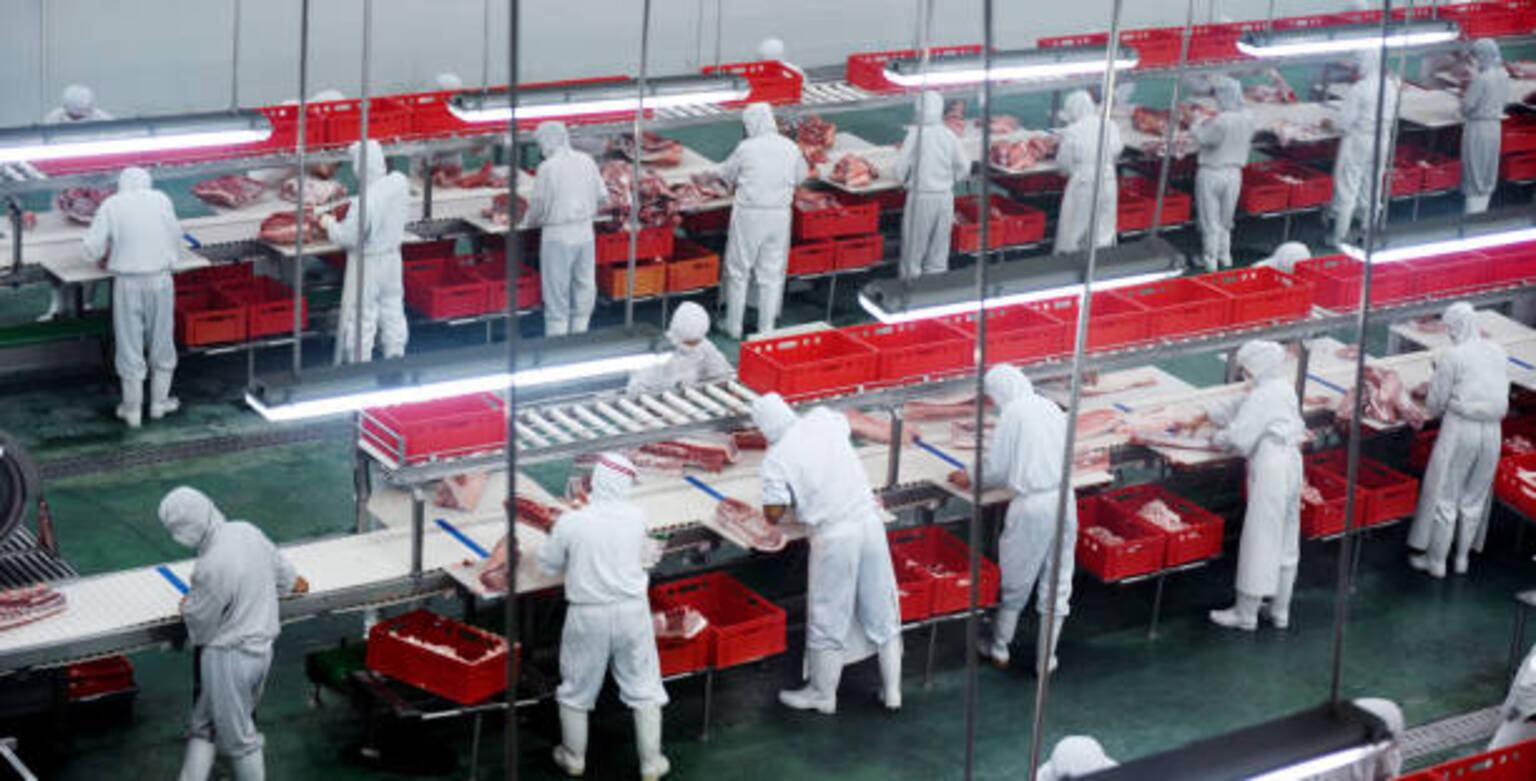
U.S. DOJ Investigates Antitrust Violations in Meatpacking Industry Amid Soaring Beef Prices

- Antitrust Investigation Launched: The U.S. Department of Justice has confirmed it is probing potential antitrust violations in the meatpacking industry, particularly as domestic beef prices soar, indicating a strong focus on market manipulation.
- Market Dominance: Acting Attorney General Todd Blanche stated that four major processors control approximately 85% of the beef processing market, highlighting the high concentration in the industry and the potential risks of price manipulation.
- Investigation Background: This inquiry was initiated following President Trump's call in November to investigate the industry for allegedly artificially inflating beef prices, reflecting the government's commitment to consumer protection and fair market competition.
- Industry Response: While major meatpackers like JBS, Tyson Foods, and Cargill have not yet responded to the investigation, their potential reactions could significantly impact future market dynamics and pricing trends.

Analysis of EMXC ETF Price Performance

- Price Range Analysis: EMXC's 52-week low is $56.26 per share and high is $91.25, with the latest trade at $89.39, indicating stability near the high which may attract investor interest in price fluctuations.
- Technical Analysis Tool: Comparing the latest share price to the 200-day moving average provides valuable insights for investors, aiding in market trend assessment and potential buying opportunities.
- ETF Trading Mechanism: Exchange-traded funds (ETFs) trade like stocks, where investors buy and sell 'units' that can be created or destroyed based on demand, impacting liquidity and market performance.
- Liquidity Monitoring: Weekly monitoring of changes in shares outstanding helps identify significant inflows or outflows, where inflows necessitate purchasing underlying assets, while outflows may lead to selling, affecting the ETF's components.
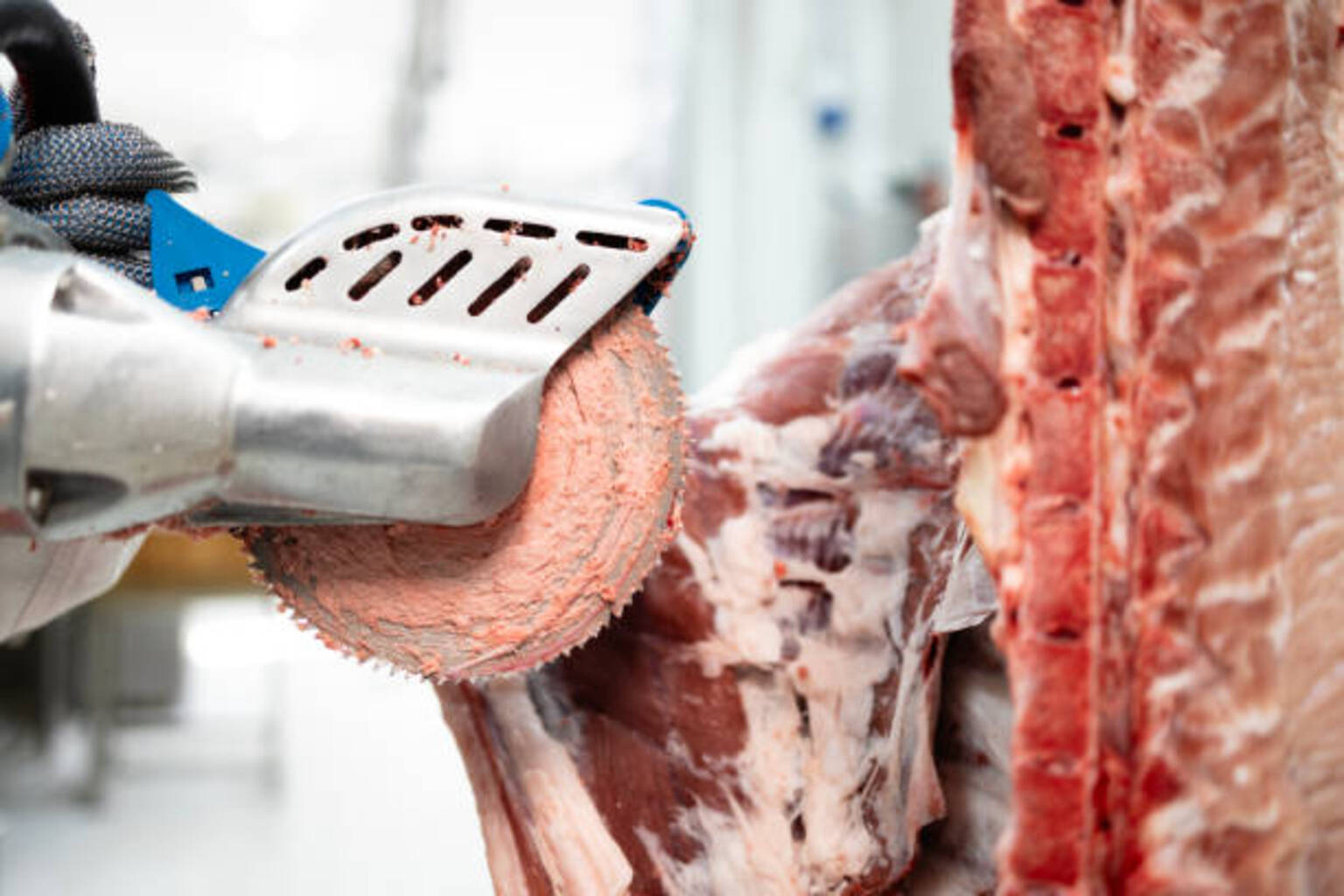
JBS Reaches Agreement to End Workers' Strike at Meatpacking Plant
- Strike Conclusion: After a three-week strike, JBS USA reached an agreement with the union, allowing the Swift Beef Co. plant to resume normal operations immediately, thereby ensuring production continuity and employee stability after weeks of uncertainty.
- Wage Increases: The agreement includes wage increases over the next two years and a one-time bonus of $750 for workers, which not only enhances employees' living standards but may also boost their morale and loyalty to the company.
- Contract Details: The union stated that the agreement includes 'all gains, countless improvements, and not a single concession,' indicating a significant victory for workers and enhancing the union's bargaining power within the industry.
- Industry Impact: This agreement by JBS USA could influence wage standards and labor conditions across the meatpacking industry, prompting other companies to adopt more proactive measures in response to similar union demands.
JBS Reports 56% Decline in Q1 Net Profit Amid Operational Challenges
- Significant Profit Decline: JBS reported a 56% drop in net profit for Q1, with adjusted EBITDA down 26% year-over-year to $1.13 billion, indicating operational challenges in North America that could impact future profitability.
- Market Pressures Intensify: The U.S. beef market faced significant pressure as low cattle availability drove live cattle prices up, squeezing industry margins particularly in January and February, which adversely affected the company's gross margins.
- Rising Financial Leverage: JBS's leverage ratio increased to 2.8X at the end of Q1 from 2.0X a year ago, while interest coverage fell from 7.8X to 5.7X, reflecting heightened financial pressure on the company.
- Analyst Outlook Remains Positive: Despite the weak Q1 performance, Morgan Stanley maintains a bullish outlook on JBS, suggesting that recent strategic adjustments will help improve market performance, especially with the grilling season approaching.
JBS N.V. Q1 Earnings Report Analysis
- Earnings Miss: JBS N.V. reported a Q1 GAAP EPS of $0.21, missing expectations by $0.06, indicating pressure on profitability that could undermine investor confidence.
- Revenue Shortfall: Despite a 10.7% year-over-year revenue increase to $21.61 billion, the figure fell short of market expectations by $70 million, reflecting challenges from heightened competition and rising costs.
- Stock Price Fluctuation: JBS shares have risen 26% this year; however, analysts caution that the main triggers for future performance are yet to materialize, potentially leading to a cautious outlook among investors.
- Policy Impact: The Trump administration's delay in easing beef tariffs could negatively affect JBS's export business, adding to the market's uncertainty and complicating future growth prospects.
JBS N.V. to Announce Q1 Earnings on May 12
- Earnings Announcement: JBS N.V. is set to release its Q1 2023 earnings report on May 12 after market close, with consensus EPS estimated at $0.24 and revenue expected to reach $21.68 billion, indicating significant market interest in the company's performance.
- Earnings Estimate Changes: Over the past three months, EPS estimates have seen one upward revision and five downward adjustments, while revenue estimates have experienced two upward revisions and three downward changes, reflecting analysts' differing views and uncertainties regarding the company's future performance.
- Stock Performance: JBS N.V. shares have risen 26% this year; however, the market perceives that the main trigger for this growth is yet to come, suggesting that investor expectations for future growth remain high.
- Industry Investigation: The U.S. Department of Justice has confirmed an antitrust investigation into the meatpacking industry, which could have significant implications for JBS and its competitors, increasing uncertainty within the sector.
U.S. DOJ Investigates Antitrust Violations in Meatpacking Industry Amid Soaring Beef Prices
- Antitrust Investigation Launched: The U.S. Department of Justice has confirmed it is probing potential antitrust violations in the meatpacking industry, particularly as domestic beef prices soar, indicating a strong focus on market manipulation.
- Market Dominance: Acting Attorney General Todd Blanche stated that four major processors control approximately 85% of the beef processing market, highlighting the high concentration in the industry and the potential risks of price manipulation.
- Investigation Background: This inquiry was initiated following President Trump's call in November to investigate the industry for allegedly artificially inflating beef prices, reflecting the government's commitment to consumer protection and fair market competition.
- Industry Response: While major meatpackers like JBS, Tyson Foods, and Cargill have not yet responded to the investigation, their potential reactions could significantly impact future market dynamics and pricing trends.
Analysis of EMXC ETF Price Performance
- Price Range Analysis: EMXC's 52-week low is $56.26 per share and high is $91.25, with the latest trade at $89.39, indicating stability near the high which may attract investor interest in price fluctuations.
- Technical Analysis Tool: Comparing the latest share price to the 200-day moving average provides valuable insights for investors, aiding in market trend assessment and potential buying opportunities.
- ETF Trading Mechanism: Exchange-traded funds (ETFs) trade like stocks, where investors buy and sell 'units' that can be created or destroyed based on demand, impacting liquidity and market performance.
- Liquidity Monitoring: Weekly monitoring of changes in shares outstanding helps identify significant inflows or outflows, where inflows necessitate purchasing underlying assets, while outflows may lead to selling, affecting the ETF's components.
JBS Reaches Agreement to End Workers' Strike at Meatpacking Plant
- Strike Conclusion: After a three-week strike, JBS USA reached an agreement with the union, allowing the Swift Beef Co. plant to resume normal operations immediately, thereby ensuring production continuity and employee stability after weeks of uncertainty.
- Wage Increases: The agreement includes wage increases over the next two years and a one-time bonus of $750 for workers, which not only enhances employees' living standards but may also boost their morale and loyalty to the company.
- Contract Details: The union stated that the agreement includes 'all gains, countless improvements, and not a single concession,' indicating a significant victory for workers and enhancing the union's bargaining power within the industry.
- Industry Impact: This agreement by JBS USA could influence wage standards and labor conditions across the meatpacking industry, prompting other companies to adopt more proactive measures in response to similar union demands.