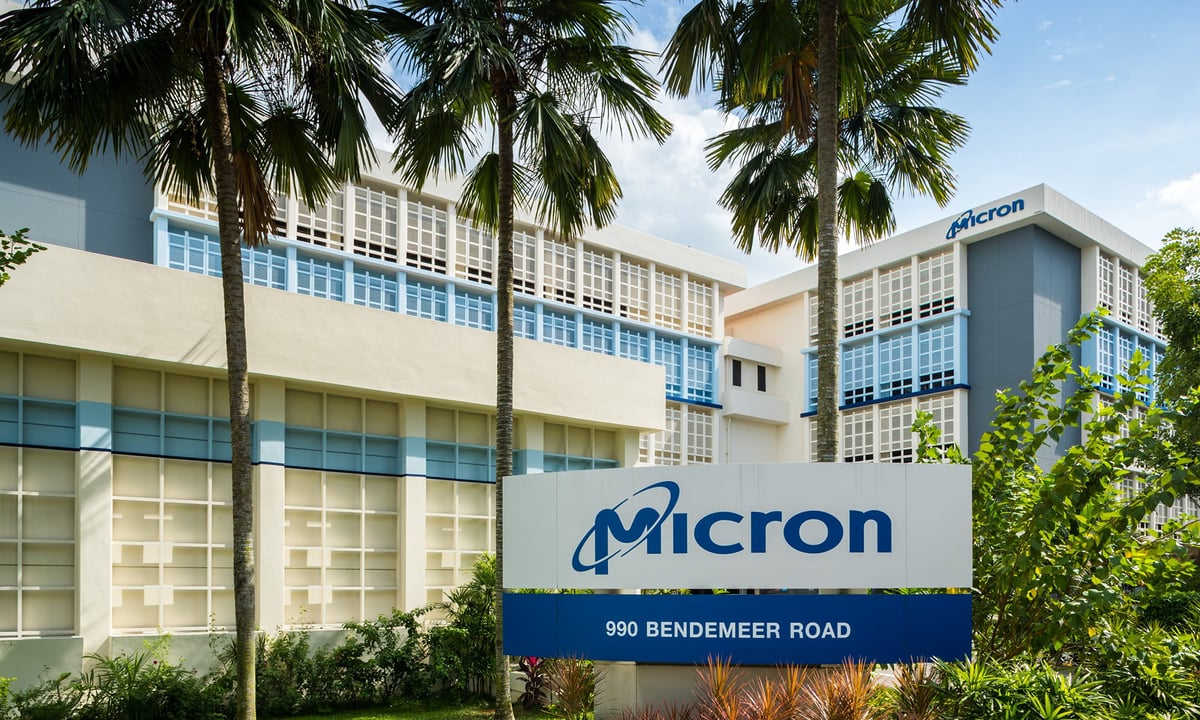
Intel's Stock Declines Amid Broader Market Weakness
Written by Emily J. Thompson, Senior Investment Analyst
Updated: Feb 05 2026
0mins
Source: Benzinga
Intel Corp's stock fell by 8.30% as it crossed below the 5-day SMA, reflecting a challenging trading environment.
The decline in Intel's stock price is attributed to broad market weakness, with the Nasdaq-100 down 1.40% and the S&P 500 down 0.74%. This broader market trend has negatively impacted investor sentiment towards tech stocks, including Intel, despite positive developments in the semiconductor sector.
As the market continues to grapple with volatility, Intel's performance may remain under pressure, highlighting the need for the company to navigate these challenges effectively.
Trade with 70% Backtested Accuracy
Stop guessing "Should I Buy INTC?" and start using high-conviction signals backed by rigorous historical data.
Sign up today to access powerful investing tools and make smarter, data-driven decisions.
Analyst Views on INTC
Wall Street analysts forecast INTC stock price to fall
29 Analyst Rating
5 Buy
19 Hold
5 Sell
Hold
Current: 120.890

Low
20.00
Averages
39.30
High
52.00
Current: 120.890
Low
20.00
Averages
39.30
High
52.00
About INTC
Intel Corporation is a global designer and manufacturer of semiconductor products. The Company's segments include Intel Products, Intel Foundry, and All Other. Its Intel Products comprise Client Computing Group (CCG) and Data Center and AI (DCAI). CCG delivers platforms and processors that power PCs and edge devices, enabling enhanced performance, connectivity and user experience for consumer and commercial markets with capabilities that also support retail, industrial robotics and AI ecosystems at the edge. DCAI delivers workload-optimized solutions based upon its x86 architecture for data centers, including CPUs, AI accelerators, NICs, IPUs and custom ASICs, enabling performance and scalability for cloud, enterprise, telecommunication and HPC environments. The Intel Foundry segment comprises technology development, manufacturing and foundry services, developing new semiconductor process technologies and advanced packaging technologies. All Other segments include Mobileye and Other.
About the author

Emily J. Thompson
Emily J. Thompson, a Chartered Financial Analyst (CFA) with 12 years in investment research, graduated with honors from the Wharton School. Specializing in industrial and technology stocks, she provides in-depth analysis for Intellectia’s earnings and market brief reports.
Intel and 3DGS to Invest $3.3 Billion in Odisha Plant

- Massive Investment: Intel and 3DGS Inc. USA are set to invest approximately $3.3 billion in a substrate manufacturing plant in Odisha, reflecting strong confidence in the Indian semiconductor market and expected to drive local economic growth.
- Manufacturing Base Development: The new facility will focus on substrate manufacturing, aiming to enhance India's position in the global semiconductor supply chain while creating numerous job opportunities and facilitating technology transfer to the region.
- Government Support: The Indian government has expressed support for the project, viewing it as a step towards achieving national self-sufficiency in semiconductors, further attracting foreign investment and promoting the development of related industries.
- Strategic Implications: This investment will not only bolster Intel's manufacturing capabilities in the Asia-Pacific region but also position India as a significant player in the global semiconductor industry, enhancing its competitiveness in international markets.
See More
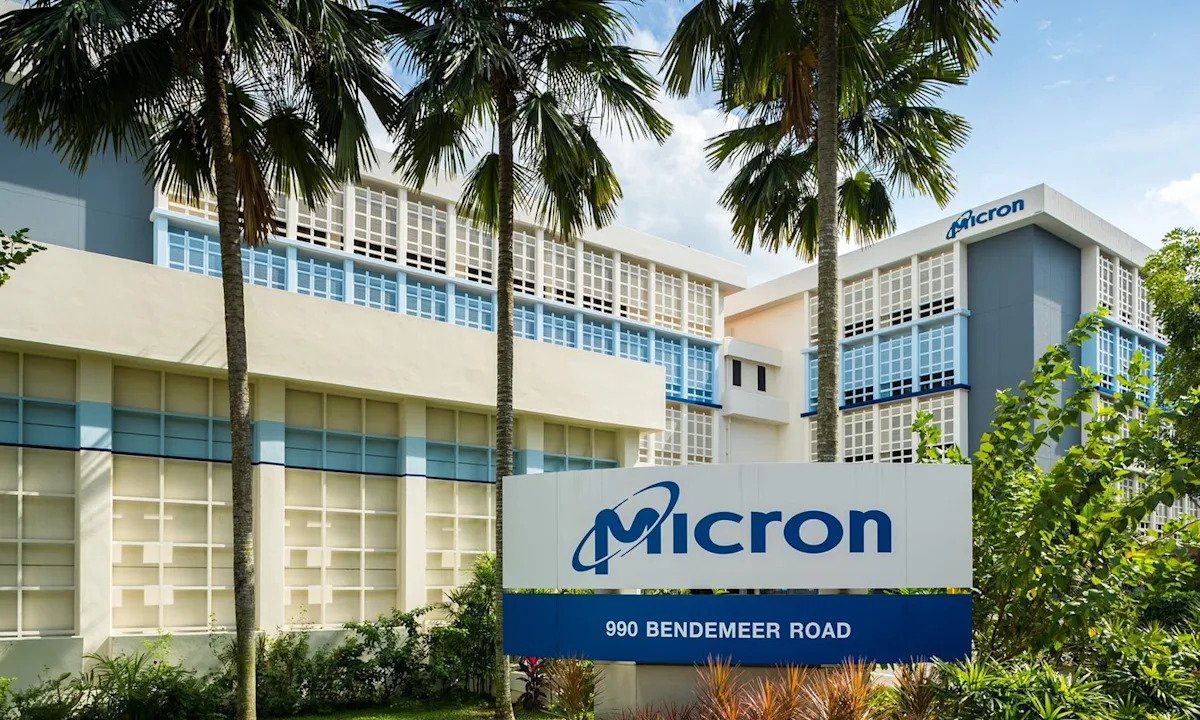
Surge in AI Infrastructure Spending Benefits Micron Technology


- Capital Expenditure Surge: Market research firm TrendForce has significantly raised its 2026 capital expenditure forecast for the world's top nine cloud service providers, expecting a 79% increase to $830 billion, indicating strong demand for AI infrastructure that creates substantial market opportunities for Micron's memory chips.
- Soaring HBM Demand: According to Counterpoint Research, the demand for high-bandwidth memory (HBM) used in custom AI processors is projected to surge 35 times between 2024 and 2028, directly driving demand for Micron's products and further solidifying its leadership position in the memory market.
- Significant Earnings Growth Potential: Micron's stock has skyrocketed by 903% over the past year, surpassing a $1 trillion market cap, and with the acceleration in AI data center capex, its earnings are expected to soar in fiscal 2027, boosting investor confidence in its stock.
- Ongoing Market Tightness: As HBM requires three times the wafer capacity of conventional memory chips, the persistent shortage in the memory industry will provide Micron with a favorable pricing environment, with its stock price projected to reach $3,158 in the next year, representing a 3.2x increase from current levels, attracting investor interest.
See More

How to Update Estate Planning to Protect Assets
- Interest Rate Surge Impact: The yield on the 10-year Treasury has reached 4.6% and the 30-year Treasury has surpassed 5.2%, marking a two-decade high, which may lead the Federal Reserve to raise rates in the coming year, increasing borrowing costs and affecting consumer spending.
- Importance of Estate Planning: Attorney Jill Mastroianni emphasizes that lacking an estate plan can lead to family disputes and costly court fees, recommending that everyone regularly update their estate plans to ensure assets are managed properly in case of death or incapacity.
- Investment Advisor Fee Analysis: A study reveals that clients with $100,000 in assets pay an annual advisory fee of $1,000, while those with $500,000 pay $5,000, highlighting how economies of scale in the advisory industry affect client costs and prompting investors to reassess the value of their advisors.
- Intel Stock Recovery: Intel's stock price has rebounded from a low of $12 in 2009 to $118, after 25 years of stagnation, illustrating the varying performance of individual stocks during market recoveries and reminding investors to maintain diversification to mitigate risks.
See More

Rising Global Interest Rates and the Importance of Estate Planning
- Global Interest Rate Surge: The yield on the 10-year treasury has reached 4.6% and the 30-year treasury has surpassed 5.2%, marking the highest levels in two decades, indicating rising inflation and government debt risks that may lead investors to sell bonds, impacting market liquidity.
- Increased Mortgage Costs: The 30-year mortgage rate has risen to 6.7% from 6.2% at the beginning of the year, resulting in the share of adjustable-rate mortgage applications hitting nearly 10%, the highest this year, which will increase financial burdens on homebuyers and potentially dampen real estate market activity.
- High Financial Advisor Fees: A study reveals that clients with $100,000 in assets pay $1,000 annually in advisory fees, while those with $500,000 pay $5,000, highlighting how economies of scale in the advisory industry lead to higher costs for clients, potentially affecting investment returns.
- Intel Stock Recovery: Intel's stock price has rebounded from a low of $12 in 2009 to $118, surpassing its dot-com peak after 25 years, illustrating that while the overall market may fluctuate, individual stocks can still recover, emphasizing the importance of portfolio diversification.
See More

Brookfield Corporation Merges with Insurance Arm: Implications for Investors


- Structural Simplification: Brookfield Corporation has received board approval to merge its insurance arm, Brookfield Wealth Solutions, with the parent company, aiming to enhance market valuation through structural simplification, with a shareholder vote scheduled for July.
- Insurance Business Expansion: Over the past five years, Brookfield has increased its insurance business value from $30 billion to nearly $200 billion through acquisitions, and it is expected to contribute over a third of the company's earnings growth in the next five years, highlighting its strategic importance in wealth protection and retirement services.
- Positive Market Response: The company's previous successful merger of Brookfield Business Corporation with Brookfield Business Partners received a positive market reaction, driving stock price increases and indicating market confidence in the simplification strategy.
- Future Growth Potential: Brookfield aims to raise its stock price to $140 by 2030, with the current price below $50; the merger will provide greater financial flexibility for its insurance operations, further enhancing growth potential.
See More

SpaceX IPO Approaches as Retail Sector Recovers

- SpaceX S-1 Filing Released: The S-1 filing from SpaceX reveals a total addressable market of $28.5 trillion, with 80% focused on enterprise AI, indicating a strategic pivot towards AI that is likely to attract investor interest and facilitate a successful IPO.
- Accelerated AI Investment: In the first quarter, SpaceX allocated 76% of its capital expenditures, amounting to $7.7 billion, towards AI, highlighting its prioritization of AI technology over rocket launches, which may reshape market perceptions of its business model.
- Starlink User Growth: Starlink's subscriber base more than doubled to 10.3 million over the past year, and despite a drop in average revenue per user to $66, it generated $4.4 billion in operational income over the past year, showcasing its potential as a profitable business.
- Retail Sector Recovery Signs: Target and Walmart reported same-store sales increases of 4.7% and 4.1%, respectively, with significant rises in store traffic, indicating a rebound in consumer confidence that may signal positive economic recovery trends.
See More
Intel and 3DGS to Invest $3.3 Billion in Odisha Plant
- Massive Investment: Intel and 3DGS Inc. USA are set to invest approximately $3.3 billion in a substrate manufacturing plant in Odisha, reflecting strong confidence in the Indian semiconductor market and expected to drive local economic growth.
- Manufacturing Base Development: The new facility will focus on substrate manufacturing, aiming to enhance India's position in the global semiconductor supply chain while creating numerous job opportunities and facilitating technology transfer to the region.
- Government Support: The Indian government has expressed support for the project, viewing it as a step towards achieving national self-sufficiency in semiconductors, further attracting foreign investment and promoting the development of related industries.
- Strategic Implications: This investment will not only bolster Intel's manufacturing capabilities in the Asia-Pacific region but also position India as a significant player in the global semiconductor industry, enhancing its competitiveness in international markets.
See More
Surge in AI Infrastructure Spending Benefits Micron Technology
- Capital Expenditure Surge: Market research firm TrendForce has significantly raised its 2026 capital expenditure forecast for the world's top nine cloud service providers, expecting a 79% increase to $830 billion, indicating strong demand for AI infrastructure that creates substantial market opportunities for Micron's memory chips.
- Soaring HBM Demand: According to Counterpoint Research, the demand for high-bandwidth memory (HBM) used in custom AI processors is projected to surge 35 times between 2024 and 2028, directly driving demand for Micron's products and further solidifying its leadership position in the memory market.
- Significant Earnings Growth Potential: Micron's stock has skyrocketed by 903% over the past year, surpassing a $1 trillion market cap, and with the acceleration in AI data center capex, its earnings are expected to soar in fiscal 2027, boosting investor confidence in its stock.
- Ongoing Market Tightness: As HBM requires three times the wafer capacity of conventional memory chips, the persistent shortage in the memory industry will provide Micron with a favorable pricing environment, with its stock price projected to reach $3,158 in the next year, representing a 3.2x increase from current levels, attracting investor interest.
See More
How to Update Estate Planning to Protect Assets
- Interest Rate Surge Impact: The yield on the 10-year Treasury has reached 4.6% and the 30-year Treasury has surpassed 5.2%, marking a two-decade high, which may lead the Federal Reserve to raise rates in the coming year, increasing borrowing costs and affecting consumer spending.
- Importance of Estate Planning: Attorney Jill Mastroianni emphasizes that lacking an estate plan can lead to family disputes and costly court fees, recommending that everyone regularly update their estate plans to ensure assets are managed properly in case of death or incapacity.
- Investment Advisor Fee Analysis: A study reveals that clients with $100,000 in assets pay an annual advisory fee of $1,000, while those with $500,000 pay $5,000, highlighting how economies of scale in the advisory industry affect client costs and prompting investors to reassess the value of their advisors.
- Intel Stock Recovery: Intel's stock price has rebounded from a low of $12 in 2009 to $118, after 25 years of stagnation, illustrating the varying performance of individual stocks during market recoveries and reminding investors to maintain diversification to mitigate risks.
See More
Rising Global Interest Rates and the Importance of Estate Planning
- Global Interest Rate Surge: The yield on the 10-year treasury has reached 4.6% and the 30-year treasury has surpassed 5.2%, marking the highest levels in two decades, indicating rising inflation and government debt risks that may lead investors to sell bonds, impacting market liquidity.
- Increased Mortgage Costs: The 30-year mortgage rate has risen to 6.7% from 6.2% at the beginning of the year, resulting in the share of adjustable-rate mortgage applications hitting nearly 10%, the highest this year, which will increase financial burdens on homebuyers and potentially dampen real estate market activity.
- High Financial Advisor Fees: A study reveals that clients with $100,000 in assets pay $1,000 annually in advisory fees, while those with $500,000 pay $5,000, highlighting how economies of scale in the advisory industry lead to higher costs for clients, potentially affecting investment returns.
- Intel Stock Recovery: Intel's stock price has rebounded from a low of $12 in 2009 to $118, surpassing its dot-com peak after 25 years, illustrating that while the overall market may fluctuate, individual stocks can still recover, emphasizing the importance of portfolio diversification.
See More
Brookfield Corporation Merges with Insurance Arm: Implications for Investors
- Structural Simplification: Brookfield Corporation has received board approval to merge its insurance arm, Brookfield Wealth Solutions, with the parent company, aiming to enhance market valuation through structural simplification, with a shareholder vote scheduled for July.
- Insurance Business Expansion: Over the past five years, Brookfield has increased its insurance business value from $30 billion to nearly $200 billion through acquisitions, and it is expected to contribute over a third of the company's earnings growth in the next five years, highlighting its strategic importance in wealth protection and retirement services.
- Positive Market Response: The company's previous successful merger of Brookfield Business Corporation with Brookfield Business Partners received a positive market reaction, driving stock price increases and indicating market confidence in the simplification strategy.
- Future Growth Potential: Brookfield aims to raise its stock price to $140 by 2030, with the current price below $50; the merger will provide greater financial flexibility for its insurance operations, further enhancing growth potential.
See More
SpaceX IPO Approaches as Retail Sector Recovers
- SpaceX S-1 Filing Released: The S-1 filing from SpaceX reveals a total addressable market of $28.5 trillion, with 80% focused on enterprise AI, indicating a strategic pivot towards AI that is likely to attract investor interest and facilitate a successful IPO.
- Accelerated AI Investment: In the first quarter, SpaceX allocated 76% of its capital expenditures, amounting to $7.7 billion, towards AI, highlighting its prioritization of AI technology over rocket launches, which may reshape market perceptions of its business model.
- Starlink User Growth: Starlink's subscriber base more than doubled to 10.3 million over the past year, and despite a drop in average revenue per user to $66, it generated $4.4 billion in operational income over the past year, showcasing its potential as a profitable business.
- Retail Sector Recovery Signs: Target and Walmart reported same-store sales increases of 4.7% and 4.1%, respectively, with significant rises in store traffic, indicating a rebound in consumer confidence that may signal positive economic recovery trends.
See More